
9 Best Things to Do in Osaka (And What I’d Skip Next Time)

When I was planning our trip to Japan, Osaka kept coming up as one of those places you’re told you can’t skip. It’s known for being loud, colorful, and full of energy, and from the outside, it felt like the kind of city that would instantly win me over.
After visiting, though, I realized that while Osaka is undeniably fun, not everything there automatically earns a place on your itinerary.
I did enjoy my time in Osaka, but I also found parts of it a bit overrated. Some experiences genuinely lived up to the hype and felt worth the time and energy, while others were crowded, overpriced, or enjoyable only once before becoming easy to skip.
It’s the kind of city where how you spend your time matters more than how much you try to fit in.
Still, if you’re visiting Osaka for the first time, especially if you’re drawn to fast-paced, high-energy cities, it’s absolutely worth experiencing. The key is being a little more selective and intentional about what you choose to do.
This list covers the best things to do in Osaka, along with the popular attractions I’d personally skip on a return visit, so you can plan more thoughtfully and enjoy the city without feeling rushed or burned out.
This post contains affiliate links. If you book through them, I may earn a small commission — at no extra cost to you. I appreciate your support! Read our full disclosure.

Explore Osaka’s Hotspots and Hidden Gems
1. Experience Dotonbori at Night, but Don’t Overdo It
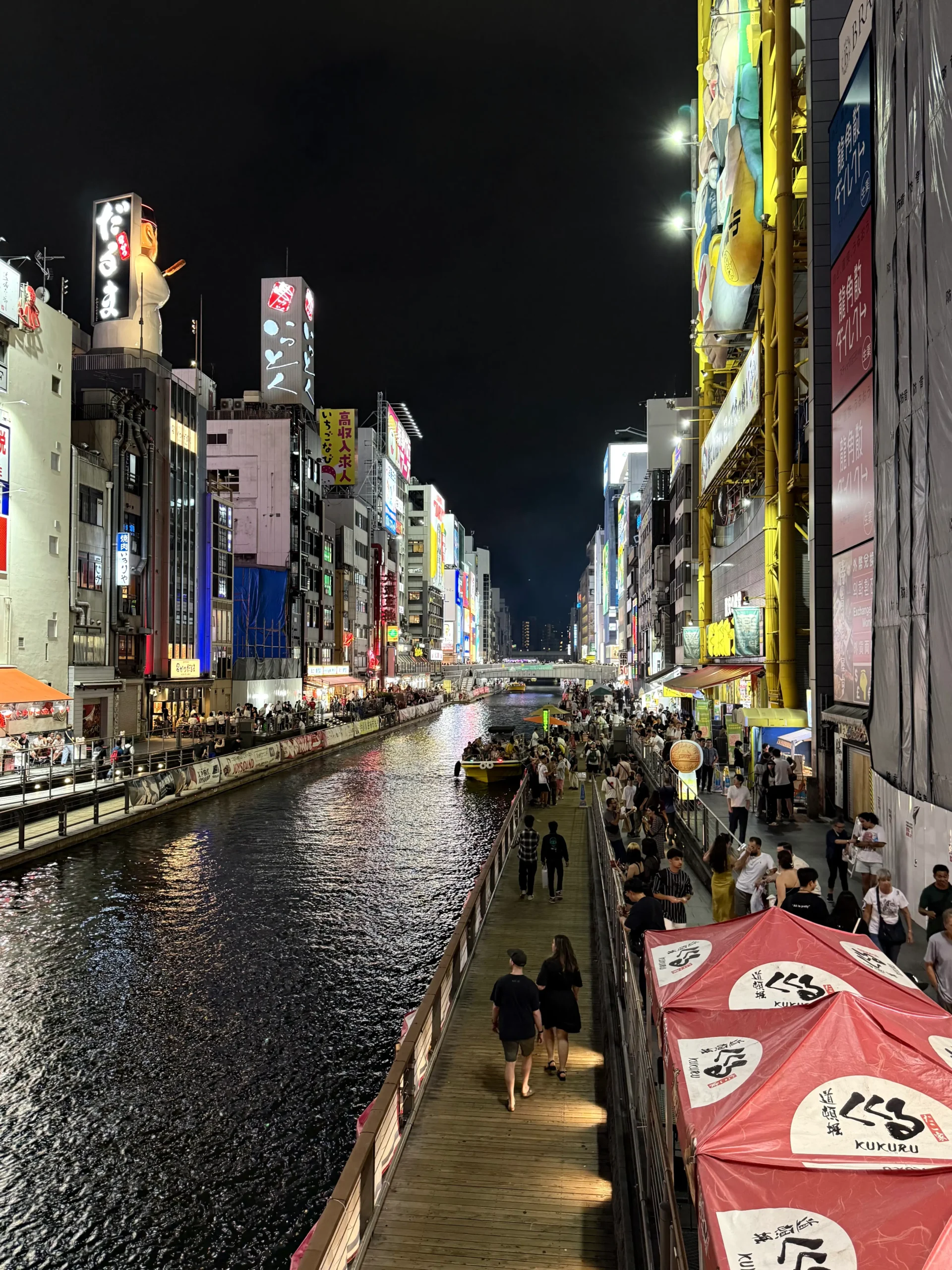
Dotonbori is Osaka turned all the way up. Neon signs glow over the canal, music spills out of restaurants, and the sidewalks are in constant motion.
Walking through it at night feels like stepping into the version of Osaka you’ve seen in photos, and for a first visit, that alone makes it worth experiencing once.
What made Dotonbori enjoyable for me was slowing down. Instead of bouncing from one stop to the next, I focused on walking, people-watching, and taking in the atmosphere. Approached this way, it feels energetic and fun rather than overwhelming.
Pro Tip: I would skip Dotonbori between 7 pm and 9 pm, when tour groups pack the sidewalks and popular stalls have 30 to 60 minute lines. I would also avoid famous takoyaki and okonomiyaki spots with long queues spilling onto the street.
Instead, I would go after 10 pm, when foot traffic thins out and it’s easier to move. I would pick one or two snacks, like takoyaki from a quieter stand or a small skewer from a side street shop, then keep walking. This way, you experience the atmosphere without losing your entire night to waiting in line.
If you want a bit of structure without the chaos, a short evening food or walking tour can be a good middle ground, especially if it’s your first night in Osaka.
2. Eat Osaka’s Food With Intention
Osaka’s food scene is the city’s strongest asset, and it feels very different from Tokyo’s. The culture is casual and centered on enjoyment rather than presentation or hype.
This mindset is often summed up by kuidaore, which loosely means eating until you drop. Food here is meant to be abundant, affordable, and part of everyday life.
Because we had just come from Kyoto, we did not chase the best restaurants. That choice made a real difference. Without the pressure of must-eat lists, meals felt calmer and more personal. Eating out felt normal, not like a checklist.
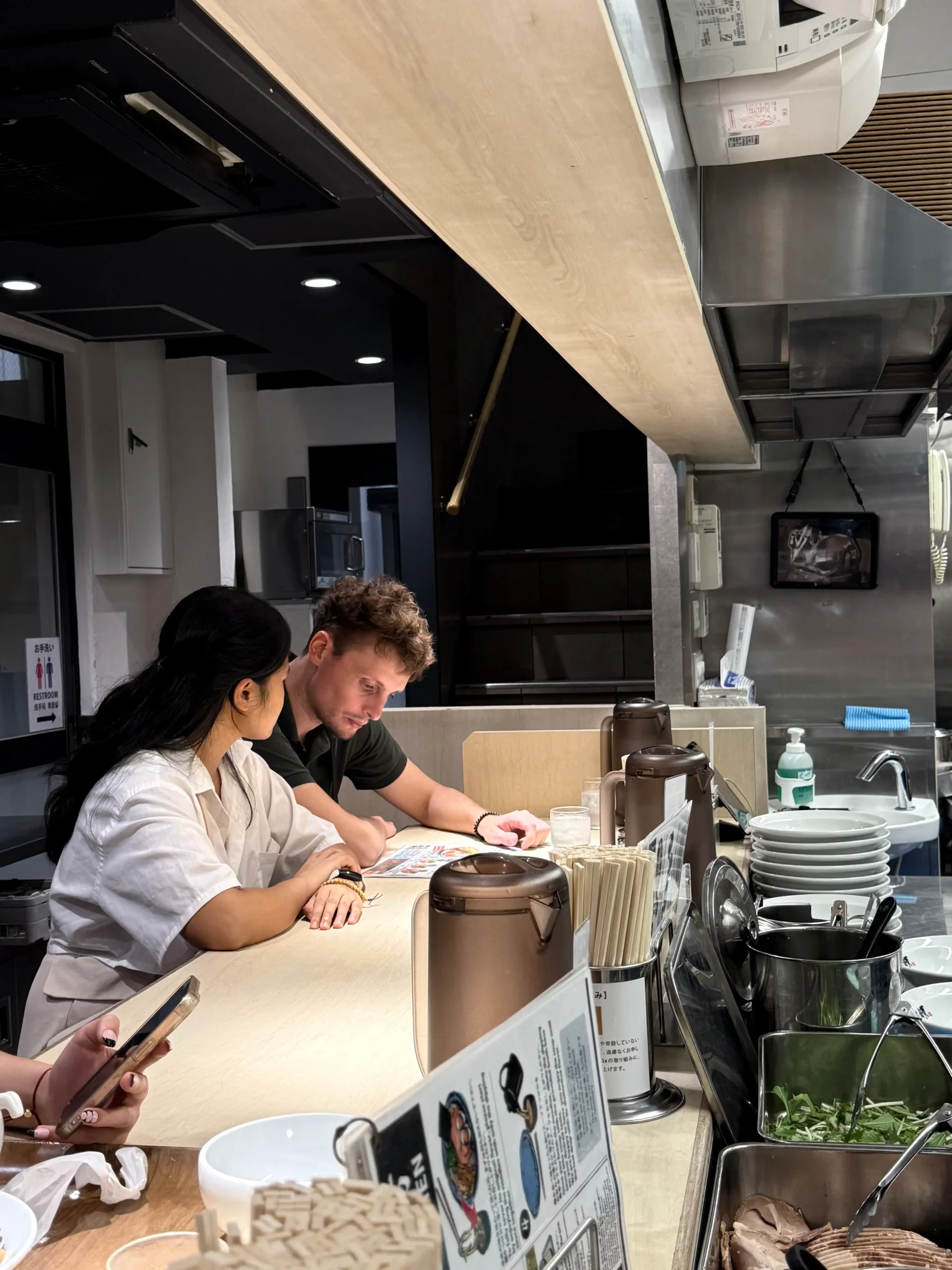
We ended up having dipping ramen, or tsukemen, something we had been curious about since Tokyo. It became one of the best meals we had in Japan. Since we were not rushing, I watched the chef prepare the dish and noticed how focused and content he seemed. That quiet moment stayed with me far more than any viral food stall.
I was glad to skip novelty foods and long lines for dishes you can find anywhere in Japan. Osaka rewards curiosity and timing more than hype.
If you enjoy learning through food, you might also like my guide to [10 Fun and Authentic Cooking Classes in Osaka], which focuses on hands-on experiences that reflect how locals actually eat and cook.
If you prefer a low-effort experience, joining a food tour in Osaka can be a good fit. Many travelers describe these tours as one of the most enjoyable parts of their trip.
They highlight the relaxed pace, the variety of food, and the easygoing atmosphere that makes a few hours feel effortless rather than rushed. For travelers several days into a Japan itinerary, it often stands out as a simple way to enjoy Osaka’s food scene without planning every stop yourself.
3. Visit Osaka Castle as a Short Stop
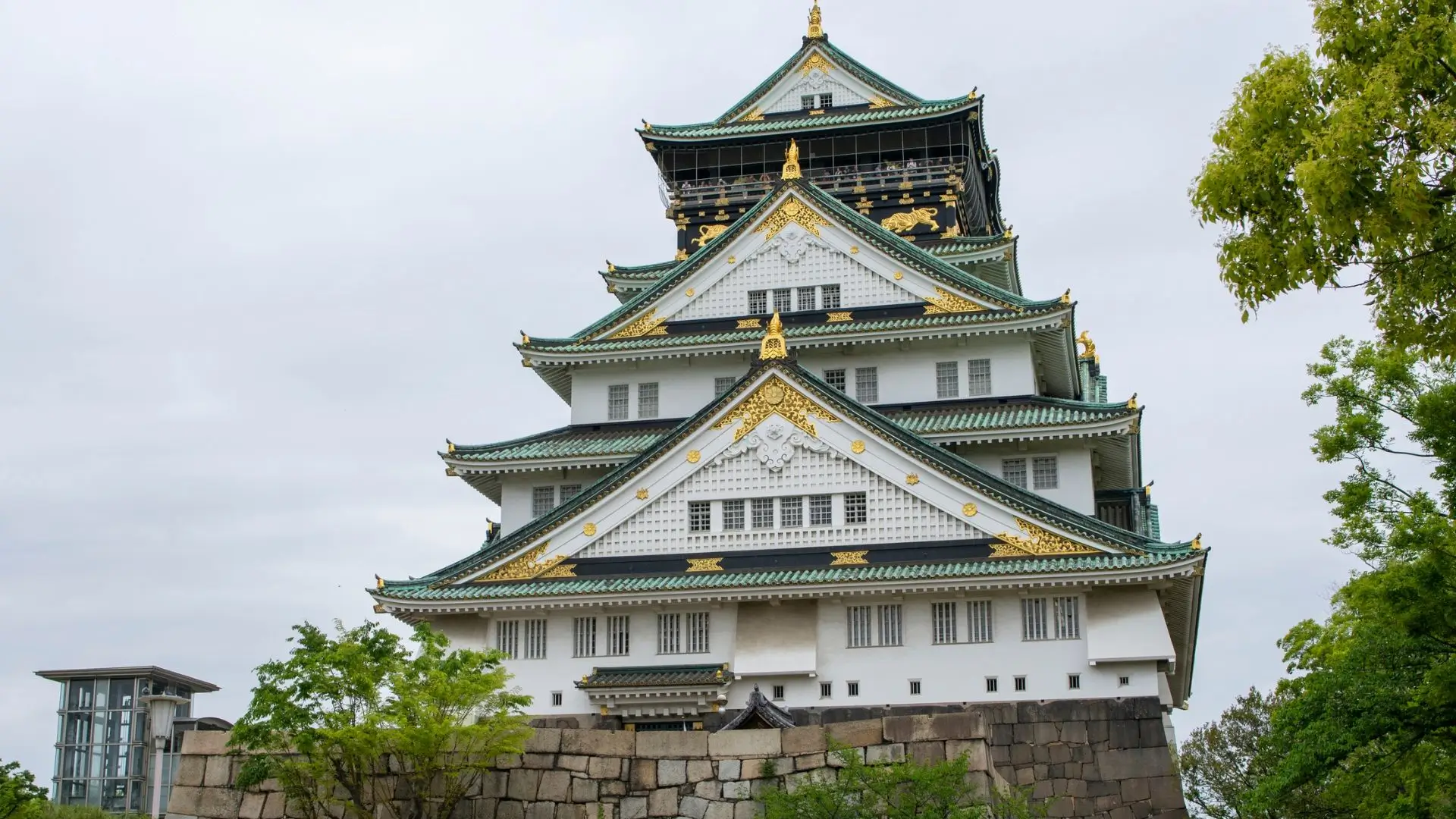
We did not visit Osaka Castle ourselves, and that decision came after reading a lot of firsthand accounts. Across travel forums and discussions, the feedback is surprisingly consistent. Most people enjoy the grounds, the exterior views, and the park around the castle more than the inside itself.
The castle looks impressive from the outside, especially if you like city landmarks and wide open spaces. The surrounding park works well for a slow walk, a short break between neighborhoods, or a reset after crowded areas like Namba or Dotonbori. If you are nearby anyway, it can feel worthwhile.
Opinions change once you go inside. Many people say the interior feels more like a modern museum, with elevators and information panels, rather than an old castle. If you enjoy history, you may like it. If not, it can feel crowded and less impressive than places like Himeji or Matsumoto.
For first time visitors, Osaka Castle works best as a brief stop, not the main itinerary. Treat it as a walk and a photo opportunity rather than a must see attraction.
Pro Tip: If you want to see Osaka Castle without worrying about transport or timing, adding it to a half day city tour can work well. It lets the visit fit into your day instead of dictating your entire plan.
If you are planning your full route across Japan, [Best and Worst Time to Visit Japan: First-Timer’s Guide] can help you decide when places like Osaka Castle feel calm or overwhelming.
4. Wander Shinsekai for Old-School Osaka Vibes
Shinsekai shows a side of Osaka that feels rougher and less filtered. Many locals describe it as safe but ghetto. That word comes up often, and once you walk through the area, it makes sense.
Streets feel gritty. Bars open directly onto the sidewalk. Drinking in public is common, and the area stays crowded even during the day.
You may see things that feel out of place, like massage shops openly pulling in customers in the afternoon. The energy can feel rowdy and chaotic, with a spring break type vibe rather than a relaxed neighborhood feel. For some travelers, that rawness is interesting. For others, it feels uncomfortable or exhausting.
Shinsekai is not about attractions. It is about atmosphere. It contrasts sharply with more polished areas like Namba or Umeda. Less curated. More exposed. You see the edges of the city instead of the highlights.
Whether it is worth visiting depends on what you enjoy. If you are curious about Osaka’s grittier side and do not mind a ghetto feel, it is worth a walk. If you prefer calm streets or are traveling with young kids, it is easy to skip without missing much.
If the vibe feels like too much, staying in nearby areas like Namba or Umeda makes nights easier while keeping the city accessible.
Book your hotel on Agoda and get 5% off with my code GLADISAGODA.
5. Spend a Day at Universal Studios Japan if…

I really enjoyed my time at Universal Studios Japan, but I do not think it is a must for everyone. I added it because I genuinely love theme parks, and Nintendo and Harry Potter were priorities for me. If those worlds matter to you, the experience can be definitely worth it!
By the end of the day, I was completely exhausted. Even though we visited during shoulder season in the first week of September, the park felt crowded and noisy. Lines were intense. We waited close to an hour for most popular rides, and the constant movement took a toll.
For me, the highlights made the effort worthwhile. For others, it may feel overwhelming rather than fun. If you decide to go, plan for it. Buy the Priority Access. It does not remove the crowds, but it makes the day far more manageable.
If Universal Studios is high on your list, staying nearby makes the day much easier. A hotel close to the park lets you arrive early and leave without hassle. Booking tickets or an express option ahead of time also helps you avoid sold out dates and last minute planning.
6. Explore Namba (But Skip Don Quijote)
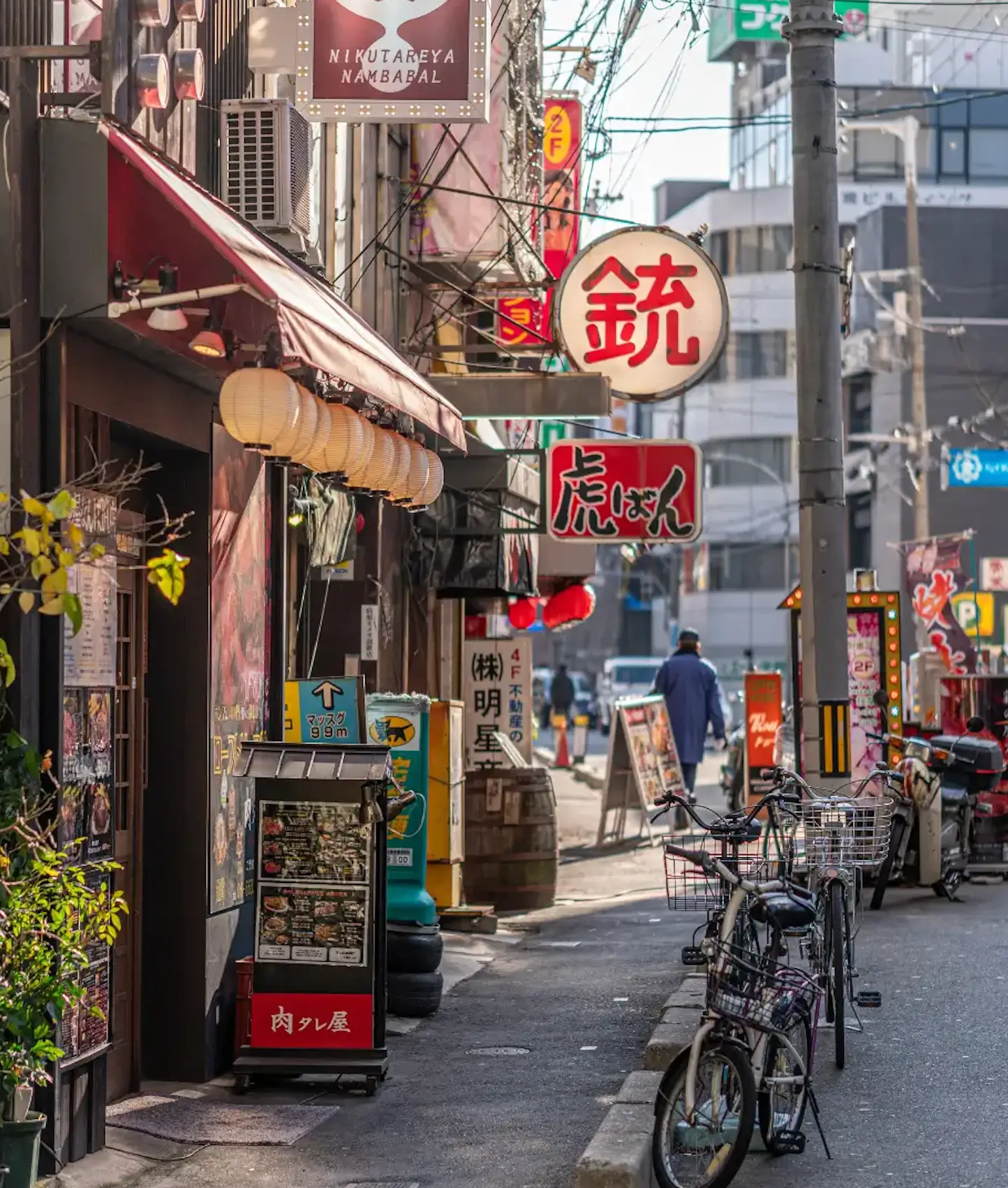
Namba is worth your time because it rewards wandering. Side streets pull you away from the main roads. Arcades, cafés, and small shops appear without warning. You do not need a plan here. Walking and reacting works better than searching for specific stops.
Some of my best moments in Namba came from turning down random streets and sitting wherever looked busy with locals. The area feels alive without trying too hard. That is where Namba works best.
What I would skip next time is Don Quijote. It was extremely crowded and overstimulating. The aisles felt chaotic. The items looked cheap and not especially unique. It took a lot of energy and gave very little back. To be honest, I left feeling drained rather than satisfied.
Instead, I would focus on smaller local shops and let shopping happen naturally. Walk without a list. If something catches your attention, stop. If not, keep moving.
Namba does not need structure to be enjoyable, but if you prefer guidance and local context, joining a walking tour that includes Namba can make the experience easier without feeling restrictive.
7. Take a Cooking Class in Osaka
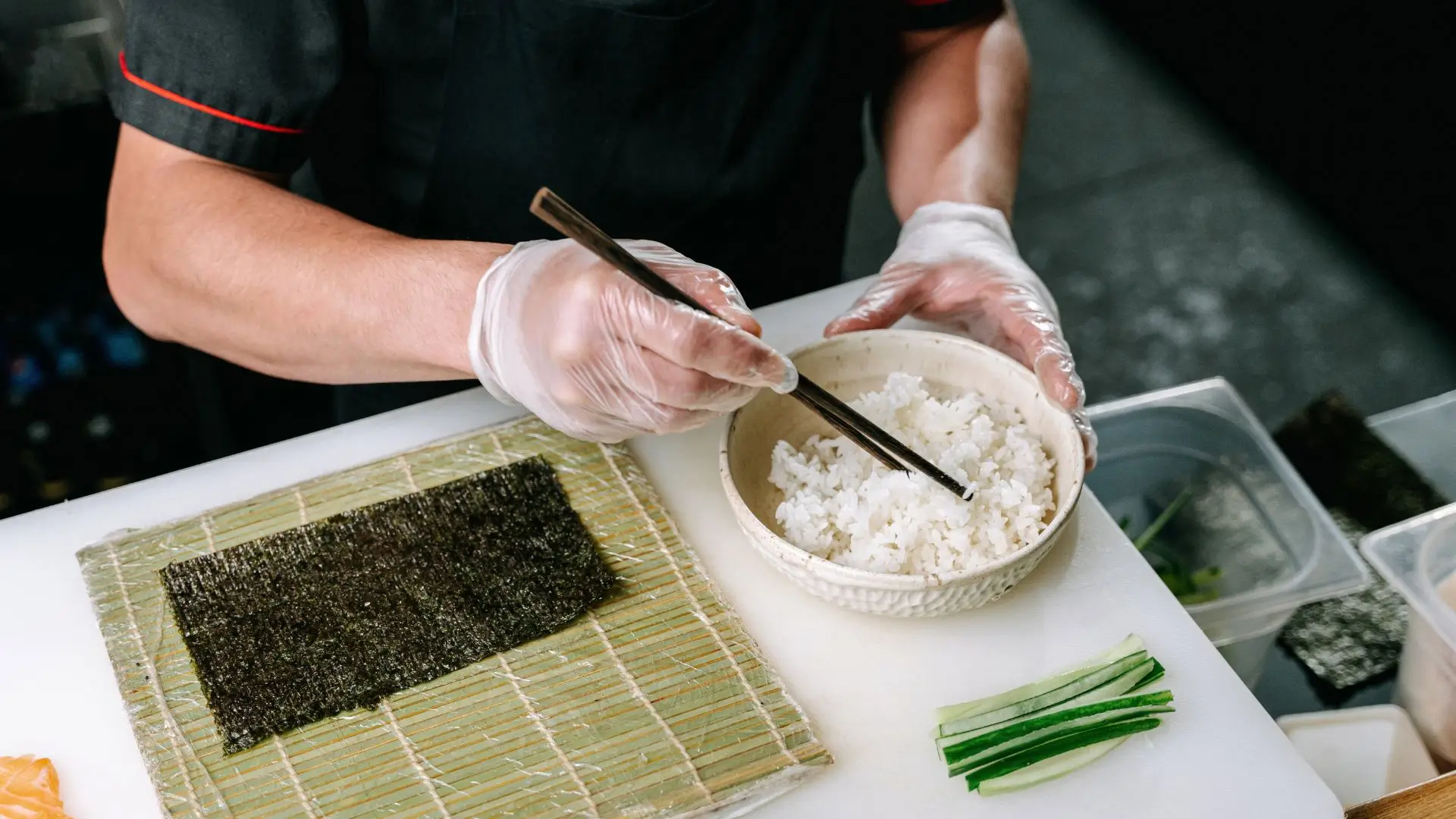
I did a sushi making class in Tokyo, but if I had not, I would have chosen one in Osaka. Osaka is Japan’s food capital. The focus is street food and everyday dishes. This feels closer to how locals actually eat.
A cooking class makes sense if food is a main reason for your trip. It slows your pace without killing momentum. Instead of bouncing between restaurants, you spend a few hours learning one dish properly. You taste, watch, and understand what goes into it.
If there is one thing I’ve learned from the cooking classes I’ve taken, it’s how closely food and art are connected. Watching someone with years of experience turn simple ingredients into a finished dish is fascinating, especially when they take the time to share that craft with others.
This is also a good reset after busy sightseeing days. You sit down. You focus. You leave with a skill and a better sense of Osaka’s food culture. It feels intentional, not rushed.
Pro Tip: Book cooking classes early. Small group sessions fill up weeks in advance, especially those near major attractions.
If you want help choosing the right fit, I go deeper into the best options by style, pace, and skill level in my full guide, [10 Fun and Authentic Cooking Classes in Osaka].
8. Try a Hands-On Cultural Experience in Osaka
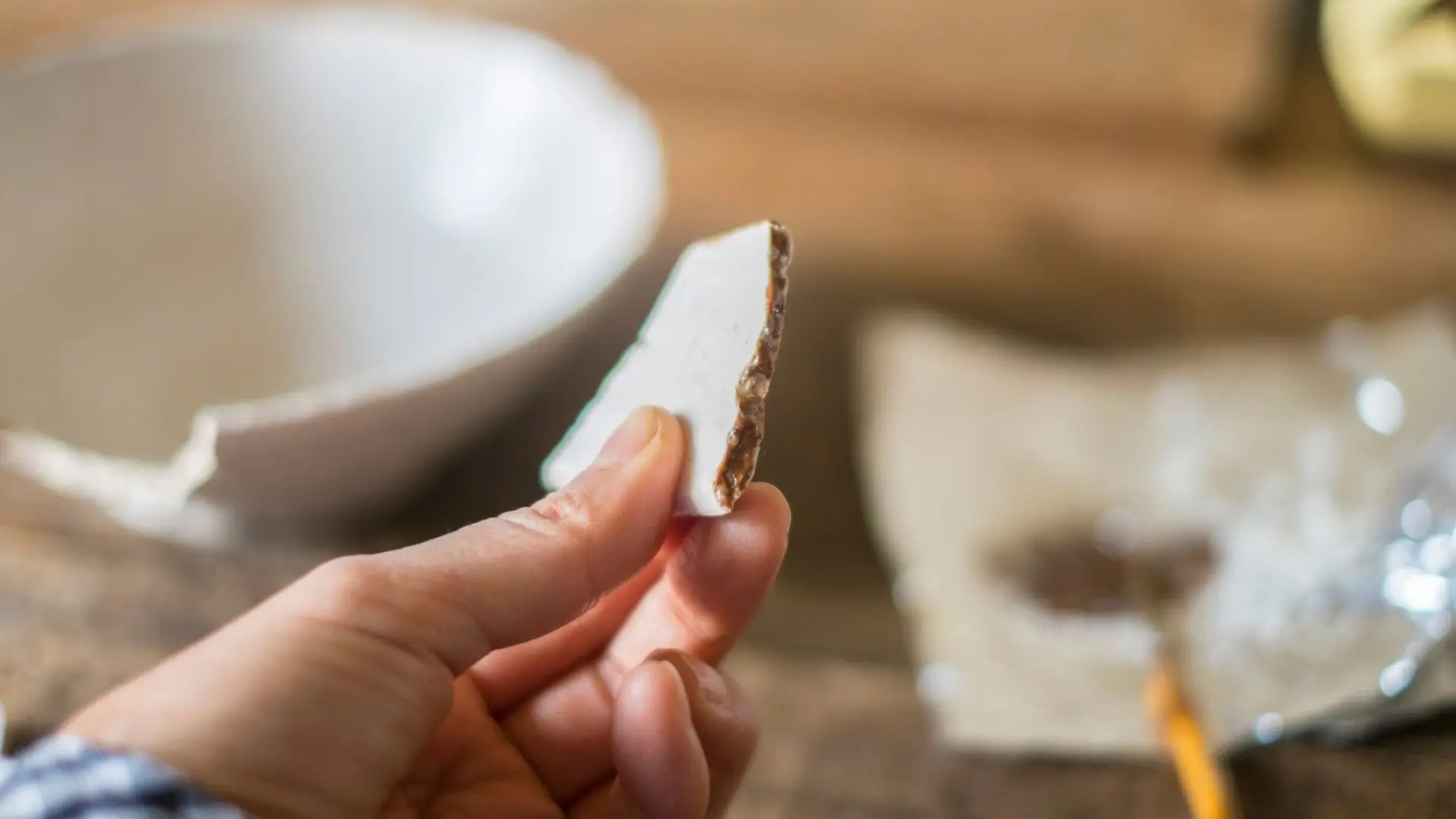
I always find that the best way to experience a place—other than food—is to learn directly from locals. Although I didn’t have time to do this in Osaka, it’s high on my list for next time.
If you’re skipping Universal Studios and you’re into art or martial arts, these are excellent alternatives:
These experiences are best for travelers who want a break from crowds, people interested in learning rather than just seeing, and repeat visitors or anyone planning a slower-paced itinerary.
9. Take a Day Trip From Osaka
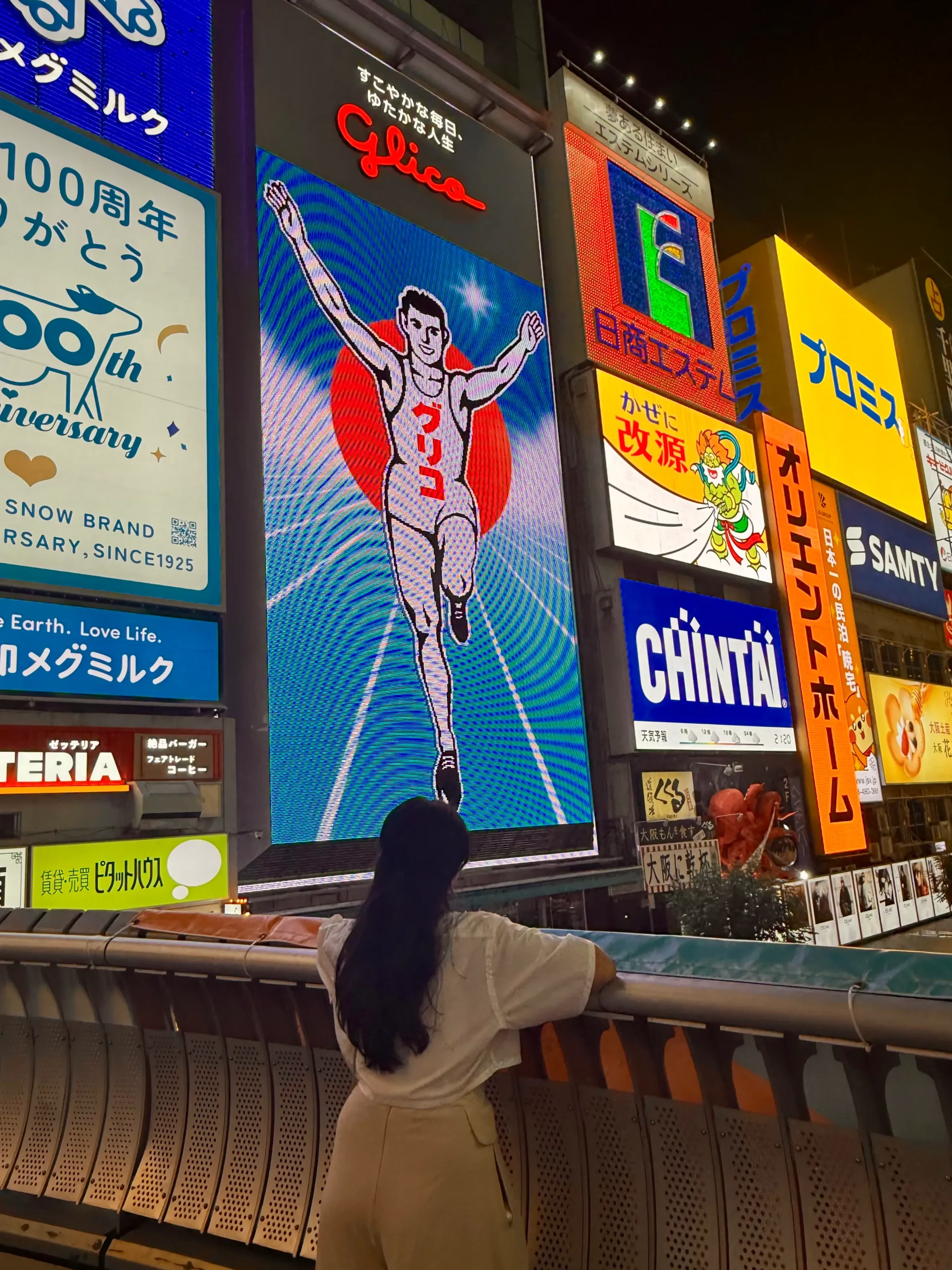
Osaka works well as a base city. It is one of Japan’s main international gateways after Tokyo, and transport connections make short trips easy. If you start your trip here and have at least three days, adding one day trip can add variety without stress.
Kyoto offers the strongest contrast. It feels calmer, more traditional, and slower. The main reason I would land in Osaka again is to revisit Kyoto, simply because it is much closer than staying in Tokyo. Nara is another solid option if you want something simple and memorable. It requires little planning and still feels distinct.
Where you stay matters here. Choosing a well connected neighborhood makes early starts and late returns easier. You do not need to move hotels to enjoy a day trip.
The key is restraint. Pick one day trip. Do not try to fit in multiple places. A single, well chosen outing supports your Osaka stay instead of making it feel rushed.
Osaka Pro Tips That Will Save You Time
Planning a trip to Osaka requires smart strategies, as crowds can escalate fast, particularly in famous areas like Dotonbori and Namba, making early arrival or targeting off-peak hours essential for saving time.
It’s important to remember that just because a sight is popular doesn’t automatically mean it will be enjoyable for you, so prioritize your personal interests over trending tourist traps.
The best way to experience Osaka is by allowing yourself to wander and spontaneously explore, as a rigid, timed itinerary across various districts often results in feeling rushed and wasting time on complicated transit connections.
On a personal note, a major mistake to avoid is arriving in the city already tired, as the sensory overload, fast pace, and constant crowds of Osaka will only magnify exhaustion, making the entire experience feel overwhelming instead of invigorating.
What I’d Do Differently on My Next Trip to Osaka
On my next trip, I would slow down even more. I would plan fewer activities and leave more room for food, neighborhoods, and unstructured time. Osaka felt best when I stopped trying to keep up and started choosing what actually matched my energy and interests.
I would prioritize meals over landmarks. Not chasing famous restaurants made eating feel calmer and more memorable. I would also spend more time walking through neighborhoods like Namba and quieter side streets, where the city feels less performative and more real.
I would skip anything that felt like an obligation. Theme parks, major sights, and viral spots all have their place, but only if they genuinely excite you. When I arrived tired or tried to fit too much into one day, Osaka felt overwhelming instead of fun.
If you are planning your first trip, ask yourself what kind of traveler you are. Do you enjoy food, wandering, and everyday scenes, or packed schedules and big attractions. Build your itinerary around that answer.
Osaka does not reward doing everything. It rewards choosing well.
Practical Japan Travel Guides to Help You Plan Better
- Best Street Food in Tokyo and Where To Find It?
- Do I Need Travel Insurance for Japan?
- The Best eSIM for Japan That Actually Worked for Me
- Simple Japanese Phrases for Travelers I Actually Used
- 10 Fun and Authentic Cooking Classes in Osaka
- 14 Of The Best Cooking Classes In Tokyo For Tourists
- 15 Non-Touristy Things to Do in Kyoto for an Authentic Experience
- 2 Day Kyoto Itinerary That Will Make You Fall in Love With Japan
- 22 Japanese Foods to Try in Japan and Where to Find Them
- Traditional Festivals in Japan You Can Still Experience Today
