How to Prepare for a Trip to Japan for First-Timers

Planning your first trip can feel exciting and overwhelming at the same time. If you are wondering How to Prepare for a Trip to Japan, it often starts with managing expectations and choosing the right pace.
When I planned my most recent trip to Japan last autumn, it was my second time visiting, and yet I felt that tension again.
I was traveling with my partner, my brother, and a friend. Two were first time visitors, and fitting four different expectations into an eight day Japan itinerary was harder than I anticipated.
My first visit to Japan was on a student exchange, and what stood out then, and still does now, is how naturally tradition, modern life, and nature coexist.
Returning later as a short term visitor showed me how much your planning approach shapes the experience. Not just what you see, but how your trip to Japan actually feels day to day.
If this is your first time traveling to Japan, you do not need to see everything or follow a perfect Japan itinerary. You need to prepare in a way that matches how you want to travel and how you want your trip to feel.
This guide focuses on how to prepare for a trip to Japan by making the key decisions that matter before you go, from choosing a realistic pace to understanding logistics like transportation and accommodations, so you can arrive feeling prepared and confident instead of overwhelmed.
This post contains affiliate links. If you book through them, I may earn a small commission—at no extra cost to you. I appreciate your support! Read our full disclosure.
Choose the Trip You Want to Experience

Before you open 15 tabs and start plotting train routes, pause. I know it is tempting to copy an itinerary and just follow it. I did that on my first trip. It looked perfect on paper. It felt chaotic in real life.
Instead of asking, “What should we see?” ask, “How do we want this trip to feel?”
Do you want full city energy? Neon lights, packed trains, and late-night ramen. Or do you want slow mornings, quiet streets, coffee shops, and time to wander?
There is no correct version. There is only what fits you.
Also be honest about your energy. Are you okay walking 20,000 steps every day?
Do you enjoy changing hotels often? Or do you get tired when you move too much?
I travelled with my boyfriend, my brother, and a friend. Before we go on with our trip, we ask each other, what are our nonnegotiables?
Not the trendy places. Not the places people say you must see. Just the ones we personally would regret missing.
We wrote them down. Compared lists. The ones we had in common became the core of the itinerary. Everything else became optional.
Then we looked at the nice-to-see spots and only added what fit naturally into our route. If something required a long detour or meant rushing through a place, we cut it.
We also decided on the overall theme of the trip. We wanted to walk a lot. We wanted to experience culture. But we also wanted enough time in each city to actually enjoy it and not just take photos and leave. That small shift changed everything.
The days felt calmer. We stayed longer in places we liked. We had space to explore random streets. It stopped feeling like a checklist.
So, before you plan Japan, decide your pace. Choose your theme. Design the feeling first. The rest becomes much easier after that.
Make Sure Your Documents and Entry Requirements Are Set
This is the unglamorous part of planning your trip to Japan. It is also the part that prevents last-minute stress.
Start with your passport. Check the expiration date now. Many airlines require at least six months of validity from your travel date. If yours is close to expiring, renew it early. Do not wait until you book your flights.
Next, confirm your visa status. Some nationalities can enter Japan visa-free for short-term tourism. Others need to apply for a tourist visa in advance. Check the official website of the Japanese embassy in your country. Do not rely on forums or old blog posts because rules can change.
If you need a visa, prepare the required documents early. Typical requirements include:
• Passport
• Application form
• Photo
• Flight details
• Proof of accommodation
• Financial documents
The process is straightforward, but it takes time. Plan ahead.
Now let’s talk about arrival. When you land in Japan, you will:
• Go through immigration
• Present your passport and visa if required.
• Have your photo and fingerprints taken.
• Claim your luggage
• Submit a customs declaration
Japan also has an online system called Visit Japan Web. You can register before your flight and generate QR codes for immigration and customs. This makes the airport process faster and simpler.
On our first trip, we had the correct visa. We thought we were fully prepared. But we did not realize we still had to fill out arrival and customs forms.
Some parts were in Japanese. We stood there at the airport slightly confused while people lined up behind us. It was a small thing, but it added unnecessary stress after a long flight.
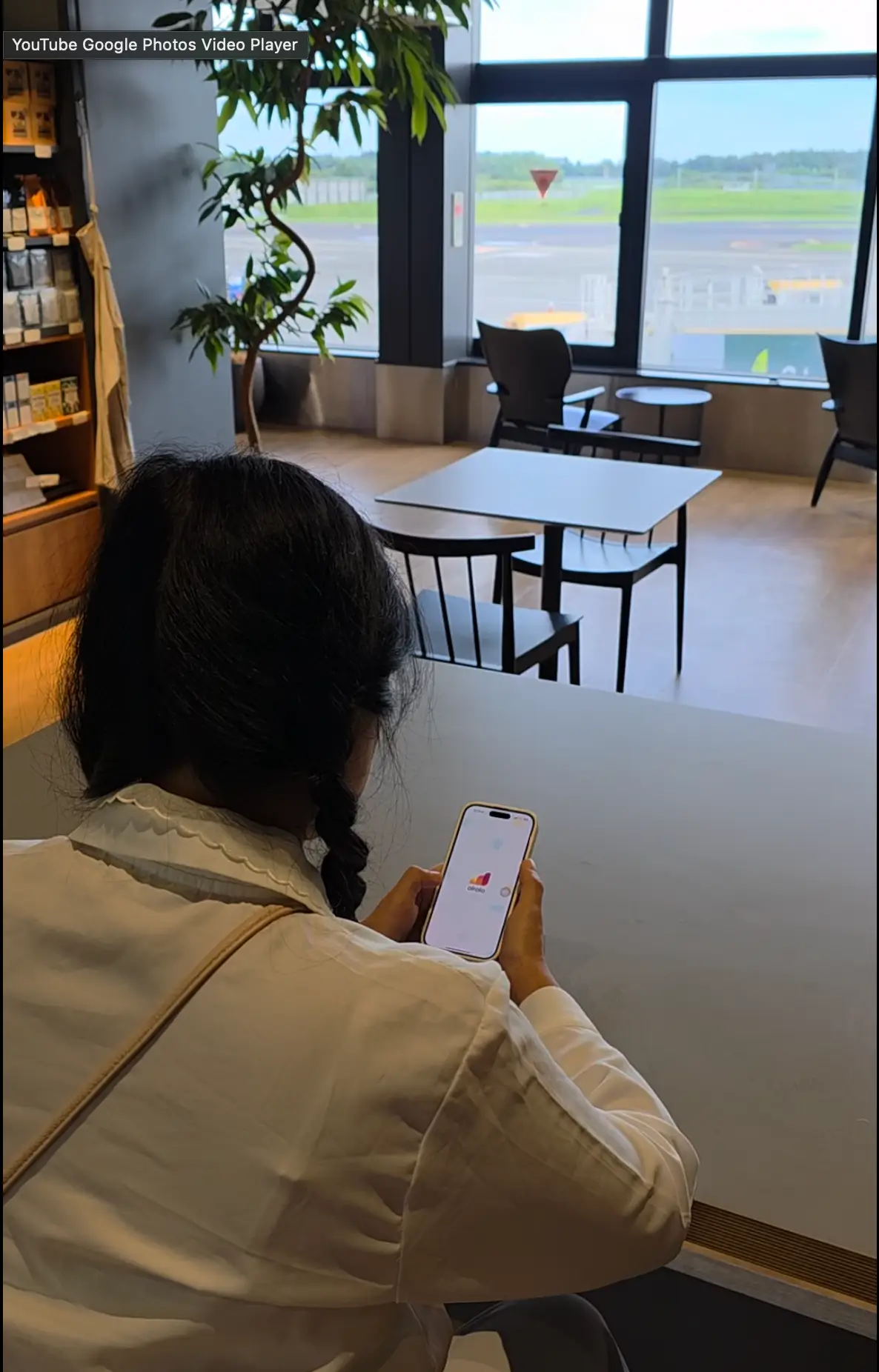
Thankfully, we installed an eSIM before arriving. We used Airalo. The moment we landed, we had data. We opened a translation app and filled out the forms correctly in minutes.
Getting your documents and entry requirements sorted early removes a big layer of anxiety. Once this is done, you can focus on the fun parts of planning.
I’ve partnered with Airalo to give you a special discount for your eSIM.
- Get 15% off new users with code GLADIS15
- Get 10% off existing users and top ups with code GLADIS10
Understand Money in Japan Before You Go

Money surprises a lot of first-time visitors. Japan is modern. Trains are precise. Toilets are high-tech. So you might assume everything is card friendly.
Not always.
Japan still runs heavily on cash. Many restaurants, small shops, temples, local markets, and even some stations only accept cash. Larger stores and hotels usually accept cards, but do not rely on that everywhere.
Here is what you should know before your trip to Japan:
• Bring a debit card that works internationally
• Inform your bank before you travel
• Withdraw cash at convenience store ATMs like 7 Eleven or Lawson
• Do not assume every place accepts credit cards.
Convenience store ATMs are reliable. They support foreign cards and have English options. If you need cash, that is your safest bet.
Also consider getting an IC card like Suica or Pasmo. You can use it for trains, buses, vending machines, and many convenience stores. It saves time and reduces the need to carry coins.
Japan can be more affordable than people expect. A solid bowl of ramen can cost less than a casual meal in many major cities. Convenience store meals are decent and budget-friendly. But transport between cities and theme parks can add up fast.
On our last day in Japan, we thought we were being efficient. We used up almost all our remaining cash at convenience stores, buying breakfast and snacks so we would not bring yen home.
Later, we reached a station that only accepted cash. We had to rush around looking for an ATM while managing our luggage. It was unnecessary stress on departure day.
Pro Tip: Keep a small cash buffer until you are fully done moving around. Even on your last day.
If you understand how money works before you go, you avoid one of the most common first timer mistakes.
Get Connected: Phones, Internet, and Navigation
Being disconnected in Japan feels intimidating. Street signs can be unfamiliar. Some areas have limited English. Train stations can be large.
You need reliable data from the moment you land.
You have three main options:
• Physical SIM card
• eSIM
• Pocket WiFi device
A physical SIM works well but requires swapping cards. A pocket WiFi is useful for groups but adds another device to carry and charge. An eSIM is often the simplest option. You install it before departure and activate it when you arrive.
Having data is not just for social media. It is for maps, translations, train routes, and emergencies.
Most people rely only on Google Maps. It works well for trains and directions, but sometimes it is not enough.
In Japan, some locations use mapcodes. These are numeric location codes that are more precise than a street address. Certain car navigation systems and local listings rely on them.
We learned this the hard way.
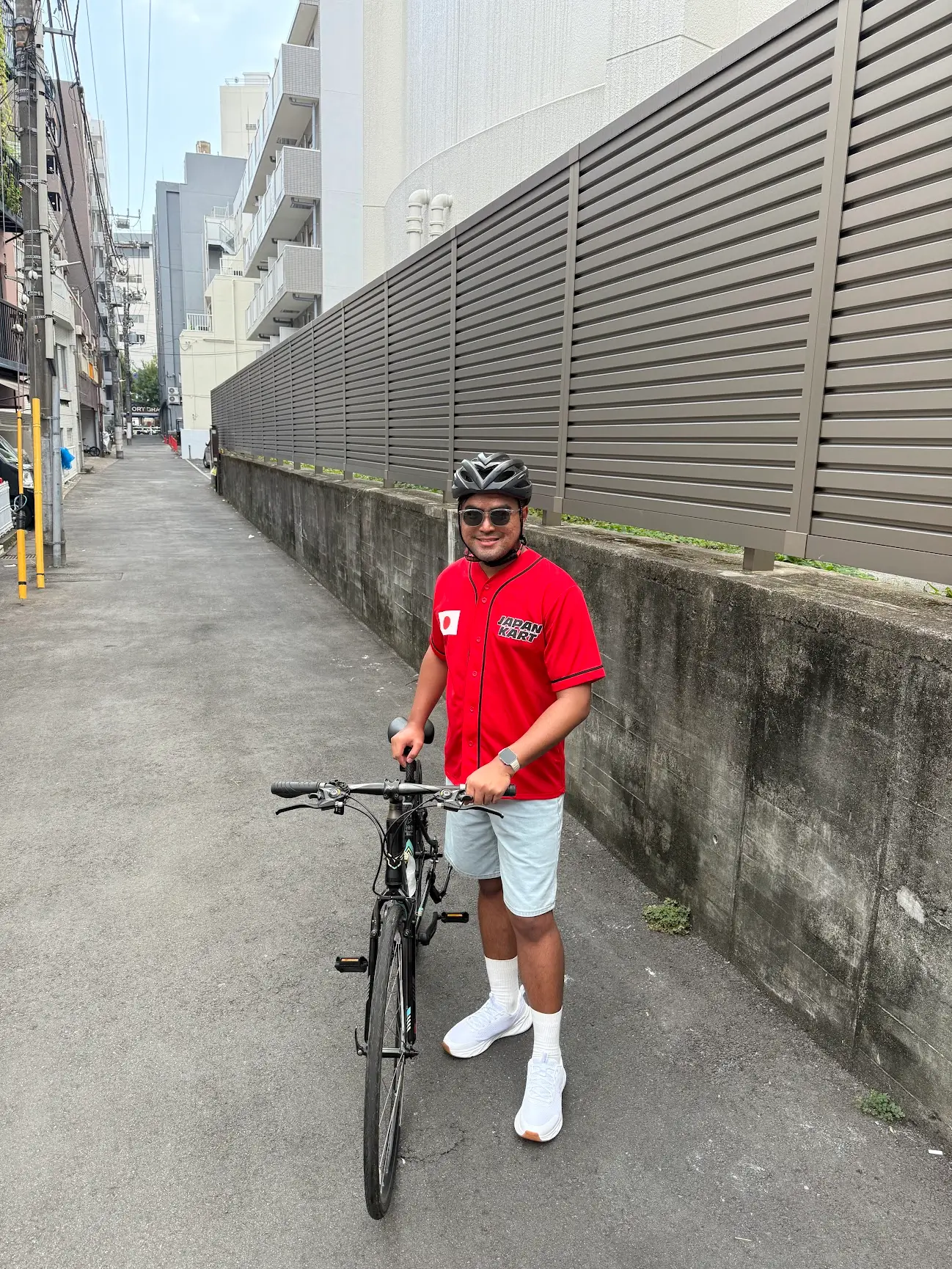
We booked a Shibuya bike tour in Tokyo. We followed the address on Google Maps and arrived at what we thought was the meeting point. It turned out to be a diving spot.
That is when we learned about mapcodes and how specific they can be in Japan. Because we had mobile data, we quickly searched again, translated instructions, and found the correct meeting point.
We arrived slightly late. Without data, we might have missed the tour entirely.
Use code GLADIS15 for 15% off your first Airalo Japan eSIM.
Learn the Cultural Basics First Timers Often Miss

A lot of first-time anxiety in Japan comes from one fear. What if I accidentally offend someone?
Take a breath. Japan is not strict. It is structured. Once you understand a few basics, everything makes sense.
Here are the common ones most first-timers miss:
• Keep your voice low on trains.
• Do not take phone calls inside trains.
• Stand on one side of the escalator and leave space for others.
• Remove your shoes when required, especially in homes, some restaurants, and traditional accommodations.
• Carry your trash until you find a bin.
Japan has fewer public trash cans than you expect. People usually bring a small bag and dispose of trash later.
Also, do not tip. Tipping is not part of the culture. In many cases, staff will politely return your money if you leave extra. Good service is standard, not performance-based.
On our trip, my brother was our quiet cultural guide. He is a big Japan fan and had learned a lot before coming. Whenever we were unsure, like which side to stand on the escalator or whether we needed to remove our shoes, he would gently remind us.
Most mistakes are not serious. No one will scold you. But knowing the basics shows respect and makes you feel more confident.
You do not need to master every rule. Just learn the common ones. That alone reduces a lot of cultural anxiety on your first trip to Japan.
If you want to learn about Japanese etiquette, especially dining and restaurant customs, I’ve put together a guide on Restaurant Etiquette in Japan that you can use for your trip.
Plan Transportation Before You Arrive
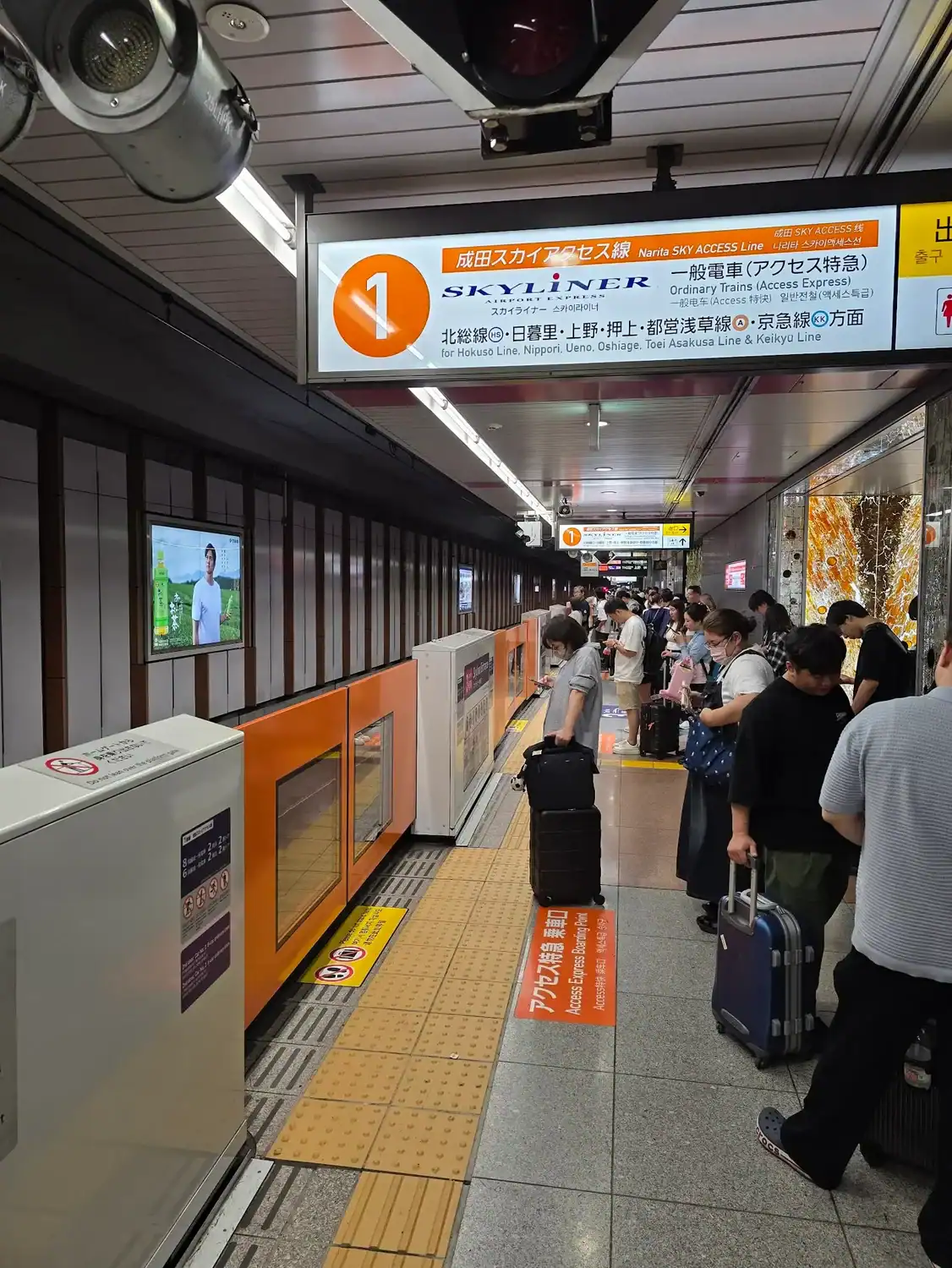
Trains in Japan are efficient. They are also overwhelming at first.
Large stations like Tokyo or Shinjuku can feel like small cities. After a long flight, this is the last thing you want to decode from scratch.
Before your trip to Japan, plan these:
• How you will get from the airport to your accommodation
• Whether you need an IC card
• If a JR Pass makes sense for your route
From Narita or Haneda Airport, you usually have train, airport bus, or taxi options. The train is often the fastest and most affordable. Look up your route in advance and save it.
IC cards like Suica or Pasmo make local transport easier. You tap in and out instead of buying single tickets every time. You can also use them in many convenience stores and vending machines.
Now about the JR Pass. To be honest, not everyone needs it. If you are visiting multiple far-apart cities in a short time, it can save money but If you are staying mainly in Tokyo or doing only one round trip by bullet train, it often does not make sense. Calculate your routes before buying.
If you plan to stay mostly in one city like Tokyo, consider whether a metro pass makes sense for your trip. I’ve shared a full guide to help you decide based on how often you expect to use the trains each day.
On my second trip, I already knew the trains would be intense. This time, I felt more relaxed because there were four of us. My partner is from Germany and is used to navigating train systems.
But even then, mistakes can happen. At one point, he was about to board a train going in the wrong direction. Good thing my friend and I double-checked the platform signs and caught it.
We would have lost time and possibly missed a reservation.
Do not assign all navigation to one person. Everyone should look at the signs. Everyone should check the train number and direction.
Transportation in Japan works beautifully. You just need a little preparation and shared awareness.
Pack for Japan (What You’ll Be Glad You Brought)

Packing for your first trip to Japan can feel stressful. You want to look good in photos. You want options. But comfort matters more than variety.
Shoes matter more than outfits.
You will walk a lot. It is normal to hit 15,000 to 25,000 steps in a day, especially in cities like Tokyo and Kyoto. Bring shoes you have already broken in. Do not test new ones on this trip.
I once packed cute white shoes, thinking they would match everything. I never wore them. They were not comfortable enough for long days. They just took up space in my luggage.
Speaking of luggage, size matters.
Train stations have stairs. Hotel rooms can be small. Some trains have limited luggage space unless you reserve oversized baggage seats on certain routes.
If you can manage with a medium suitcase or a carry-on, your life becomes easier. You will thank yourself when transferring between cities.
Now think about the season.
Japan has real seasons. Summer is humid. Winter can be colder than expected. Spring and autumn can shift quickly between warm afternoons and chilly evenings.
On one trip, I decided to leave a jacket because I thought I would be fine. I ended up freezing at the airport and on the plane. It was a small mistake, but it made the travel day uncomfortable.
Pro Tip: Pack with function first. Then style. You will enjoy your trip more when your feet are fine and you are not shivering.
If you want a complete breakdown of what I would pack again and what I would skip next time, I shared everything in my Japan Packing List: What I’d Pack Again and What I Wouldn’t. It will help you avoid the small mistakes that can make long travel days uncomfortable.
Adjust Your Expectations Before You Go
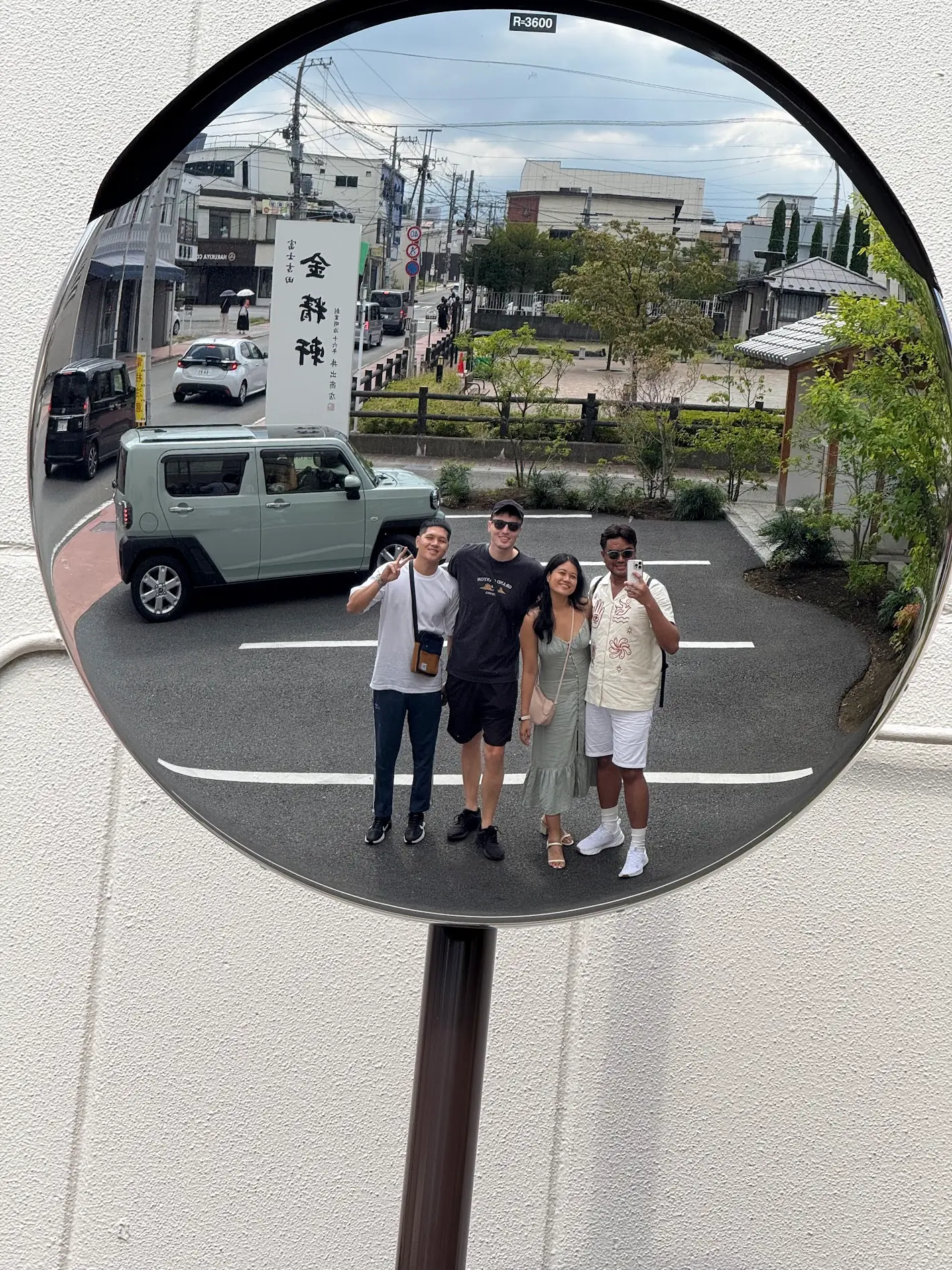
This part matters more than any packing list.
Language barriers are not as scary as you think. Many signs in major cities have English. Train stations are well labeled. Translation apps fill in the gaps. People are often willing to help, even if communication is simple.
You might also feel something unexpected.
Japan can feel peaceful but also quietly intense. The order. The politeness. The contrast between busy areas and silent temples. For some first timers, it feels emotional in a way that is hard to explain.
If you still feel unsure, learning a few simple phrases before you go makes a big difference. I shared a list of easy Japanese phrases to use in Japan that helped me feel more confident in everyday situations.
If you are traveling with a group, be realistic about energy.
I handled most of the planning. I built the itinerary. I checked train routes. I decided what we would do next. By the time we reached Kyoto, we were exhausted.
I snapped. Not because anything went wrong. I was just tired of organizing and making decisions for everyone.
If you are coming with others, do not carry everything alone.
• Rotate who checks routes
• Let others choose meals
• Ask someone else to pick the next activity.
• Build in rest time
You do not need to optimize every hour. You need space to breathe.
Preparing emotionally for your first trip to Japan means accepting that you will get tired. Plans will shift. Not everything will go perfectly. And that is completely normal!
What I Wish I’d Known Before My First Trip to Japan
Wish I had known that being prepared does not mean being rigid.
On my first trip, I planned almost every block of time. I thought structure would make the experience smoother. Instead, it made me anxious whenever something ran late or changed.
I wish I had known how physically demanding Japan can be.
You walk more than you expect. Stations are huge. Transfers take time. By day three or four, the fatigue is real. I would have planned fewer transitions between cities and built in slower afternoons.
I wish I had known that convenience stores are part of daily life, not a backup plan.
Some of our easiest breakfasts and quick dinners came from 7 Eleven and Lawson. I wasted time searching for “the best” option when something simple would have worked.
I wish I had known that it is okay to skip famous spots.
There were places I added because everyone recommended them. Some were great. Others felt crowded and rushed. The moments I enjoyed most were the quieter ones that matched my interests.
If I could summarize it in one line, it would be this. Japan does not need to be conquered. It needs to be experienced at your pace. That shift in mindset changed how I travel there.
Where Planning Ends and Experience Begins
Honestly, preparing for Japan is not about controlling every hour of your trip. It is about removing the obvious stress so you have space to enjoy the moments you did not plan.
You will take the wrong train at some point. You will get tired. Plans will change. That is normal. It does not mean you messed up.
What matters more is staying curious.
Notice the small streets. Try the random restaurant. Walk into the shop that was not on your list. Some of your favorite moments will not be scheduled.
If you are starting to sketch your route, pause for a second. Think about your pace. What actually feels good to you?
If you are unsure where to go on your first trip, picture how you want your days to feel. Calm and cultural. Busy and energetic. Or a mix of both.
Then build from there. Your itinerary, neighborhoods, and packing list will make more sense once you know the kind of experience you want.
And if you are still unsure when to visit Japan, I shared a breakdown in my Best and Worst Time to Visit Japan guide to help you choose the right season.
Japan Planning Made Simple
• The Best eSIM for Japan That Actually Worked for Me
• Do I Need Travel Insurance for Japan?
• Is the Tokyo Metro Pass Worth It?
• The 2-Day Tokyo Itinerary: You Won’t Feel Rushed
• 2-Day Kyoto Itinerary That Will Make You Fall in Love With Japan
• Japan Road Trip Itinerary: Epic 8-Day Route Guide
• Best and Worst Time to Visit Japan: First Timer’s Guide
• Simple Japanese Phrases for Travelers I Actually Used
• How to Plan the Perfect Mt. Fuji Itinerary
• 15 Best Things to Do in Tokyo That Are Actually Worth It