2 Day Kyoto Itinerary That Will Make You Fall in Love With Japan

We only had two days in Kyoto, and it was enough to fall in love with Japan.
Two days sounds short. Many guides tell you to squeeze in as many temples as possible or rush from one famous sight to another. Kyoto is different. You enjoy it when you slow down, notice small details, and let the city reveal itself.
This 2 Day Kyoto Itinerary comes from our actual trip. It is not rushed or generic. It does not push long lists or tight schedules. It gives you a clear plan that helps you enjoy Kyoto’s culture, traditions, and food without stress.
If you are a first-time visitor, a slow traveler, or someone who wants to experience the heart of Japan, this plan fits you.
After these two days, you will walk through the streets of Gion, enjoy a nine-course kaiseki dinner, meditate with monks in a centuries-old temple, and discover Kyoto’s quiet charm.
This post contains affiliate links. If you book through them, I may earn a small commission — at no extra cost to you. I appreciate your support! Read our full disclosure.
Quick Kyoto Itinerary Snapshot
When we went: Mid-September during shoulder season, warm and not crowded.
How we got there: By car on a road trip. Trains and buses work well if you are not driving.
Where we stayed: A hotel with Japanese-style bedding. Simple, comfortable, and a good cultural touch without the cost of a ryokan.
Who it is for: First-time visitors, slow travelers, and anyone who prefers culture and calm over a tight list of sights.
📌 If you’re coming from Tokyo or Mt. Fuji, check out my [Japan Road Trip Itinerary: Epic 8-Day Route Guide] to see how Kyoto fits into a longer Japan route.

Day 1 in Kyoto – Temples, Tradition & Kaiseki
Arriving from Mt. Fuji to Kyoto
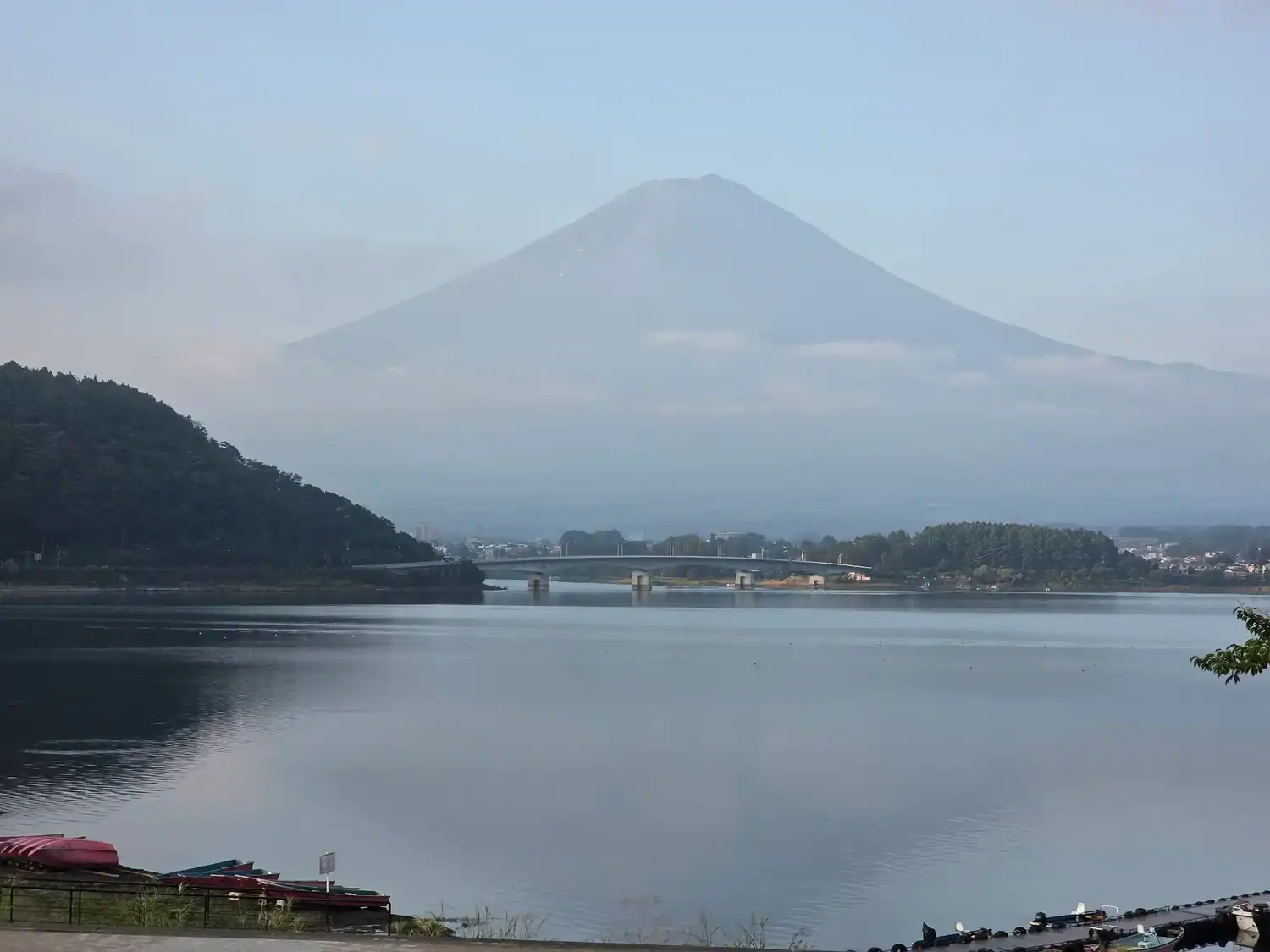
We reached Kyoto at about 2:30 p.m. after driving from Mt. Fuji. The shift in the city’s pace was clear. Tokyo felt lively, and Fuji felt open and bold. Kyoto felt calm and quiet.
If you are driving, aim to arrive by 2:30 p.m. Many temples close at 5:00 p.m., and this timing gives you space to explore without rushing. If you are taking the train, you can reach the main sights by local bus or on foot. Kyoto is compact once you are in the center.
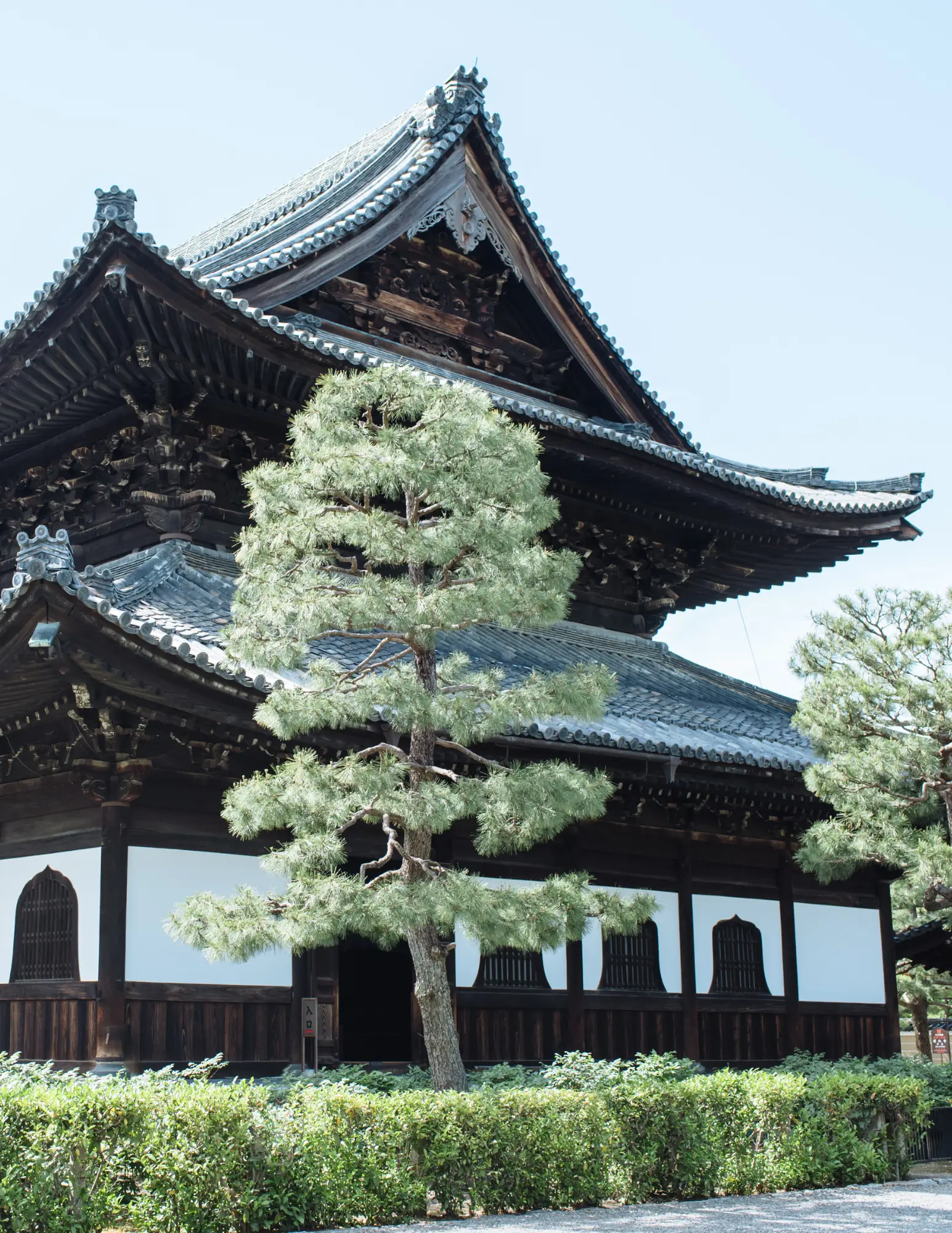
Stop 1: Kennin-ji Temple, a quiet Zen space
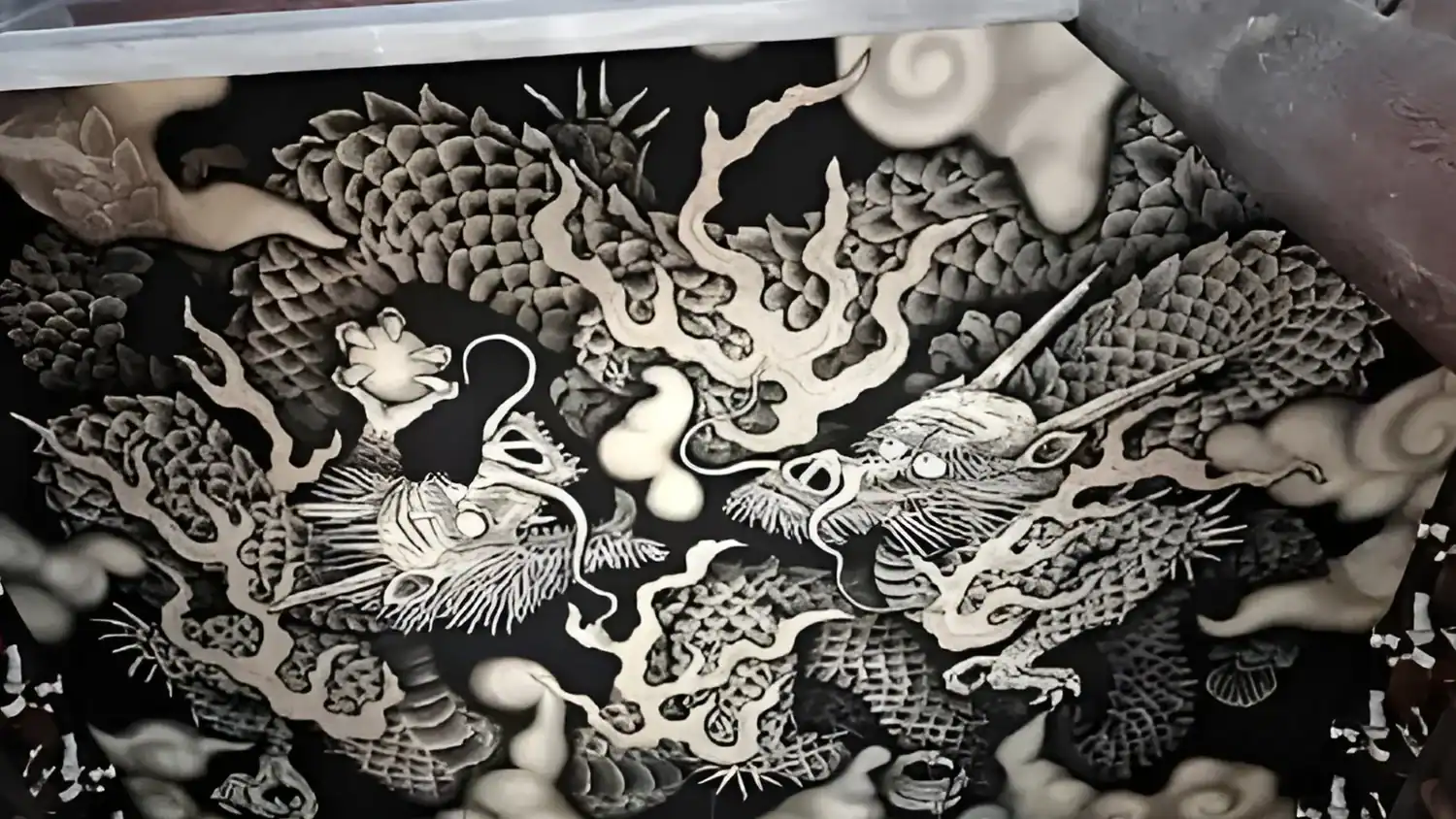
Our first stop was Kennin-ji Temple, one of Kyoto’s oldest Zen temples. What stood out was the silence. After the steady noise of Tokyo, the calm here felt unreal.
We did not go inside during this visit since we had already seen several temples earlier in the trip and wanted to enjoy a simple walk.
If you arrive earlier, it is worth exploring the grounds and stepping inside. The temple closes at around 5:00 p.m. You can see the large dragon ceiling and the clean, precise Zen gardens.
Even from the outside, the place felt grounding. Kyoto makes you slow down as soon as you arrive.
Stop 2: Wandering Gion at Sunset
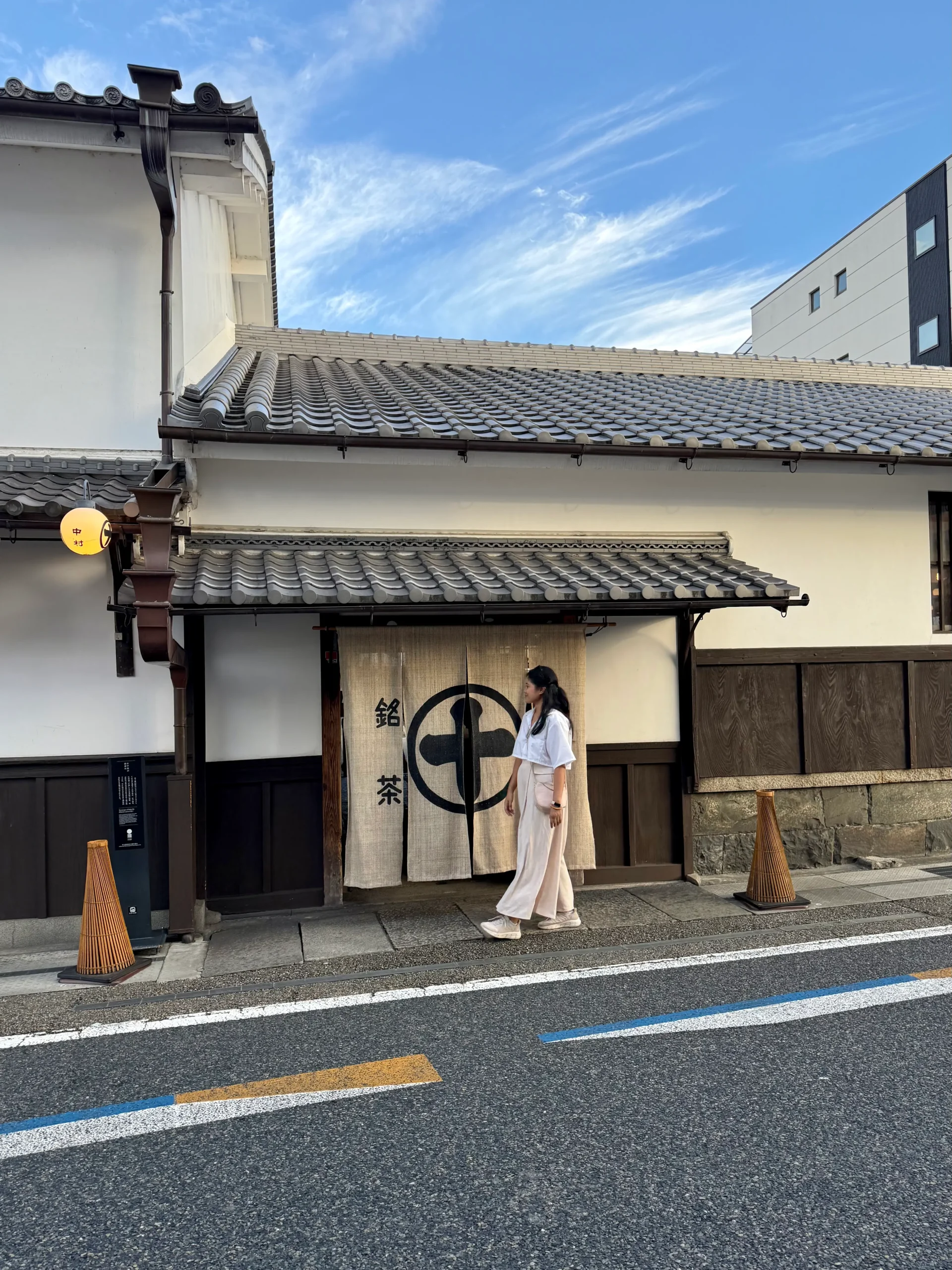
From Kennin-ji, we walked into Gion, Kyoto’s well-known geisha district. It feels alive and timeless at the same time. The narrow streets, lined with wooden houses and teahouses, carry a clear sense of history.
We did not see a geiko during this visit, likely because it was shoulder season, but that was fine. The respectful atmosphere stood out more. Even with tourists around, the area stayed quiet. Signs asked visitors to avoid intrusive photos and private lanes, and people followed them.
We explored a small alley with wooden homes, flower displays, and small shops. I stopped at a traditional incense shop and bought a brass incense holder, a simple reminder of Kyoto’s spiritual feel. The city feels intentional and connected.
We reached Yasaka Pagoda by accident after confusing it with Yasaka Shrine. It became one of the highlights of the day. Lanterns glowed as the sun set and lit the pagoda and nearby temples. We returned after dinner, and the view was even better. Kyoto at night feels calm in a way that stays with you.
Dinner: Kaiseki at Hanasaki Manjiro
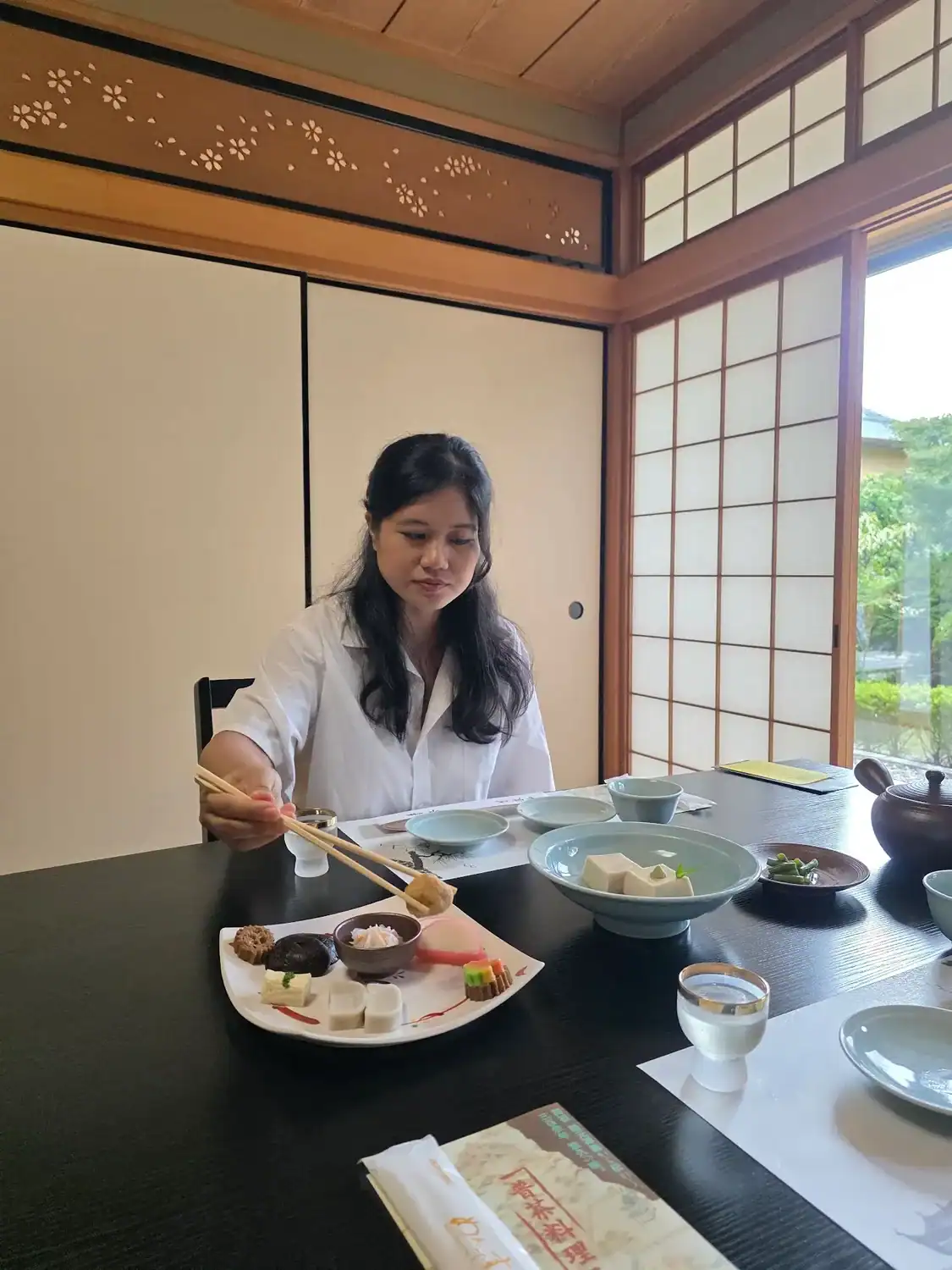
The first day of our 2 Day Kyoto Itinerary ended with a kaiseki dinner at Hanasaki Manjiro.
Kaiseki is a traditional Japanese multi-course meal that feels careful and thoughtful. At Hanasaki Manjiro, the experience started as soon as we walked in. The staff welcomed us in kimonos and guided us to a private dining space that felt calm and intimate.
Across nine courses, each dish arrived with clear balance and seasonal ingredients. The staff explained the story behind each plate, from the ingredients to the method of preparation.
One dish stood out, a fresh shrimp that was so sweet and delicate it changed how I thought shrimp could taste.
It was more than dinner. It was a slow walk through Japanese culture and hospitality. Each course invited us to pause and appreciate. By the end of the night, Kyoto felt like Japan’s spiritual center.
Day 2 in Kyoto – Finding Inner Peace in Uji
Morning: Zazen Experience at Manpuku-ji Temple

The next morning, we left Kyoto for Uji, a quiet town about thirty minutes away known for green tea and old temples. My brother and Meryl joined a matcha harvesting activity. We went straight to Manpuku-ji Temple for Zazen meditation.
A monk welcomed us and gave a short tour of the temple. I learned that Manpuku-ji was founded by a Chinese Zen master whose teachings shaped parts of Japanese culture, including the practice of shared meals. That detail stayed with me.
After the tour, we changed into monks’ robes and entered the meditation hall. The monk explained the basics. Keep your back straight, keep your gaze soft, focus on a point about one meter ahead, count your exhales from one to ten, then repeat. It sounds simple, but holding a still mind takes effort.
We meditated for thirty minutes. The monk said most guests last ten. He asked if we wanted to try the traditional wooden stick tap, a reminder to refocus.
It was not punishment. It was a cue to return to awareness. I accepted. The bow before receiving it felt like its own small ritual.
After meditation, we shared a vegetarian meal prepared by the monks. The dishes were simple, seasonal vegetables, rice, and a peach drink. Everything tasted clear and intentional.
Before we left, the monk gave us a handwritten note in Japanese, a kind gesture I will not forget. It was one of the strongest moments of my Japan trip.
Afternoon: Matcha Heaven in Uji
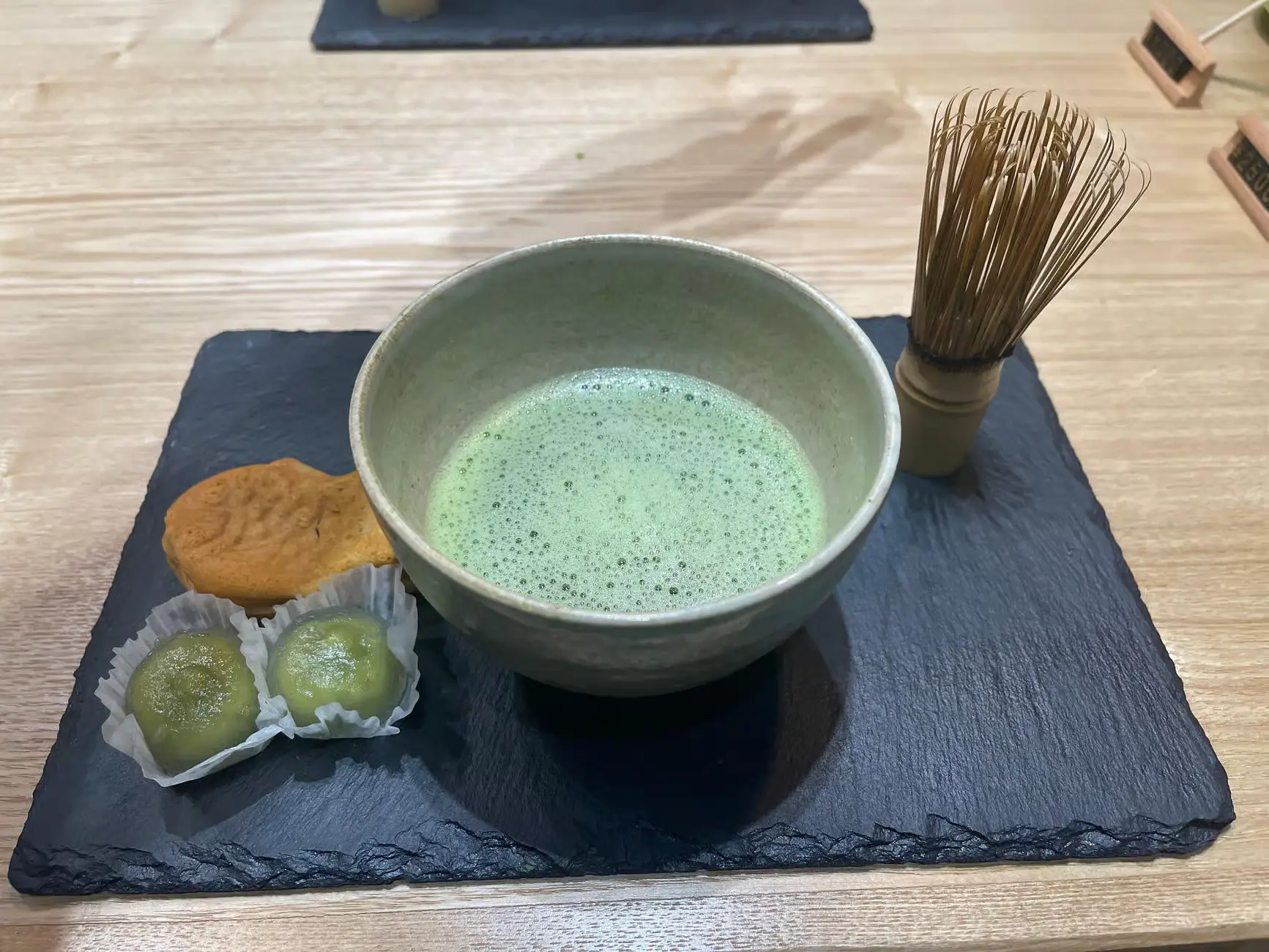
After the temple, we met up again with my brother and Meryl at one of Uji’s famous matcha shops. They’d spent the morning learning how to harvest tea leaves, grind them into powder, and whisk them into a smooth, less-bitter matcha.
For me, as a matcha lover, Uji was heaven. Every corner had something green and fragrant—soft-serve ice cream, mochi, tea sets, even soba noodles infused with matcha.
We tried a bit of everything and visited small local stores where the owners proudly offered tastings. It was such a simple joy, yet one of the most memorable parts of the day.
Evening: From Kyoto to Osaka
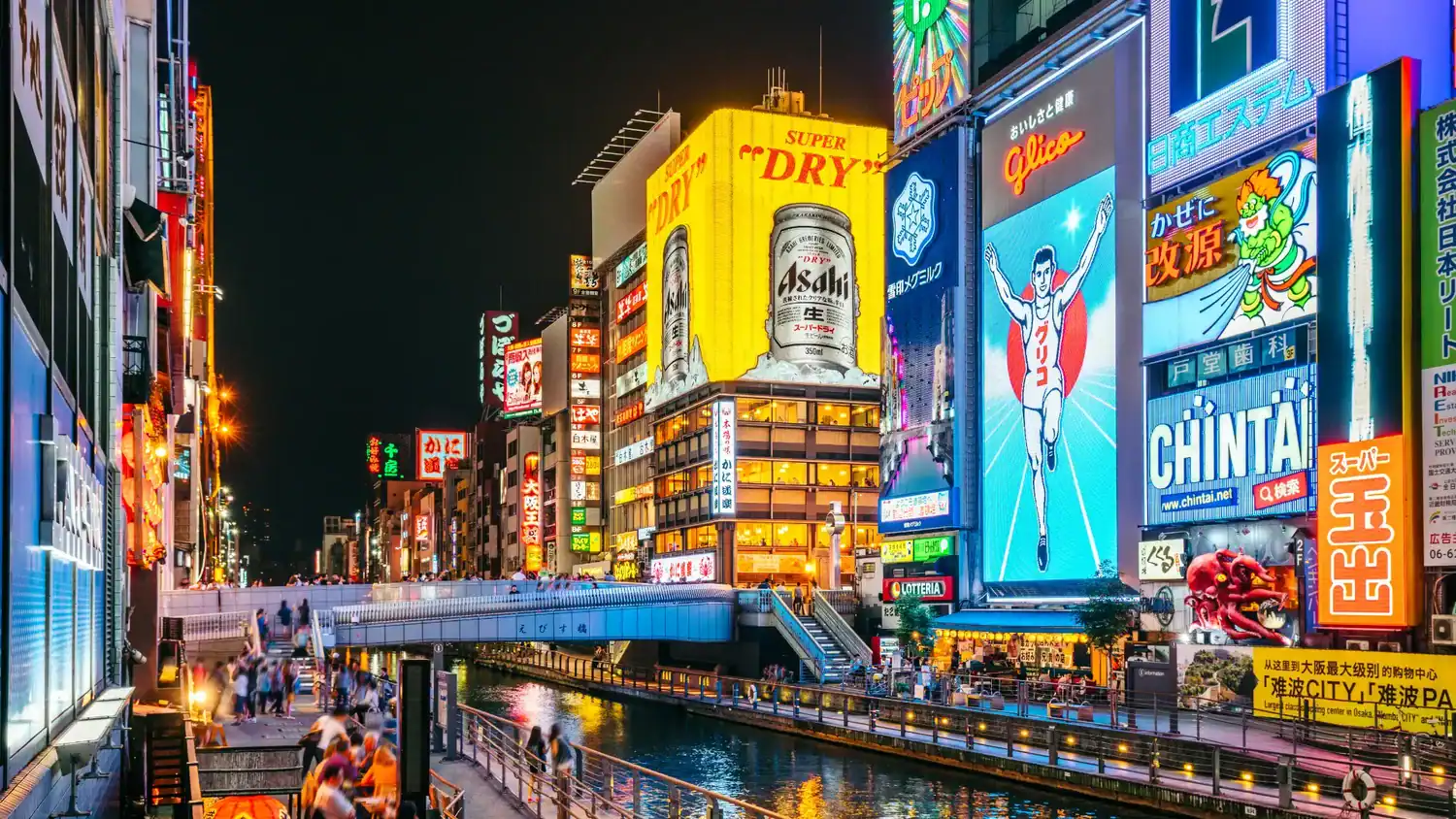
By late afternoon, we wrapped up our two days in Kyoto and Uji and began the drive to Osaka. The sky was starting to soften, and the ride felt like a quiet pause between two very different worlds.
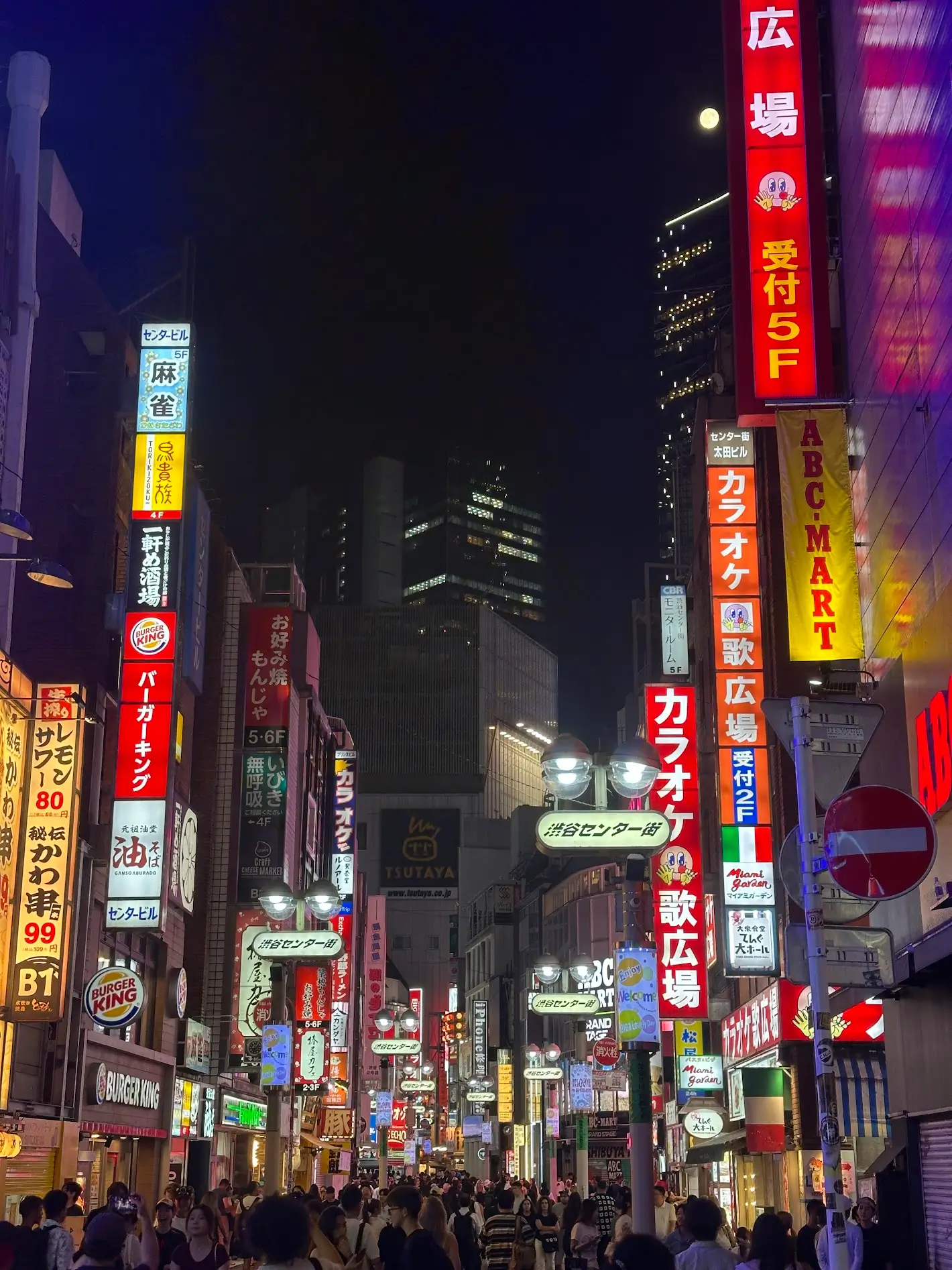
We ended the night with a warm bowl of ramen in Dotonbori, surrounded by bright neon signs and lively streets. The energy was bold and cheerful, a complete yet beautiful contrast to Kyoto’s calm rhythm.
Japan handles these shifts with ease. In just two days, you can sit in a silent temple, walk through tea fields, and then find yourself in the middle of a glowing city at night. Somehow, it all fits together and feels just right.
Practical Tips for This 2 Day Kyoto Itinerary
- Best time to go: Spring (March–April) for cherry blossoms or autumn (October–November) for vibrant fall colors. We went in September—still warm but less crowded.
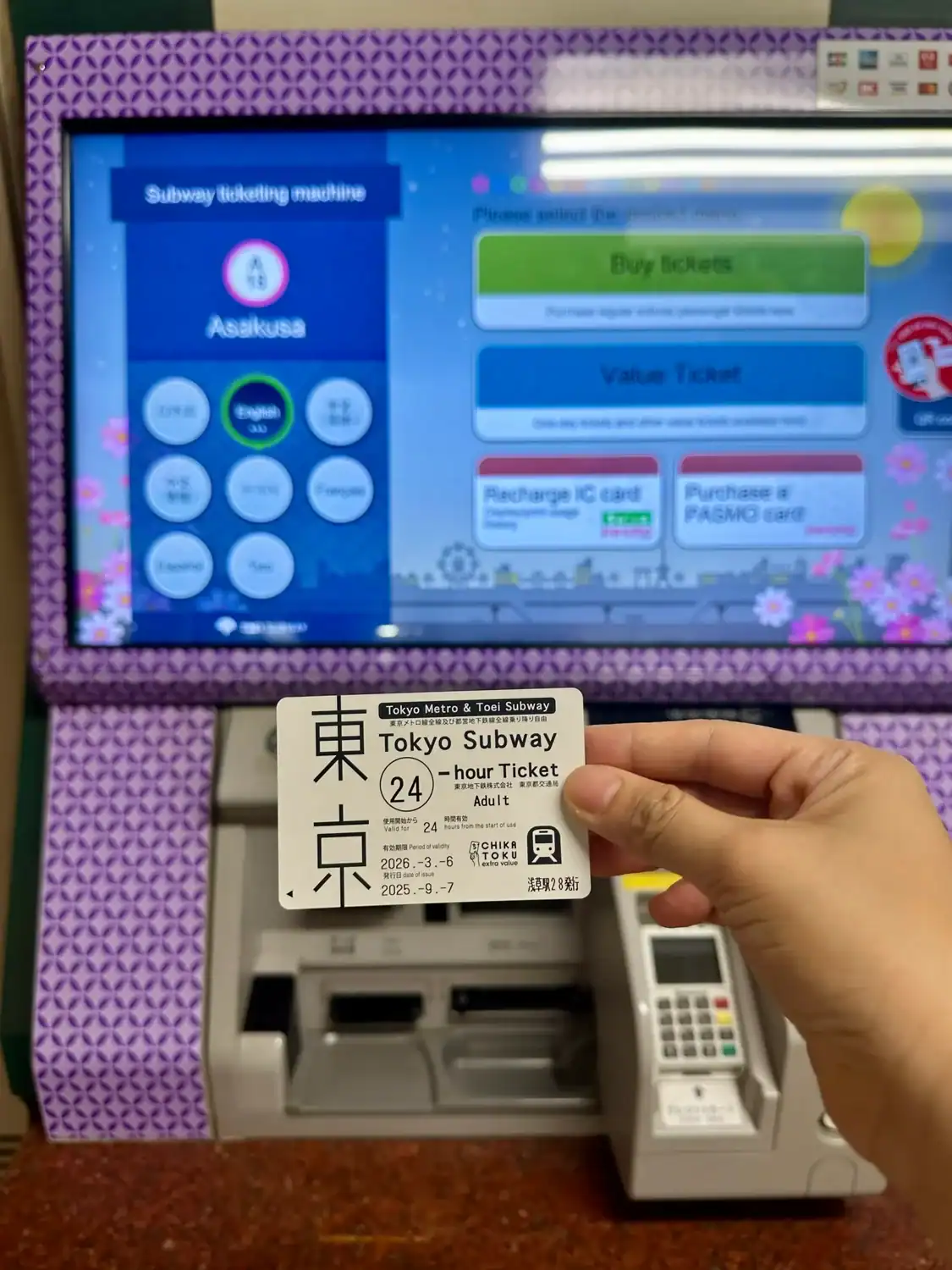
- Getting around: If you are not driving, use Kyoto’s buses or trains. A Suica or Pasmo card works across the city and nearby towns. If you want help choosing the right pass for your trip, you can read my article, [Is the Tokyo Metro Pass Worth It?], for simple tips on getting the most value.
- What to pack: Comfortable shoes, modest clothing for temples, and a small bag for souvenirs (like incense or matcha).
- Etiquette tips: Follow photography rules in places like Gion. Keep your voice soft, walk with care, and bow when greeted. You can read the [Simple Japanese Phrases for Travelers I Actually Used] to help you speak navigate Japan with confidence.
Quick tip: One thing I realized is that I wish we had stayed one more full day in Kyoto just to wander. The city rewards slowness.
FAQs About This 2 Day Kyoto Itinerary
Can I switch the days?
Yes. You can start with Uji if you want to begin with the Zen experience. Check temple hours before you go. This itinerary is flexible!
Can I do this from Osaka?
Yes. Kyoto is about thirty minutes away by train. You can follow this same 2 Day Kyoto Itinerary as two simple day trips.
What if I skip Zen meditation?
You can replace Manpuku ji with Byodo in Temple in Uji. You can also spend more time in matcha cafés or return to Kyoto for Nishiki Market.
Do I need reservations for the kaiseki dinner?
Yes. Kaiseki restaurants like Hanasaki Manjiro require advance booking. Many accept reservations in English through sites like Gurunavi or by email.
This 2 Day Kyoto Itinerary Made Us Want to Stay Forever
Two days in Kyoto may sound short, but it was enough for us to feel a genuine connection to Japan. Early walks through Gion felt calm and close. The kaiseki dinner showed the level of care in every dish. Meditating with monks slowed our thoughts in a way we did not expect.
Tasting matcha in the place where it began gave us a deeper sense of the traditions that shape daily life here. Each moment felt personal, simple, and full of meaning.
If you plan your own trip, remember that Kyoto moves at a slower pace. You notice more when you give yourself time to breathe and look around. The best experiences come when you let the city lead you.
One cup of tea and one quiet corner that makes you stop. Kyoto reveals itself in these small moments, and they stay with you long after you leave.
If you want to explore Kyoto on a deeper level and move beyond the usual sights, you can look into places and experiences that many visitors skip. You can check my guide on [15 Non-Touristy Things to Do in Kyoto for an Authentic Experience] for ideas that add more calm, culture, and everyday life to your trip.
Read More About Japan
- I Tried the Best Sushi Making Class in Tokyo
- The Best eSIM for Japan That Actually Worked for Me
- 10 Best Day Trips from Tokyo (That Are Actually Worth It)
- Is the Tokyo Metro Pass Worth It?
- 15 Best Kawaguchiko Hotels with Mt. Fuji Views
- 14 Of The Best Cooking Classes In Tokyo For Tourists
- 14 Cooking Classes in Kyoto You’ll Love
- 10 Fun and Authentic Cooking Classes in Osaka
- 15 Non-Touristy Things to Do in Kyoto for an Authentic Experience
- Do I Need Travel Insurance for Japan?
- The 2 Day Tokyo Itinerary You Won’t Feel Rushed
- Japan Road Trip Itinerary: Epic 8-Day Route Guide
- Simple Japanese Phrases for Travelers I Actually Used
- How to Plan the Perfect Mt. Fuji Itinerary