
9 Best Day Trips from Tokyo (All Within 2 Hours)

Tokyo might be your first stop in Japan, but it doesn’t have to be your only one.
Like most travelers, I flew to Tokyo because I found a cheap flight, the trains are well connected, and I could easily get by with English.
And even if I’m not usually a city person, I did enjoy my time in Tokyo.
But I also know, after visiting Japan twice, that it was the smaller places, like Kawaguchiko, that gave me a real sense of the country.
So if you’re staying more than three days, don’t spend all of them in Tokyo.
I didn’t do all nine of these as literal day trips. I stayed longer in some. Based on my two visits to Japan and 13 years of traveling, I created this list of the best day trips from Tokyo to help you find the right one for you.
For each trip, I’ll tell you who it’s for, whether to go on your own or book a tour, when to go, and when to skip it. By the end, you’ll know which one to take.
This post contains affiliate links. If you book through them, I may earn a small commission — at no extra cost to you. I appreciate your support! Read our full disclosure.
Short answerShort on time? Go to Kawaguchiko if the forecast is clear, Kamakura if it’s cloudy, or Kawagoe if you’re tired. But if you want to know how I came up with that, keep reading. It’s a sweet preview of what you’ll experience.
Consider travel insurance I use SafetyWing for all of my trips because it covers medical emergencies up to $250,000 plus evacuation, and you can sign up even after you’ve already left home.
Where to stay Where you stay in Tokyo will decide whether you have an easy day or a tiring one. I’d recommend Shinjuku or Asakusa, so you’re well connected with the train system. My guide on where to stay in Tokyo breaks down each neighborhood.
DIY or a tour? You can easily DIY Yokohama, Kawagoe, Kamakura, and Enoshima: they all use direct trains. I’d recommend a tour for Kawaguchiko and Nikko unless you’re renting a car. Both involve rural buses with thin schedules, and one missed connection can eat two hours of your day. Learn a few simple Japanese phrases too, because outside Tokyo, most locals only speak a little English. For Hakone, get the Free Pass: a well-marked loop you can absolutely do alone, or do as a tour.
Mount Fuji & Kawaguchiko
~2 hours by highway bus · ~¥4,400 round trip · Tour, or stay a night
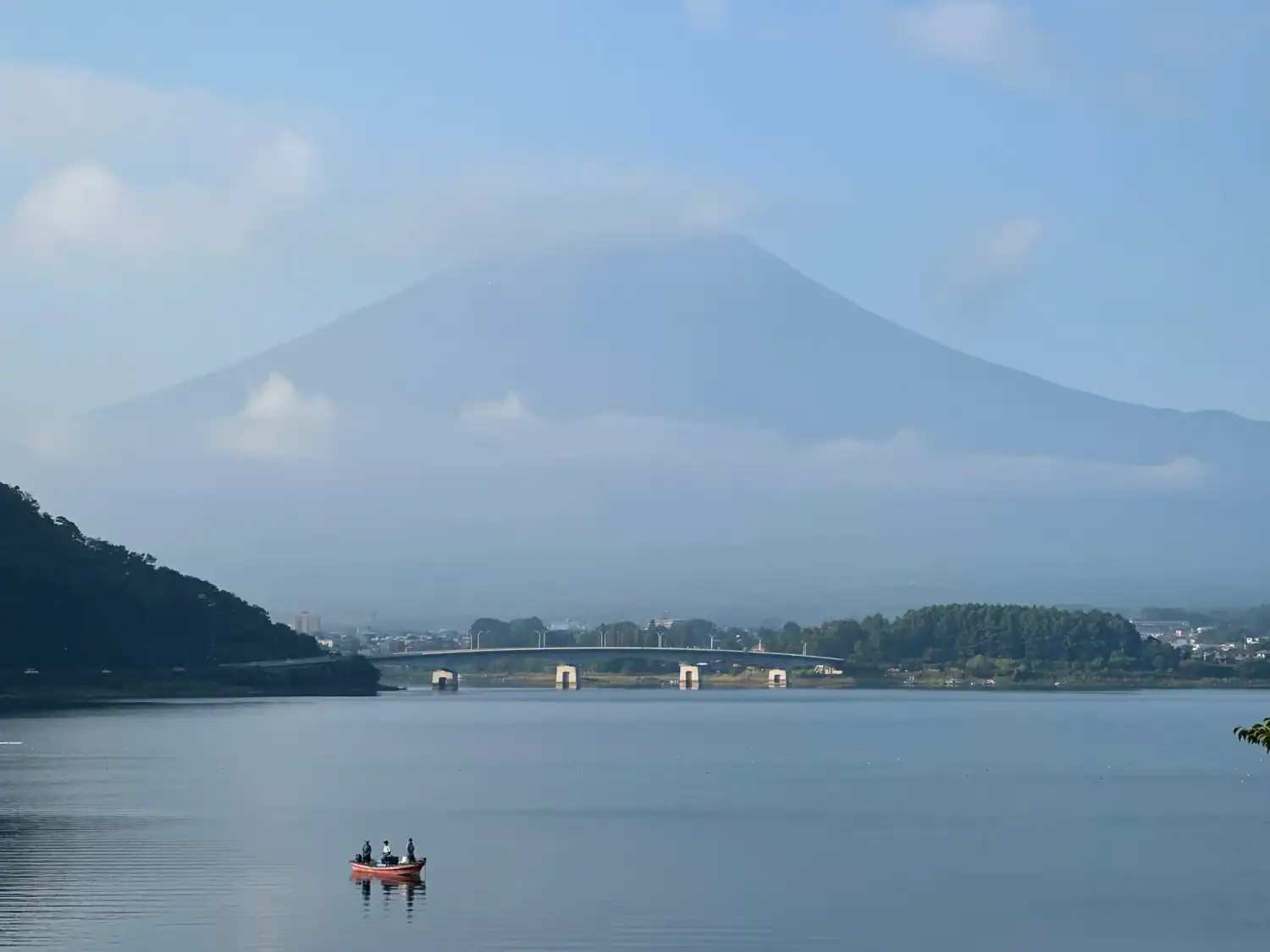
If I could only take one day trip from Tokyo, it would be Kawaguchiko, the lake town beneath Mount Fuji.
Fuji is famous for being shy. It’s not as easy to spot as social media makes it look. On our visit, we missed it the whole day. It only decided to show up after we had our 7-Eleven snacks.
We started where most people do, at Chureito Pagoda in Arakurayama Sengen Park. The 398 steps aren’t easy, but the forest on the way up made the climb so meditative that I enjoyed it more than the pagoda itself. At the top, we waited an hour for Fuji to show up, saw only the peak, and gave up.
The good thing is we had already booked a stay at a traditional ryokan on Lake Kawaguchiko. As I said, Fuji only showed up after the 7-Eleven snacks, on the way to the ryokan. But that was just the start. From sunset until the next morning, Mt. Fuji was in full view. If seeing it is important to you, stay at least one night in any of these Kawaguchiko hotels with a Mt. Fuji view.
Getting there Highway buses from Shinjuku or Shibuya, ~¥4,400 round trip (¥2,000–2,200 each way, slightly cheaper online).
But if you can only do it as a day trip, both of these include round-trip transport plus Oshino Hakkai, Chureito Pagoda, Lake Kawaguchi, and yes, the famous Lawson at Kawaguchiko Station.
Book ahead: small-group Fuji day tour with hotel pick-up. To stay near the lake: Wakamizusou (8.8 on Booking.com) or Station Inn (8.8).
Nikko
~2 hours by limited express · ~¥6,100 round trip · Tour recommended
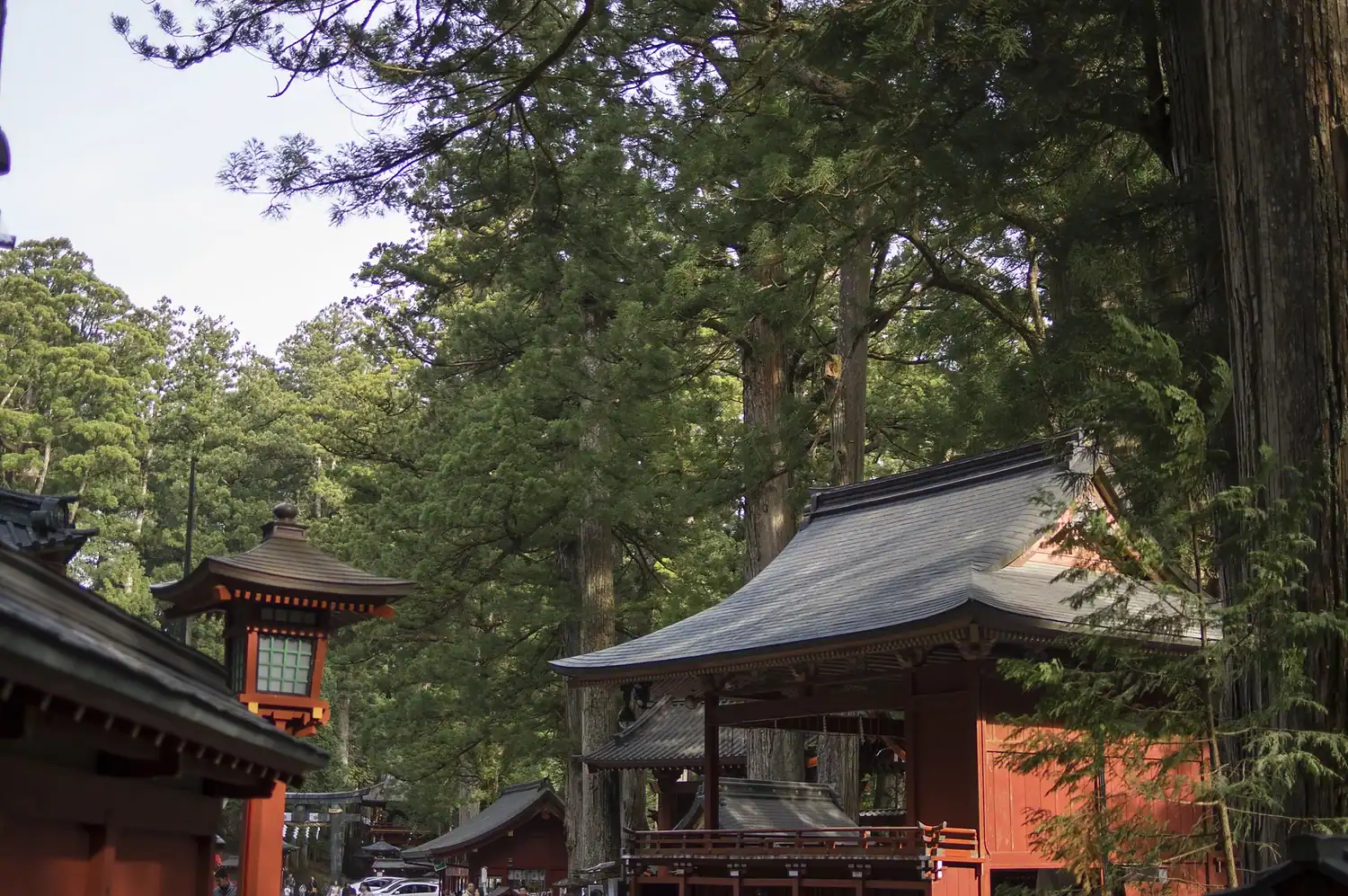
Two hours north of Tokyo, Nikko feels like a different Japan. Misty forests, ancient cedars, and some of the most intricate shrine craftsmanship in the country.
If you can, arrive before 9 a.m., and start at Lake Chuzenji. Enjoy a slow morning at the lake, surrounded by fresh mountain air. If you’re arriving later than that, do Toshogu Shrine first and save the lake for the late afternoon.
Toshogu is the ornate resting place of shogun Tokugawa Ieyasu. The famous “see no evil, hear no evil, speak no evil” carving isn’t just a photo stop. The monkeys are shown as children, a Buddhist wish that the young avoid evil by not seeing, hearing, or speaking it.
Most people also visit Kegon Falls, a 100-meter drop framed by fiery maples in autumn. It’s stunning. It’s also crowded. I’d only recommend it if you can go on a weekday and catch the 6 a.m. bus. Otherwise, skip the falls and sit by the lake instead.
Getting there Tobu Railway from Asakusa, ~¥6,100 round trip on the limited express, or ~¥2,800 on local trains. The ¥2,000 Nikko Pass World Heritage covers the local-train round trip plus the shrine-area buses.
Pro Tip Restaurants in Nikko close early, often by 5 p.m., and the bus schedules are limited. Pack snacks and check times before you go.
If you’d rather not juggle connections, both of these cover Toshogu, Kegon Falls, and Lake Chuzenji.
Book ahead: Nikko day tour from Tokyo. To stay overnight: Turtle Inn Nikko (9.0 on Booking.com) or Annex Turtle (9.0).
Kamakura
~1 hour by train · ¥1,640 with the Freepass · Easy DIY

Kamakura is only an hour from Tokyo, but with temples on one side and a vast ocean on the other, it feels much farther. There’s a reason Tokyo locals escape here on weekends.
The Great Buddha at Kotoku-in Temple is often the highlight of a day trip to Kamakura. A 13th-century bronze that sits in the open air rather than inside a hall, which is rare in Japan.
Nearby, Hase-dera Temple has hillside paths lined with hydrangeas and views over the coast. If you visit in early summer, you’ll find the paths bursting into color.
Walk down to Yuigahama Beach and watch the surfers before sunset. Oh, and don’t forget to end your day at Kamakura Sukiyaki & Shabu-shabu Sasho. It’s the best way to capture small-town Japan in a single meal.
Getting there JR Yokosuka Line from Tokyo Station, ~¥1,900 round trip. Or get the Enoshima-Kamakura Freepass (¥1,640 from Shinjuku), which covers the round trip plus unlimited local trains.
This is a DIY trip. If you’d rather have a local tell you the tales behind the temples, this walking tour with a local connects Kamakura’s temples with Enoshima Island. Yes, you can do both in one day trip.
Hakone
~2 hours by Romancecar · ¥7,100 Free Pass · Either works
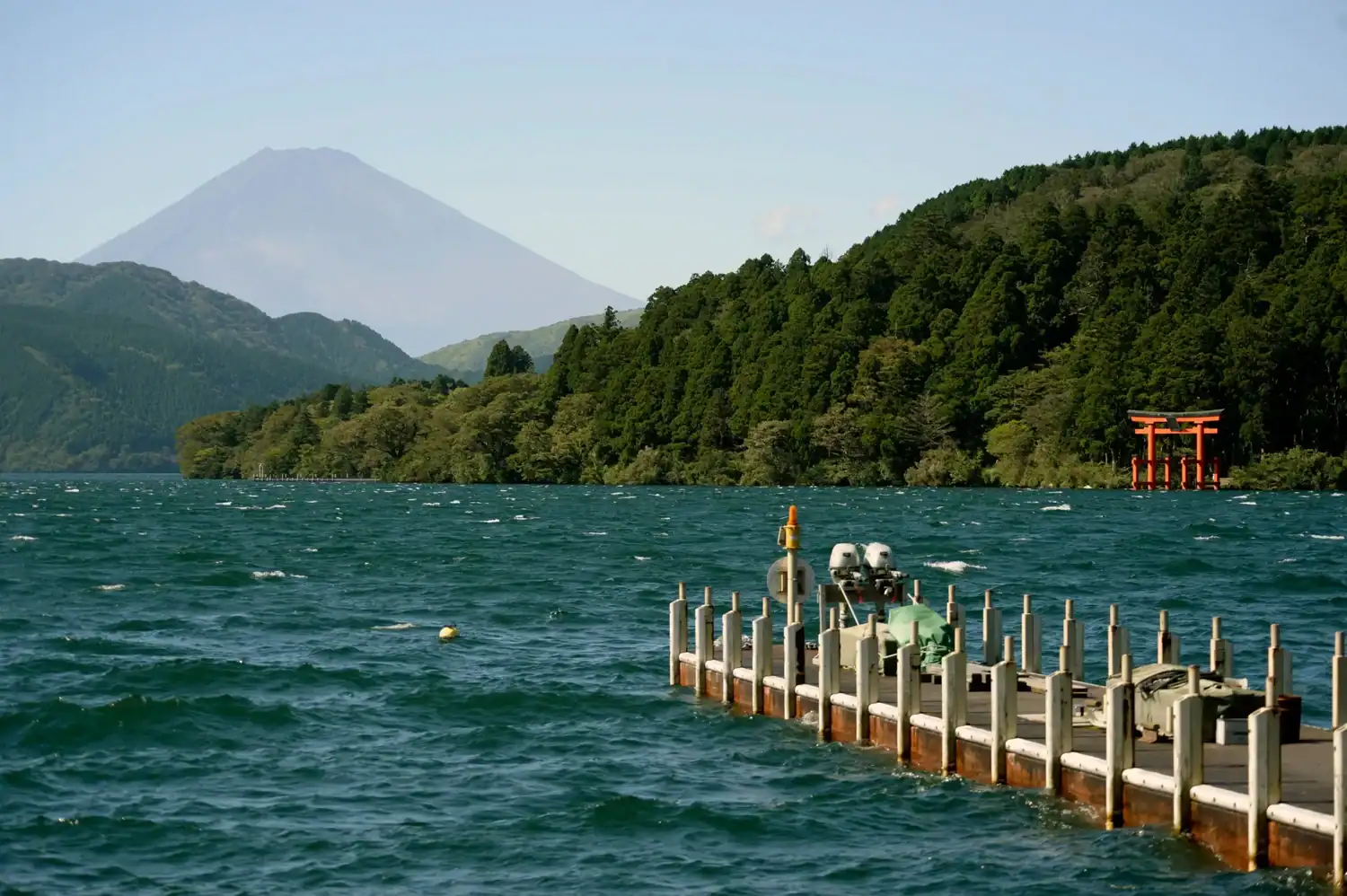
If you’d rather soak in onsen or art, with a chance of spotting Mt. Fuji, Hakone is the perfect day trip for you.
Hakone Open-Air Museum is one of Japan’s most inspiring art spaces. The sculptures are set against forested hills, and they seem to breathe with the landscape. The glass-encased Picasso Pavilion also has quite an exceptional exhibition.
Then, for the highlight, ride the Hakone Ropeway over Owakudani Valley and watch the volcanic steam drift from the earth. On clear days, you can catch a glimpse of Fuji in the distance.
You can also stop in Gora for lunch and experience a traditional onsen surrounded by fresh mountain air. Or take the short cruise across Lake Ashi and enjoy its stunning, reflective views of Mount Fuji.
That’s the thing about Hakone: it has so much to offer. Just make sure you don’t try to do it all. Leave time to relax and slow down, which, in my opinion, is the whole point of this day trip.
Getting there Odakyu Romancecar from Shinjuku to Hakone-Yumoto with the Hakone Free Pass (¥7,100, includes the round trip; add ¥1,200 each way for the Romancecar upgrade).
DIY or tour? The Hakone Free Pass makes the loop very doable alone. But if you’d rather have it all arranged, I found this private day trip that covers transport, Lake Ashi, an onsen, and the Hakone museum, and you can tailor the whole experience.
To stay overnight: Tsukinoya (9.5 on Booking.com) or Mount View (9.0).
Yokohama
~30 minutes by train · ~¥980 round trip · Easiest DIY
Yokohama is the trip on this list I know least firsthand, so I’ll keep this practical rather than pretend otherwise.
I still added it because it’s 30 minutes away, needs almost zero planning, and delivers a genuinely different mood from Tokyo. When you’re overstimulated but not ready to commit to a full excursion, this is the day trip for you.
Start in Minato Mirai, the promenade around the harbor with the famous ferris wheel that lights up at dusk. From there, walk to the Cup Noodles Museum. Here, you design your own cup, watch it be sealed in front of you, and let the nostalgia hit.
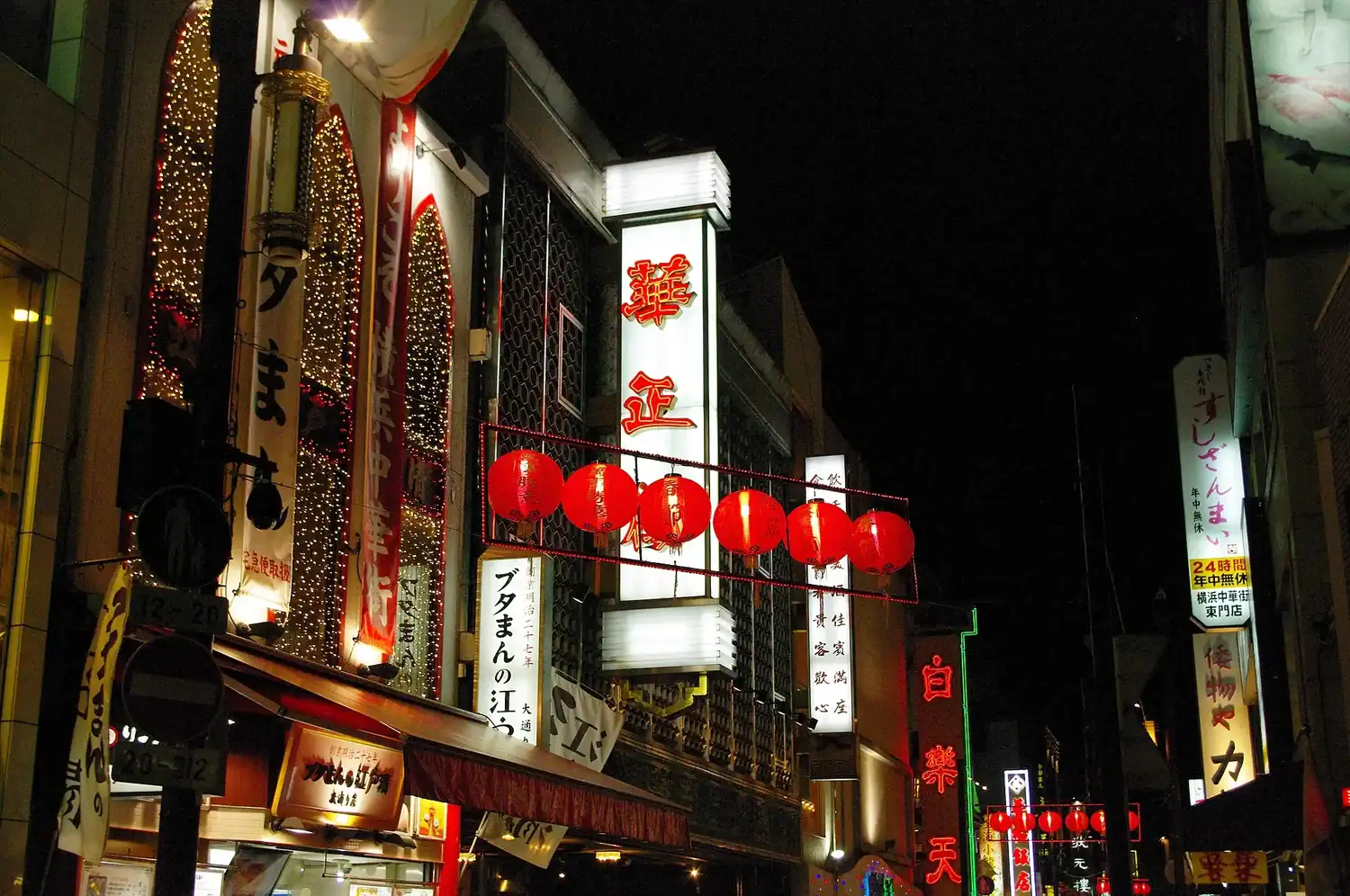
Then wander into Yokohama Chinatown, the largest in Japan. Go around 4 to 5 p.m., early enough to beat dinner crowds, late enough to catch the lanterns lighting up.
Getting there JR Tokaido or Keihin-Tohoku Line from Tokyo Station, ~¥980 round trip.
This is the easiest DIY trip in this guide. If you want local context, this Chinatown food experience with a local is the one add-on worth considering.
Kawagoe
~1 hour by train · ~¥980 round trip · Easy DIY
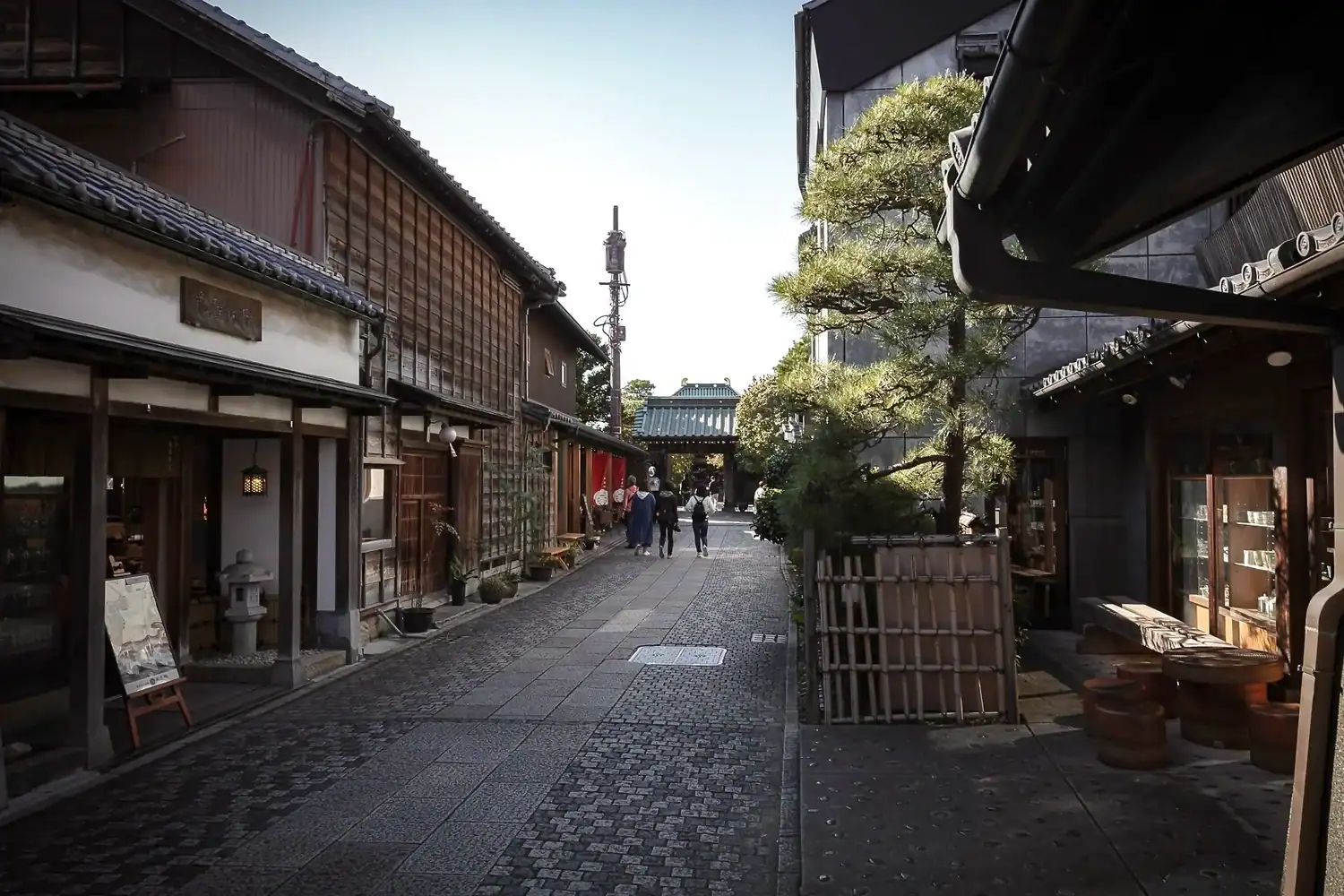
If you’re craving a glimpse of old Japan without the long ride to Kyoto, Kawagoe is the answer.
An hour from Tokyo, this small walkable town kept its Edo-period wooden merchant houses, clay-walled warehouses, and the Toki no Kane bell tower that still rings across the streets every day.
If you can come before 10 a.m., it will feel like stepping back in time. Most shops open around 10, so in those early hours you’ll get empty streets and sweet potato snacks fresh from the oven.
Speaking of food, head to Kashiya Yokocho (Candy Alley) and try the sweet potato. Have it as a cake, chips, or ice cream.
Getting there Tobu Tojo Line from Ikebukuro, ~¥980 round trip, or the JR Kawagoe Line from Shinjuku.
Easy DIY. But if I were to do it with a tour, I’d do the 3-hour Kawagoe walking tour. The local guide walks you through the preserved streets and shares the legends behind the “Little Edo” nickname, which is exactly the depth you can’t get alone.
Enoshima
~1 hour by train · ~¥1,300 round trip · DIY, or pair with Kamakura
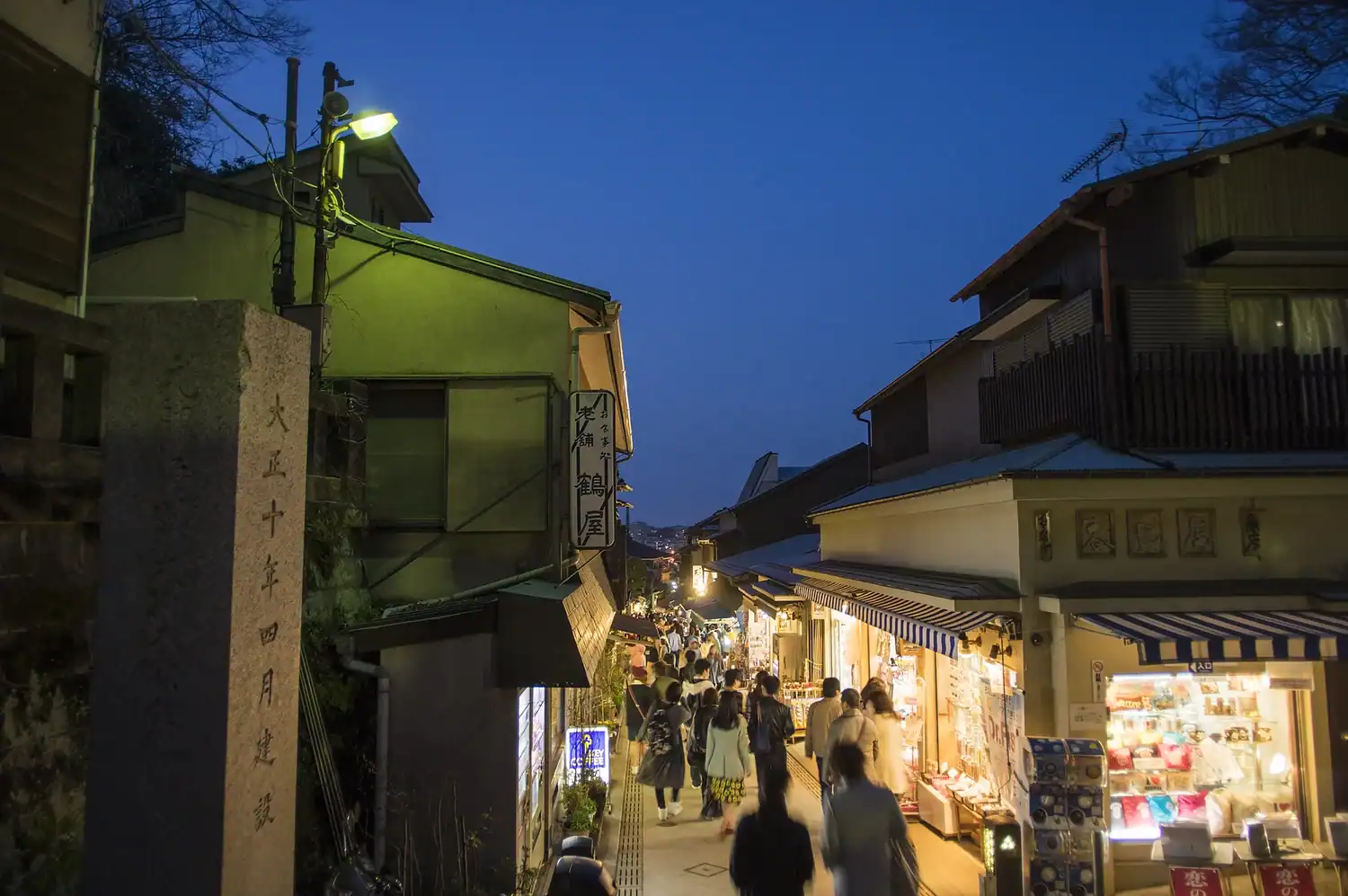
Enoshima is one of the most beautiful places you could visit near Tokyo. A small island where you can hear the crash of waves and smell grilled seafood drifting from narrow seaside lanes.
Take part in the tradition at Enoshima Shrine, dedicated to the goddess of the sea. Here, locals still stop to clap and bow before crossing the bridge. Continue toward the western cliffs and down into the Iwaya Caves (¥500), and listen to how the tide echoes through the tunnels. It feels completely otherworldly.
By sunset, head to the island’s western side and look out over Sagami Bay. On clear days, you can even see Mount Fuji in the distance.
Getting there Odakyu Line from Shinjuku to Katase-Enoshima, ~¥1,300 round trip. The ¥1,640 Enoshima-Kamakura Freepass adds unlimited Enoden rides.
Fair warning There are a lot of steps on this day trip, and you’ll climb them again on the way back. Wear comfortable shoes and bring water. And yes, the views earn every step.
As I mentioned, you can easily combine Enoshima with Kamakura. This Kamakura & Enoshima day tour from Tokyo includes round-trip transport and a guided tour of both.
Chichibu
~2 hours by local train · ~¥1,600 round trip · DIY
If you’re visiting in mid-April to early May and December, Chichibu might be the best day trip from Tokyo.
In spring, Hitsujiyama Park blooms in waves of pink and white moss phlox, and every December, the Chichibu Night Festival fills the streets with lantern floats, taiko drums, and festival chants.
It’s one of Japan’s top three float festivals, celebrated for over 300 years, and one of the reasons I think Japan’s traditional festivals are worth planning a trip around.
The food is its own reason to come: miso potatoes, crispy and sweet-savory, and waraji katsu, a giant pork cutlet shaped like a straw sandal. Both taste better after wandering Chichibu Shrine or resting by the river.
Next time I visit, I plan to do a hike to Mitsumine Shrine. It has the most scenic trails to one of Japan’s most spiritual mountain shrines.
Getting there Seibu Line from Ikebukuro to Seibu-Chichibu, ~¥1,600 round trip on local trains, or ~¥3,400 on the Laview limited express (80 minutes, all reserved seats).
I haven’t done the Mitsumine hike yet, but if you’d rather go with a guide, this is the one I’d book.
Karuizawa
~1 hour by Shinkansen · ~¥11,000 round trip · DIY
Once a summer retreat for Tokyo’s elite, Karuizawa is still one of Japan’s most refined yet accessible mountain escapes.
The best way to explore Karuizawa is by bike. Get lost between forest paths and cafes. Stop at Kumoba Pond and watch autumn leaves ripple across the mirrored water. It’s one of those scenes that makes you pause and enjoy the beauty of being alive.
Then stroll along Karuizawa Church Street for charming bakeries, coffee shops, and local craft stores. Or head to Karuizawa Prince Shopping Plaza for outlet shopping framed by mountain views.
In winter, the town transforms into a quiet snow retreat. Enjoy the ski slopes and warm cafés. It’s the kind of place where you can sip hot cocoa by a frosted window and forget Tokyo is just an hour away.
Getting there Hokuriku Shinkansen from Tokyo Station, ~¥11,000 round trip (¥5,490 each way, unreserved).
I haven’t taken this one myself, but if you’d rather skip the planning, this private full-day Karuizawa tour offers a stress-free way to experience the town, with all the insider stories of this storybook place.
What about Kyoto?
Kyoto as a day trip from Tokyo is possible, but I don’t recommend it unless you have a JR Pass or genuinely no other way to see it. You’ll spend over ¥26,000 and four hours on trains for maybe six hours in a city where slowing down is the whole point.
However, if you really want to do this, catch the earliest Shinkansen from Tokyo, return late, and let this full-day tour handle the navigation so you can spend your six hours being in Kyoto instead of finding it.
And if you can stay longer (please do), stay for at least two days in Kyoto.
So, which day trip should you take?
If you’re coming in winter, I’d go for Mount Fuji, either in Kawaguchiko or Hakone. For spring, if you’re visiting late April to early May, you can catch Chichibu’s shibazakura or the cherry blossoms around Kawaguchiko.
For summer, go to Enoshima’s beaches or Karuizawa’s cool forest. And for autumn, Nikko, where Kegon Falls is framed by fiery maples, or again Hakone and Kawaguchiko in full autumn color. I go deeper on timing in my guide to the best and worst times to visit Japan.
The way I’d go Kawaguchiko if the forecast is clear. If it’s cloudy, Kamakura. And if you’re simply exhausted from Tokyo and want an easy one, Kawagoe.
Don’t overcomplicate it. Any of these makes a great day trip from Tokyo as long as you’re present in it. So go ahead, choose one, and book that tour or train ticket.
Before you head out
Stay connected An eSIM will make your day trip much easier, especially if you’re doing it on your own. Here’s the best eSIM for Japan, based on our own trips. I use Airalo: code GLADIS15 gets you 15% off your first eSIM, and GLADIS10 gets existing users 10% off.
Let me know which one you chose, and I’d love to hear how it went.
KEEP PLANNING
Plan your whole Japan trip like this
Liked how I curated the day trips? My Japan guides work the same way: slowly, honestly, and from two trips’ worth of mistakes.
