The 2 Day Tokyo Itinerary You Won’t Feel Rushed

You only have 48 hours in Tokyo, and you’re wondering if this will be enough to enjoy the beautiful spots in Japan? No worries, I got you.
I know this might sound short, but believe me when I say it’s actually more than enough to experience the city’s essentials without feeling burnt out or rushed.
This two-day Tokyo itinerary is based on real travel, not guesswork. Every stop works for timing, flow, and enjoyment. You avoid zigzag routes and long lines. You follow a path that matches the natural pace of the city.
You explore top food spots, from ramen counters to sushi alleys. You see major views from Shibuya to the Skytree. You walk through older neighborhoods that still feel local and find quiet corners behind busy streets.
This plan stays simple, fun, and stress-free. It is built for anyone planning a 2 day Tokyo itinerary and wanting a clear way to enjoy the city.
If you have extra time, check the Japan 8 Day Itinerary for a route that links Tokyo with Kyoto and Osaka.
This post contains affiliate links. If you book through them, I may earn a small commission — at no extra cost to you. I appreciate your support! Read our full disclosure.

Quick Tips Before You Start Your 2 Day Tokyo Adventure
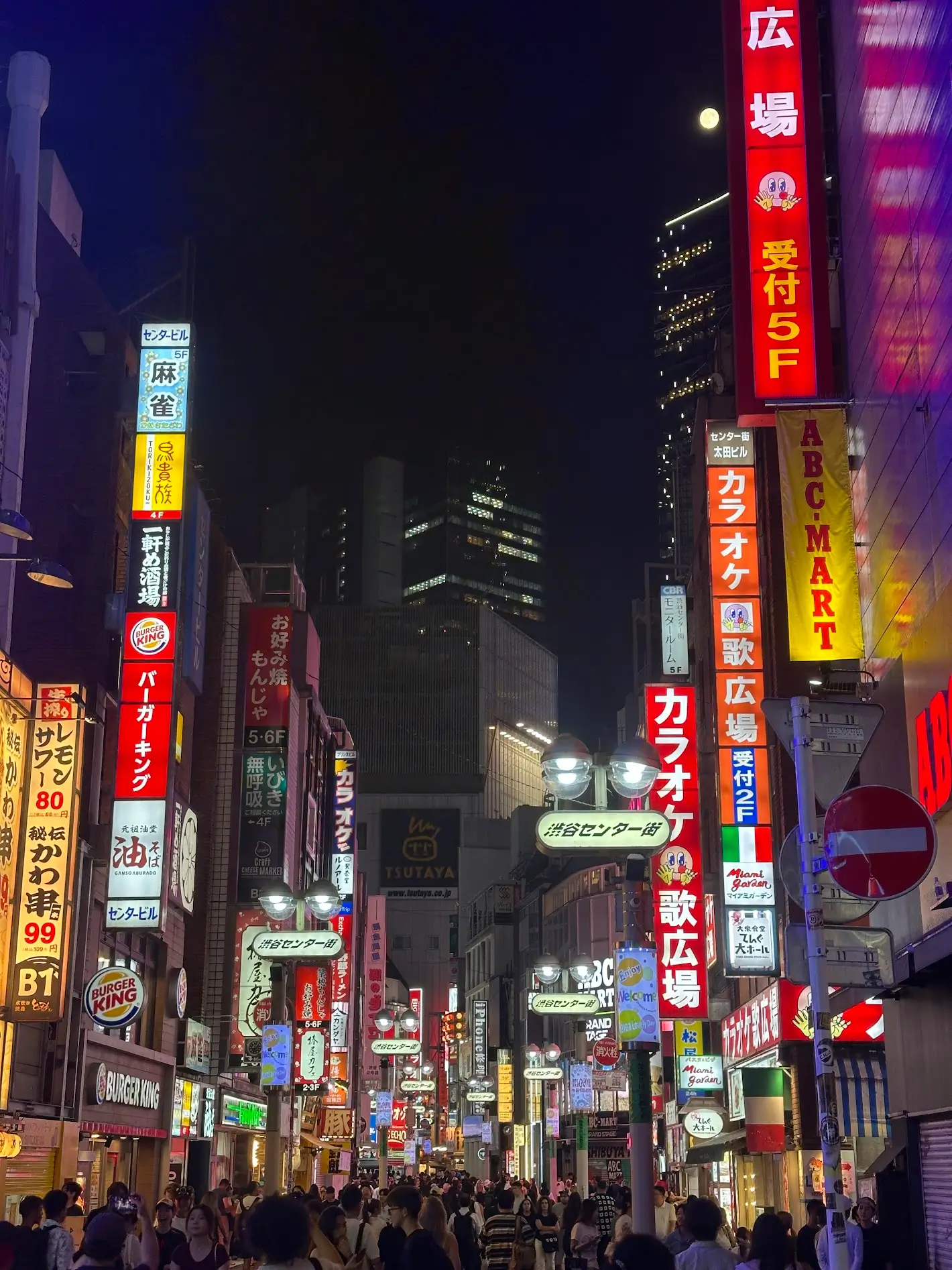
Where to Stay?
There are many places to stay in Tokyo, but as a pro tip, you should book your accommodation near Shinjuku, Shibuya, or Tokyo Station for quick train links. With the limited time you have, it is best to stay in areas where you can access everything easily.
You can check out Smile Hotel Nihonbashi Mitsukoshimae or 9h nine hours Ningyocho. Both are near Tokyo Station. These areas give you food options, shops, and easy transfers.
You can also check other hotels near Tokyo through Agoda. It saves you time and money because most hotels are priced lower, plus they are connected to key spots.
Enjoy 5 percent off when you use the code “GLADISAGODA” when booking your hotel through Agoda.
Airport Arrival at Narita
Once you land at the airport, you have a few options to reach your hotel.
• The Narita Express takes you to Tokyo Station and Shinjuku. It has clear signs and roomy seats.
• The Keisei Skyliner takes you to Ueno and Nippori. It works well if you plan to stay on the northeast side of the city.
Suica or IC card
One of the most convenient ways to travel around Japan is by train because the system works very efficiently.
You might want to get a Suica or Pasmo card. It is a rechargeable travel card that you use to tap in and out of trains and buses.
It keeps your trips quick and easy because you do not need to buy single tickets. You can load it at any station. You can also use it in convenience stores and some vending machines.
If you want to compare this with the Tokyo Metro Pass and see which one fits your plans, you can read Is the Tokyo Metro Pass Worth It?
How to Prepare Offline
• Download Google Maps offline so you can navigate without service.
• Save translations for key phrases like directions, food terms, and emergency help.
• Keep screenshots of your hotel details, train passes, and reservation codes.
• Add a notes list with your must-see spots so you can check them anytime.
If you prefer to stay connected the whole time, you can use Airalo for unlimited data. I use it for my trips and it works well. You can check out this eSIM here.
Travel Insurance Reminder
You should get travel insurance that covers medical needs, flight delays, and lost items. Keep a digital copy of your policy and contact details on your phone so you can handle issues quickly while you travel.
I use SafetyWing for my trips, and it works well for short travel because it gives the essential coverage you need.
Day 1 – Culture, Food, and Iconic Views
You start your trip at a steady pace. You get a mix of temples, food, and skyline views without feeling rushed.
Arrival
One of your fastest options to be able to arrive at central Tokyo is through the Narita Express or the Keisei Skyliner. Both are direct and comfortable.
The ride gives you a first look at the outskirts of the city as the train moves from quiet fields into dense neighborhoods. Get off in Shinjuku, walk to your hotel, leave your bags, and step back out once you feel ready.
Asakusa
Head to Sensoji Temple. The large red gate comes into view before you reach it, and the crowds move slowly toward the incense burner in the center.
The air smells faintly sweet from the smoke. Inside the main hall, you see visitors tossing coins and offering quick prayers.
Walk a few minutes to Asakusa Jinja. It feels calmer, and you can pause here before heading toward Nakamise Street. The stalls sell small snacks like senbei crackers and sweet buns.
If hunger hits early, Ichiran Asakusa is close. You sit in a small booth, choose your broth strength, and get your bowl within minutes.
Sushi Class
This is one of the most memorable classes you will experience. It combines food and art. You also see how years of practice appear in the skill behind one simple dish.
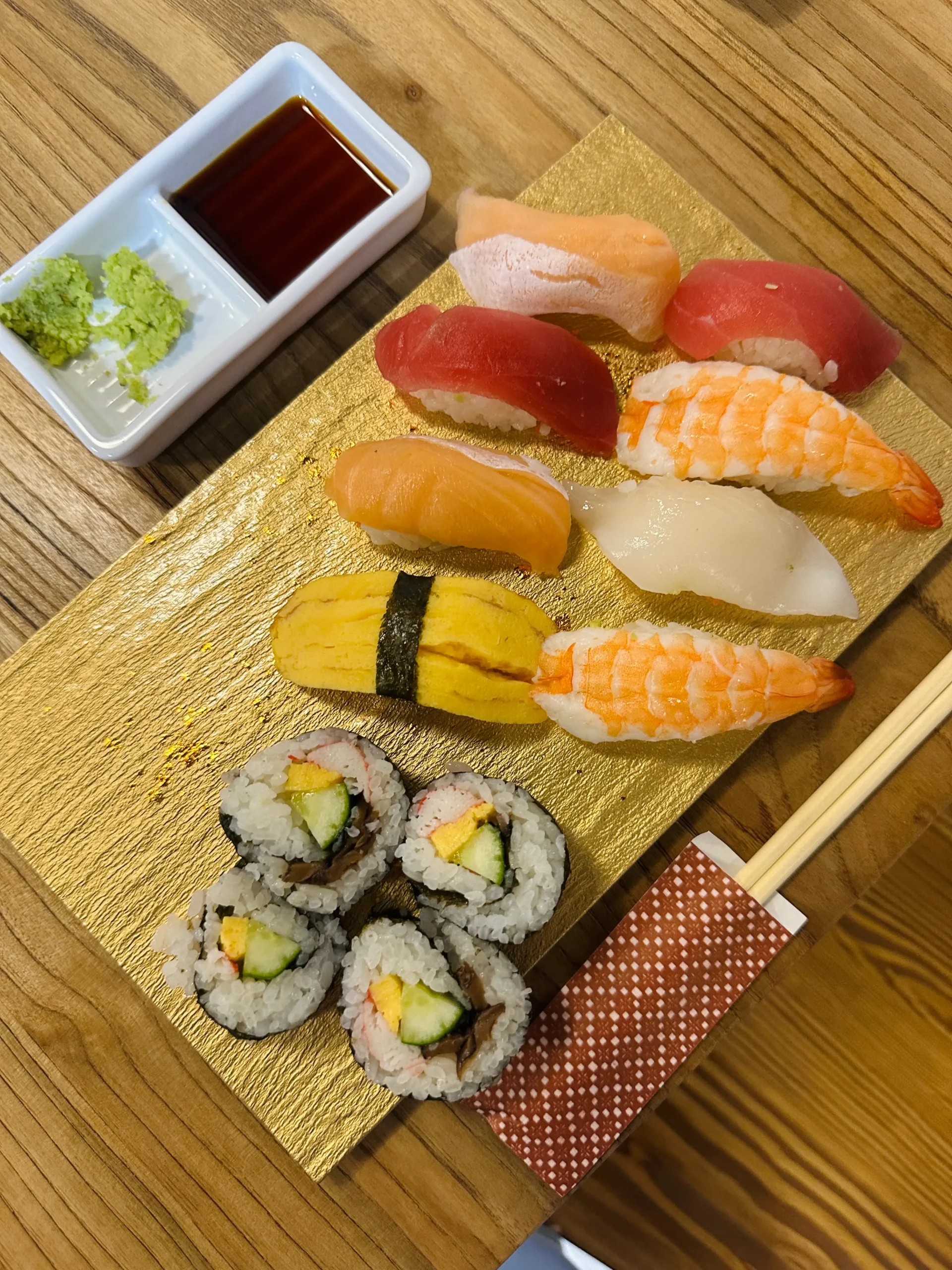
Your sushi making class takes place in a small studio near Asakusa. The instructor shows you how to hold the knife and how to cut fish in clean strokes. You learn how to shape rice with a light grip. You prepare several pieces and roll a few types of maki.
The session feels relaxed, and the instructor checks on you often. When you finish, you eat everything you made. I enjoyed the sushi I made myself. It was a fun experience.
Tokyo Skytree at Sunset
Arrive about one hour before sunset. This gives you enough time to get through the line. The elevator ride is fast, and the view opens as soon as the doors slide apart.
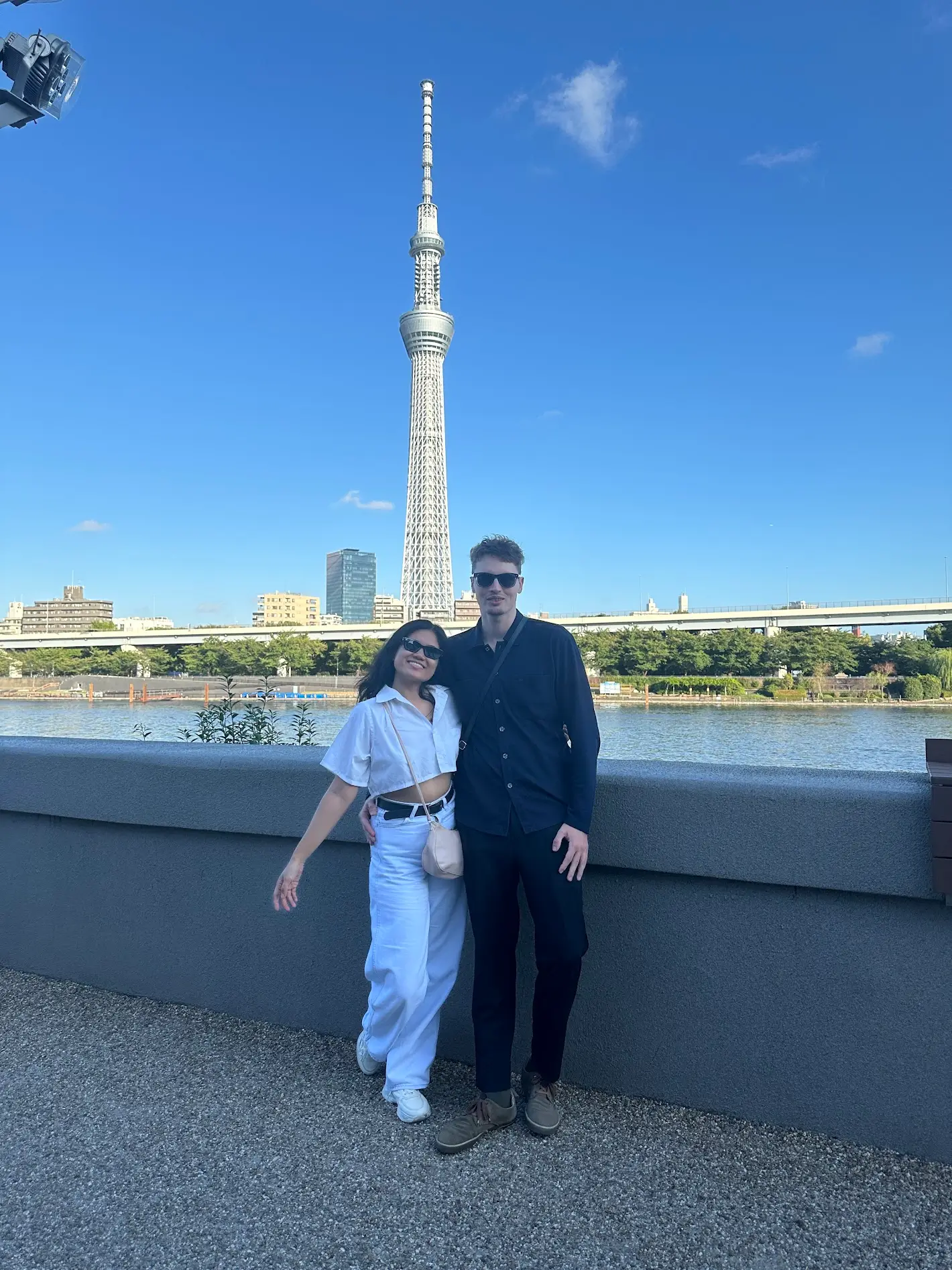
The colors shift quickly as the city lights turn on below. When you finish exploring the deck, walk into Solamachi Mall for snacks.
The food stalls stay open late, and you can try taiyaki or soft serve before heading back.
Dinner at Ichiran Asakusa
If you skipped Ichiran earlier, return after 8:30. The line shortens and the ticket machine speeds things up. The broth is rich, and the noodles are cooked firm. It is a simple end to a long day.
Pro Tip: Activate your IC card in an airport machine before boarding the Narita Express or Skyliner. The machines here allow higher top-ups. This saves time when you reach Shinjuku, where the lines at the top-up machines can be long.
Day 2 – Otaku Culture to Shibuya Lights
You start with anime shops, move through Harajuku, and finish in busy Shibuya.
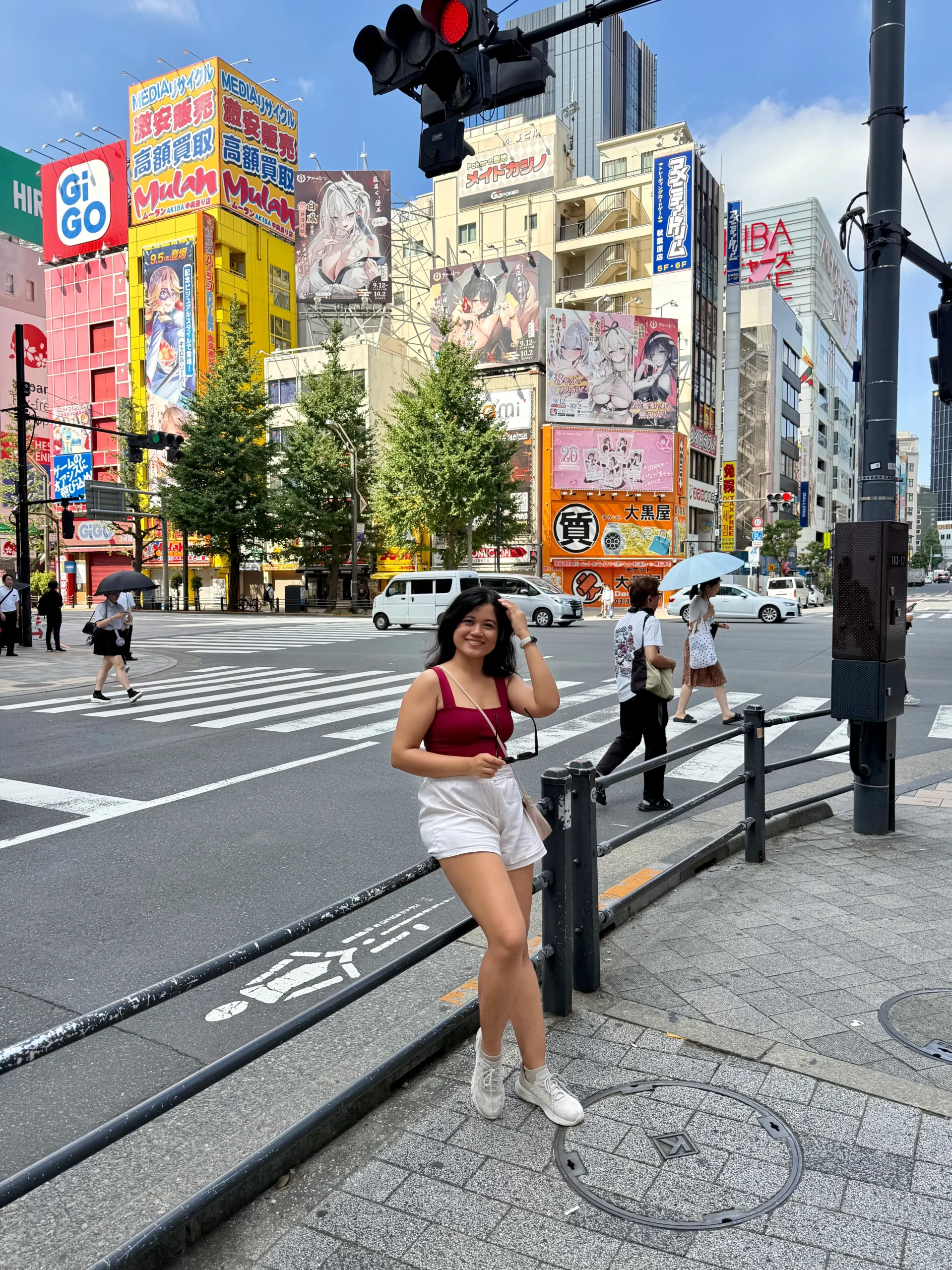
Morning in Akihabara
If you are a fan of anime, you will enjoy Day 2 the most. Even if you are not deeply into anime, it is still a fun way to start your day.

Begin at Animate. The building has several floors, and each floor focuses on a different type of merchandise.
You see keychains, posters, and seasonal displays. Walk to Super Potato for retro games. The shelves are packed with old cartridges, used consoles, and classic titles.
Mandarake is next. It has rare items, pre-owned figures, and older manga in good condition. Yodobashi Camera sits across the street. You can test new tech and browse toys.
Small souvenirs cost between 2,000 and 8,000 yen. Bigger collectibles cost more. Set a budget before you start because the choices build up fast.
Midday in Shibuya and Harajuku
Ride to Meiji Shrine. The long gravel path gives you a quiet break from the city. The trees block out most of the noise.
The shrine grounds feel open and clean. After your visit, walk toward Harajuku. Grab a snack from a street vendor or try a convenience store meal.
Takeshita Street is busy and colorful. You see crepe shops, small fashion boutiques, and novelty stores. Side alleys lead to thrift shops with lower prices and fewer crowds.
Afternoon in central Shibuya
Inside Shibuya Station, follow the signs to the Ginza Line. The Myth of Tomorrow mural sits along the walkway. It is large and worth a short stop.
Go outside to the famous Hachiko Statue for a quick photo. Cross the scramble crossing. The crowds move in all directions at once.
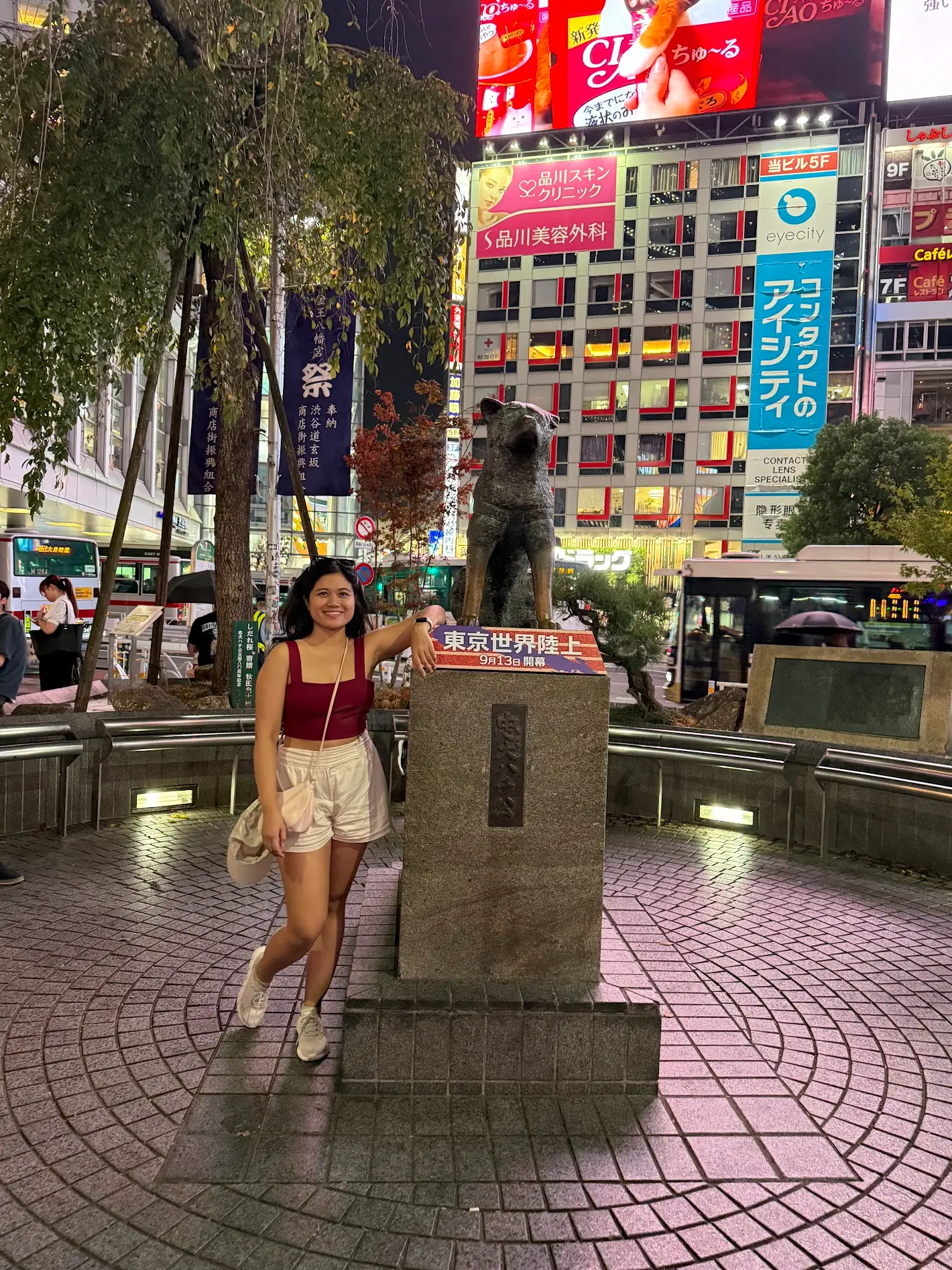
For free views, go to Hikarie on the eleventh floor. Mark City Walkway gives you another angle. Center Gai offers street-level views. Light is best from late afternoon into the early evening.
Dinner at Nonbei Yokocho
Arrive early. The alley is narrow, and the bar signs hang low. Most places have only a few seats. Many take cash. Order grilled skewers, small plates, and simple drinks.
If everything is full, walk a few blocks toward the main streets. You will find many izakayas with faster turnover and open seats.
Pro Tip: In Akihabara, check the higher floors of Mandarake and Animate first. Tourists tend to browse only the lower levels. The upper floors often hold older stock and lower-priced items. You may find rare pieces that never reach the ground floor.
Can You Really Enjoy Tokyo in 2 Days? Yes, If You Do It Right
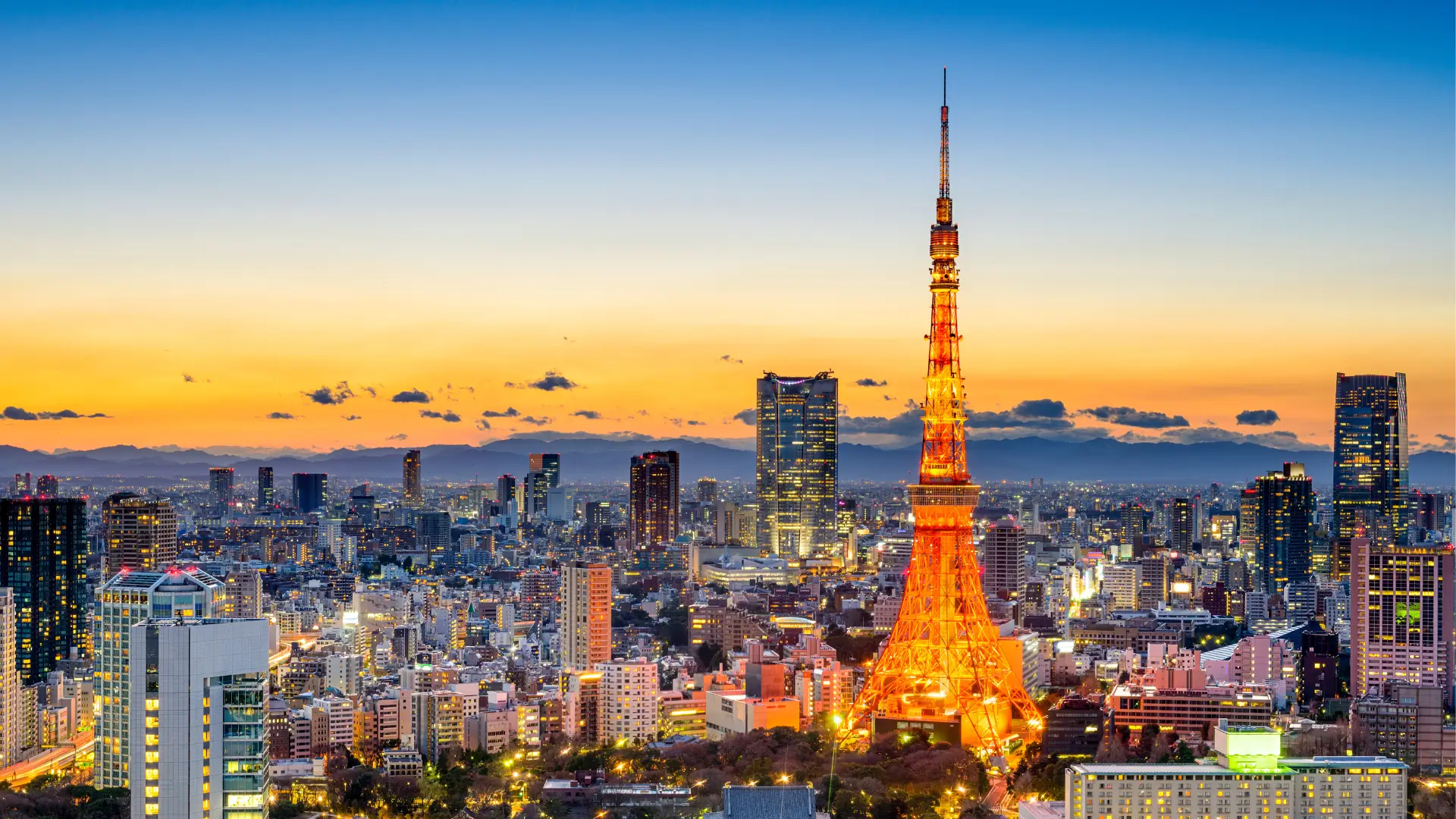
You can enjoy Tokyo in two days when you focus on depth instead of speed. These two days give you strong emotional highs.
You move from quiet temples to neon streets. You get iconic views, fast snacks, and meals worth remembering. You see the mix of old and new that makes Tokyo feel different from other cities.
The plan gives you enough structure to avoid stress while still leaving space for surprise moments. If you enjoy slower movement, you can follow the same route at an easier pace.
Customizing This Itinerary. Add, Swap, or Expand
If you have more time, look at my Best Day Trips from Tokyo guide. It gives you easy routes, travel times, and places that fit well with this itinerary.
If you enjoy cooking, learning about new cultures, and seeing the skill behind each dish, explore my guide to 14 of the Best Cooking Classes in Tokyo for Tourists. These classes add a hands-on experience that fits nicely into a slower travel day.
Use these options to shape the itinerary into something that matches your travel style and gives you the kind of Tokyo experience you want, whether that means slower days, extra food stops, or more time in your favorite neighborhoods.
Final Checklist and Google Maps List
Use this checklist before you start your trip. It helps you stay organized from the moment you land.
|
Items |
Status |
Notes |
|---|---|---|
|
IC card loaded |
☐ |
(e.g., Suica or Pasmo) |
|
Data or pocket WiFi |
☐ |
Check plan/coverage |
|
Enough cash for small shops |
☐ |
Local currency for vendors/smaller places |
|
Comfortable walking shoes |
☐ |
Essential for exploring |
|
Camera or phone with extra storage |
☐ |
Clear space for photos/videos |
|
Portable charger |
☐ |
Keep devices powered up on the go |
|
Screenshot of key addresses |
☐ |
For transport/in case of no signal |
Open my Google Maps list with every stop already saved. The map shows the order of each location, which helps you move through the city without guessing.
You can rearrange the pins to match your walking speed or your meal plans. Save the map for offline use so you can navigate even when your signal drops in stations or narrow alleys.
Many readers copy the full plan into Google Docs or Notion. This helps you add timing notes, reservation details, and any small changes you want to make.
It also keeps everything in one place, so you do not have to search for information once you are already out in the city.
Save this itinerary now so when you land in Tokyo and wonder if 48 hours is really enough, you will have every stop ready to go.
Read More About Japan
- I Tried the Best Sushi Making Class in Tokyo
- The Best eSIM for Japan That Actually Worked for Me
- 10 Best Day Trips from Tokyo (That Are Actually Worth It)
- Is the Tokyo Metro Pass Worth It?
- 15 Best Kawaguchiko Hotels with Mt. Fuji Views
- 14 Of The Best Cooking Classes In Tokyo For Tourists
- 14 Cooking Classes in Kyoto You’ll Love
- 10 Fun and Authentic Cooking Classes in Osaka
- 15 Non-Touristy Things to Do in Kyoto for an Authentic Experience
- Do I Need Travel Insurance for Japan?