
Restaurant Etiquette in Japan for Your Next Trip

Travelers often feel nervous about cultural mistakes, and I understand that feeling well. My first trip to Japan was exciting, yet I still remember how unsure I felt when I stepped into a small restaurant in Osaka.
I stood by the entrance with my bag and waited for someone to notice me. I didn’t know if I should call out or stay quiet. The staff was kind, but that moment showed me how different simple dining habits can be, and why understanding restaurant etiquette in Japan makes such a difference in how relaxed and confident you feel.
Over time, I learned small routines that made each meal easier and far less stressful. You’ll learn those same routines in this guide so you can enjoy every meal without worrying about doing something wrong.
You’ll see what to do when entering a restaurant, how to order even with limited Japanese, how to eat politely, and how to leave respectfully. These habits help you feel calm, welcome, and comfortable in every place you sit down to eat.
This post contains affiliate links. If you book through them, I may earn a small commission — at no extra cost to you. I appreciate your support! Read our full disclosure.

What to Expect When Entering a Japanese Restaurant
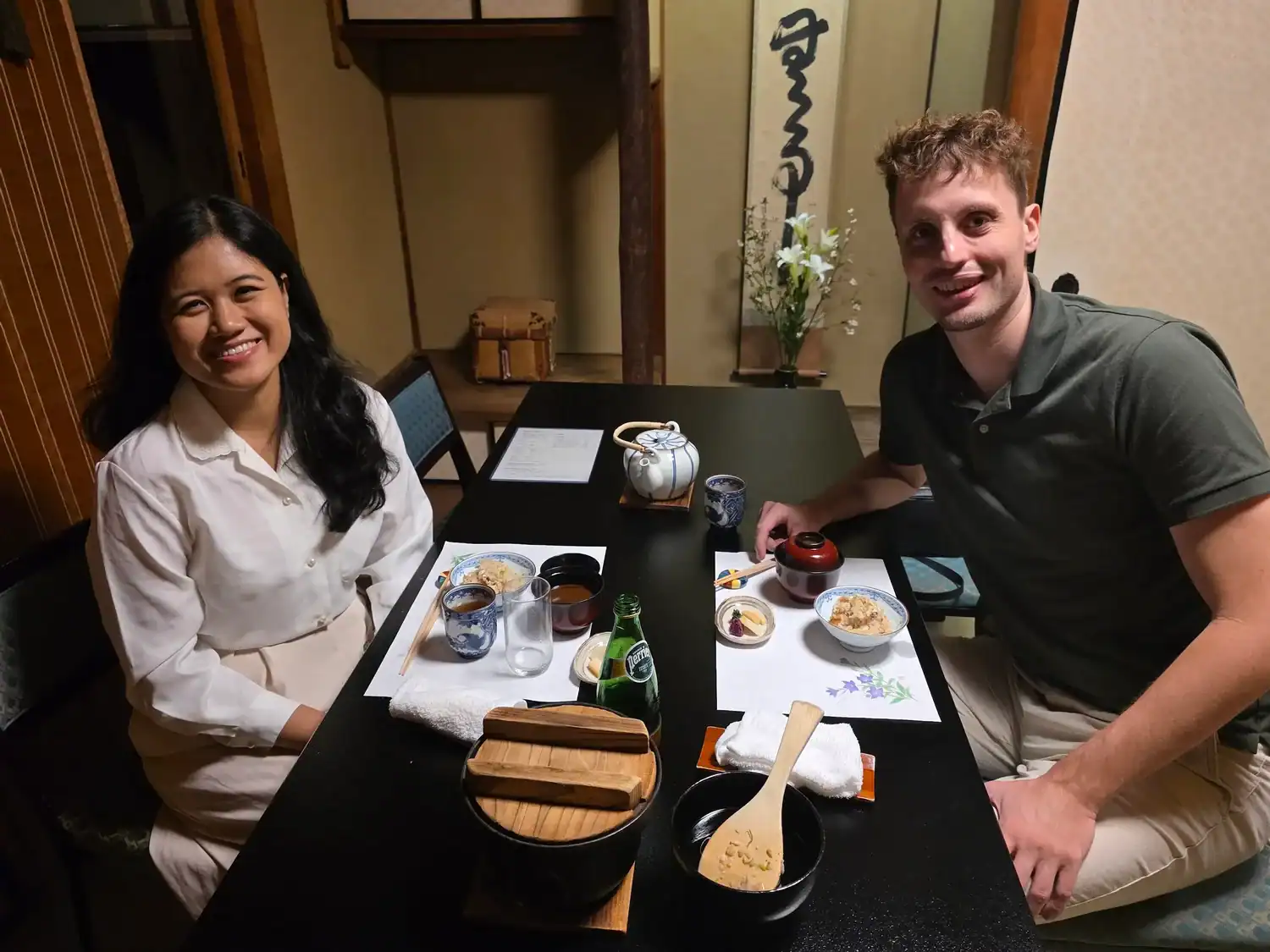
I learned quickly that every restaurant in Japan has its own rhythm. At a tiny Kyoto soba shop, I once stepped hesitantly into the doorway, unsure whether to call out.
The staff smiled; then they motioned for me to wait. In Japan, pausing at the entrance is often the polite first step.
Here’s what you can expect as a first-timer:
- Wait to be acknowledged, unless it’s hectic, in which case a gentle “sumimasen” is appreciated.
- If the restaurant has a tatami room, you’ll remove footwear. Don’t step on the raised platform with shoes. Many tourists made that mistake; they don’t usually call you out for the action, but the gasp from the staff said everything.
- Most places offer hooks or baskets. This keeps aisles clear (a big deal in tight spaces).
- Counters for ramen, tables for izakayas, and floor seating in traditional restaurants.
If you’re worried about what to say in moments like this, learning just a few phrases helped me feel much more confident, especially in smaller restaurants. I shared the exact phrases I actually used here [Simple Japanese Phrases for Travelers I Actually Used].
Ordering Food the Right Way
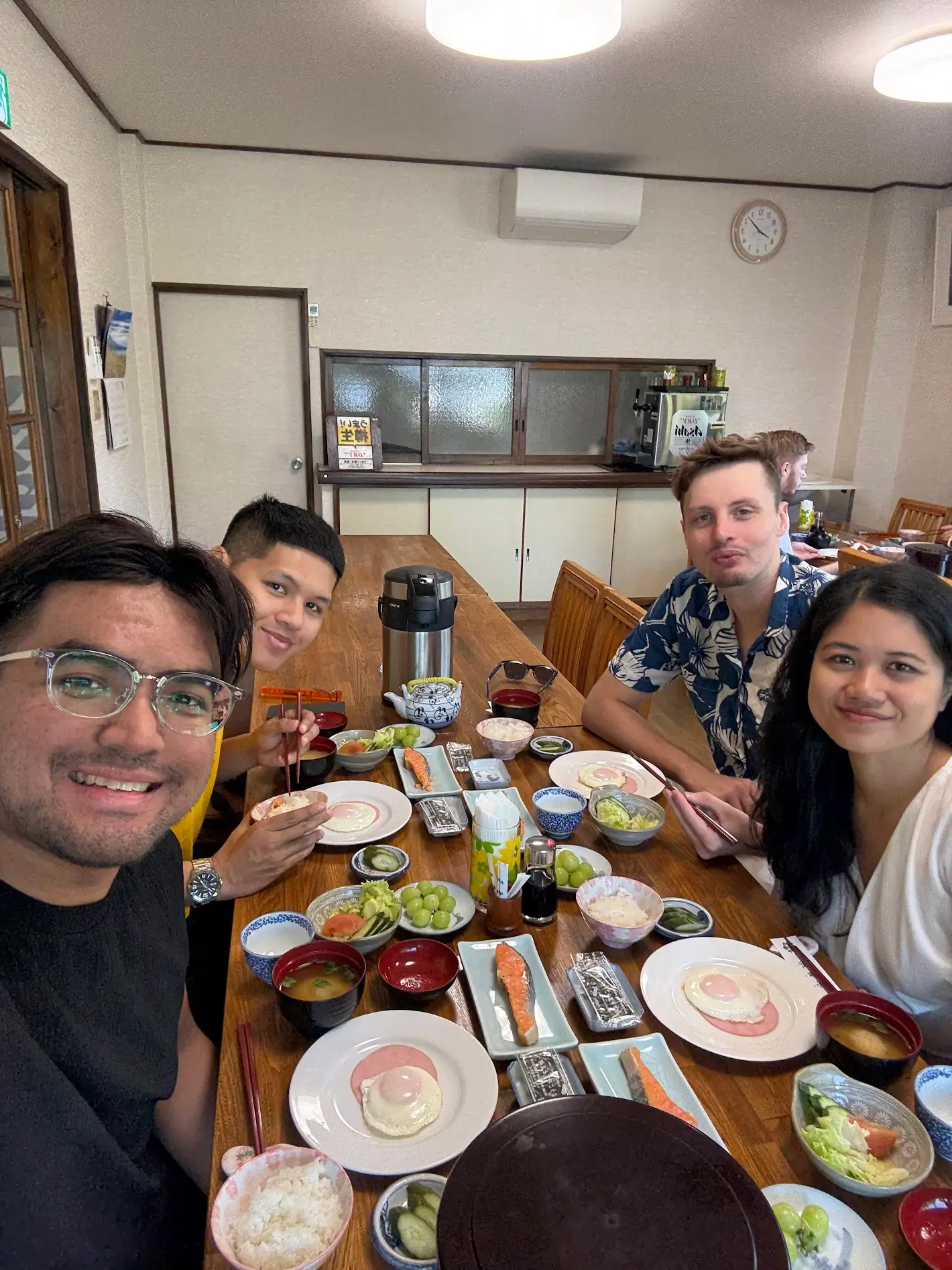
One of the most humbling moments in Japan happened at a Fukuoka ramen shop when I panicked at the ticket machine and accidentally ordered three bowls. The chef laughed kindly, then served me all three.
Here are some things I wish I had known before:
- Ticket machines often have photos, but not always English ones. Don’t hesitate to take your time.
- If you’re unsure, point and say: kore onegai shimasu (“this, please”).
- In fast-paced ramen shops, decisions should be quick. These places are efficient on purpose, lingering feels stressful for staff.
- Customizations are usually light: noodle firmness, broth strength, spice. Not full menu changes.
Once you hand over your ticket, your job is done. The staff handles the rest with smooth precision.
Pro Tip Google Translate and Google Lens will quickly become your best friends — you’ll want to use them throughout your trip.
If you’re worried about navigating menus or asking questions, having a reliable Japan eSIM was a lifesaver for me. I used it constantly to translate menus and check kanji on ticket machines.
Dining Etiquette You Must Follow at the Table
One of my earliest etiquette mistakes happened in Hiroshima, when I absentmindedly stuck my chopsticks upright in my rice bowl. A server hurried over, not angry, just concerned, and explained that this resembles a funeral offering.
Japan is a highly culturally rich country, so make sure that you are careful in making such gestures. Learning these small restaurant etiquette goes along way. The Japanese will greatly appreciate this!
Here are the big etiquette rules travelers often miss:
- Never leave chopsticks standing in rice.
- Don’t pass food chopstick-to-chopstick; this also mirrors funeral customs.
- Quiet eating is normal, but slurping noodles is expected, especially at ramen shops.
- When sharing dishes, use the opposite end of your chopsticks or the small serving spoons provided.
Japan is a culturally rich country, so it helps to be mindful of small gestures. Learning basic restaurant etiquette goes a long way, and locals truly appreciate the effort!
Paying the Bill
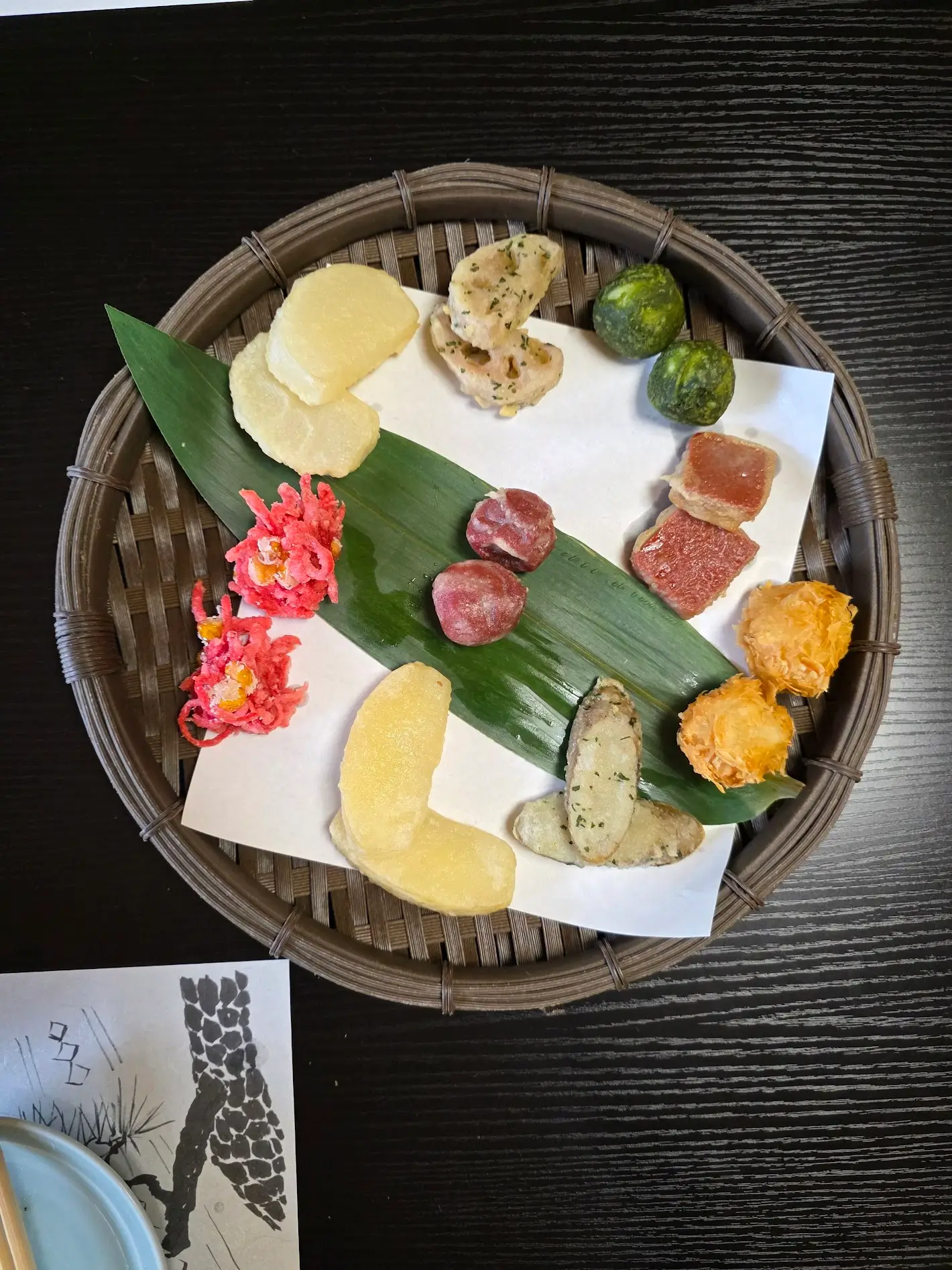
You might be wondering why the bill never appears at the table. Don’t panic—in Japan, this is completely normal! Most Japanese restaurants hand you a small paper slip mid-meal, which you take to the register at the end.
Some of the things I learned during my stay in Japan include that when using a card, you should place it gently in the tray instead of handing it directly to the cashier.
Unlike in most Western cultures, where tipping is generally considered a kind gesture, tipping in Japan is a hard no. Leaving money on the table only creates confusion.
When it comes to splitting the bill, some food chains allow it, but small restaurants often prefer a single payer. In many places in Japan, cash remains the preferred method of payment, especially in small, independent shops.
This structured rhythm is one reason I planned my Tokyo days to feel calm instead of rushed. If that approach sounds appealing, this 2-day Tokyo itinerary leaves room for meals and wandering without pressure.
Etiquette for Leaving the Restaurant
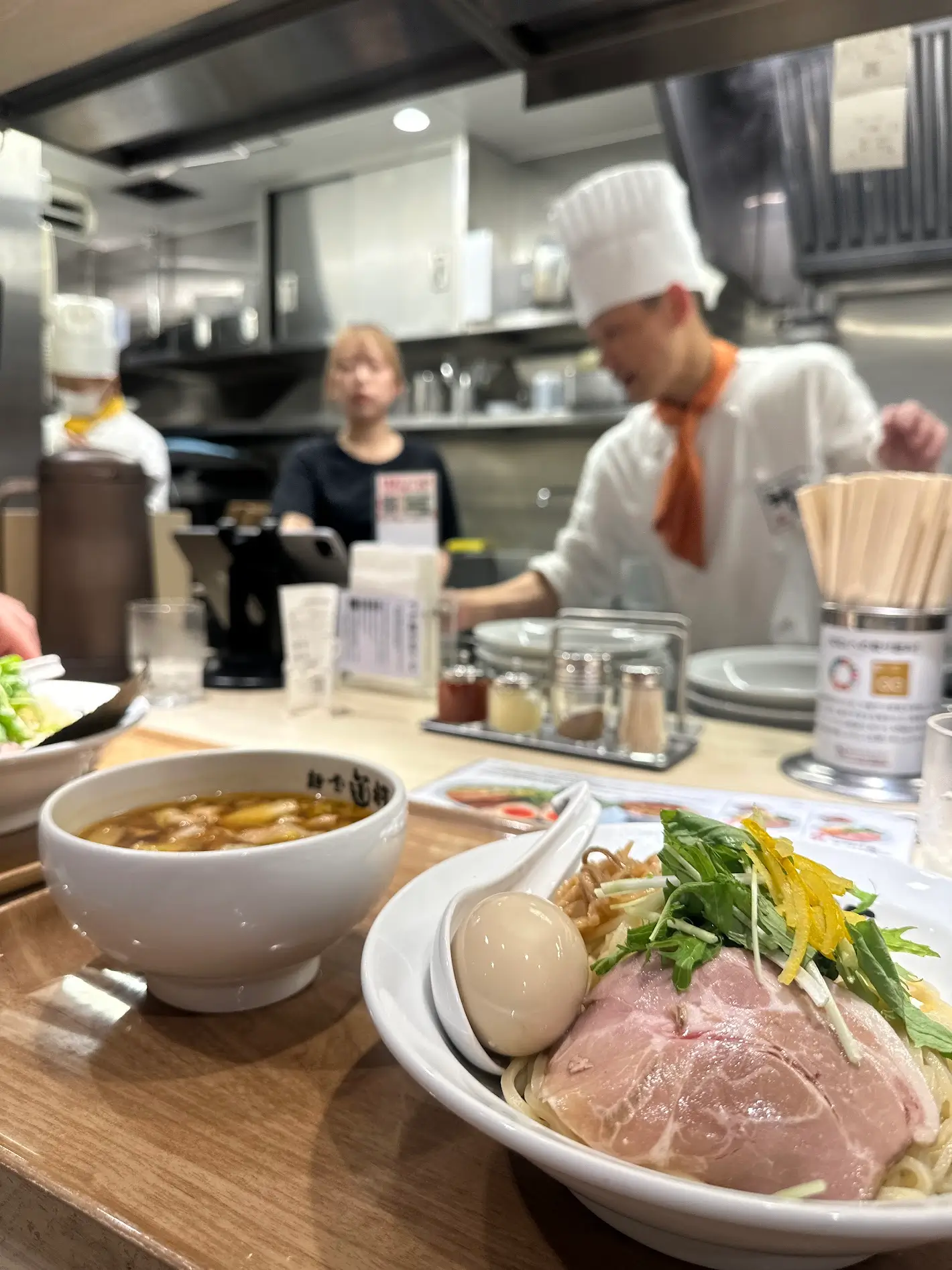
You may be hearing the phrase “gochisousama deshita,” which loosely translates to “thank you for the meal,” and is the standard way to express appreciation when leaving a restaurant.
You’ll hear it said to staff as you exit, and sometimes even exchanged quietly between diners. While no one will scold you for forgetting, using it is a small gesture that goes a long way in showing respect.
In casual restaurants, etiquette also includes tidying up after yourself. This doesn’t mean scrubbing tables, but stacking plates neatly or returning trays if there’s a designated area for them.
In cafeterias and fast-casual spots, returning your tray is expected, not optional, it’s part of the flow that keeps everything running smoothly.
Finally, be mindful of others when exiting. Many Japanese restaurants are compact, and doorways can be quickly accessed. Take a moment to orient yourself, gather your belongings, and move out efficiently without blocking the entrance. It’s all about staying aware of the shared space.
Additional Etiquette for Izakayas, Sushi Bars, and Traditional Ryotei
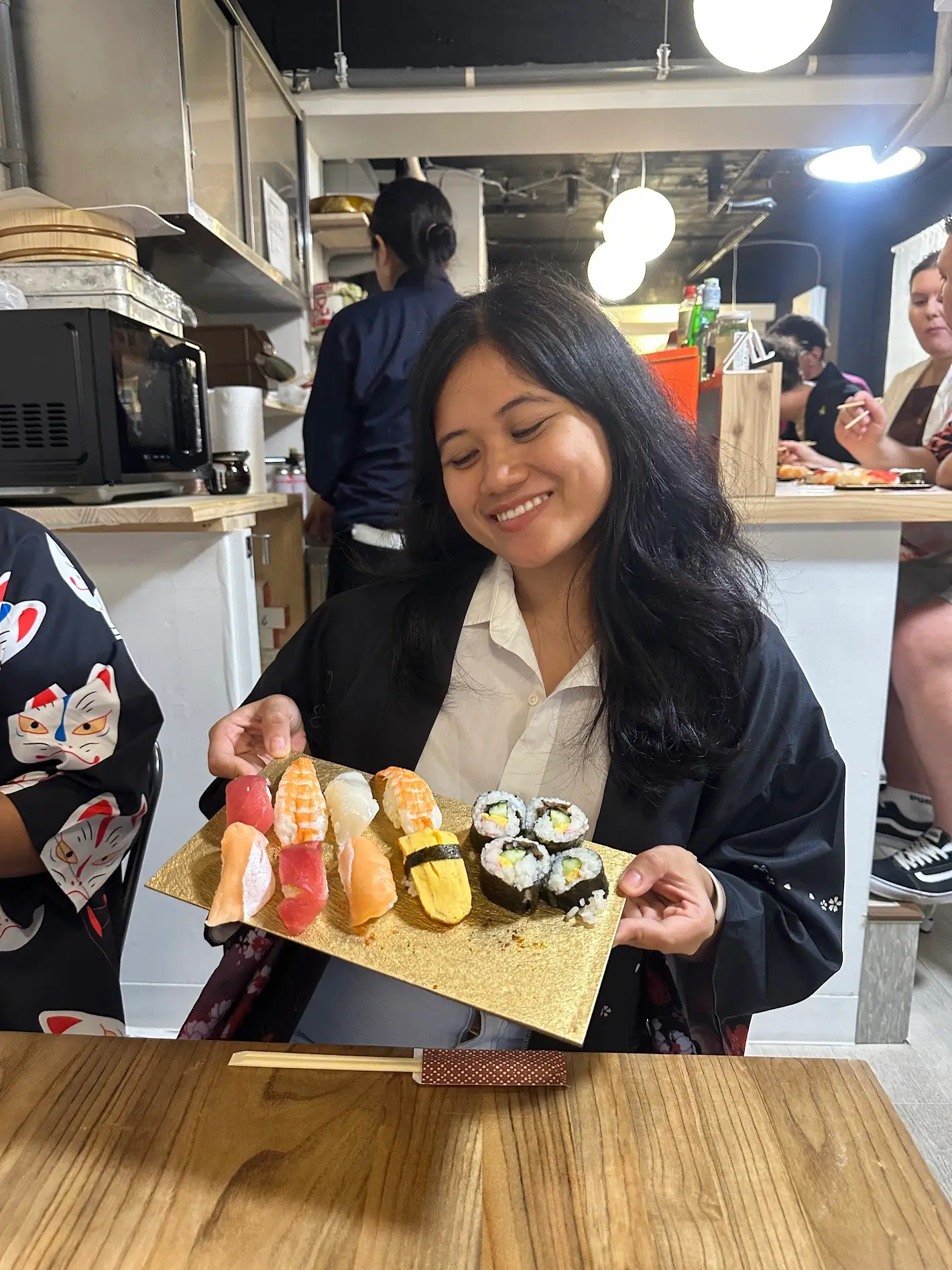
If you’re seated at the counter, interaction with the chef should be polite and restrained. A simple compliment or question is fine, but long conversations during busy service are best avoided.
At izakayas, social etiquette becomes more communal. One important rule is not to pour your own drink if you’re with others. Instead, keep an eye on your companions’ glasses and offer to refill them. They’ll return the favor. This small act reinforces the group-focused dining culture that izakayas are known for.
Taking a guided food or cooking experience was one of the easiest ways I learned these unspoken rules in a relaxed setting, especially before dining in more traditional spaces. Trying a sushi-making class in Tokyo helped everything feel far less intimidating afterward.
Traditional ryotei and kaiseki meals follow the strictest etiquette of all. Punctuality is critical, as arriving late can disrupt an experience that’s carefully timed, course by course.
Meals are meant to be savored exactly as presented, and deviations or substitutions are uncommon. These settings emphasize respect for the chef’s craftsmanship and the ritual of the meal itself.
As I started traveling beyond Japan’s major cities, etiquette felt even more local and personal. I noticed this most while exploring the country by car, which I share in more detail in my [Japan Road Trip Itinerary: Epic 8-Day Route Guide].
Your Next Steps for Stress-Free Dining in Japan
Dining in Japan becomes far more enjoyable once you realize that etiquette is about respect, not perfection. Locals don’t expect travelers to know every rule, and small efforts such as pausing at the entrance, handling chopsticks thoughtfully, or saying gochisousama deshita as you leave are always noticed and appreciated. What matters most is showing curiosity, awareness, and kindness.
I know, as a first-time traveler, this can feel like a lot to take in. But as you continue exploring Japan, let these habits give you confidence rather than pressure.
Step into the cozy neighborhood ramen shop, try the lively izakaya that looks intimidating from the outside, or finally book the sushi counter you’ve been eyeing.
Staying in a comfortable, well-located hotel can make dining feel even easier, especially when it’s simple to step out for a relaxed neighborhood meal.
Once you understand the rhythm of how things work, each meal feels more relaxed and often more meaningful.
The time of year you visit affects crowds and the overall dining atmosphere. The [Best and Worst Time to Visit Japan: First-Timer’s Guide] can help you choose a season that feels right for your trip.
KEEP PLANNING
Plan your whole Japan trip like this
Liked how I curated the day trips? My Japan guides work the same way: slowly, honestly, and from two trips’ worth of mistakes.
