
15 Best Things to Do in Tokyo That Are Actually Worth It

Tokyo has an overwhelming number of things to do. Many lists feel interchangeable, especially when you start searching for Tokyo itinerary ideas and see the same stops repeated again and again.
When everything is presented as essential, it becomes difficult to know which experiences are actually worth your time and energy and which ones simply look good on paper.
This guide focuses on things to do in Tokyo that felt genuinely memorable. These are Tokyo travel experiences that created a sense of place, not just a photo.
The emphasis is on neighborhoods, movement, and hands-on cultural experiences that reveal how the city works at street level. Walking through local areas, moving slowly, and participating instead of observing often led to the moments that stood out most.
Tokyo is too large and too layered for any single guide to cover everything. The goal here is not to help you see all of Tokyo but to help you experience it in a way that feels intentional and personal. You will not find every famous attraction listed, and that is by design.
You do not need to check off every landmark to have a successful trip. The best Tokyo itinerary ideas are the ones that fit your travel style, energy, and interests. Choose experiences that feel right for you, and let the city unfold naturally around them.
This post contains affiliate links. If you book through them, I may earn a small commission — at no extra cost to you. I appreciate your support! Read our full disclosure.

1. Walk Through Different Tokyo Neighborhoods (Not Just the Famous Ones)
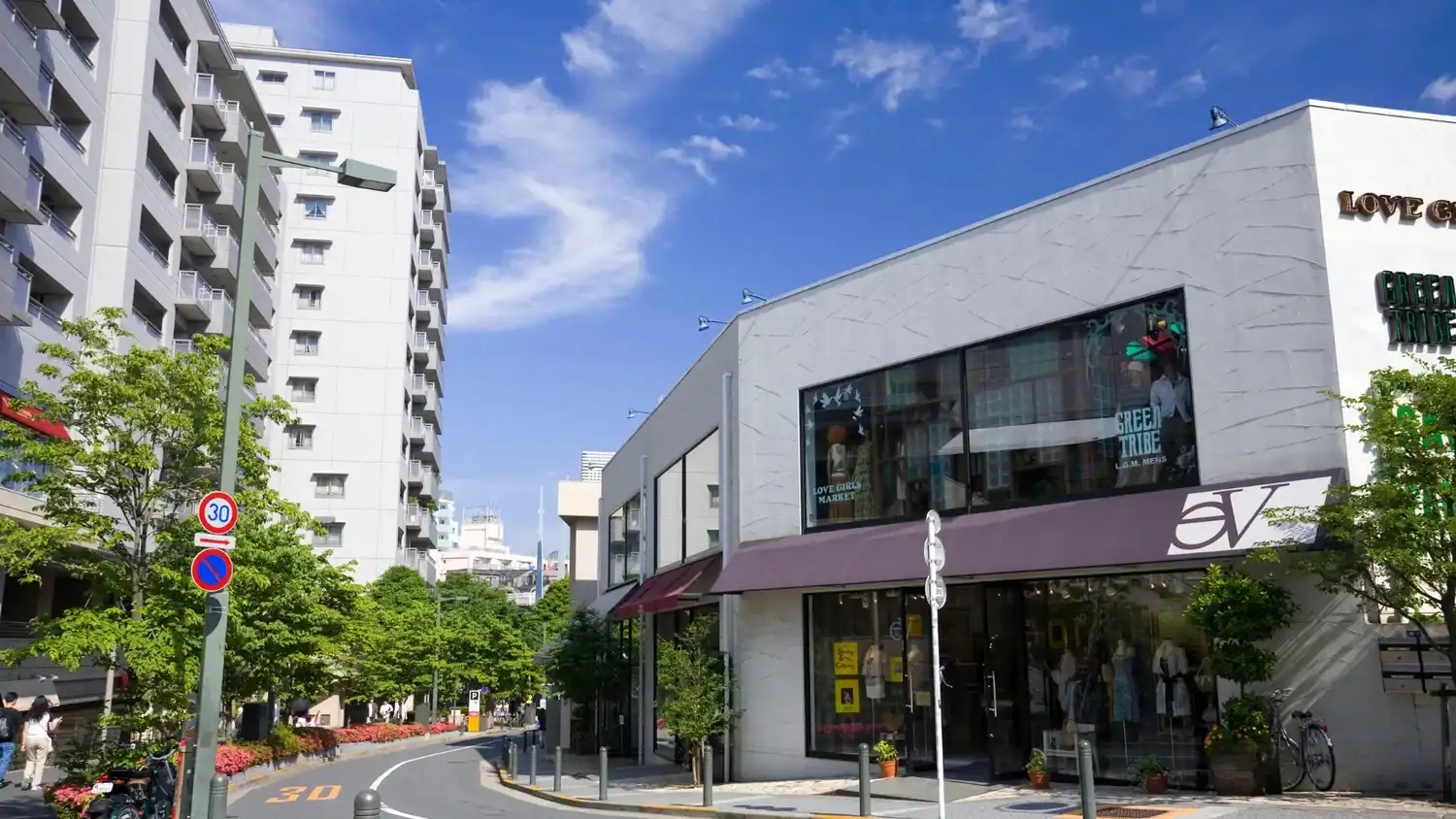
Walking through Tokyo’s neighborhoods revealed more about the city than any single attraction. Many Tokyo itinerary ideas focus on landmarks, but this approach showed how the city actually functions day to day. Each area moves at its own pace, and those differences are easy to miss if you’re only hopping between highlights.
Yanaka felt quiet and residential, shaped by routines rather than tourism. Koenji felt expressive and slightly rough around the edges, while Daikanyama felt slower and more polished. Experiencing these contrasts made Tokyo feel layered instead of overwhelming.
What stood out was how much daily life you absorb simply by moving slowly. Watching locals run errands, linger in cafes, or walk home from work offered a clearer sense of how to experience Tokyo beyond traditional sightseeing.
This approach works best for curious travelers who enjoy exploring on foot and prefer Tokyo travel experiences that feel organic rather than structured.
If you like exploring Tokyo by neighborhood rather than landmarks, I map this approach out more fully in my [10 Best Day Trips from Tokyo (That Are Actually Worth It)] itinerary post.
Quick Tip: Pick one neighborhood per walk and give it at least an hour, rushing between areas makes them blur together.
2. Take a Bike Tour Through Shibuya and Shinjuku
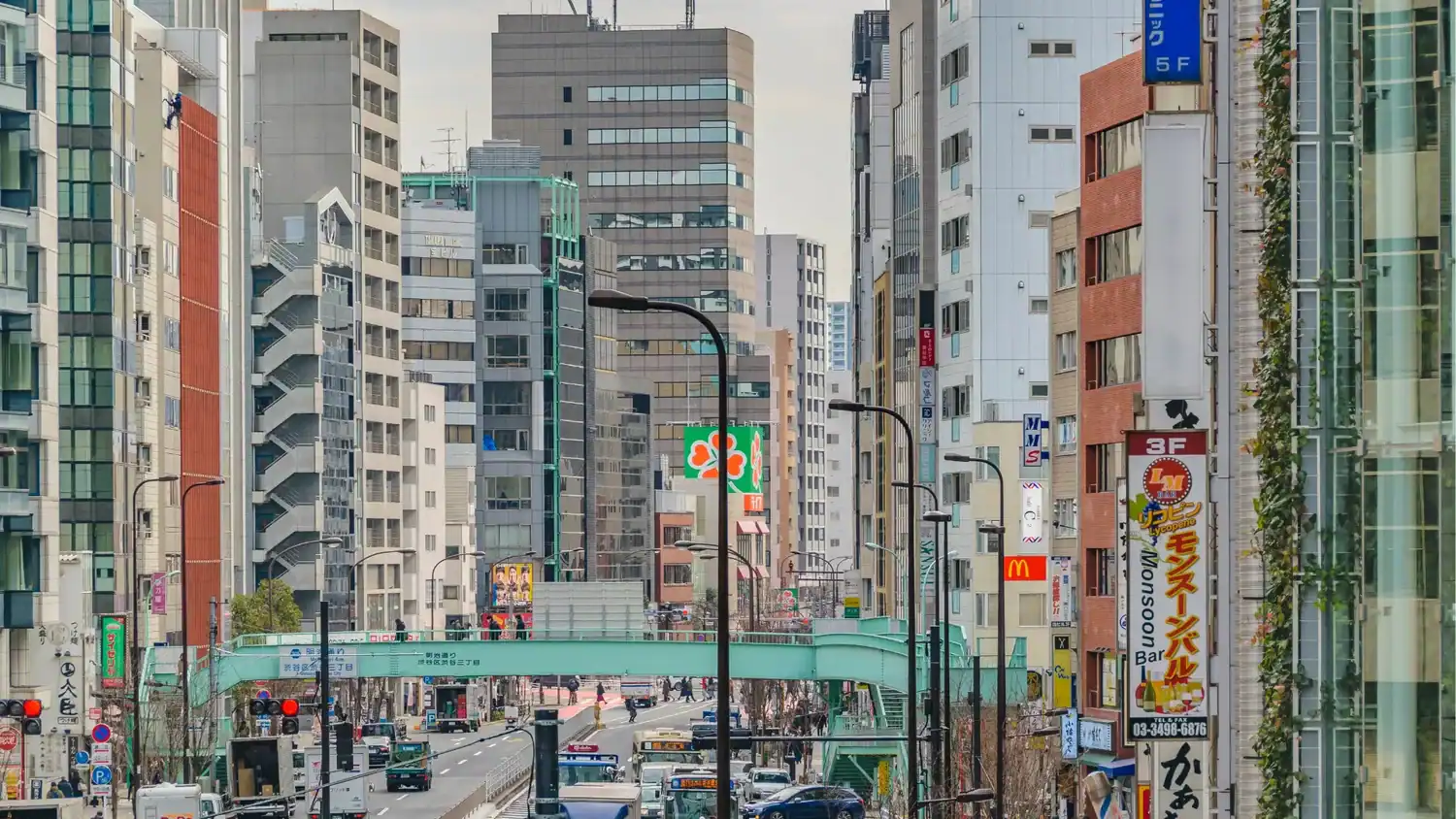
Cycling through Shibuya and Shinjuku clarified Tokyo faster than any map or train ride. On a bike, you feel how neighborhoods connect, how a quiet residential street turns into a commercial hub within minutes, or how a narrow back road runs parallel to a major artery without the chaos.
What surprised me most was how manageable the city felt at street level. Areas that feel overwhelming on foot or by train suddenly made sense when seen in sequence.
You notice transitions: when signage changes, when crowds thin, when storefronts shift from global chains to local businesses. Those details are hard to absorb when you’re jumping between stations.
This is one experience where a guided option genuinely adds value. Navigating Tokyo traffic rules, bike lanes, and signage isn’t intuitive for visitors, and having someone set the pace removes friction. It also means you spend less mental energy on logistics and more on observing how the city actually works.
Best for travelers who want context quickly, prefer movement over museums, and want to understand Tokyo beyond individual attractions.
Quick Tip: Wear comfortable clothes and expect frequent stops — the value comes from observing transitions, not speed.
3. Take a Japanese Cooking Class
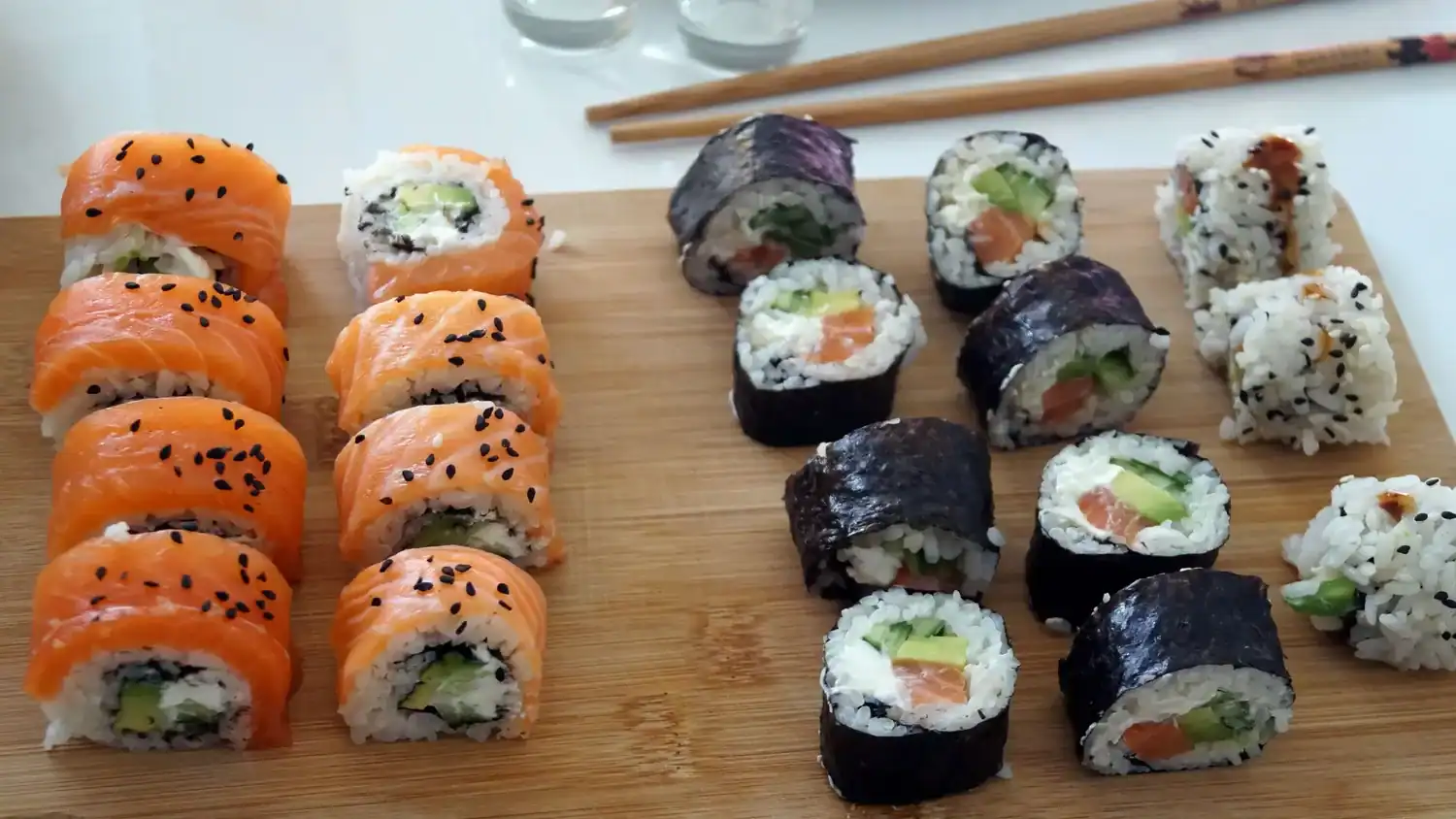
A Japanese cooking class reveals parts of daily life that restaurants never show. The rhythm of prep, the order ingredients are handled, and the emphasis on timing all feel deliberate. Even simple dishes reflect habits that are easy to miss when you’re only dining out.
What stood out most was how natural conversation felt during the process. Cooking created space for questions about ingredients, grocery shopping, and home routines, without forcing interaction. It felt personal without being performative, especially compared to more polished cultural experiences.
For solo travelers in particular, this is one of the easiest ways to have a meaningful interaction without navigating social norms blindly. You leave with context, not just recipes. You also gain a better understanding of what you’re eating for the rest of the trip, which quietly improves every meal afterward.
This was all based from the hands on classes I’ve experienced in Japan. If you want to learn how to make sushi, I break down the full experience in [I Tried the Best Sushi Making Class in Tokyo].
My main takeaway was simple. Learning from an experienced chef feels deeply rewarding. It goes beyond cooking. You learn technique, discipline, and cultural context in one session.
If you are still choosing between classes, I also compared several solid options in [14 Of The Best Cooking Classes In Tokyo For Tourists].
Quick Tip: Choose smaller group classes when possible, they allow more questions and feel more personal.
4. Visit Suga Shrine and Walk the Famous Manga Stairs
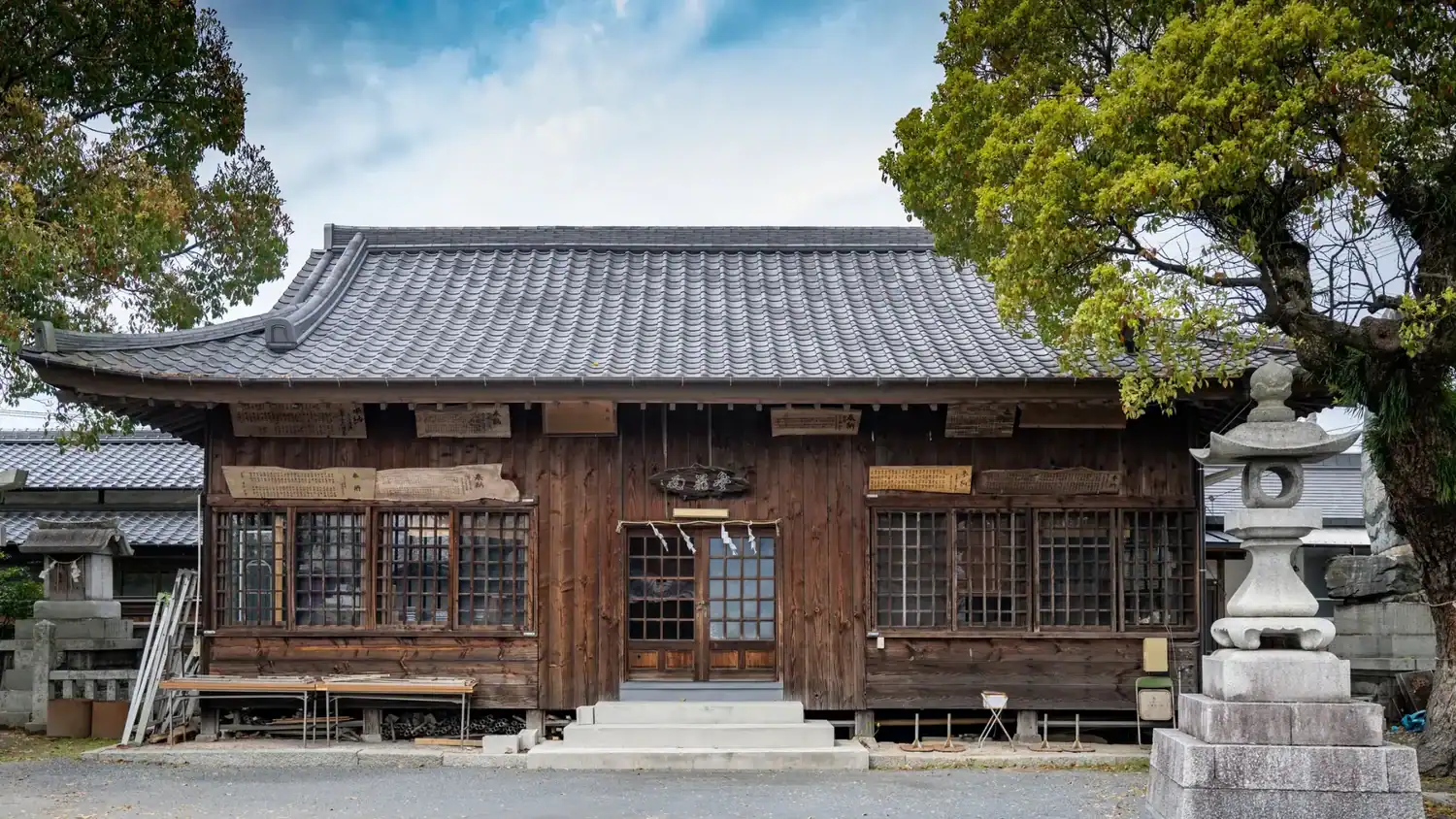
Suga Shrine sits quietly within the Yotsuya neighborhood, surrounded by residential streets that feel far removed from Tokyo’s busier districts. Reaching it requires a short walk through everyday life — apartment buildings, small intersections, and local foot traffic — which sets the tone before you even arrive.
The contrast between the shrine’s calm setting and its pop-culture fame is subtle but striking. The stairs may be recognizable to anime fans, but the atmosphere remains low-key. People come and go naturally. There’s no sense of spectacle, just a place that happens to carry cultural meaning for different reasons.
What made this stop memorable was how unforced it felt. There was space to pause, observe, and take it in without navigating crowds or noise. It didn’t demand attention, which made the experience feel more personal than many more famous sites.
This stop is best for walkers, anime fans, and travelers who enjoy quieter moments woven into daily life. It pairs well with neighborhood exploration rather than standing alone as a destination.
If this quieter, everyday side of Japan appeals to you, I shared more ideas in [15 Non-Touristy Things to Do in Kyoto for an Authentic Experience]. Many thoughtful travelers choose this path.
If you are a first timer who wants something different from the usual highlights, this approach will surely fits you well!
Quick Tip: Pair this visit with a neighborhood walk rather than treating it as a standalone stop.
5. Explore Shinjuku After Dark
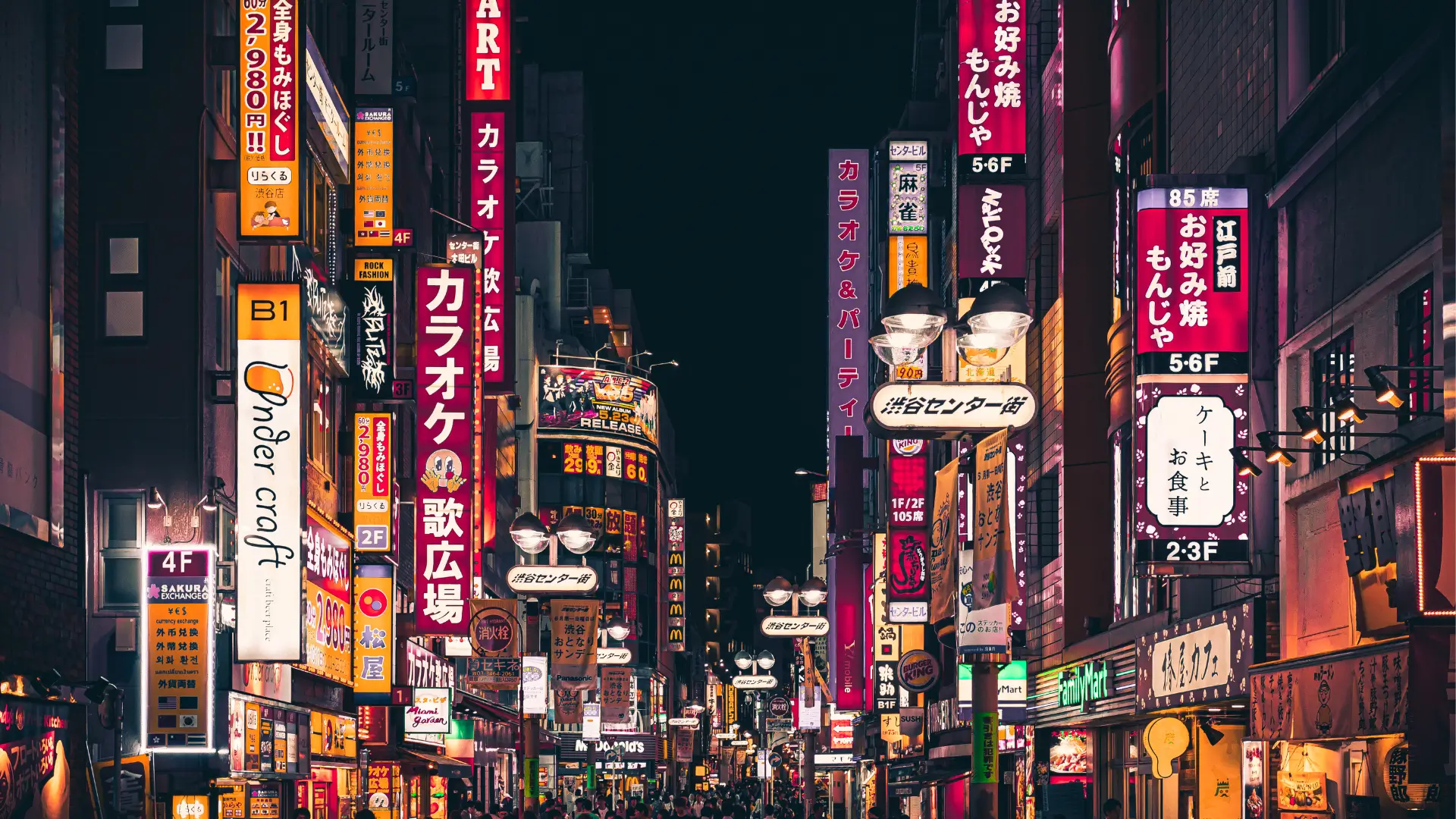
Shinjuku at night creates a strong first impression. Neon lights, dense crowds, and constant motion hit you fast. If you try to absorb everything at once, it becomes overwhelming.
Some streets felt energizing. Others felt intense and draining. What worked was slowing the pace. Walk a few blocks. Stop to eat or sit. Then continue. This rhythm made the chaos feel manageable instead of exhausting.
Breaking the night into smaller moments helped. Shinjuku does not need to be conquered. You experience it best in pieces.
Food experiences benefit from the same approach. Planning ahead removes guesswork. I share exactly where to go and what to order in [Best Street Food in Tokyo and Where To Find It?].
Quick Tip: Focus on one or two nearby streets instead of trying to see everything, Shinjuku is best experienced in pieces!
6. Experience Shibuya Crossing the Right Way
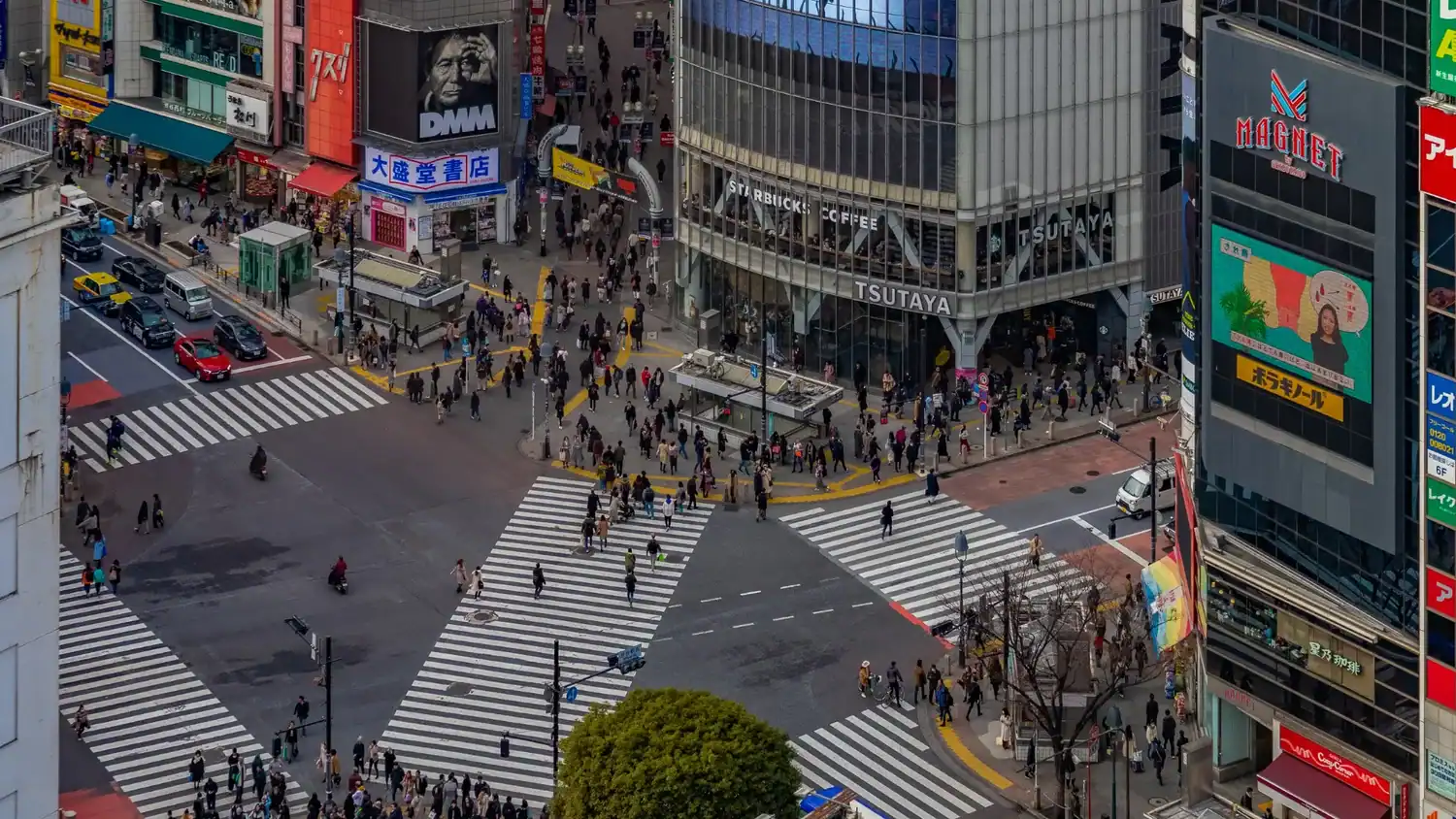
Shibuya Crossing delivers one of Tokyo’s strongest first impressions. The first time you step into it, the scale and coordination feel almost unreal. On later visits, the novelty fades, but the movement itself becomes more interesting when you stop trying to capture it and simply observe.
Timing and perspective matter more than the crossing alone. Early mornings and late nights feel calmer and more legible, while peak hours can feel chaotic without adding much insight. Viewing it from above — even briefly — adds clarity and helps frame what’s happening rather than getting lost in it.
This is one of those things to do in Tokyo that’s worth experiencing once, especially if it’s your first visit. After that, it’s easy to skip without regret. Among many Tokyo itinerary ideas, this works best as a short, intentional stop rather than a main event.
If you want a smoother and more secure experience, booking a guided tour helps. You move through Shibuya with context and structure. This works especially well for first time travelers. It reduces confusion and keeps the experience stress free.
Quick Tip: If crowds feel overwhelming, go early in the morning and watch from above before crossing, it adds context and calm.
7. Eat Ramen at a Small Local Shop
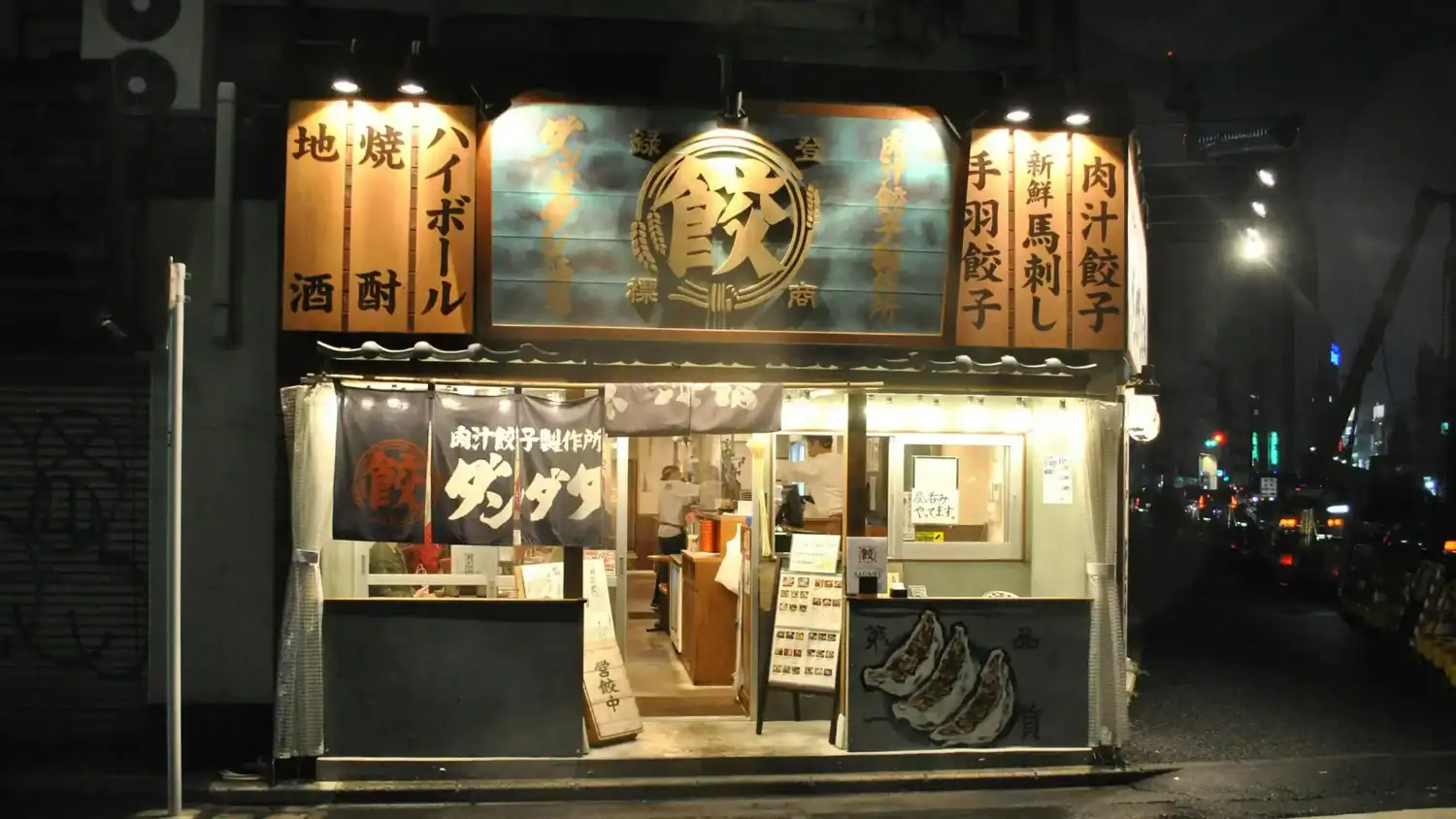
Trying Ichiran is an easy, approachable introduction to ramen, especially for solo diners or first-time visitors. The ordering system is straightforward, the menu is predictable, and the experience removes social pressure while you get comfortable with how ramen shops work.
Smaller local shops, though, felt more memorable and personal. Short menus, a handful of seats, and locals lining up outside often signaled places worth trying. The interaction is minimal, but the atmosphere feels rooted in routine rather than performance.
What made these meals stand out was the setting as much as the food. Eating quickly, watching regulars come and go, and moving on afterward offered a glimpse into everyday dining culture.
For travelers interested in cultural experiences in Tokyo, food like this often reveals more than high-profile restaurants. If you want to experience Japan beyond its major cities, this [Japan Road Trip Itinerary: Epic 8-Day Route Guide] is one of the most rewarding ways to explore.
Quick Tip: Look for ramen shops with simple menus and locals waiting outside, those are often better indicators than online reviews.
8. Spend an Evening in an Izakaya
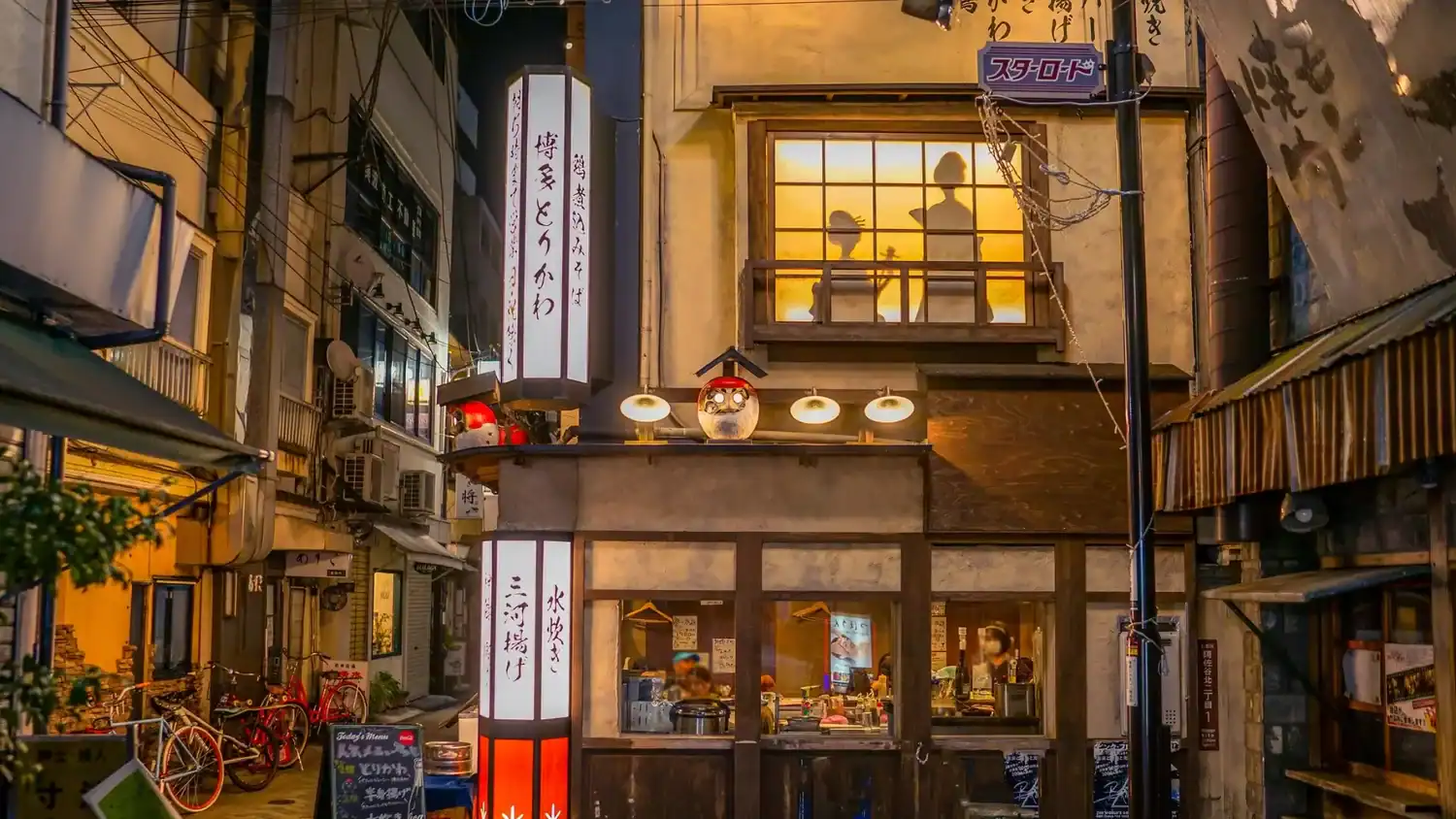
Izakayas feel different from standard restaurants the moment you walk in. Seating is closer. The atmosphere encourages sharing instead of committing to one main dish. The structure feels loose, which can seem unfamiliar at first.
That initial discomfort helps you learn how to experience Tokyo socially. You order small plates as you go. The pace of the evening slows. You pick up cues by watching how others interact with the space. No instructions needed. The experience feels lived in, not curated.
For visitors, this is one of the most immersive things to do in Tokyo if you want to participate instead of observe. Among Tokyo travel experiences, izakayas offer a clear window into everyday social life.
If izakayas are part of your Tokyo plans, choosing accommodation nearby helps the experience feel easier and more authentic.
I always advise first time travelers to learn a few Japanese phrases, especially if you enjoy engaging with people. This makes everyday interactions easier.
I listed [Simple Japanese Phrases for Travelers I Actually Used]. I kept this short list handy throughout my trip and used it more than I expected.
Quick Tip: If you’re unsure where to start, choose a small izakaya with an open entrance, it’s usually easier to read the vibe before committing.
9. Walk Through Meiji Shrine’s Forest
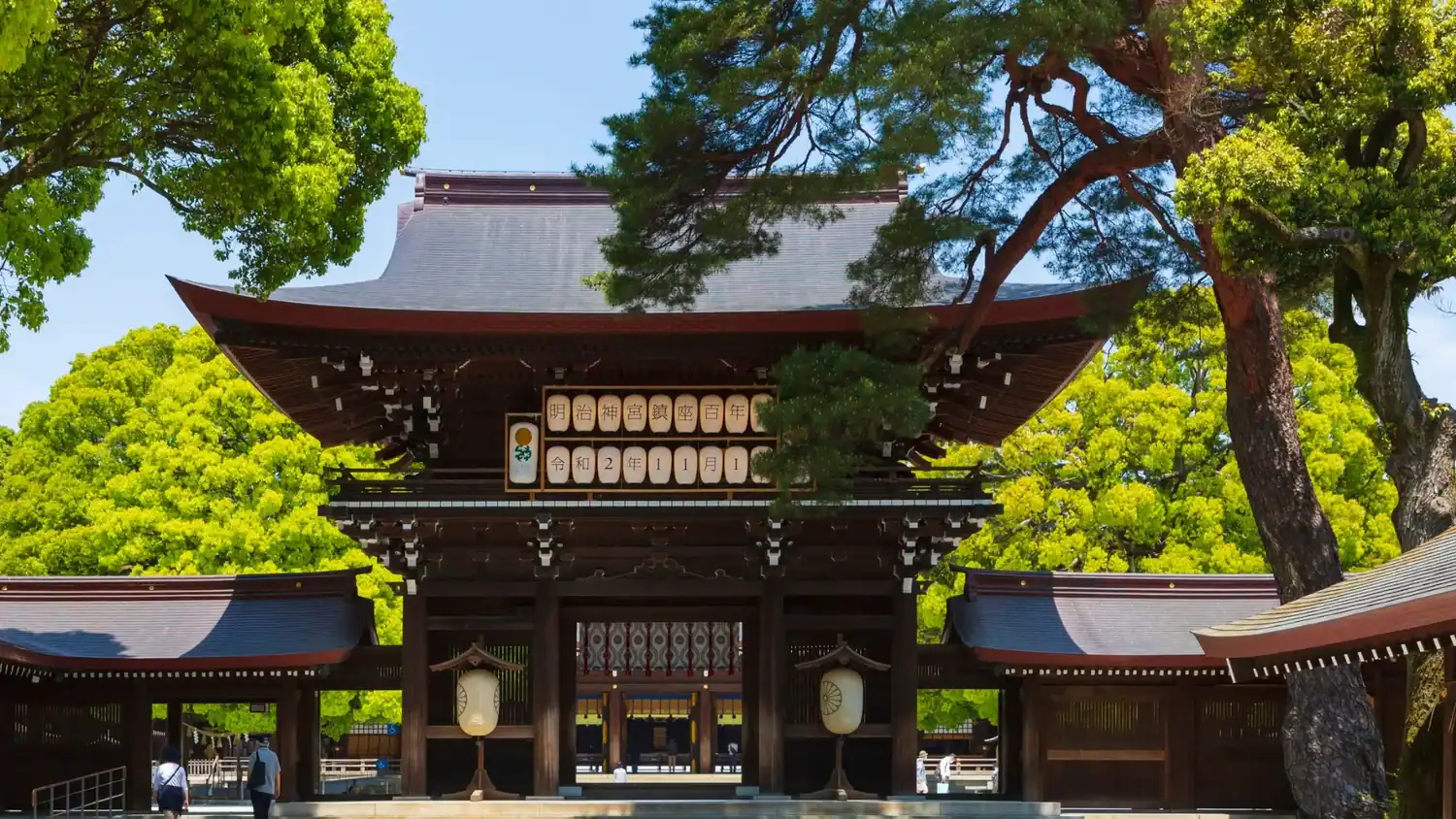
The transition from Harajuku’s energy into Meiji Shrine’s forest feels immediate. One moment you are surrounded by noise and movement. The next, you walk beneath tall trees where sound fades. That contrast alone makes the experience memorable.
What stands out is that the walk matters more than the shrine buildings themselves. The long approach slows your pace. The shift in atmosphere creates mental space. You reset without trying.
Early morning works best. Fewer people allow the forest to absorb the city more completely. The walk feels restorative instead of transitional. Among the many things to do in Tokyo, this is one of the simplest ways to recalibrate without leaving the city.
For first time travelers who prefer structure, a Meiji Shrine tour can help. These tours usually include a local guide who explains Shinto practices and the Japanese Imperial system. Everything feels clearer and more approachable.
Quick Tip: Visit early in the morning. The forest feels quieter. The walk feels more grounding before crowds arrive.
10. Visit Senso-ji Early in the Morning
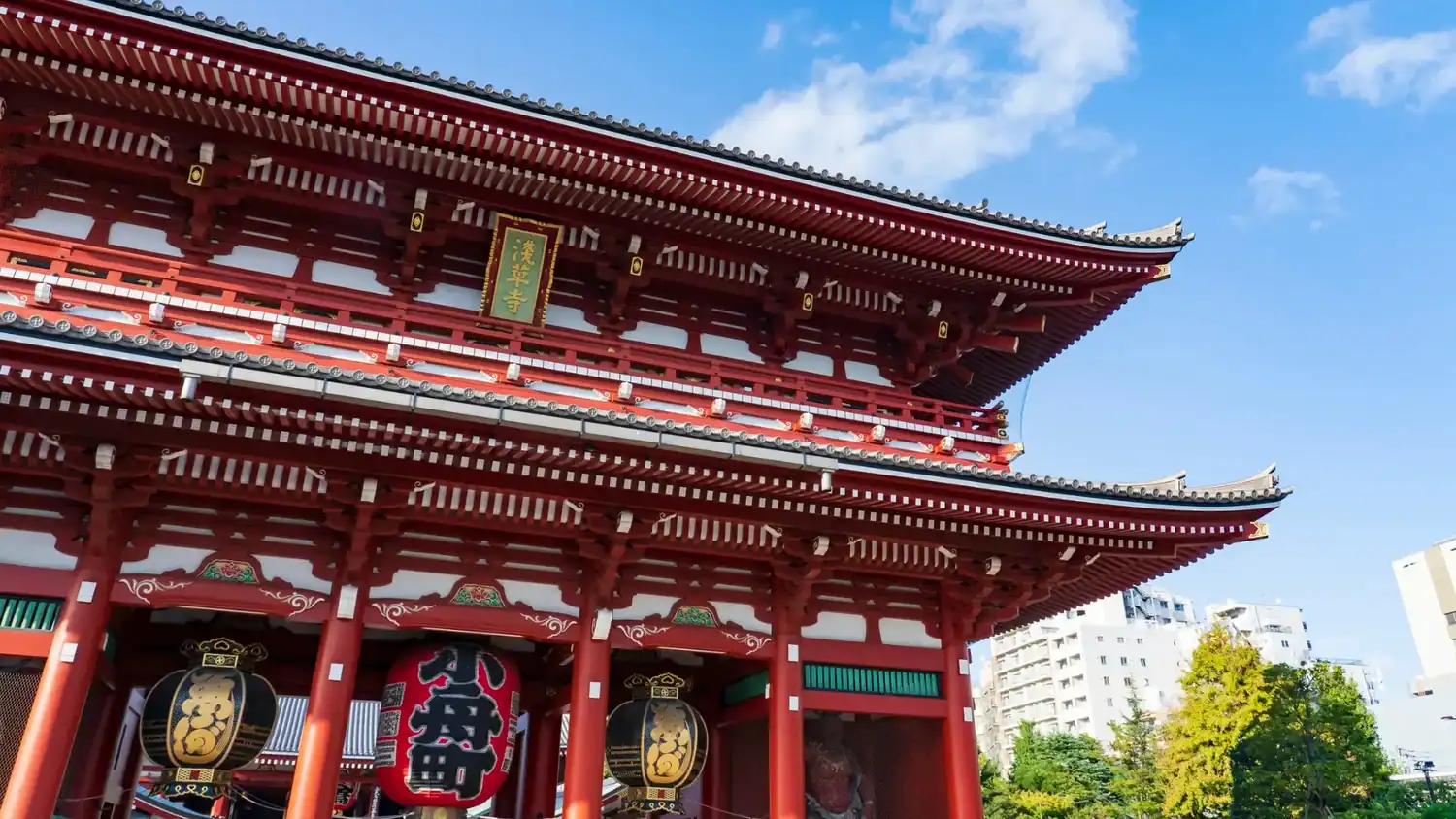
Timing completely changes the Senso ji experience. Later in the day, crowds fill the approach and the atmosphere turns noisy and rushed. Early in the morning, the grounds feel open and calm.
Without the pressure of moving through crowds, details become easier to notice. The smell of incense lingers. Footsteps echo softly. The steady rhythm of people passing through feels deliberate. The visit feels intentional instead of hurried.
This is one of those things to do in Tokyo where timing decides whether it feels meaningful or forgettable. Early mornings make the visit worthwhile, especially if this is your first time seeing the temple.
This suits early risers and first time visitors who want fewer distractions. If you are unsure how to get there or which spots matter most, a small group tour is a good option. Guides also point out which nearby shops are best for souvenirs.
Quick Tip: Arrive shortly after sunrise to experience Senso ji before the crowds arrive. There is a huge difference in the experience.
11. Explore Akihabara Beyond the Main Strip
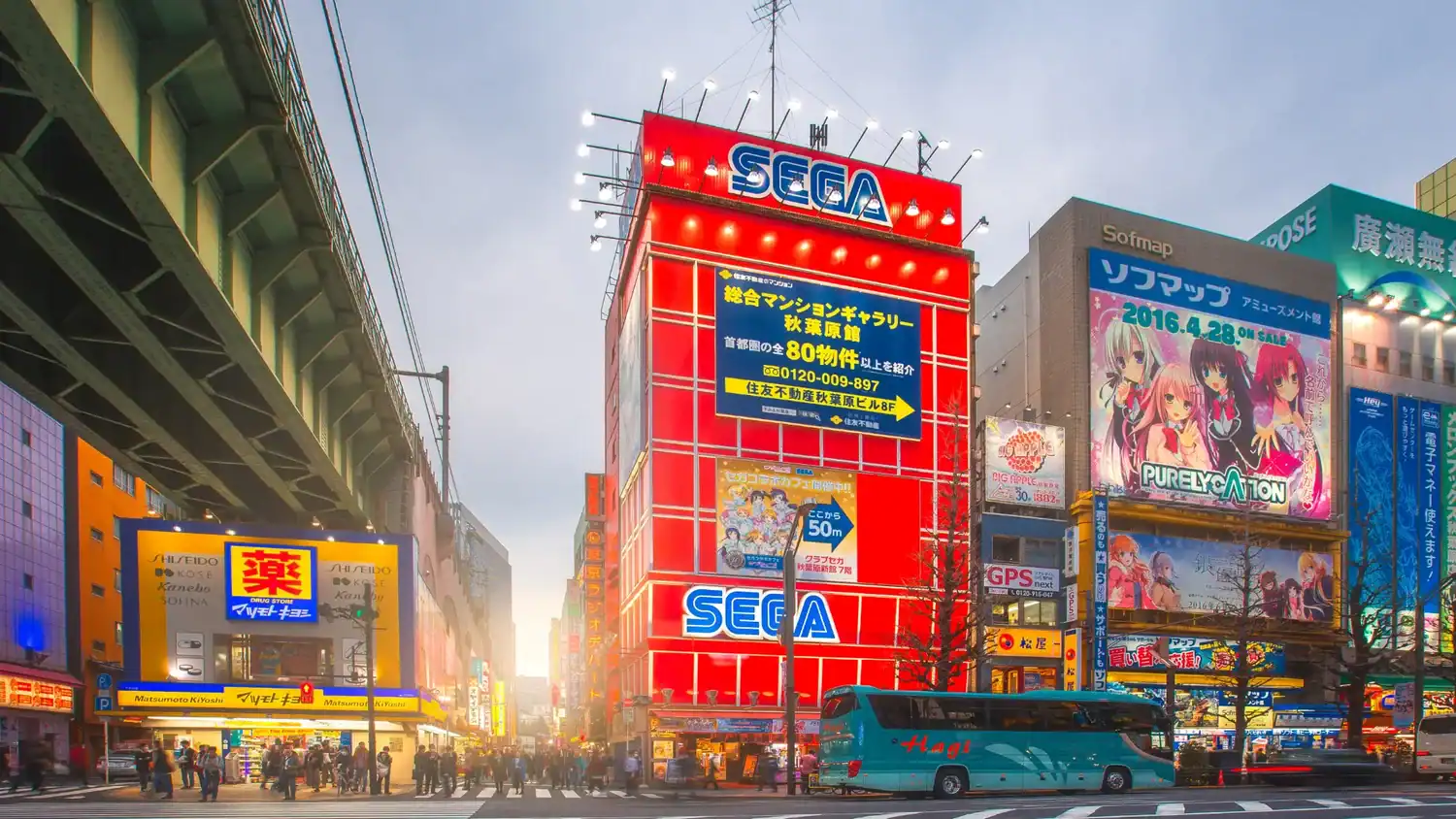
Akihabara’s main street can feel overwhelming at first. Bright signage, constant noise, and dense crowds make it easy to disengage quickly, especially if you are unsure what you are looking at.
The side streets feel calmer and more rewarding. Smaller specialty shops, quieter arcades, and niche hobby stores reveal a more focused side of the area. Even if anime or gaming is not your main interest, curiosity keeps the experience engaging.
If you love manga and anime, this area is a highlight. Shops like Mandarake Complex and Animate Akihabara are easy entry points. They are organized, approachable, and filled with genre specific finds.
If you want context without feeling lost, joining an Akihabara tour can help. A local guide explains what you are seeing and points out manga and anime spots you might otherwise miss, which makes the visit smoother on a first trip.
You do not need to stay long. A short, intentional walk beyond the main strip offers enough insight without fatigue. Among Tokyo travel experiences, this works best as a brief stop rather than a major time commitment.
Quick Tip: Visit in the late afternoon. Shops are fully open, crowds are lighter than evenings, and it is easier to explore side streets without feeling rushed.
12. Get Lost in Shimokitazawa
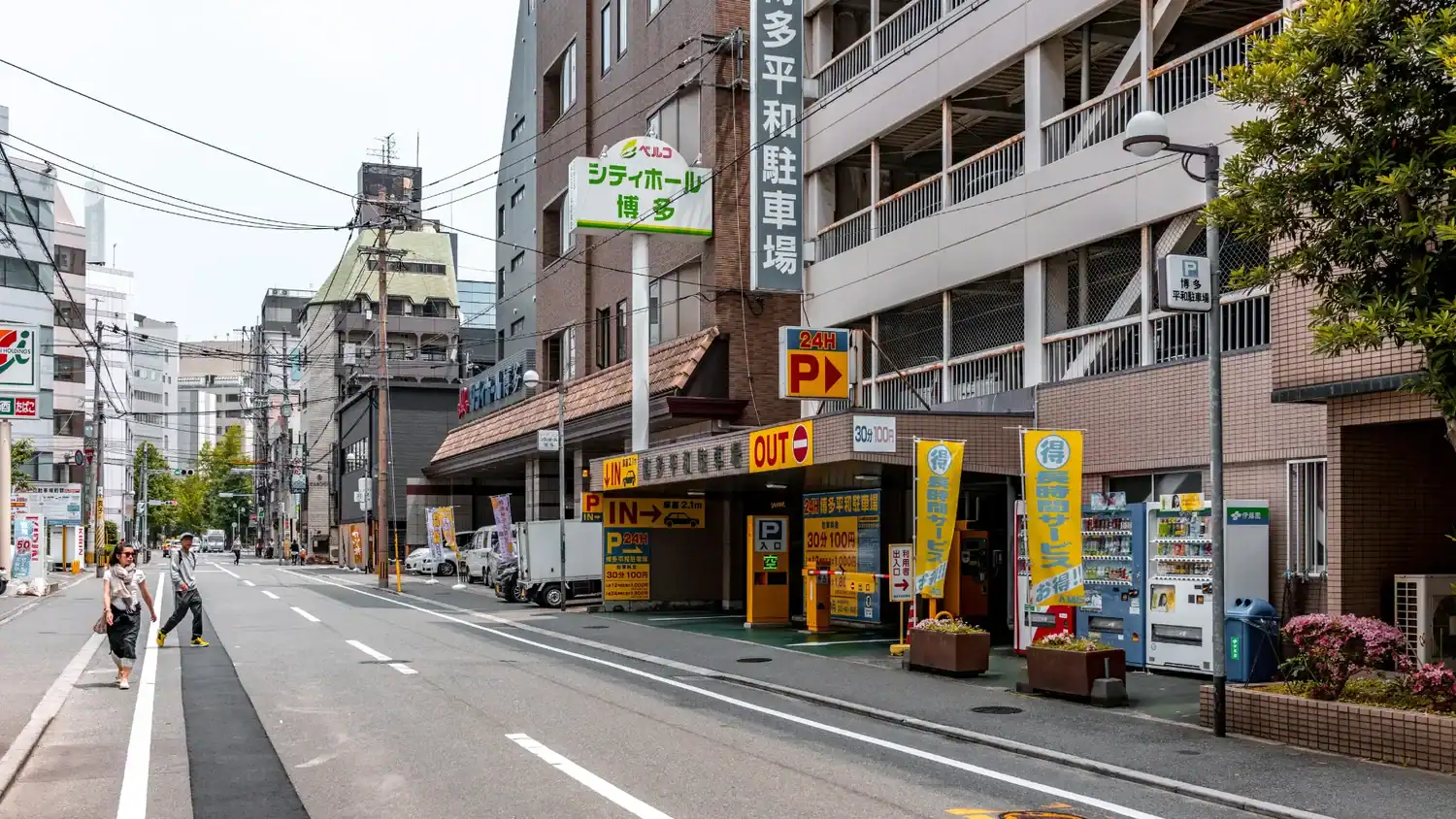
Shimokitazawa invites wandering. Side streets branch off without warning. Small shops, cafés, and secondhand stores reward curiosity instead of planning. Getting lost feels intentional, not inconvenient.
What stands out is how livable the area feels. People linger without rushing. Creative spaces blend into residential streets. The pace feels softer than central Tokyo. There is no pressure to optimize your route or chase specific stops.
This area suits travelers who love vintage shopping and want a different city rhythm. The energy feels relaxed but creative. If you prefer structure, a private tour can help you use your time well while avoiding the hassle of figuring everything out on your own.
After areas defined by scale and intensity, Shimokitazawa feels human sized. Among the many things to do in Tokyo, this is one of the easiest ways to experience a slower, more personal side of the city.
One thing I noticed while traveling in Japan is that the same foods show up in many places. That is not a bad thing, but it can take time to figure out what is worth trying. I put together [22 Japanese Foods to Try in Japan and Where to Find Them] to help you choose what to eat and where to find it more easily.
Quick Tip: The area has many thrift stores to choose from. Start with the side streets. Thrift shops are smaller, better curated, and less crowded than the main stretch.
13. Sit in a Japanese Garden and Slow Down
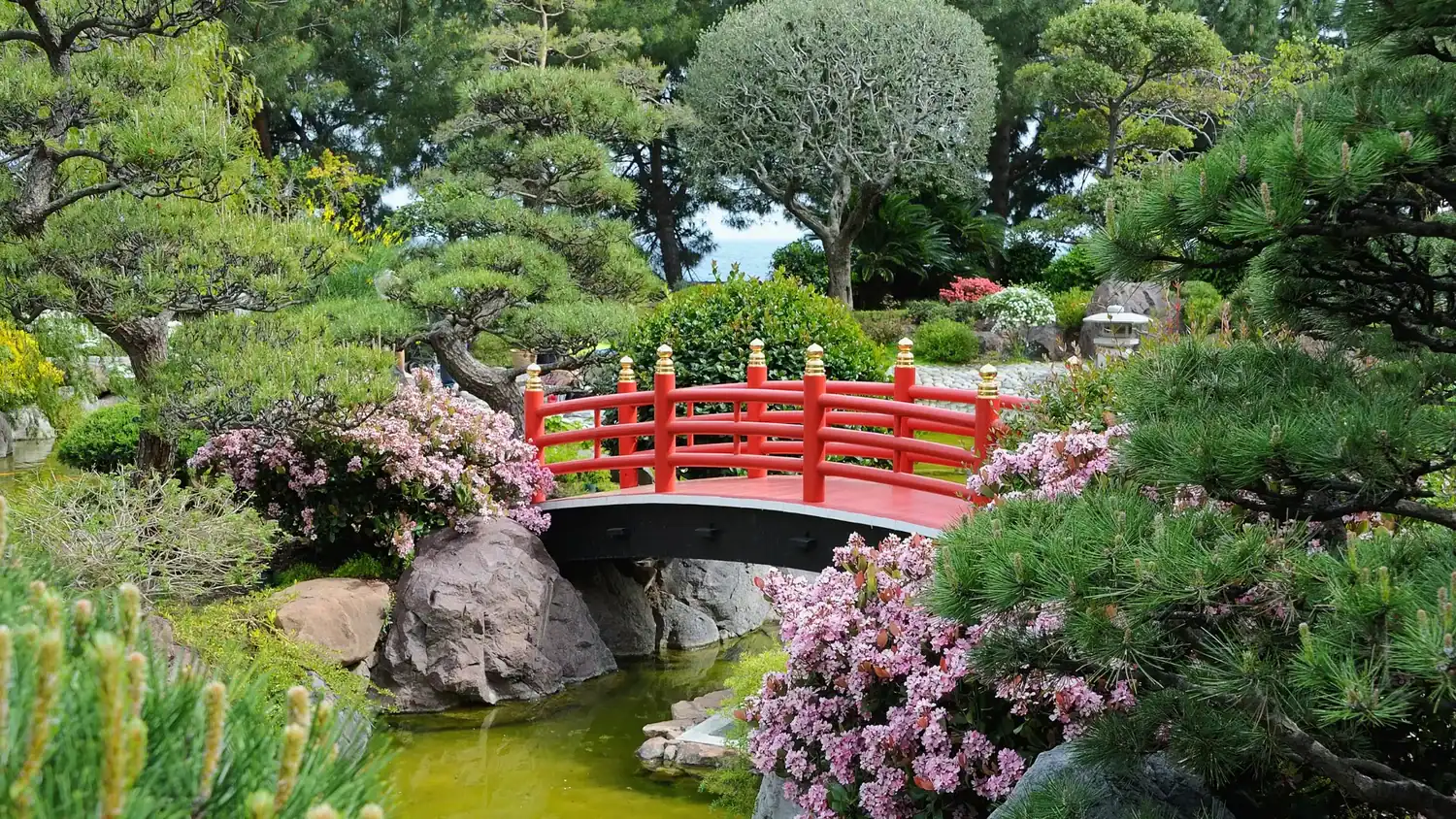
One of the quietest moments of the trip came from sitting in a Japanese garden with no plan to move on quickly. After days of constant stimulation, intentional rest stood out just as much as major attractions.
The value was not in seeing everything, but in staying still long enough to notice small details, shifting light, careful landscaping, and the rhythm of other visitors doing the same. In a city that rewards movement, choosing stillness felt grounding.
Among Tokyo travel experiences, this kind of pause matters more than it first appears. Spring and autumn offer the best balance between comfort and atmosphere, though any season rewards travelers willing to slow down.
Quick Tip: Locals tend to prefer spring or fall because the weather feels comfortable. Spring is especially pleasant, with cherry blossoms adding color and shade. The garden feels calmer and more inviting during this season.
14. Take One Thoughtful Day Trip From Tokyo
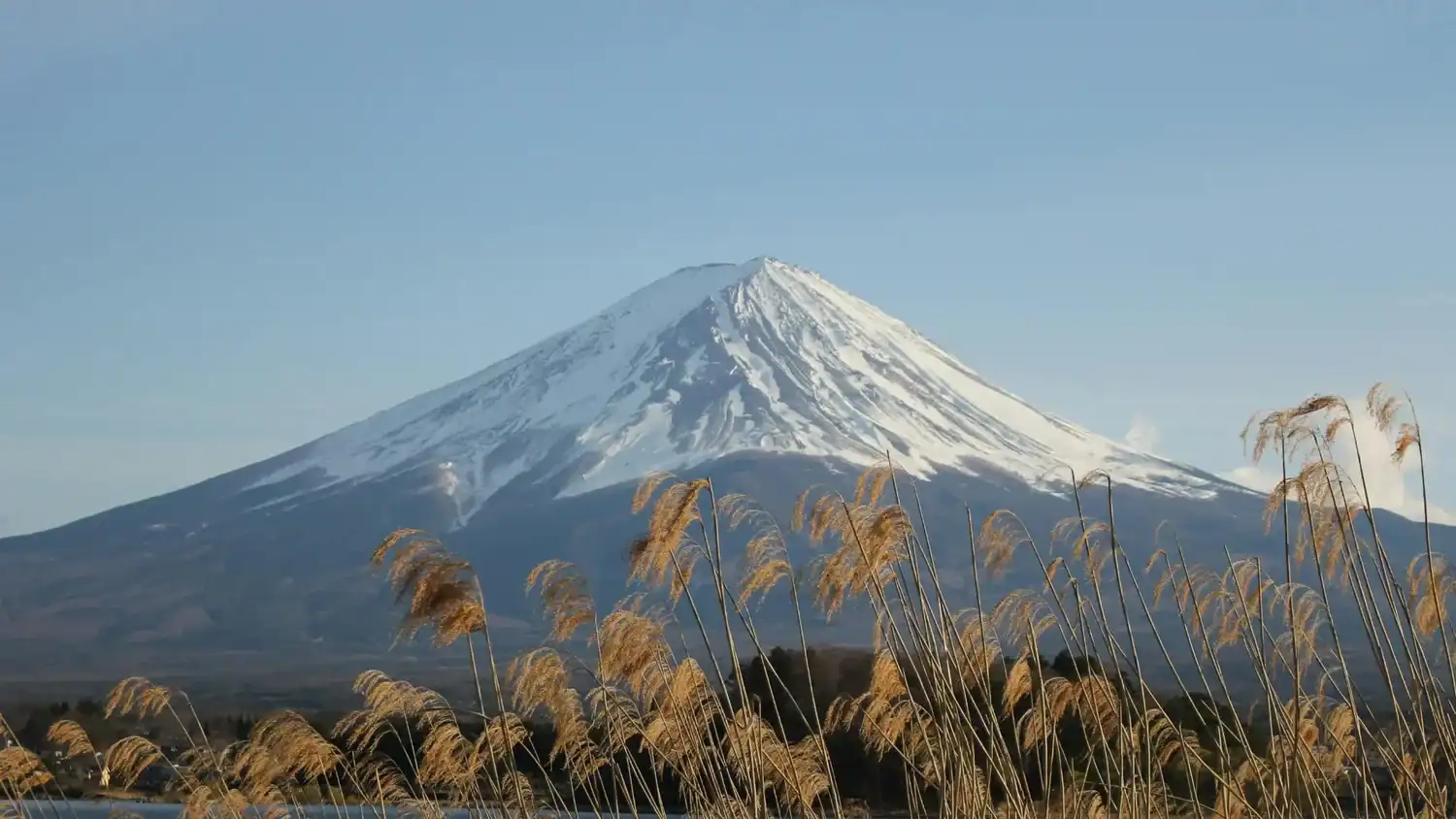
Not all day trips from Tokyo feel worth the time. Some involve long travel for limited payoff. Others strike a better balance between effort and experience. Choosing carefully makes a clear difference.
One trip that felt especially well paced was Kamakura. Walkable streets, historical sites, and coastal scenery filled the day without feeling rushed. Other options felt too crowded or too spread out to enjoy in a single day.
The key is to choose based on your interests and energy, not obligation. Among Tokyo itinerary ideas, one thoughtful day trip often adds more value than trying to squeeze in several.
If you are unsure which day trip to take, I listed [10 Best Day Trips from Tokyo (That Are Actually Worth It)]. This guide helps first time visitors choose options that make sense and includes sample itineraries that save time and money.
Quick Tip: Check the return train times before you leave. Planning your way back first helps you avoid rushing through the best parts of the day.
15. Do Less Than You Planned — On Purpose
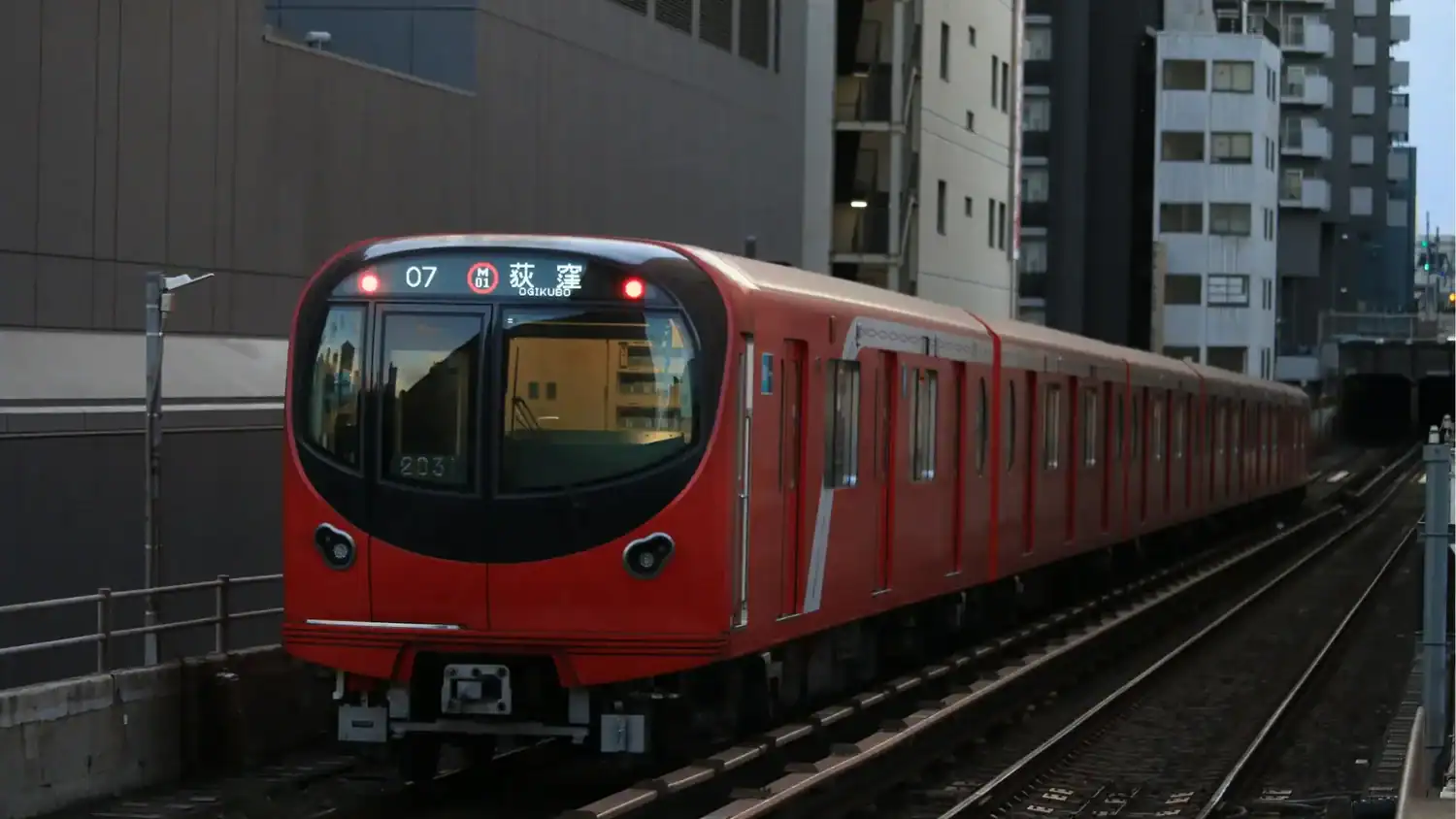
One of the most memorable moments of the trip came from doing less, not more. Leaving space in the day allowed unexpected moments to surface — a longer walk than planned, an unhurried meal, a neighborhood that invited lingering rather than moving on.
Over-planning in Tokyo can backfire. The city is dense, stimulating, and constantly offering something new. Trying to fit too much into each day creates fatigue and turns experiences into obligations rather than choices.
Redefining what a “successful” Tokyo trip looks like made everything feel lighter. Instead of measuring days by how much was accomplished, the focus shifted to how experiences felt. That shift changed the pace of the entire trip.
Among all the things to do in Tokyo, giving yourself permission to slow down may be the most valuable choice of all.
Quick Tip: I started each day by picking one non negotiable plan and leaving the rest open. This made room for better walks, longer meals, and moments I would have missed if the schedule was full.
How to Decide What’s Actually Worth It for Your Tokyo Trip
You don’t need to do more in Tokyo — you need to do the right things.
The experiences that ended up mattering most weren’t the ones that filled time or looked impressive on a list. They were the ones that helped me understand how the city works, how neighborhoods feel, and how daily life moves when you slow down enough to notice it.
When something added clarity or removed guesswork, it was usually worth it. When it felt interchangeable, rushed, or hard to enjoy without constant planning, it wasn’t.
A good rule of thumb is this: if an experience helps you see Tokyo more clearly or makes your days feel easier, it’s probably worth prioritizing. If it doesn’t, it’s often better left flexible — or skipped entirely.
Tokyo rewards intention more than ambition. Choosing fewer experiences that give you context will almost always lead to a better trip than trying to see everything.
Helpful Guides for Planning a Trip to Japan
- I Tried the Best Sushi Making Class in Tokyo
- The Best eSIM for Japan That Actually Worked for Me
- 10 Best Day Trips from Tokyo (That Are Actually Worth It)
- Is the Tokyo Metro Pass Worth It?
- 15 Best Kawaguchiko Hotels with Mt. Fuji Views
- 14 Of The Best Cooking Classes In Tokyo For Tourists
- 14 Cooking Classes in Kyoto You’ll Love
- 10 Fun and Authentic Cooking Classes in Osaka
- 15 Non-Touristy Things to Do in Kyoto for an Authentic Experience
- Do I Need Travel Insurance for Japan?
- The 2 Day Tokyo Itinerary You Won’t Feel Rushed
- Japan Road Trip Itinerary: Epic 8-Day Route Guide
- Simple Japanese Phrases for Travelers I Actually Used
- How to Plan the Perfect Mt. Fuji Itinerary
- 2 Day Kyoto Itinerary That Will Make You Fall in Love With Japan
- Best and Worst Time to Visit Japan: First-Timer’s Guide
- 22 Japanese Foods to Try in Japan and Where to Find Them
- Restaurant Etiquette in Japan for Your Next Trip
- Best Street Food in Tokyo and Where To Find It?
- Traditional Festivals in Japan You Can Still Experience Today
