Best and Worst Time to Visit Japan: First-Timer’s Guide

If you’re planning your first trip to Japan, one of the biggest questions you’ll face is: “When is the Best and Worst Time to Visit Japan, and what should I avoid?” With four distinct seasons and some major travel rush periods, timing your trip is one of the most important decisions you’ll make.
Maybe you want to see cherry blossoms, enjoy Kyoto’s autumn colors, or avoid the heavy crowds. I felt the same way during my trip.
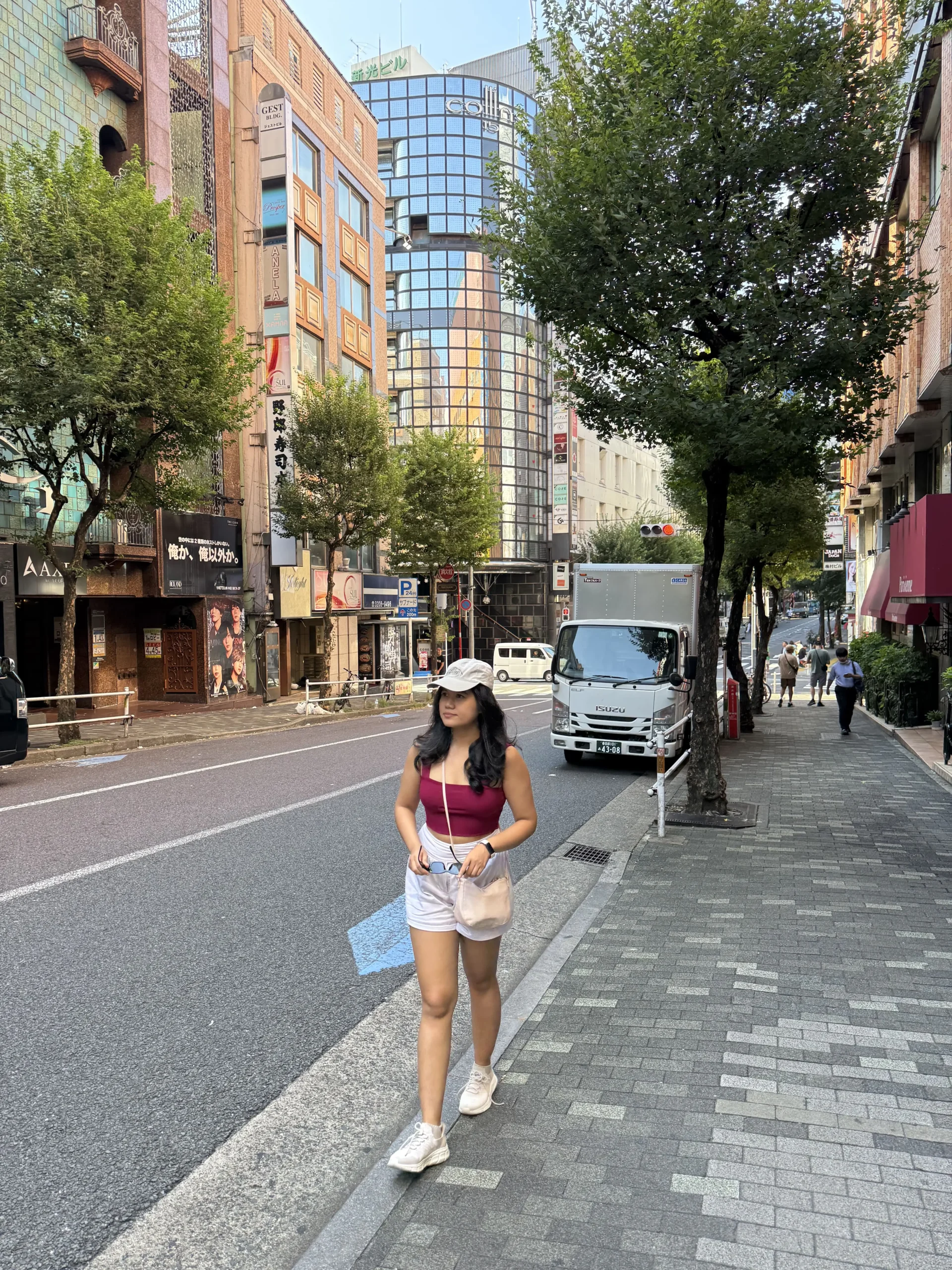
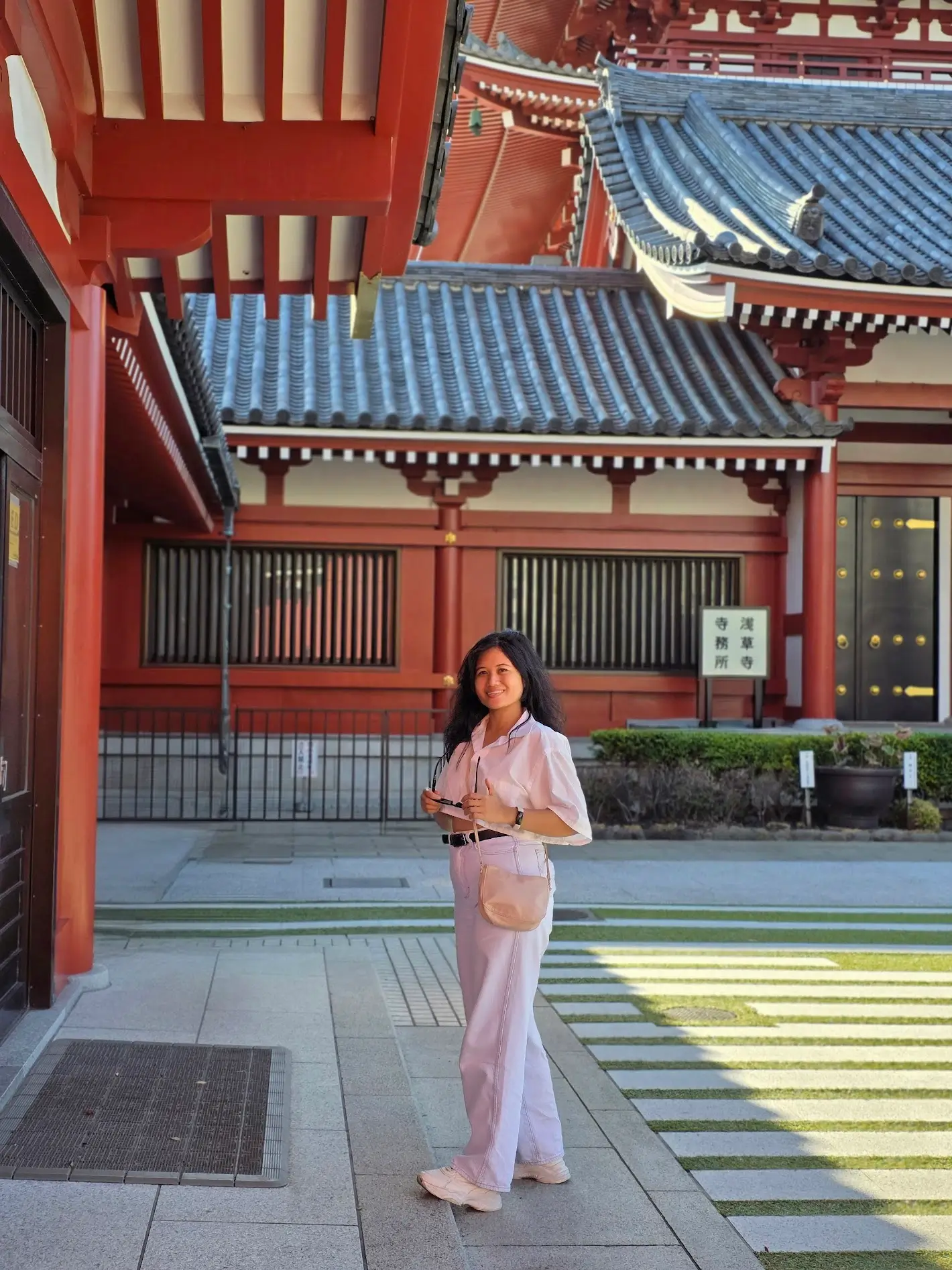
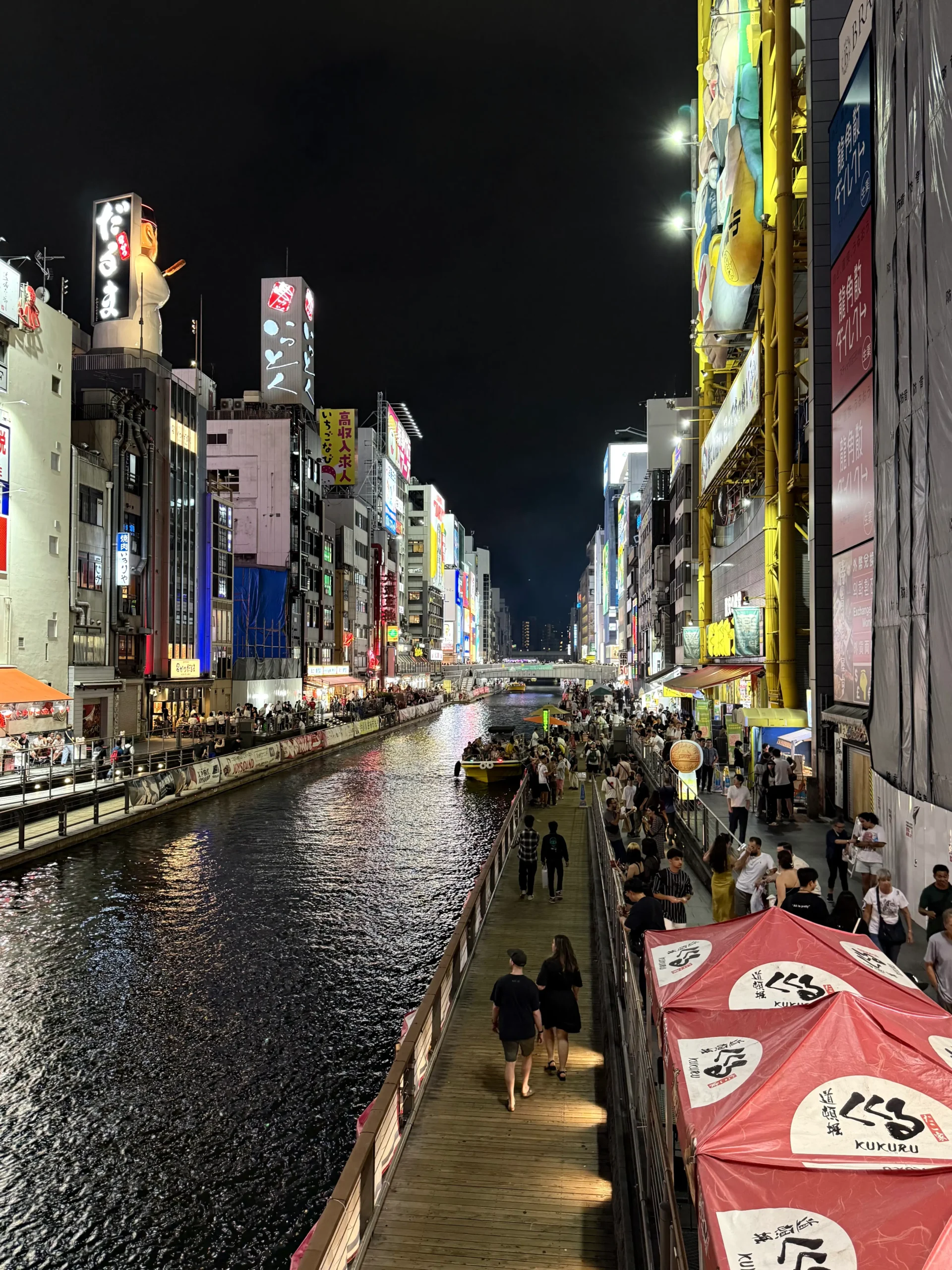
I went to Japan in September, and while I loved the early hints of fall and the quieter temples, I also learned just how humid the tail end of summer can be.
In this guide, I break down the best and worst times to visit Japan, what each season is really like, how to avoid the crowds, and the timing that matches your travel style.
By the end, you’ll know exactly when to book your flights and what to expect during your trip, without second-guessing your decision.
This post contains affiliate links. If you book through them, I may earn a small commission — at no extra cost to you. I appreciate your support! Read our full disclosure.

🌸 Spring
Cherry Blossoms, Festivals… and Crowds
(March to May)
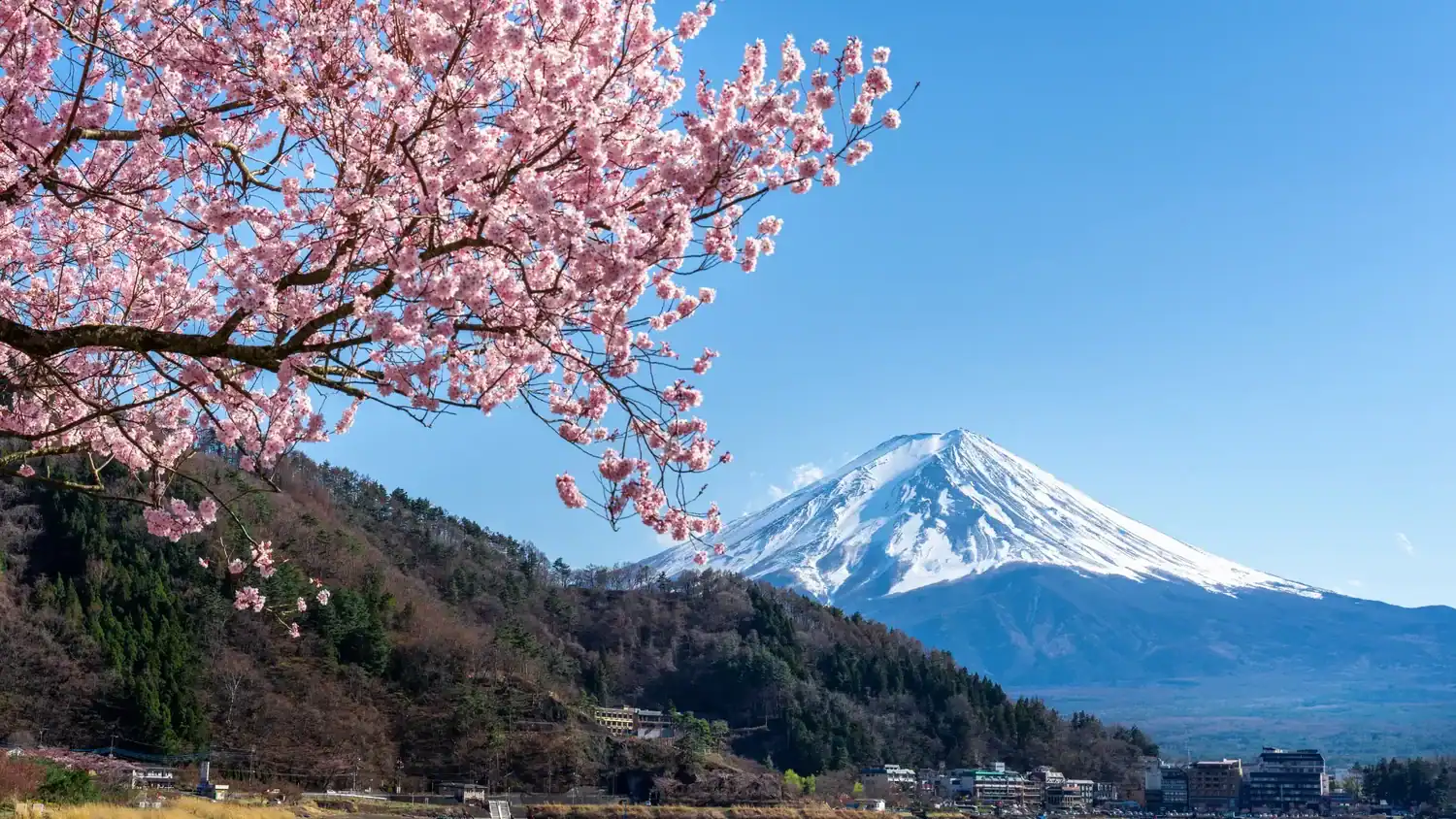
Spring is the season most first-time travelers picture when they dream of Japan. The weather is generally mild and pleasant, with cool mornings, warm afternoons, and the occasional light rain shower. It’s the perfect time to explore parks, wander temple paths, and enjoy outdoor festivals.
Spring Highlights
- Cherry blossoms (late March to early April)
- Hanami picnics in parks
- Seasonal treats like sakura mochi
- Iconic events such as the Takayama Spring Festival
Crowd Warning
Spring looks great, but it is also one of the busiest seasons. Many travelers visit Japan during this time, and locals enjoy it because the weather stays mild.
You will see large crowds during:
• Peak sakura bloom, timing changes each year
• Golden Week in late April to early May, a major domestic travel period
If you want to plan a smoother spring trip, start with the [2 Day Kyoto Itinerary That Will Make You Fall in Love With Japan]. It gives you a clear route you can follow even on busy days.
Best Time to Visit in Spring
For the perfect balance of good weather and fewer crowds, plan to visit from mid-April to early May, just after the peak sakura season and before the arrival of Golden Week crowds.
My Sakura Experience
During one trip, we planned our Kyoto stay for the week after the main cherry blossom rush. The petals were still on the trees, and light pink flakes covered the paths along the river in Gion.
We reached Maruyama Park early and saw only a few locals preparing for quiet hanami picnics. By visiting a few days after the usual peak bloom, we enjoyed sakura season without the packed crowds.
Quick Tip: Visit popular cherry blossom spots early in the morning. You get better light for photos, and you avoid the mid-day rush that builds fast in spring.
☀️ Summer
Festivals, Fireworks, and Fierce Heat
(June to August)
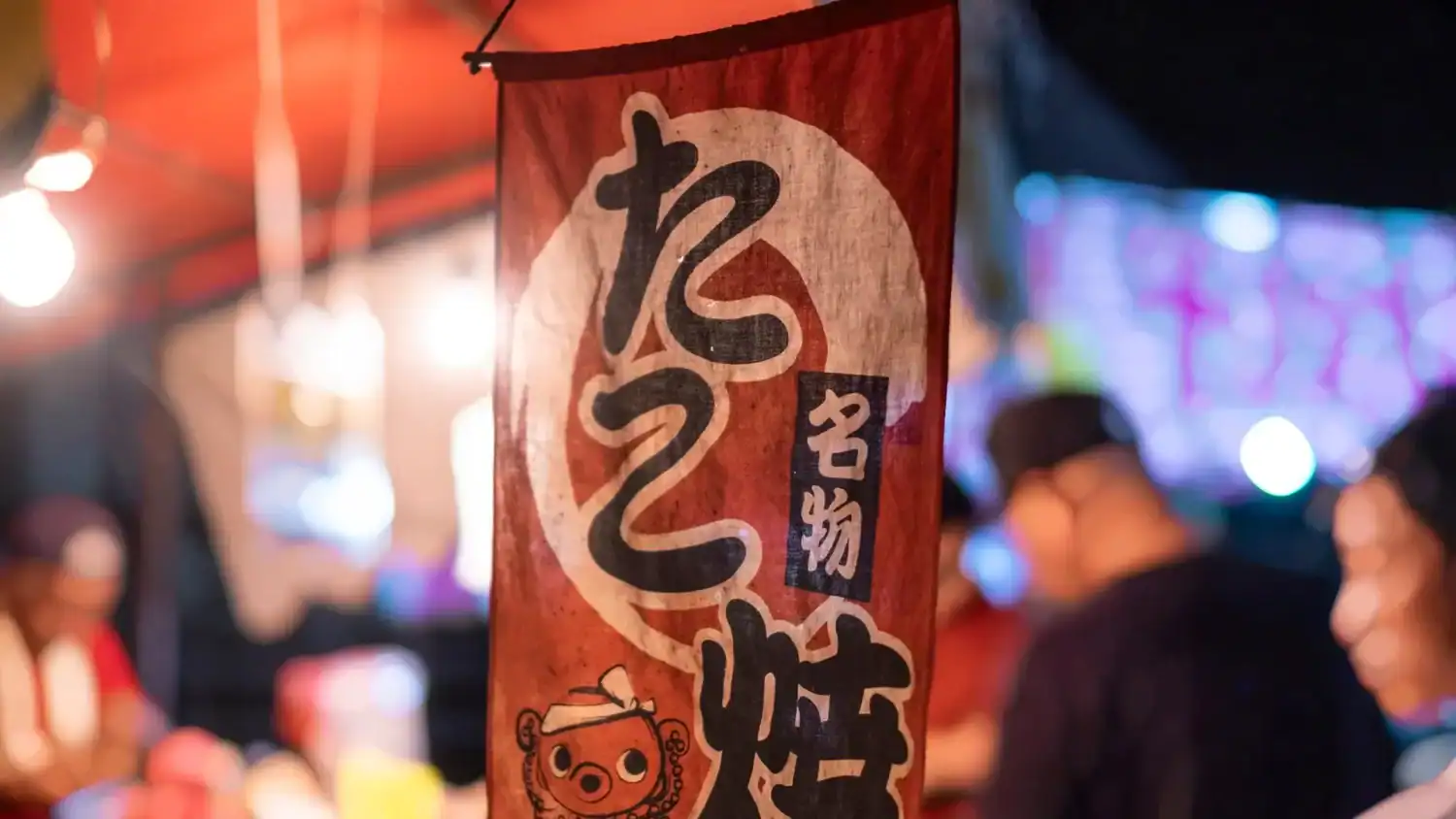
Summer in Japan is vibrant, loud, colorful, and unforgettable. It is also hot and very humid, so prepare for weather that feels tropical from the moment you step outside. June marks the start of the rainy season, and late summer can bring typhoons, especially in coastal regions.
Summer Highlights
- Gion Matsuri in Kyoto, one of Japan’s biggest festivals
- Fireworks festivals that light up the night sky across the country
- Lush green landscapes are perfect for photography
- Refreshing seasonal treats such as cold soba, kakigori, and konbini drinks
If you want help choosing where to go, check the [Japan Road Trip Itinerary: Epic 8-Day Route Guide] for ideas you can use right away.
The Downsides
Summer can be challenging for some travelers. You can expect intense humidity, heavy reliance on air conditioning, large crowds during school holidays in July and August, and occasional typhoon disruptions. If you do not mind the heat and enjoy lively events, summer still offers plenty of memorable experiences.
Who This Season Is Best For
- Festival lovers who want to experience Japan’s most iconic celebrations
- Travelers visiting during school break
- Anyone who enjoys long, warm evenings and cultural events.
Quick Tip: Pack light summer clothes and keep a drink with you at all times because the heat and humidity rise fast during the day.
🍁 Autumn
Fewer Crowds and Stunning Foliage
(September to November)
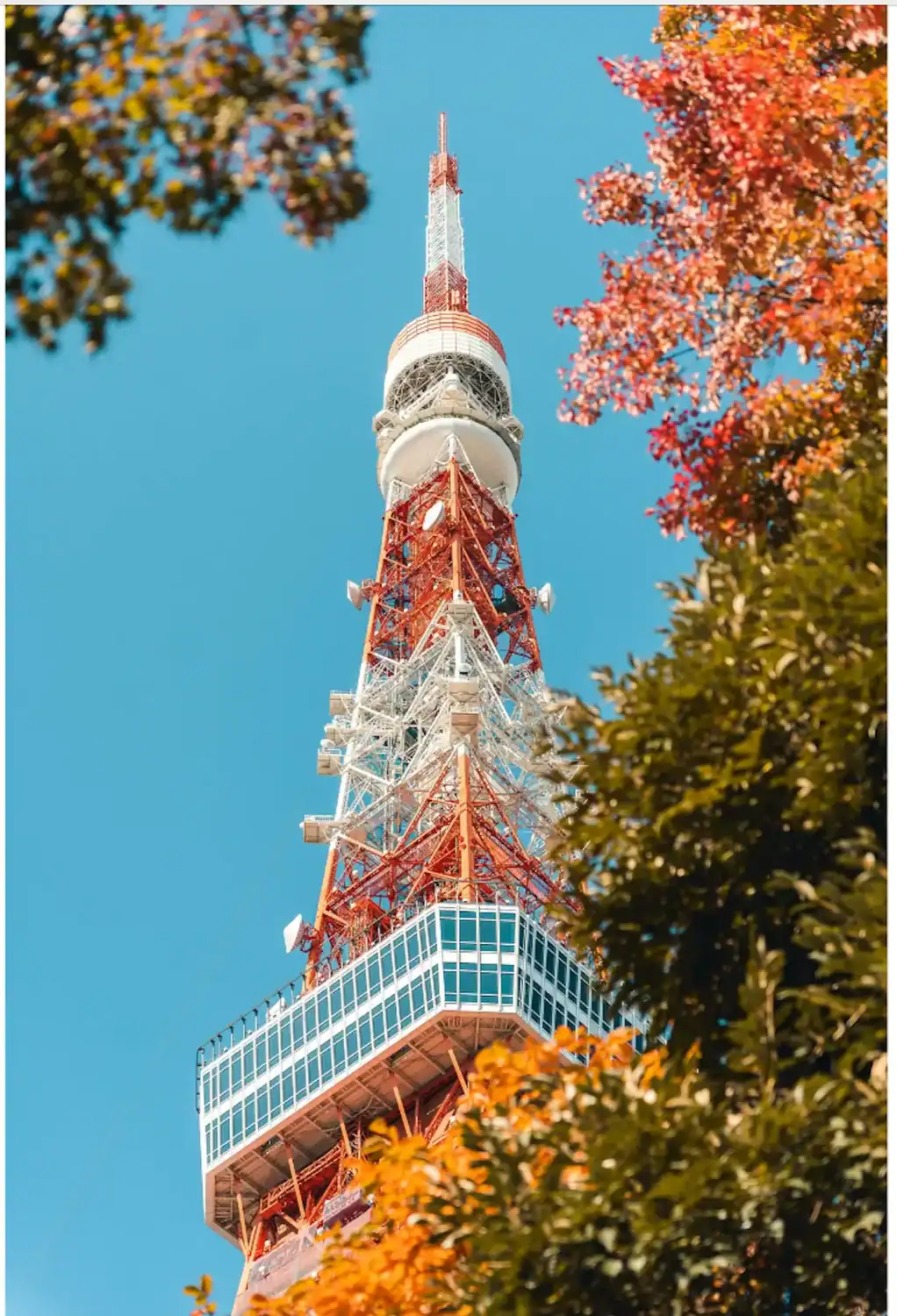
Autumn is one of the most beautiful and comfortable times to visit Japan. Temperatures are cool and crisp, rainfall is low, and the changing leaves transform parks, temples, and mountain towns into vibrant shades of red, orange, and gold. It is an especially calm time for first-timers who want great weather without the spring crowds.
Autumn Highlights
- Koyo (autumn foliage) across the country
- More affordable hotel prices in early fall
- Perfect walking weather for exploring cities and temples
- Scenic landscapes are ideal for photography
If you are building your itinerary around Kyoto, you may enjoy pairing this season with my [15 Non-Touristy Things to Do in Kyoto for an Authentic Experience], exploring quieter spots through.
Reserve your stay through Agoda and enjoy 5% off when you use the code “GLADISAGODA.”
Best Time for Leaf Viewing
For the most vibrant colors in Kyoto and Osaka, plan for mid-November, when the foliage is typically at its peak and the temperatures are still comfortable for long days of sightseeing.
Why Autumn Is Great for First-Timers
Autumn works well for first-timers because the weather stays comfortable for long days outside. Photographers get clear skies and bright foliage.
Hikers and city walkers enjoy cooler temperatures that make each day easier. Travelers who watch their budget also benefit because prices stay lower compared to peak spring.
Quick Tip: Early to mid-November gives you vibrant foliage with smaller crowds. You get clearer views at popular temples and shorter lines at major spots.
❄️ Winter
Quiet Cities and Snowy Scenes
(December to February)
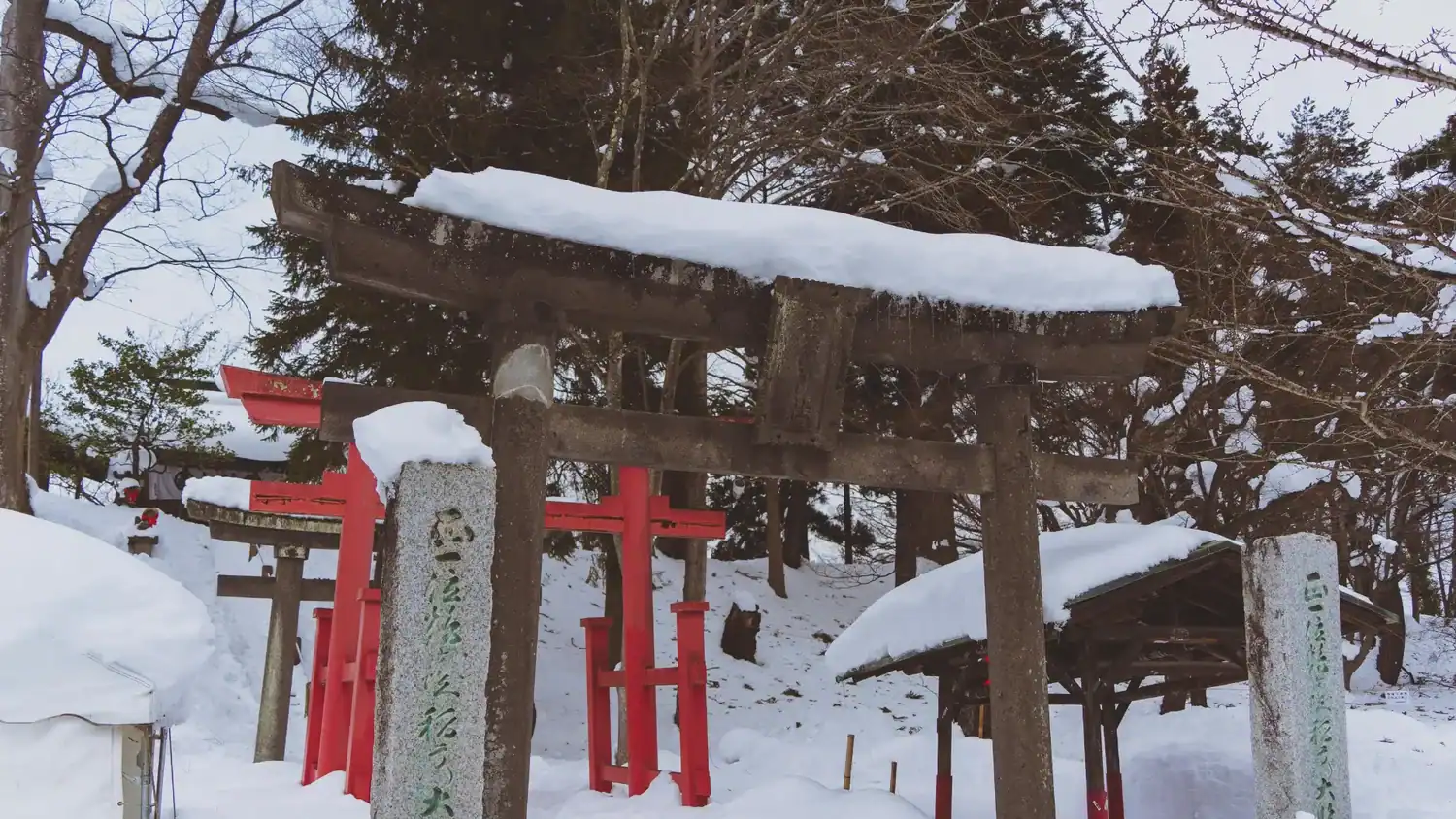
Winter in Japan is calm, cozy, and incredibly scenic. While cities like Tokyo and Kyoto get cold, northern regions such as Hokkaido and Nagano are blanketed in deep, powdery snow. It is an ideal season if you love winter landscapes or prefer quieter sightseeing days.
Winter Highlights
- Famous snow festivals, including the Sapporo Snow Festival
- Relaxing onsens with mountain views
- World-class skiing and snowboarding in places like Niseko and Hakuba
- Beautiful winter illuminations that light up city streets
To ensure your trip is truly unforgettable, learn [How to Plan the Perfect Mt. Fuji Itinerary]. I mentioned here the best seasonal times, what to pack, what mistakes to avoid, and I also suggest the best places to eat!
Crowd Alert
The one period to watch out for is New Year’s (December 29 to January 3). This is one of Japan’s busiest domestic travel weeks, and many restaurants and shops close for the holiday. Transportation also becomes crowded as families travel home.
Who Winter Is Best For
- Travelers who love hot springs
- Skiers and snowboarders
- Visitors wanting Christmas lights, holiday markets, or snowy scenery
My New Year Experience
Traveling in Japan during the New Year holiday is both magical and slightly chaotic. I remember visiting a shrine for hatsumode, the first shrine visit of the year, and joining a long but cheerful line of locals bundled in scarves.
Later that night, I searched for dinner and realized how many restaurants had closed for the holiday, which led to a surprisingly memorable bowl of convenience-store ramen on a quiet backstreet. It is a fascinating time to be in Japan, but a bit of planning goes a long way.
The Worst Times to Visit Japan (for First-Timers)
While Japan is amazing year-round, there are a few periods that can make a first trip more stressful than it needs to be. These times come with heavier crowds, higher prices, or weather challenges that make sightseeing harder.
Golden Week (late April to early May)
This is one of Japan’s biggest travel holidays, and almost everyone is on the move. Expect fully booked hotels, crowded trains, and long lines at popular attractions.
Obon (mid-August)
Obon is another major travel period when families return to their hometowns. Combine that with intense heat and humidity, and it becomes a tough time for sightseeing. Some businesses may also close temporarily.
New Year’s Holiday (late December to early January)
Japan slows down significantly during this time. Many restaurants close for several days, transportation becomes crowded, and prices for accommodations can surge.
Rainy Season (June)
June is muggy, wet, and unpredictable. While it is not a bad time if you enjoy indoor activities or quiet museums, it can be frustrating for outdoor sightseeing or photography.
The Best Time to Visit Japan to Avoid Crowds
If your goal is to experience Japan at a calmer pace, these are the seasons most travelers overlook. They offer great weather, fewer crowds, and better hotel availability without the frenzy of peak travel periods.
Late May to Early June
This quiet window falls right after Golden Week and just before the rainy season. Temperatures are comfortable, and popular attractions feel noticeably calmer.
Mid-September
This is when I visited Japan, and I was surprised by how peaceful it felt. The summer heat starts to fade, hotels are more affordable, and major tourist spots are much easier to enjoy early in the day.
Early December
Cities begin to put up winter illuminations, but the holiday rush has not begun yet. It is one of the best times for photographers and travelers who want festive atmosphere without the crowds.
Why These Times Feel Magical
Lower prices, shorter lines at major attractions, more availability for popular hotels, and a relaxed, slow-travel feeling that is hard to find during peak season make these underrated sweet spots ideal if you want the best of Japan without rushing or squeezing through crowds.
What Time of Year Matches Your Travel Style?
|
Travel Goal |
Best Time to Visit |
|---|---|
|
Cherry Blossoms |
Late March–early April |
|
Autumn Leaves |
Mid–late November |
|
Skiing & Snow |
January–February |
|
Cultural Festivals |
July (Gion), October (Matsuri) |
|
Budget-Friendly Travel |
Late May, mid-September, early December |
|
Avoiding Crowds |
Mid-November, early December, late May |
Final Thoughts: When Should You Visit Japan?
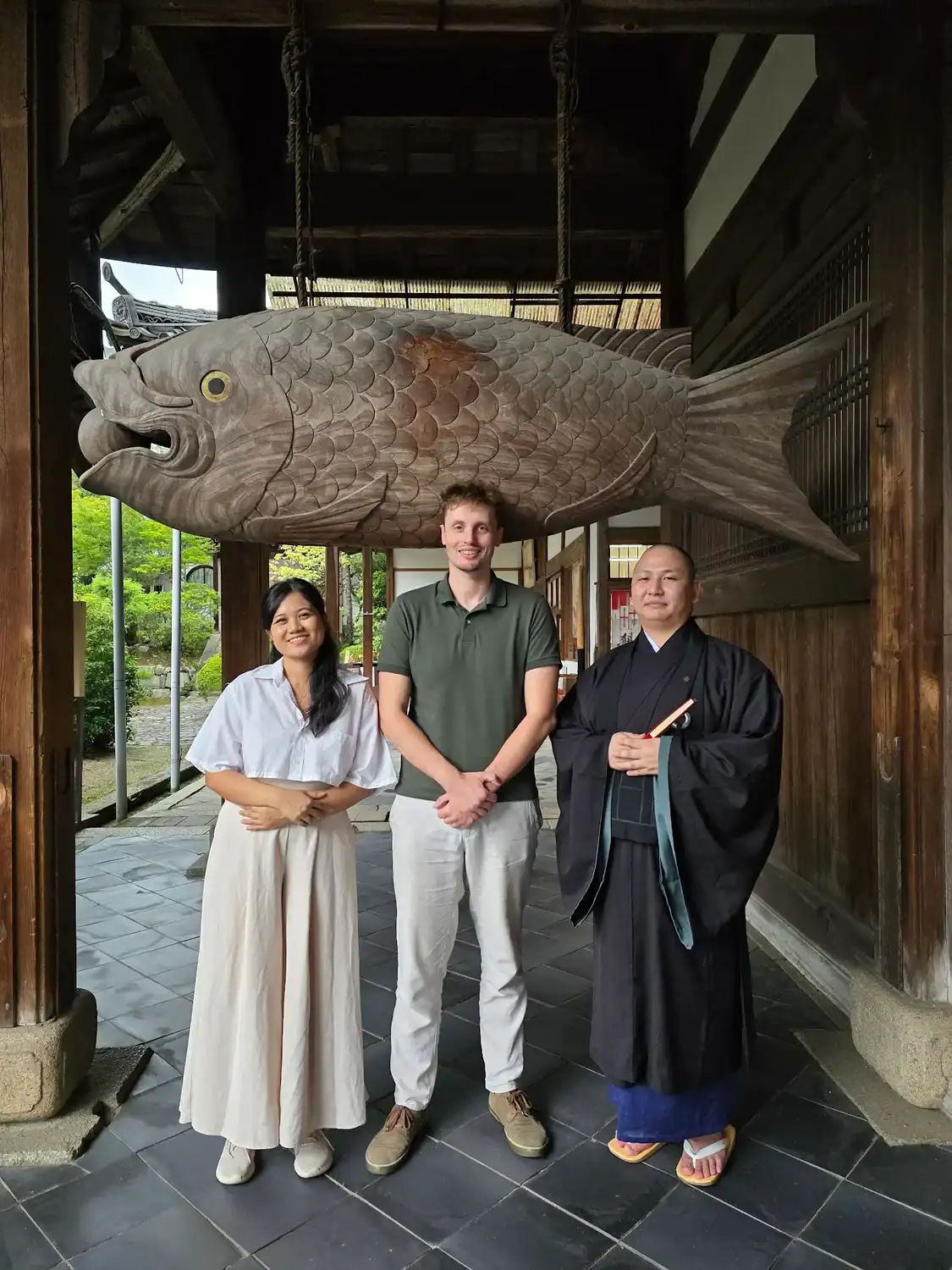
Japan truly welcomes everyone, no matter the season—it’s all about what lights you up, whether that’s cherry blossoms, fiery autumn leaves, lively festivals, or cozy snowy onsens. Each time of year has its own gentle rhythm and charm that pulls you in.
If you can swing it, those shoulder seasons like late May, mid-September, or early December feel like a warm hug: lovely weather, fewer people, and prices that let you breathe easy.
Even with fixed dates, a little smart planning, early bookings, and an open heart turn any visit into something magical. With the right preparation, any time can be a great time to visit Japan.
Read More About Japan
- I Tried the Best Sushi Making Class in Tokyo
- The Best eSIM for Japan That Actually Worked for Me
- 10 Best Day Trips from Tokyo (That Are Actually Worth It)
- Is the Tokyo Metro Pass Worth It?
- 15 Best Kawaguchiko Hotels with Mt. Fuji Views
- 14 Of The Best Cooking Classes In Tokyo For Tourists
- 14 Cooking Classes in Kyoto You’ll Love
- 10 Fun and Authentic Cooking Classes in Osaka
- 15 Non-Touristy Things to Do in Kyoto for an Authentic Experience
- Do I Need Travel Insurance for Japan?
- The 2 Day Tokyo Itinerary You Won’t Feel Rushed
- Japan Road Trip Itinerary: Epic 8-Day Route Guide
- Simple Japanese Phrases for Travelers I Actually Used
- How to Plan the Perfect Mt. Fuji Itinerary
- 2 Day Kyoto Itinerary That Will Make You Fall in Love With Japan