Best Street Food in Tokyo and Where To Find It?

Tokyo’s food scene feels endless. Thousands of restaurants. Viral videos. Long lines promising life-changing bites. It gets overwhelming fast. The real question is what actually counts as the best street food in Tokyo—and where will you really find it?
This guide will save you hours if you’re anticipating street food in the style of Bangkok or Hanoi, with carts on every corner. That’s not how Tokyo operates. Eating while walking is not advised. There is street food, but only in certain contexts, locations, and times. Many of the things that are advertised online as “street food in Tokyo” are not.
That’s why so many travelers go looking for street food and come away disappointed or misled. This guide sets clear expectations.
This is about street food in Tokyo—not ramen shops, not sit-down sushi, not convenience store snacks.
You’ll learn what actually counts as street food here, what’s worth your time, and where to find it without wasting half your day standing in the wrong lines.
On my first trip, I chased hype. I waited too long. I skipped simple stalls that turned out better than famous spots.
On later trips, I got smarter.
I learned which foods actually shine on the street, which neighborhoods make sense, and which trends I now ignore completely. You’ll see classic and modern street food, areas where street food really exists, and what’s overrated versus what I’d eat again without hesitation.
This post contains affiliate links. If you book through them, I may earn a small commission — at no extra cost to you. I appreciate your support! Read our full disclosure.

What Counts as “Street Food” in Tokyo (and What Doesn’t)?
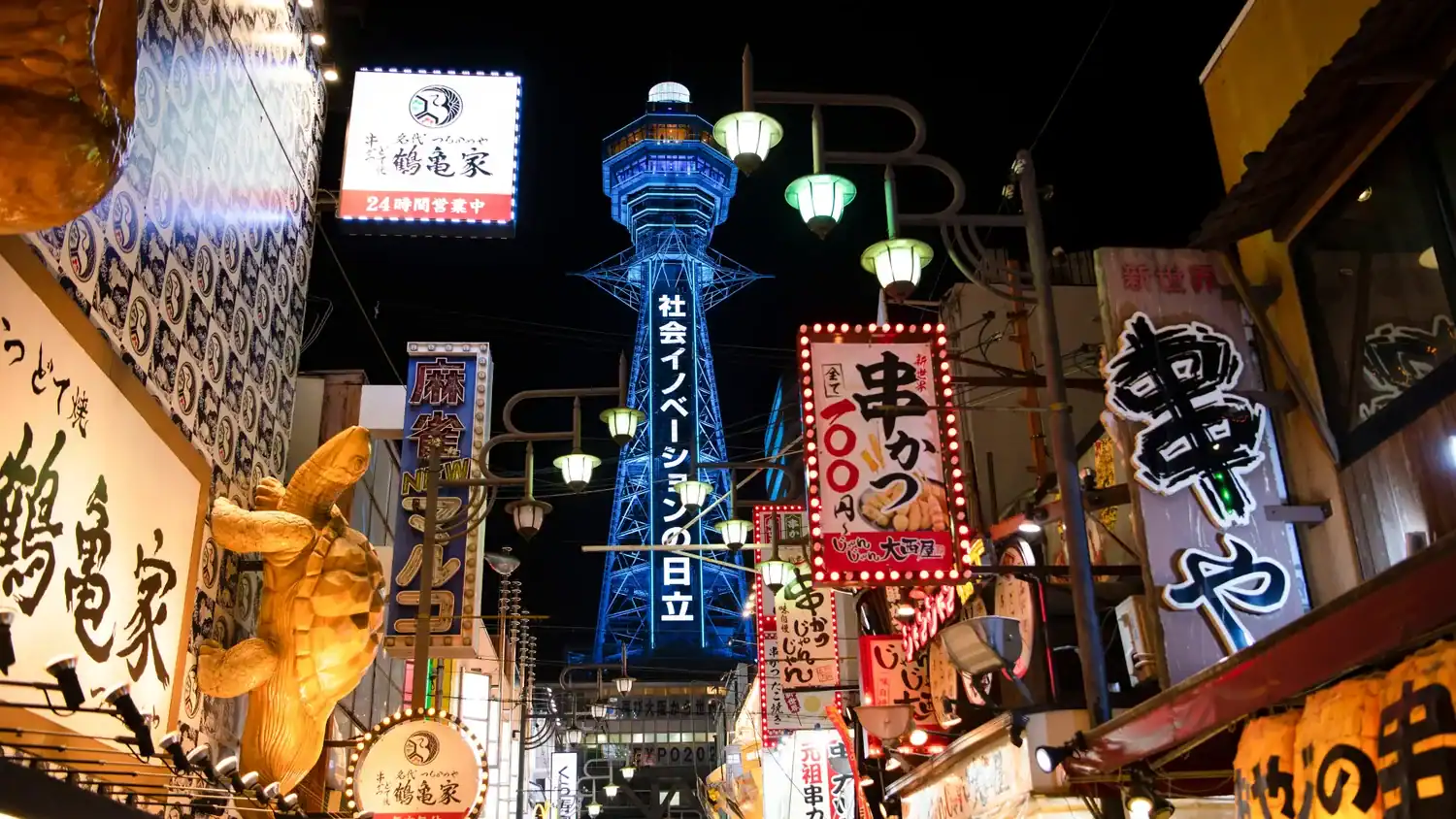
In Tokyo, “street food” usually means quick, takeaway food eaten near where you buy it — not food you carry around the city.
That typically includes:
- Yatai stalls, which pop up mostly during festivals, seasonal events, or in late-night areas
- Market stalls selling hot food meant to be eaten nearby
- Festival food, cooked fresh and handed over quickly
- Take-away counters where you stand and eat on the spot
What this doesn’t include is just as important. This guide does not cover sit-down ramen shops, izakayas, convenience store snacks, or bakeries with seating. Those are great in their own way — they’re just not street food in the Tokyo sense.
The first time I went looking for street food in Tokyo, I walked for nearly an hour expecting carts everywhere. I found none. Later that day, I ended up eating some of the best food of my trip from a tiny stall tucked inside a market — hot, fast, and eaten standing nearby.
That’s when it clicked: Tokyo plays by different rules, and once you understand them, street food here makes a lot more sense.
The Best Street Food in Tokyo You Should Try at Least Once
Takoyaki
Takoyaki are octopus balls cooked in a molded pan. They come piping hot with sauce, mayo, and bonito flakes. You find them at markets, festivals, and tourist areas like Asakusa.
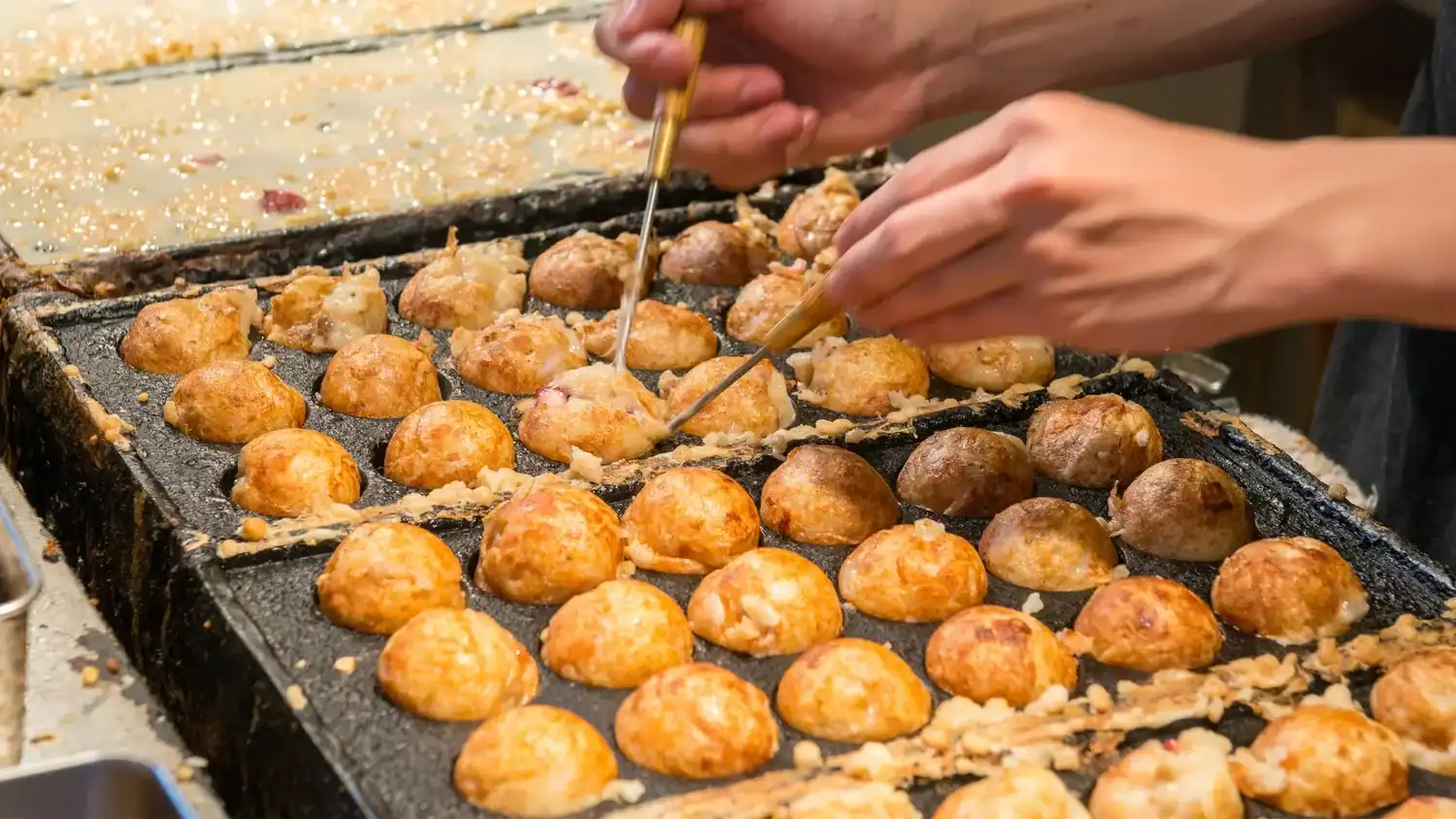
For me, Tokyo’s version is way softer than Osaka’s. Almost creamy inside. I expected crisp balls and got molten centers. It surprised me in a good way, but you need patience. Eat slowly. They burn.
Quick Tip: Tokyo takoyaki are softer than you might expect. Let them cool longer than you think. I’ve burned my mouth more than once by rushing the first bite.
Taiyaki
Taiyaki is a fish shaped pastry filled with sweet or savory fillings. Red bean is classic. Custard and chocolate are common. Modern shops offer cheese, matcha, or even sausage.

It is not just a cute snack. Good taiyaki has a crisp shell and balanced filling. Bad ones taste flat and heavy. Fresh matters. If you see them pulled straight from the mold, stop.
Quick Tip: Always wait for taiyaki that comes straight off the mold. If they’re sitting in a warmer, keep walking. Freshness makes the difference between crisp and disappointing.
Street Style Yakitori

Street yakitori is different from restaurant yakitori. Stalls focus on speed and smoke. Fewer cuts. Some stands beat sit down places because turnover is high. The grill stays hot. The chicken stays juicy. Salt seasoned skewers often taste better than sauced ones here.
Quick Tip: Order salt first. Street yakitori shines when it’s simply seasoned, and salt skewers show you how good the grill and chicken really are.
Menchi Katsu and Croquettes
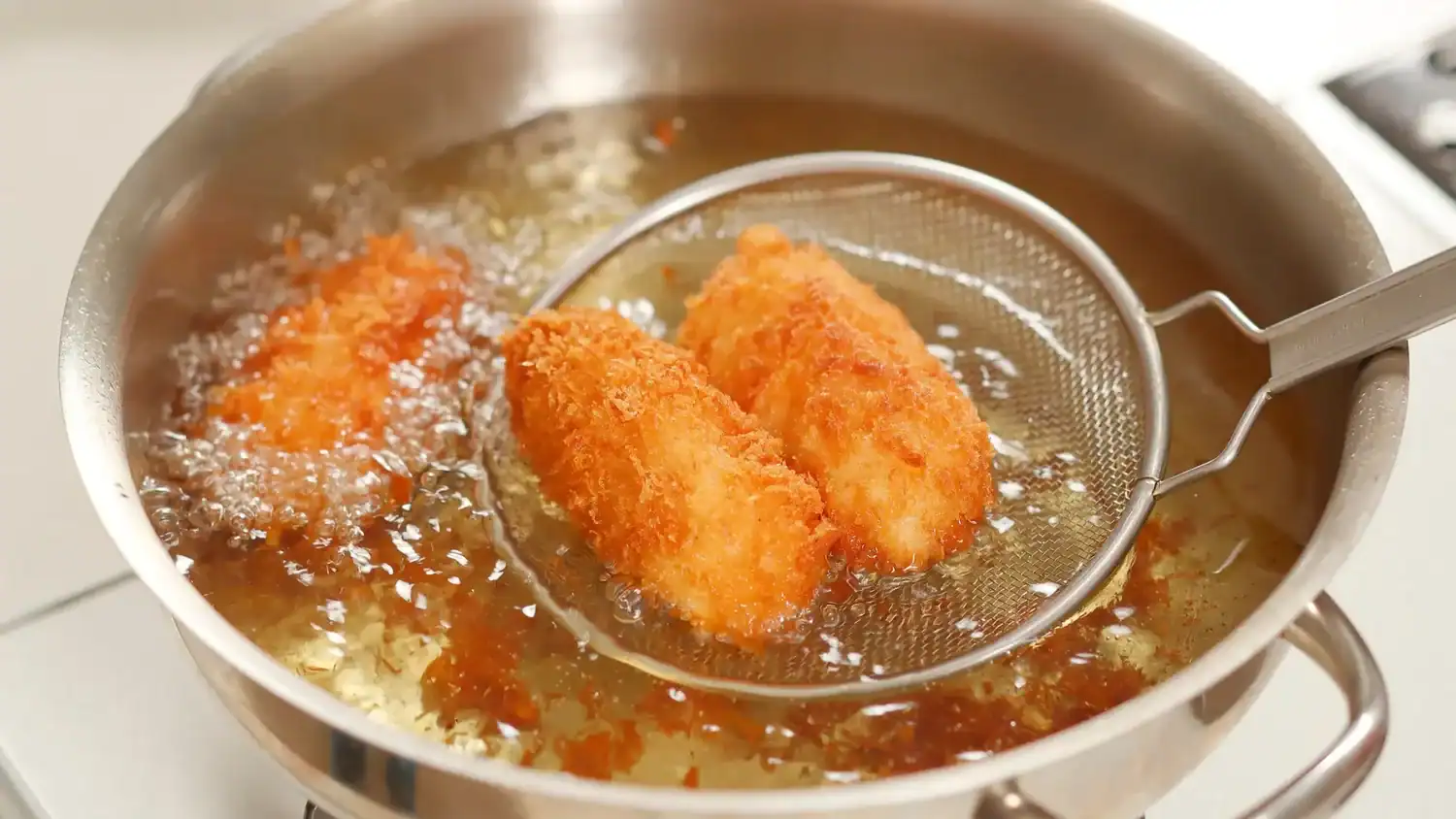
These are deep fried meat or potato patties. They are underrated and easy to miss. Markets are the best place to try them. You get them hot, cheap, and fresh. The crunch outside and soft center work best when eaten immediately. I ignored them for years. Now I look for them first.
Quick Tip: Eat these immediately. I’ve learned the hard way that even a five-minute walk can ruin the crunch. This is one snack you don’t save for later.
Dango
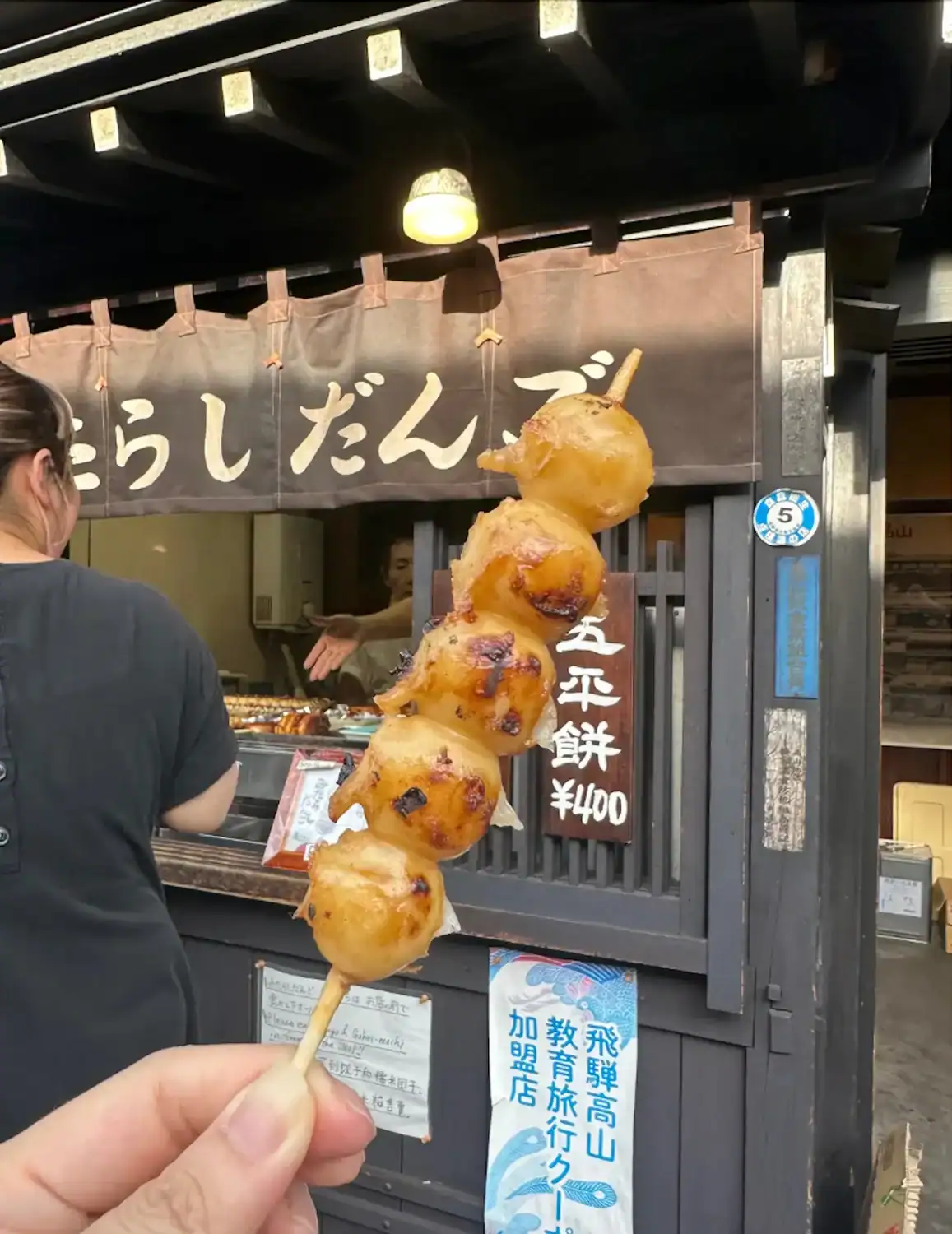
Dango are rice dumplings on skewers. The texture surprises many Western travelers. Chewy. Dense. Not fluffy. Some people hate them. I expected to love them and did not at first. Later, I tried fresh dango with a warm soy glaze. That version changed my mind.
Quick tip: If you’re unsure about dango, try it warm with sauce before judging it. Cold dango almost turned me off completely, but fresh grilled dango changed my mind.
Best Areas in Tokyo for Street Food Where You’ll Actually Find It
Asakusa and Nakamise Street
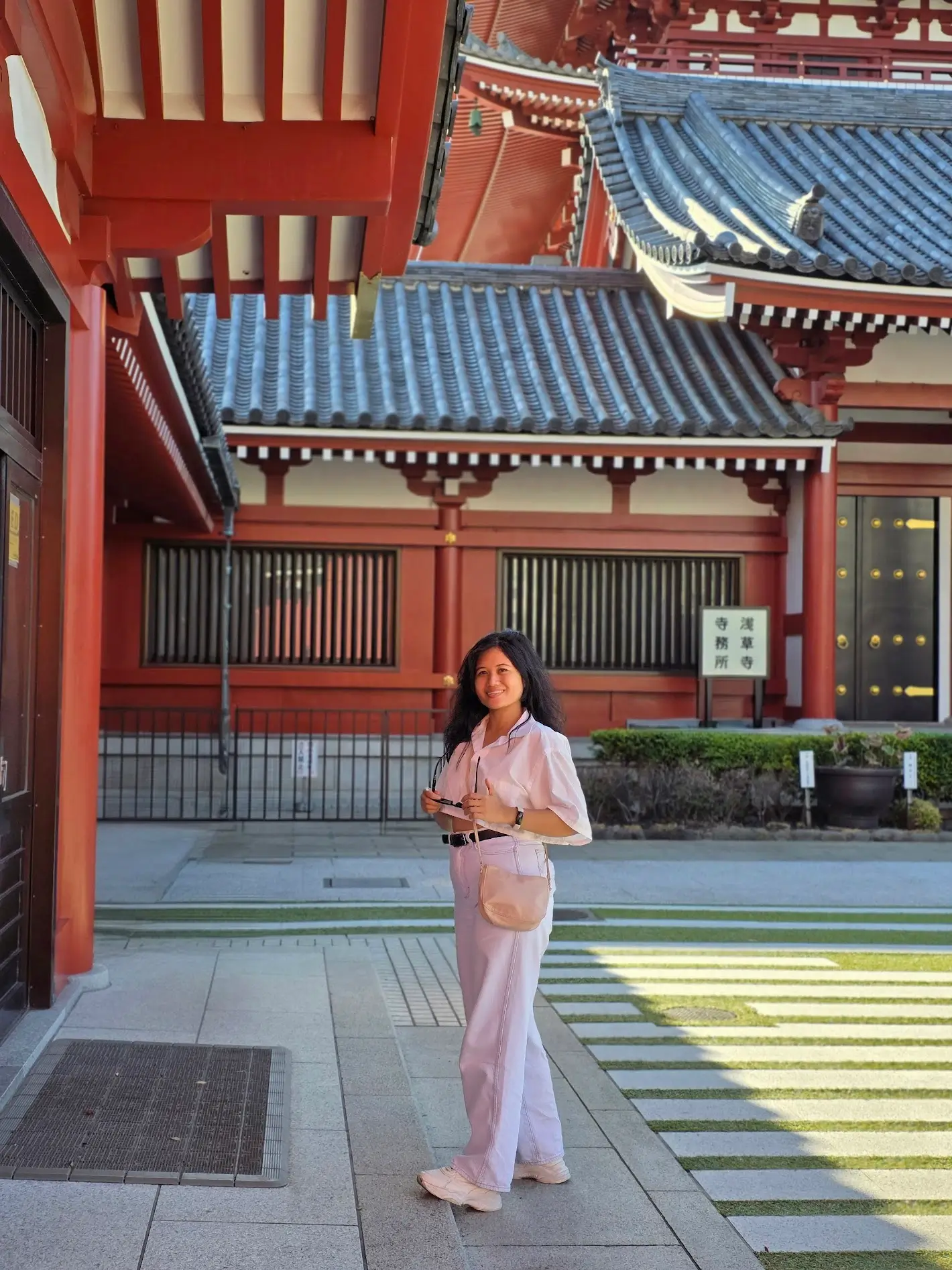
This area is tourist heavy but still worth it. Nakamise Street concentrates stalls in one place, so you will see taiyaki, dango, and fried snacks back to back.
Skip anything with extreme lines just for photos and look for shops with fast turnover and locals buying multiples. Being based in Asakusa makes it much easier to swing by early in the morning or later in the evening, when the street is calmer and food moves faster.
Ameya Yokocho in Ueno
This area feels louder and rougher. Stalls sell grilled skewers, fried food, and snacks you eat standing nearby. It feels more local and less polished, which is part of the appeal.
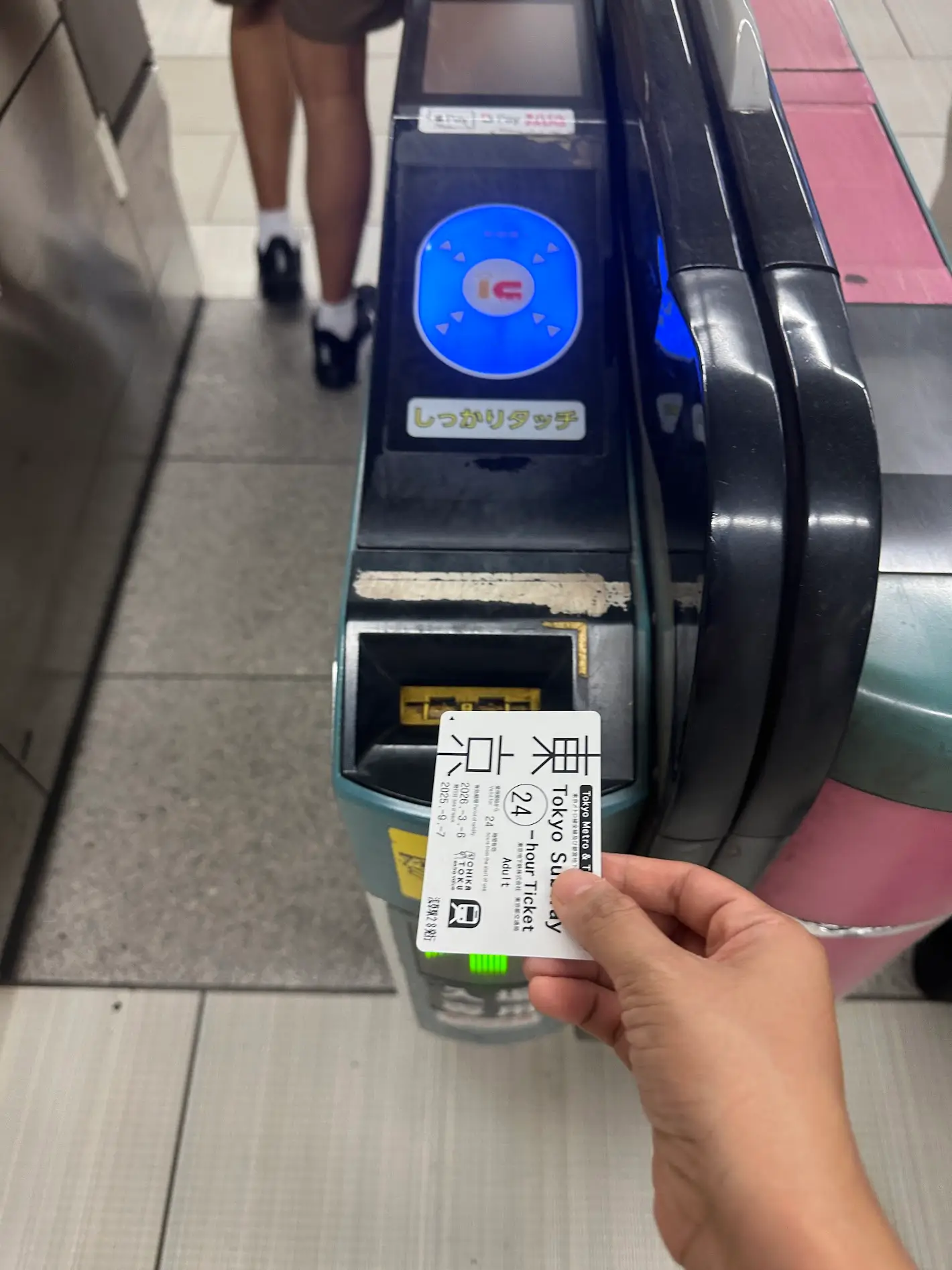
I liked how casual it felt compared to other spots. Staying near Subway Station makes it easy to drop in for food without turning it into a full outing, especially in the evenings.
Tsukiji Outer Market
This is more snack food than true street food, but it still works well for grazing. Go early, because late mornings get packed quickly.
Focus on quick bites like tamago skewers or fried seafood instead of full meals. If Tsukiji is high on your list, staying nearby makes those early visits far less stressful.
Festivals and Seasonal Street Food
Timing matters more than location. Summer matsuri bring the best variety, and New Year stalls pop up near major shrines. I once missed outstanding street food by visiting a neighborhood a week too early. Festivals change everything.
During festival season, staying close to shrine areas makes it much easier to enjoy street food at night without worrying about a long trip back.
Pro Tip: Choosing a hotel near street food hubs saves more time than most travelers expect, especially on short trips when transit adds up quickly.
You can use my discount code GLADISAGODA for 5% discount for your stays
Is Tokyo Street Food Cheap? What It Actually Costs
Street food in Tokyo generally costs between 300 and 800 yen per item, depending on the food and the neighborhood. Tourist-heavy areas tend to be more expensive, while markets and local streets are often cheaper, especially if you’re buying simple, fast-moving items.
Lower prices don’t mean lower quality. Portions are intentionally small, but ingredients stay good and execution matters. What you’re paying for is freshness, speed, and technique rather than portion size, which is why even inexpensive snacks often taste carefully made.
Cash is still common at street stalls, and while card readers are becoming more widespread, they’re far from guaranteed, especially at smaller markets and seasonal events. I’ve learned not to assume prices anymore. I once expected a quick snack to cost 200 yen and paid double without thinking much of it. Another time, I picked up a perfectly crisp croquette for almost nothing.
Overall, Tokyo street food is affordable, but it rewards flexibility more than strict budgeting. Over time, I also noticed how much small details like cash access and navigation quietly shape the experience, something I go into more detail about in [The Best eSIM for Japan That Actually Worked for Me].
Tokyo Street Food Etiquette Tourists Get Wrong
Do not walk and eat. Stand near the stall or use designated areas. Watch where others stand. Follow them. Dispose of trash properly. Some stalls take it back. Some do not. Carry it if needed.
Do not assume photos are welcome. Ask with a gesture or quick question. I once watched someone eat while walking through a shrine area. Locals noticed. It felt awkward fast.
Paying attention to these small rules made a noticeable difference for me, especially early on, and I break down more common dining mistakes in my guide to [Restaurant Etiquette in Japan for Your Next Trip].
What’s Overrated and What I’d Skip Next Time
I no longer wait long for novelty foods designed for photos. Rainbow snacks and oversized items look fun but taste average. If a line exists only for social media, skip it. Choose a simple stall nearby selling the same category of food. I once waited forty minutes for a viral snack. I finished it in three bites and felt nothing.
After that experience, I started focusing less on hype and more on foods locals actually eat, which I cover in more detail in [22 Japanese Foods to Try in Japan and Where to Find Them].
Is Tokyo Street Food Worth Prioritizing on a Short Trip
Street food makes the most sense when it naturally overlaps with sightseeing or market visits. It works well on busy days when you want variety without committing to long sit-down meals, and it’s easy to fit in between temples, neighborhoods, or shopping streets.
That said, it matters less for travelers who plan their days around destination dining, and weather can quickly change the experience. Rainy days, in particular, make street food harder to enjoy. This style of eating is best suited to curious travelers who like quick stops, small bites, and moving at a steady pace.
My own approach has changed over time. I used to seek out street food intentionally and build plans around it. Now I treat it as a bonus rather than the main focus.
Letting it happen organically, often while exploring a neighborhood or following a sightseeing route, has made the experience far more enjoyable.
That’s the same approach I use for shorter visits, like the one I outline in my [2 Day Tokyo Itinerary You Won’t Feel Rushed], where mixing food stops with sightseeing keeps the pace comfortable. I’ve found street food works better as a bonus than a focal point.
How to Plan Your Tokyo Street Food Stops Without Wasting Time
Tokyo street food works best when it fits naturally into the rest of your day. Instead of building an itinerary around food alone, pair street food stops with sightseeing neighborhoods where stalls already exist.
Areas like Asakusa or Ueno make the most sense because you can explore temples, markets, and shopping streets while grabbing quick bites along the way.
Markets are another easy win. Places like Nakamise Street or the Tsukiji Outer Market are ideal for grazing because everything is close together and designed for short stops.
You do not need to turn street food into a full meal. A few well-timed snacks often end up more satisfying than forcing a sit-down plan.
Timing matters too. Festivals and seasonal events are when Tokyo’s street food scene really comes alive. Summer matsuri and New Year shrine visits bring out stalls you will not see the rest of the year. If your trip overlaps with one, it is worth planning around it.
If this still feels overwhelming, that is where food tours and neighborhood food walks can help. The right tour takes you straight to places that actually count as street food in Tokyo and helps you avoid wasting time in the wrong lines.
For first-time visitors on a short trip, this can be the easiest way to experience the best street food without over planning. From here, you can dive deeper into food-focused neighborhoods, must-eat dishes in Tokyo, or guided food experiences that match your travel style.
Street food works best as part of a bigger plan, not the whole plan. When you treat it as a bonus instead of a checklist, it becomes one of the most memorable parts of your trip.
Read More About Japan
- I Tried the Best Sushi Making Class in Tokyo
- The Best eSIM for Japan That Actually Worked for Me
- 10 Best Day Trips from Tokyo (That Are Actually Worth It)
- Is the Tokyo Metro Pass Worth It?
- 15 Best Kawaguchiko Hotels with Mt. Fuji Views
- 14 Of The Best Cooking Classes In Tokyo For Tourists
- 14 Cooking Classes in Kyoto You’ll Love
- 10 Fun and Authentic Cooking Classes in Osaka
- 15 Non-Touristy Things to Do in Kyoto for an Authentic Experience
- Do I Need Travel Insurance for Japan?
- The 2 Day Tokyo Itinerary You Won’t Feel Rushed
- Japan Road Trip Itinerary: Epic 8-Day Route Guide
- Simple Japanese Phrases for Travelers I Actually Used
- How to Plan the Perfect Mt. Fuji Itinerary
- 2 Day Kyoto Itinerary That Will Make You Fall in Love With Japan
- Best and Worst Time to Visit Japan: First-Timer’s Guide
- 22 Japanese Foods to Try in Japan and Where to Find Them
- Restaurant Etiquette in Japan for Your Next Trip