Japan Packing List: What I’d Pack Again (and What I Wouldn’t)

I visited Japan in early autumn and quickly learned that packing for Japan is less about cute options and more about preparing for long days of walking and unpredictable temperatures.
One of my biggest regrets was bringing three pairs of shoes and sandals—including a white pair that looked great in photos but wasn’t comfortable at all.
Even on days when we took a car, we still walked constantly, and I barely wore them. That wasted space could have gone to a proper jacket, which I really could’ve used when I was freezing at the airport on the way home.
That experience completely changed how I think about packing for Japan. On my next trip, I brought just one pair of comfortable walking shoes and somehow had more of what I needed with less baggage overall.
I realized that many packing lists focus on what sounds good in theory, not what actually makes Japan travel easier once you’re there.
This isn’t one of those overwhelming checklists where everything feels “essential.” This is a filtered Japan packing list: what I’d genuinely pack again, what I wouldn’t bring twice, and why each item mattered (or didn’t).
If you’re planning your first trip to Japan and traveling between cities, towns, and temples—even with just a carry-on—this list will help you avoid common packing mistakes. It covers shoes, mix-and-match outfits, and a few items most packing lists completely overlook.
This post contains affiliate links. If you book through them, I may earn a small commission—at no extra cost to you. I appreciate your support! Read our full disclosure.

What I’d Pack for Japan No Matter the Season
Daily Essentials You Will Use Constantly
- Comfortable walking shoes – You will walk far more than you expect. Trains, stations, neighborhoods, temples. Bring shoes you can wear all day without thinking about your feet. If they are uncomfortable at home, they will be worse in Japan.
- Crossbody bag with a zipper – Go hands-free. Trains get crowded, and long walking days make tote bags annoying fast. A zipped crossbody keeps your things secure and easy to grab.
- Power bank – Your phone works nonstop. Maps, Google Translate, transit apps, and photos drain it quickly. Outlets are not always nearby when you need them.
- Reusable water bottle – You will drink more water than you think. Vending machines are everywhere, but having your own bottle saves money and lets you keep moving.
Clothing That Actually Mattered
- Lightweight layers – Indoor spaces can feel cold, while outdoor temperatures change throughout the day. Thin layers let you adjust easily without carrying bulky pieces.
- Scarf or shawl – This came in handy more than I expected. Great for temples, chilly trains, and quick warmth when the temperature drops, without needing a jacket all day.
- One proper warm layer – One good jacket is enough. It keeps you warm when you need it and saves space. Bringing multiple jackets just adds bulk without real benefit.
Small Things That Made Life Easier
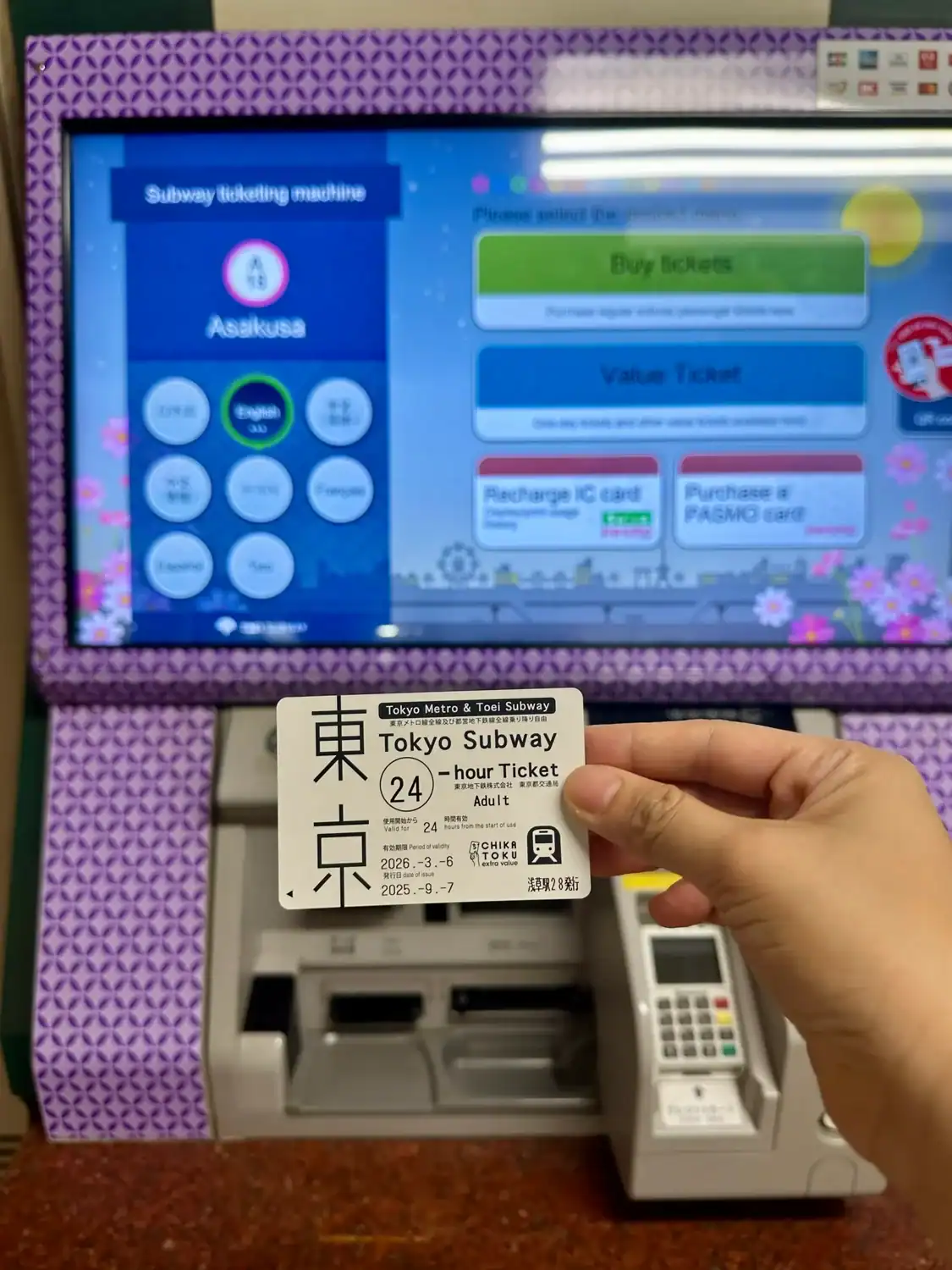
Easy-access transit card holder—stations move fast. Digging through your bag slows you down. Losing a card is worse.
Staying somewhere well-located made a bigger difference than I expected, especially on days we were moving between trains and walking a lot.
I didn’t realize how much this mattered until I experienced it, which is why I put together a separate guide on choosing where to stay in Japan near Mt. Fuji.
Japan Packing List for Spring 🌸
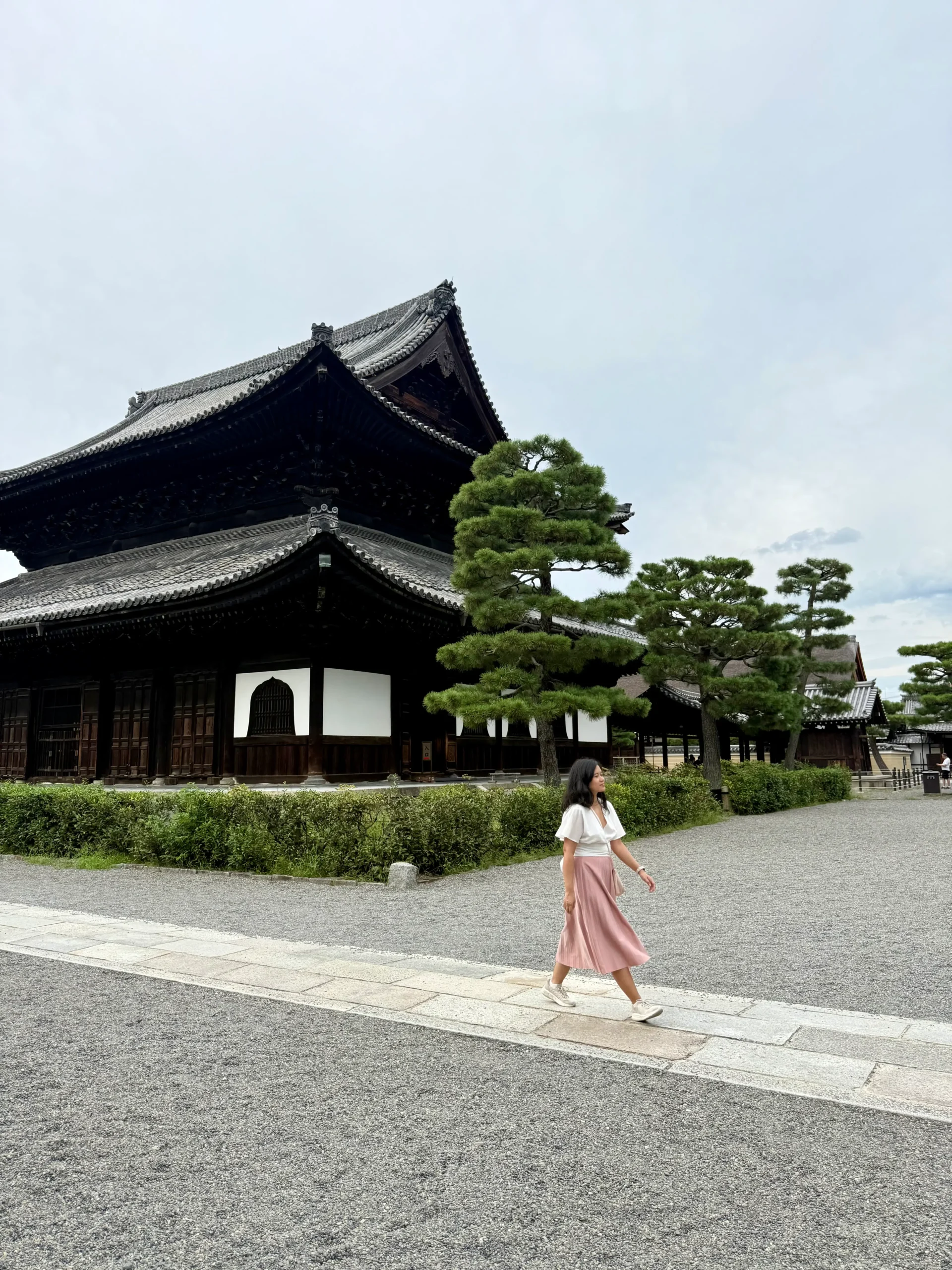
Based on climate, walking-heavy days, and what I learned in Japan, spring packing is all about flexibility. Mornings can feel cool, afternoons warm up quickly, and evenings often drop in temperature. No matter the weather, walking stays constant.
What You’d Pack
- 1 pair of comfortable pants
- 1 long skirt or loose trousers
- 4–5 breathable tops (depending on how long you’ll be in Japan)
- 1–2 light sweaters or cardigans
- 1 packable jacket
- 1 scarf
- 1 pair of comfortable walking shoes
- 1 compact umbrella or lightweight rain layer
What Actually Works
- Versatile bottoms – Pants and a skirt honestly cover almost everything, from sightseeing all day to casual dinners at night. You can wear them with the same tops over and over, and they’re comfortable enough for long walking days. It really just comes down to how you style them!
- Re-wearable tops – A small rotation of tops works well in spring. You can re-wear pieces without feeling uncomfortable, especially on lighter activity days.
- A jacket that actually adds warmth – A packable jacket that provides real warmth matters more than multiple thin layers that do not help when temperatures drop.
What You’d Pack Differently Next Time
Style-only pieces really aren’t worth it since extra outfit options don’t add much when you’re walking all day. I’d also skip heavy knits—they get too warm indoors and are annoying to carry once you’re on the move.
Spring in Japan isn’t about extreme weather so much as constant adjustment. Walking heats you up fast, then trains and indoor spaces cool you right back down, which is why flexible layers matter so much.
Japan Packing List for Summer ☀️
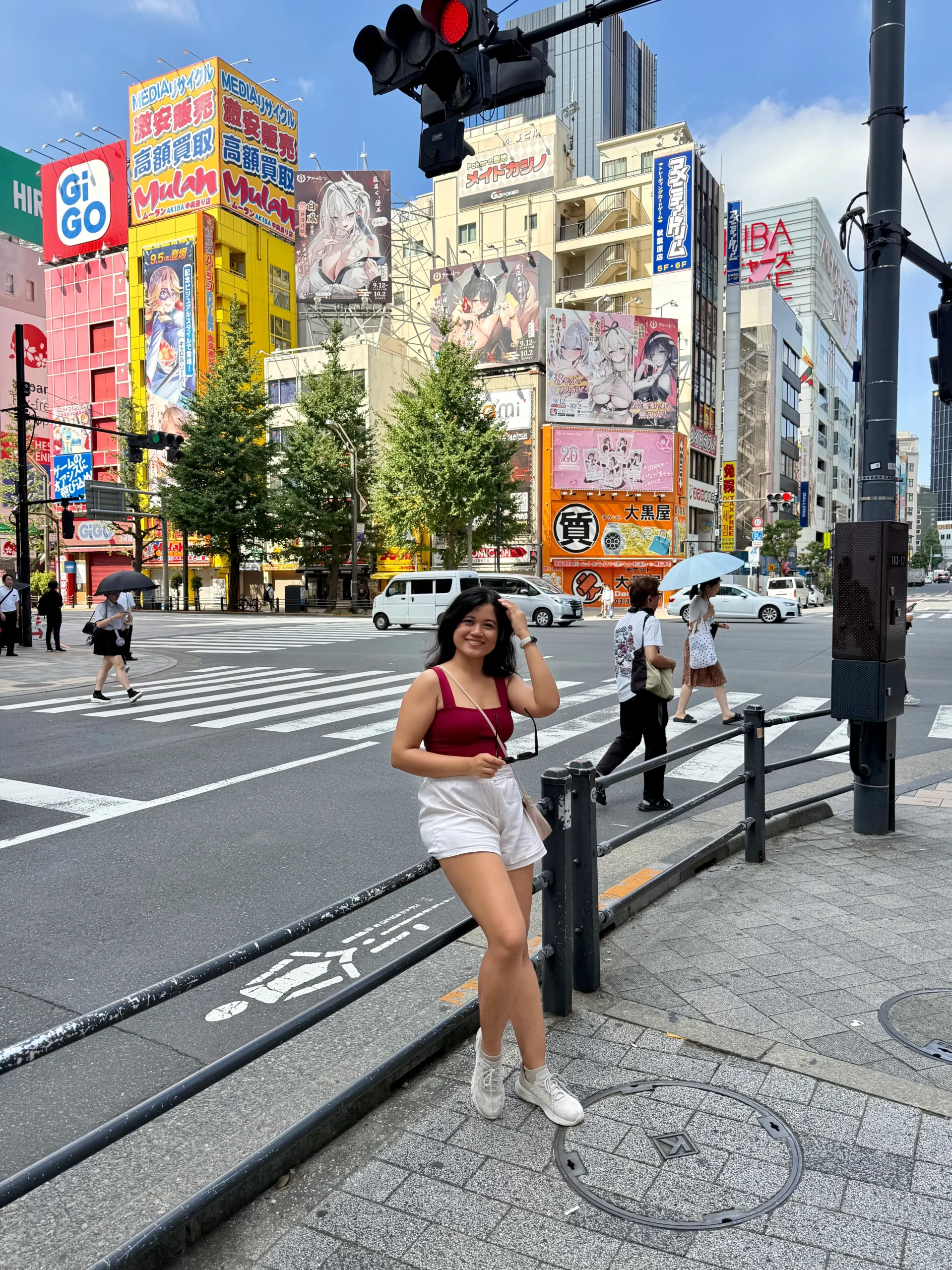
Summer in Japan is no joke. It is hot and humid, and you will walk a lot more than you expect. Even short plans usually turn into full days on your feet, often in crowded places.
What You’d Pack
- 1 to 2 lightweight bottoms
- 1 loose skirt or breathable pair of pants
- 4 to 6 breathable tops
- 1 thin layer for cold trains and shops
- 1 small towel or sweat cloth
- 1 pair of walking sandals or breathable sneakers
- A second pair of shoes only if they are just as comfortable
What Actually Works
- Breathable fabrics
Light, airy clothes make a huge difference. Anything that dries fast and lets your skin breathe will get worn again and again. - Fewer bottoms
You really do not need many. A couple of lightweight options you can re-wear is more than enough. - Shoes that can handle heat and distance
Summer is when bad shoes show themselves fast. Your footwear needs to be comfortable, breathable, and made for long days.
What You’d Pack Differently Next Time
Heavy denim always sounds like a good idea, but once you’re walking around in humidity, it just feels heavy and sticky.
Fashion sneakers can be just as misleading—if they look cute but feel stiff or trap heat, they’re better left at home. The same goes for extra shoes. Switching between uncomfortable pairs doesn’t help; one truly good, walkable pair is always the better choice.
After realizing just how much walking autumn involved, I’d pack even lighter for summer. Fewer clothes, better fabrics, and shoes chosen purely for comfort make all the difference.
You’re going to sweat, and you’re going to walk a lot—that’s just part of traveling in Japan. Pack for comfort, keep things simple, and you’ll enjoy your days so much more.
Tip: On days when the heat and walking felt like a bit much, booking a guided food or cooking experience was a great way to slow down without feeling like I was missing out.
Japan Packing List for Autumn 🍁
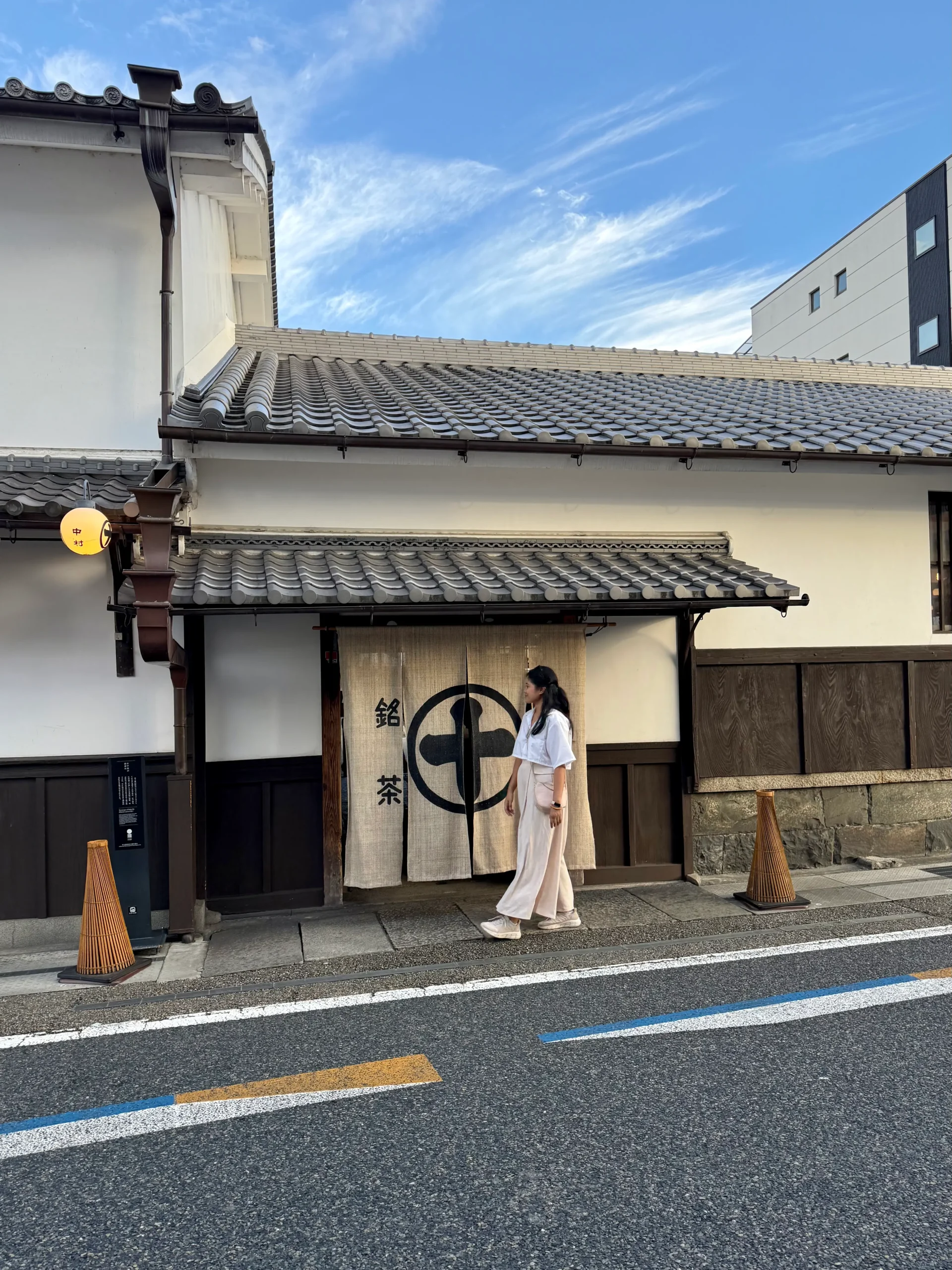
Autumn in Japan sounds perfect, and honestly, it mostly is—but the temperature changes surprised me.
Days felt warm, then mornings, nights, and even trains were suddenly chilly, and we were walking constantly. This is exactly what I packed for early autumn, what ended up being useful, and what I’d definitely do differently next time.
What You’d Pack
• 1 pair of pants
• 1 pair of shorts
• 4 tops
• 1 long skirt
• 1 jumpsuit
• 1 dress
• 1 cropped jacket
• 1 pair of sandals
• 1 pair of white sneakers that were not comfortable
What Actually Works
- Versatile bottoms – Pants and a long skirt covered most situations. Easy to dress up or down. Comfortable enough for walking.
- Simple re-wearable tops – Four tops was enough for eight days. Early autumn was not overly sweaty. Mixing pieces worked fine.
- Sandals – I used them more than expected for evenings. Next time I would bring a flatter, more supportive pair.
What You’d Pack Differently Next Time
- Swap the cropped jacket for a warmer one – It looked great in photos, but it was not warm enough once temperatures dropped. Nights, trains, and even the airport felt colder than expected.
- Skip photo shoes – The white sneakers were cute, but they could not keep up with full walking days. Even on days with car rides, there was still a lot of walking involved.
- Cut one outfit piece – Between the dress and the jumpsuit, one could have stayed home. That extra space would have been better used for a warmer, more practical layer.
- Autumn reality – Days felt warm, but mornings, nights, and indoor spaces were cool. Walking was constant, and having one proper warm layer mattered more than extra outfit options.
If you’re still figuring out when to go, I broke down the best and worst time to visit Japan so you can plan around weather and crowds more easily.
Japan Packing List for Winter❄️
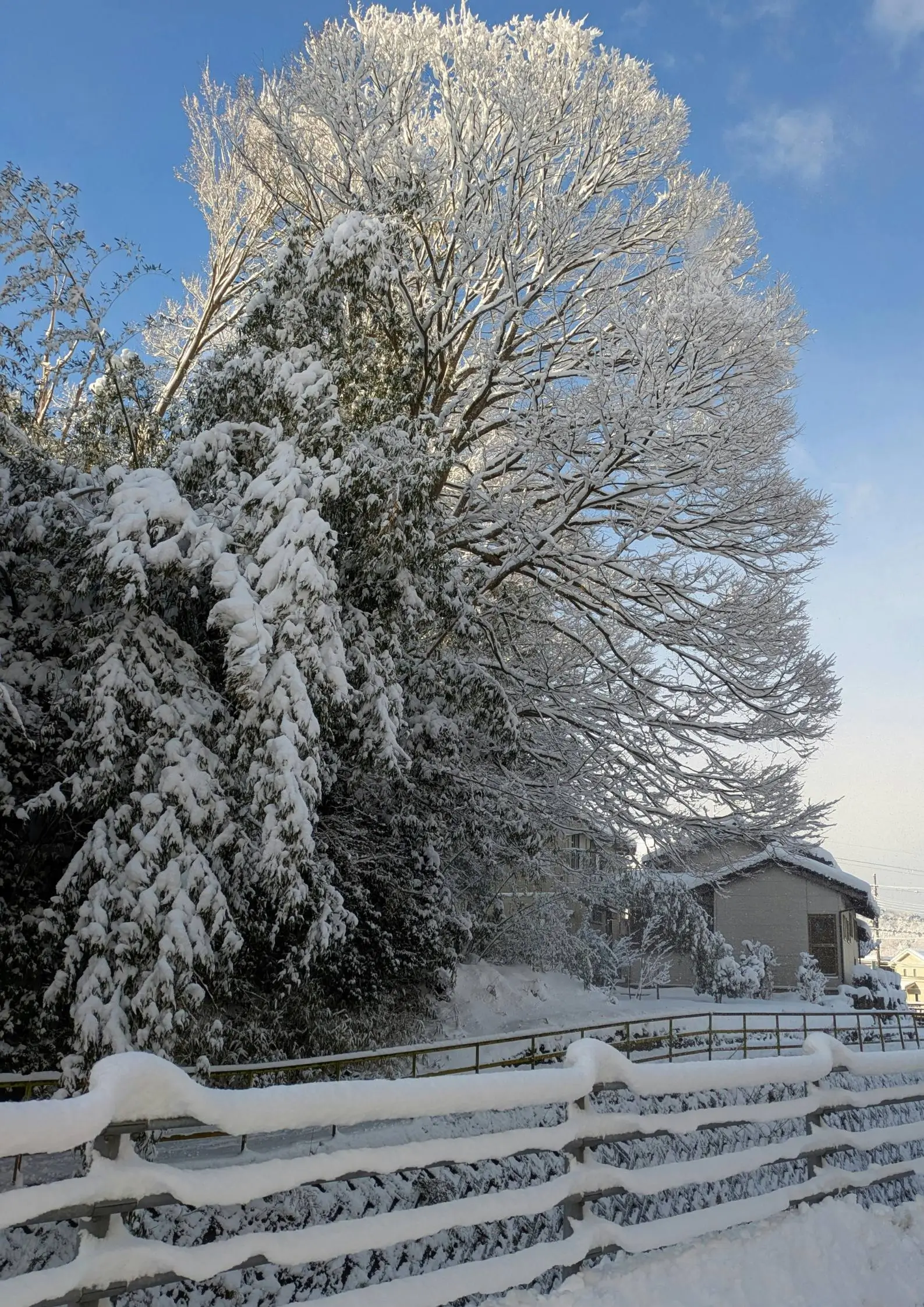
Winter packing for Japan is more about balance than extreme cold. You are outside walking a lot, then suddenly inside warm trains, shops, and restaurants. Comfort and easy layering matter most!
What You’d Pack
- 1 to 2 warm but comfortable bottoms
- 3 to 4 tops you can layer easily
- 1 heat-retaining base layer
- 1 warm but packable winter jacket
- 1 scarf and gloves
- 1 pair of comfortable walking shoes with good grip
What You’d Pack Differently Next Time
Once I realized how constant the walking is—no matter the season—it completely changed how I’d pack for winter too. Comfort matters even more then. I’d bring fewer heavy pieces, focus on better layers, and stick to shoes I know I can walk in all day without thinking about my feet.
Japan in winter is actually very manageable if you pack smart. The real challenge isn’t the cold itself, but staying comfortable as you’re constantly moving between chilly streets and warm trains, shops, and restaurants.
Things I Packed That I Wouldn’t Bring Again
White sneakers that only looked good
I know everyone recommends cute white sneakers for Japan. I brought a pair too. They looked great in photos, but they were not comfortable enough for how much walking we did. I barely wore them and kept wishing I had packed a more practical pair instead.
A cropped jacket
It worked for outfits, but that was about it. Once temperatures dropped at night, on trains, or at the airport, it just was not enough. A warmer, packable jacket would have been way more useful.
Too many outfit-focused pieces
Between a dress and a jumpsuit, I really did not need both. They took up space that could have gone to a better outer layer or something I would use every day.
Shoes not made for all-day walking
Even on days when we took a car, we still ended up walking constantly. Japan really doesn’t give your feet a break.
If there’s one thing to prioritize as a tourist, it’s your shoes—if they aren’t comfortable for full-day walking, they simply aren’t worth bringing. I’d say pack with walking as your top priority.
What I’m Glad I Didn’t Pack (and Why)
- Extra toiletries – Pharmacies and convenience stores are everywhere. It is easy to pick up anything you need once you arrive.
- Bulky coats – Layering worked much better than heavy pieces, especially in early autumn.
- Multiple bags – Sticking to one main bag and a small day bag made moving through stations and hotels much easier.
- Too much cash planning – ATMs and card payments were easy to find, so there was no need to over prepare.
Quick Japan Packing Tips I Wish I’d Known Before My Trip
- Shoes: If you can’t comfortably walk in them all day at home, don’t bring them to Japan. Even “easy” days involve far more walking than expected.
- Day bags: Hands-free crossbody bags make trains, walking, and sightseeing much easier—tote bags get annoying fast.
- Luggage size: Smaller luggage is easier to manage on trains, in stations, and through hotels with limited space.
- Weather assumptions: Early autumn feels warm during the day but cools down quickly at night and indoors, so layers matter more than heavy pieces.
- Outfits: You don’t need as many clothes as you think—re-wearing outfits is normal, practical, and far more comfortable for travel days.
Once packing was sorted, planning the days themselves felt much easier—especially having a realistic itinerary that didn’t feel rushed.
Packing for Japan Without Overthinking It
You don’t need a perfect packing list to get Japan right. You just need one that works for you and the kind of trip you’re actually taking. I overthought a lot before my first visit, and in the end, the things I stressed about mattered far less than I expected.
What I wish I’d known sooner is that comfort buys you confidence. When your shoes don’t hurt and your bag isn’t fighting you on every train platform, everything else feels easier. You stop second-guessing your choices and start focusing on where you are instead of what you packed “wrong.”
If planning still feels overwhelming, that’s totally normal! Travel gets simpler once you accept that you’ll figure some things out as you go—and Japan is an easy place to do that.
If you want help preparing for the everyday moments that actually come up, I also shared the Simple Japanese Phrases for Travelers I Actually Used that made navigating shops, trains, and restaurants feel far less intimidating.
Guides to Help You Plan Japan with Confidence
- Best and Worst Time to Visit Japan: First-Timer’s Guide
- Simple Japanese Phrases for Travelers I Actually Used
- Do I Need Travel Insurance for Japan?
- Is the Tokyo Metro Pass Worth It?
- The 2-Day Tokyo Itinerary: You Won’t Feel Rushed
- 10 Best Day Trips from Tokyo (That Are Actually Worth It)
- How to Plan the Perfect Mt. Fuji Itinerary
- Restaurant Etiquette in Japan for Your Next Trip
- Best Street Food in Tokyo and Where to Find It?
- 15 Best Things to Do in Tokyo That Are Actually Worth It