22 Japanese Foods to Try in Japan and Where to Find Them

The moment I arrived in Japan, I went straight to a konbini and grabbed the first rice ball I saw. One bite stopped me in my tracks. The seaweed tasted crisp, the rice felt warm and seasoned, and the filling tasted better than meals I had paid much more for.
I hadn’t even reached my hotel, and Japan was already raising the bar. That first onigiri convinced me there are so many Japanese dishes worth traveling for.
That small snack set the tone for the entire trip. I slurped ramen that tasted different in every city, tried street food that burned my tongue in the best way, and ate desserts so simple and perfect they stayed with me long after I flew home.
What surprised me most was how each region, market, and tiny neighborhood shop had its own specialty. Japan isn’t just a place to eat well — it’s a place where food becomes part of the travel experience.
If you’re visiting Japan for the first time, the food scene can feel overwhelming. There are classics you can’t miss, regional dishes worth planning a detour for, street foods locals grow up with, and konbini snacks that save you when hunger hits between trains.
This guide breaks everything down clearly so you know exactly which foods to try in Japan, where to find them, and what makes each one special.
From Hakata ramen in Fukuoka and kaiseki in Kyoto to Hokkaido seafood, matcha desserts in Uji, and the konbini staples every traveler ends up loving, here are the 22 Japanese Foods to Try in Japan that will shape your trip.
This post contains affiliate links. If you book through them, I may earn a small commission — at no extra cost to you. I appreciate your support! Read our full disclosure.

Essential Japanese Dishes You Need to Try
1. Ramen
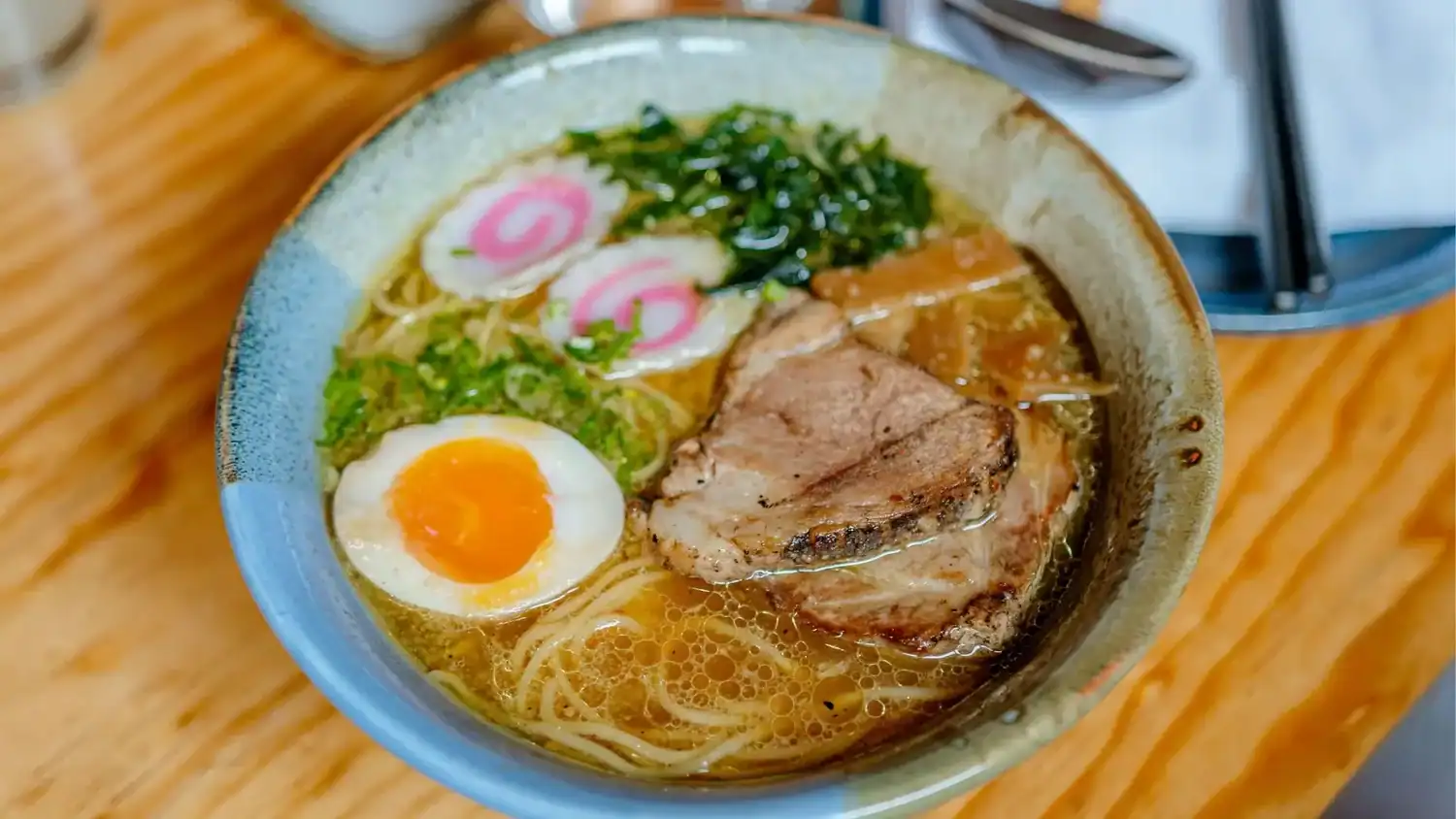
Many people think they know ramen until they try it in Japan. Authentic ramen tastes deeper and richer, with broth that hits your taste buds in a way instant versions never do. One bowl can change how you see this dish.
Each bowl starts with the broth, and the flavor shifts from region to region. Tonkotsu comes from long-simmered pork bones that turn thick and creamy. Shoyu brings a bold soy flavor. Shio tastes clean and light. Miso has a strong, savory taste. The broth decides the character of the ramen, and every city does it differently.
Where to find it
• Fukuoka for rich Hakata tonkotsu
• Tokyo for Ichiran or citrus-flavored bowls at Afuri
My first real ramen in Japan had a broth so rich it clung to the noodles. I finished the bowl without speaking, and the only sound I made was the loud slurping I tried to hide but eventually embraced.
If you want to experience how to make ramen on your own, Dotonburi offers classes on making it. You can add this to your itinerary for a unique experience.
Quick Tip: Most ramen shops use vending machines — choose your bowl, pay, and hand the ticket to staff.
2. Sushi and Sashimi
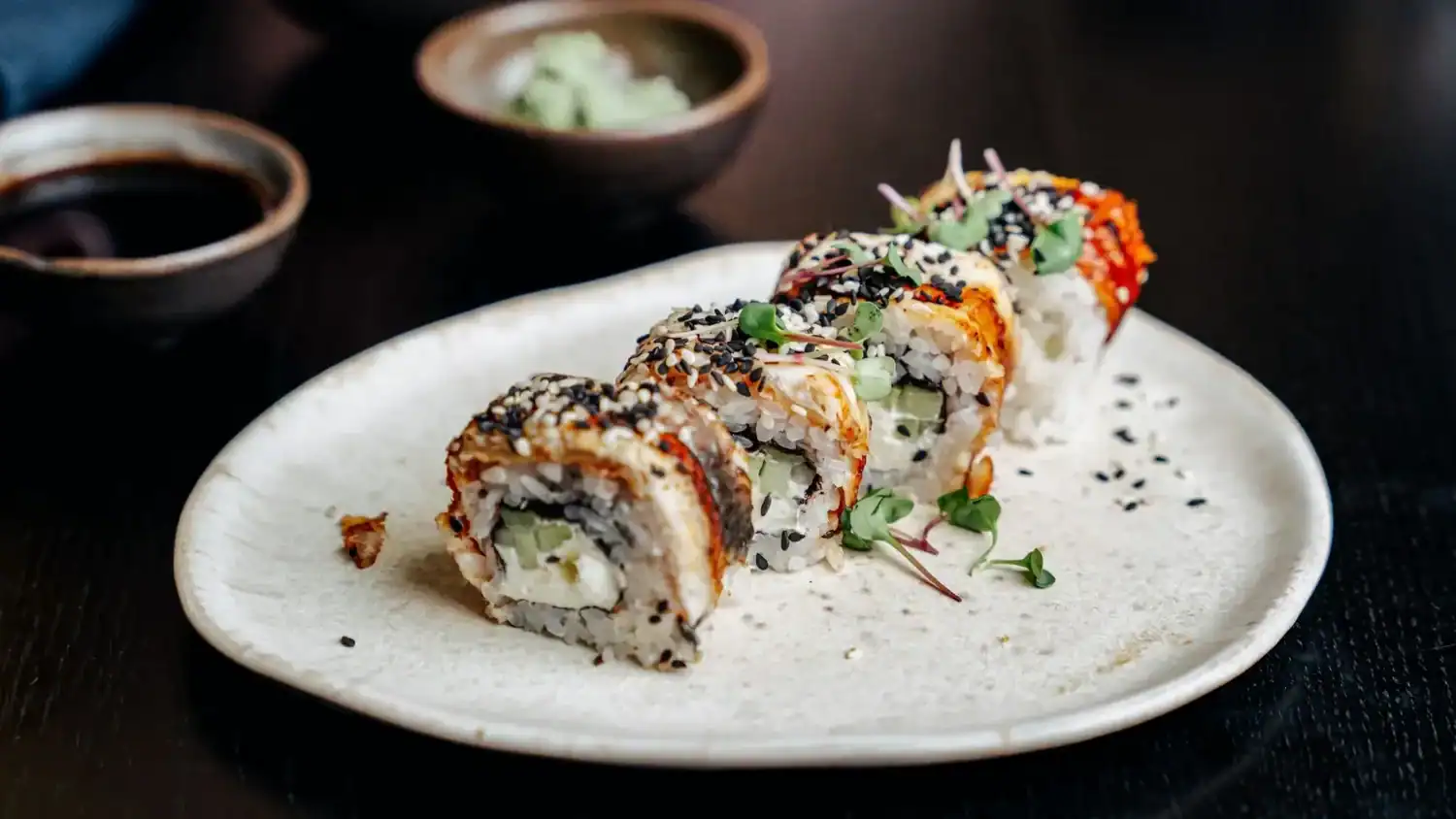
Sushi in Japan tastes clean and straightforward. Fresh fish sits on well-seasoned rice, and nothing feels heavy or covered in strong flavors. You taste both elements clearly. Quality stands out without effort.
Where to find it:
• Tokyo at Tsukiji Outer Market for premium cuts
• Osaka at kaitenzushi conveyor belt shops for easy and affordable plates
My first conveyor belt sushi in Osaka looked simple, almost too plain. One bite showed how fresh fish and balanced rice can stand on their own.
Later, we joined a sushi-making class in Tokyo and saw the work behind that simplicity. Every slice, every movement, and every grain of rice was treated with care. Creating sushi felt like crafting something precise rather than just cooking. That experience made eating it even more meaningful.
If you want to see what I learned — from shaping nigiri to laughing over our lopsided hand rolls — we left with full stomachs and unforgettable memories. Read [I Tried the Best Sushi Making Class in Tokyo], where I break down everything you need to know: the class we chose, what it cost, how it felt, and why it’s more than just a “tourist thing.”
Quick Tip: At conveyor belt shops, you can grab any plate or order directly from a screen if you want something fresh.
3. Tempura
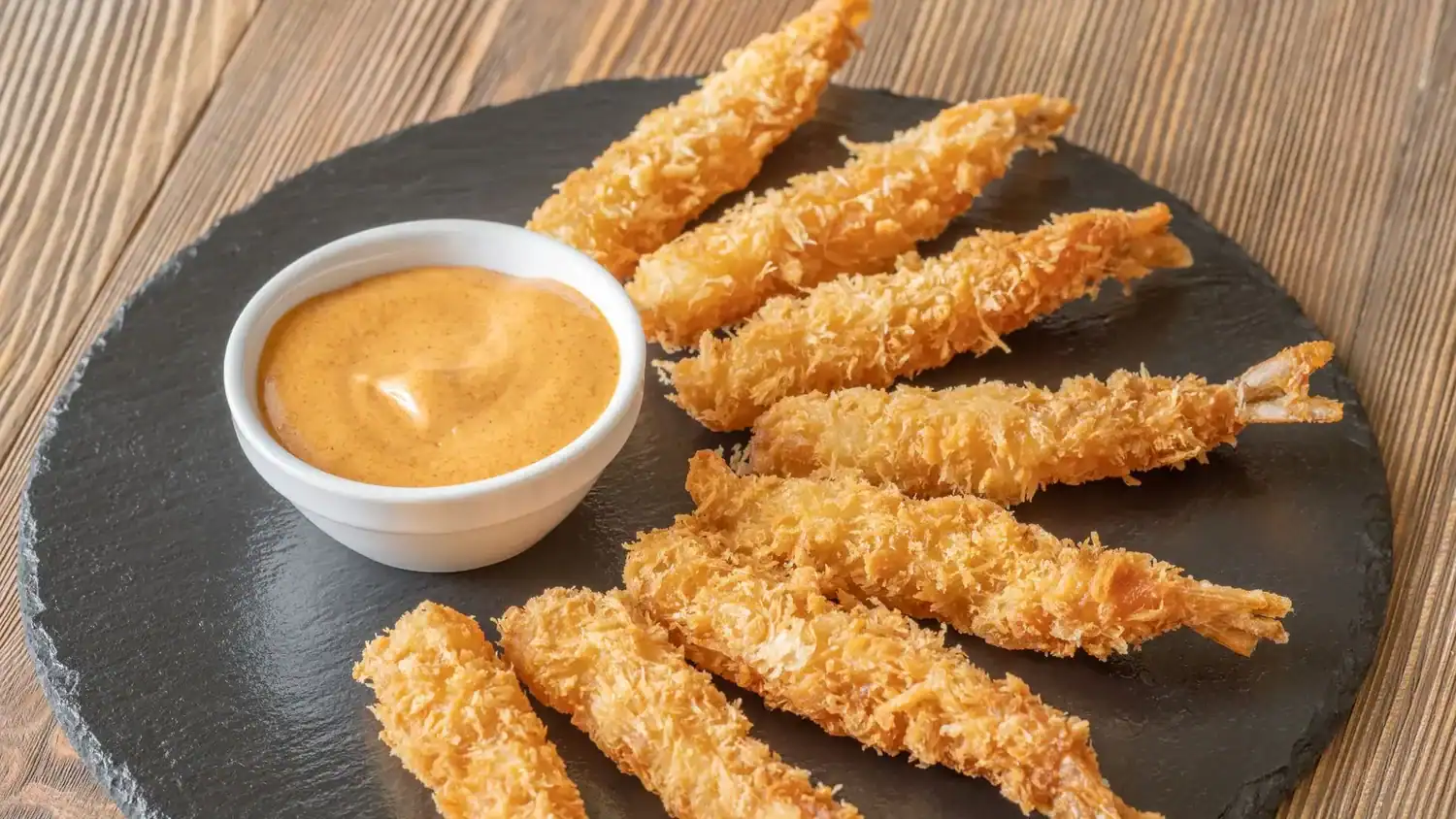
Tempura in Japan tastes light and crisp. The batter stays thin, the oil tastes clean, and the ingredients stand out instead of getting buried under a heavy coating.
You taste shrimp, vegetables, and fish the way they are meant to be eaten, with a quiet crunch that never feels greasy.
Where to find it:
• Tokyo at Tempura Tsunahachi
• Kyoto at Nishiki Market
Tempura Tsunahachi feels authentic. The establishment offers high-quality ingredients, seasonal options, and a warm ambiance.
The staff are friendly, and the prices remain reasonable for the quality you get. Many locals order sashimi before their tempura. The fish tastes fresh, so the appetizer makes sense.
I once tried a tempura shiso leaf here. It looked like a thin green sheet. The taste surprised me, sharp and clean, and the crunch stayed delicate. It stood out more than the shrimp.
Quick Tip: Tempura tastes best immediately — eat pieces as soon as they arrive.
4. Tonkatsu
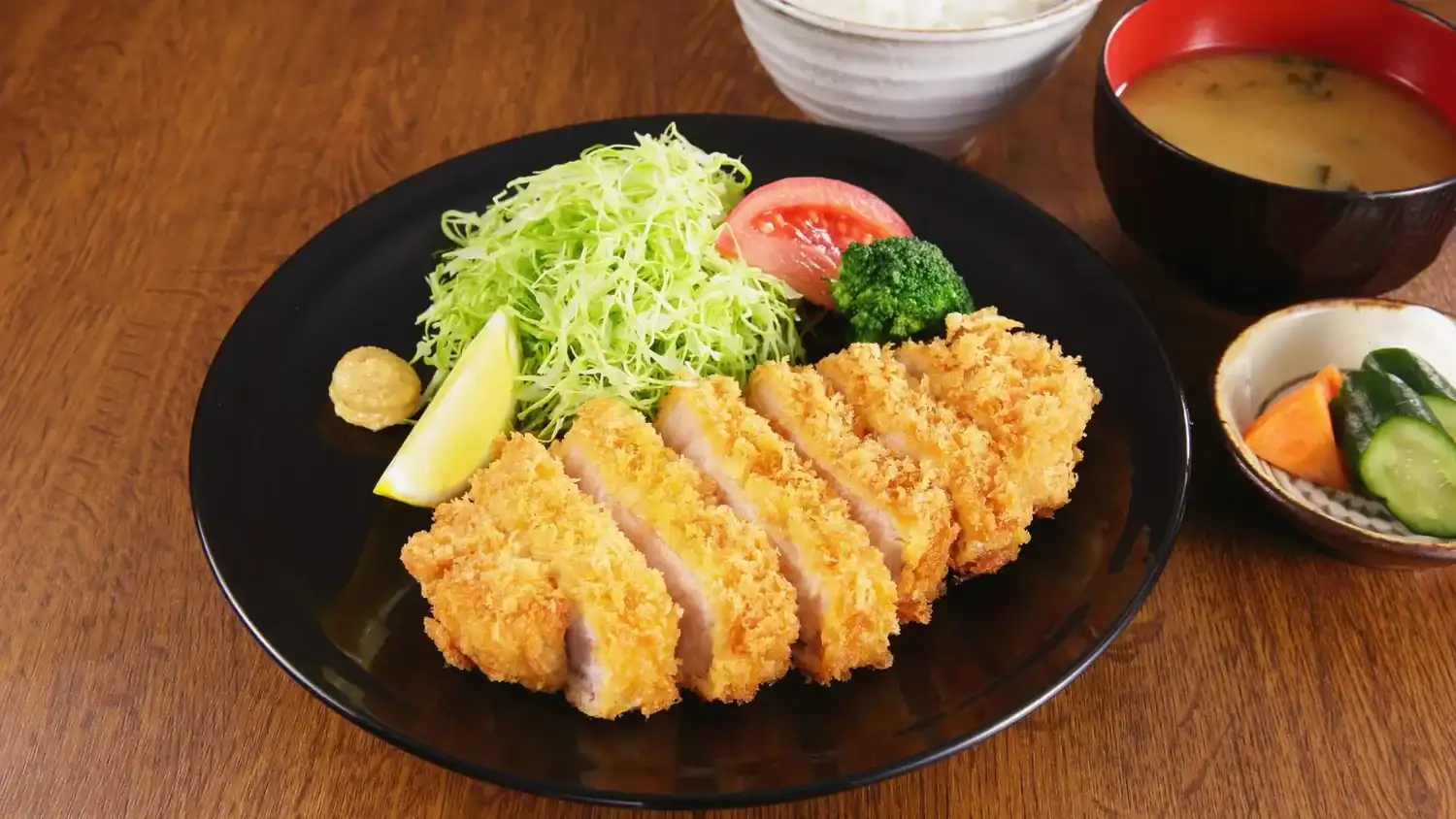
Tonkatsu gives a crisp coating with tender pork inside. The crust stays light, not oily, and the meat tastes rich even before you add sauce. It pairs well with hot rice and shredded cabbage.
Where to find it:
• Tokyo at Tonkatsu Maisen
• Nagoya for miso katsu with a thicker savory sauce
Tonkatsu Maisen is set inside a former bathhouse, which gives the dining room an open, slightly grand feeling you don’t expect from a tonkatsu shop. They offer different pork cuts, including limited ones that disappear early in the day.
The plates come out quickly: thick cuts of pork, tender inside, wrapped in a coating that stays crisp to the last bite. You get sauces, mustard, and dressings so you can adjust everything to your taste.
Before the meal, they give you a small bowl of sesame seeds to grind yourself. The smell blooms as you crush them, and when you stir the powder into the sauce, it changes the entire dish — richer, sweeter, more fragrant. It’s a small moment, but it makes the meal feel personal.
Quick Tip: Choose between hire (lean) and rosu (fattier). Rosu is juicier for first timers.
5. Udon and Soba
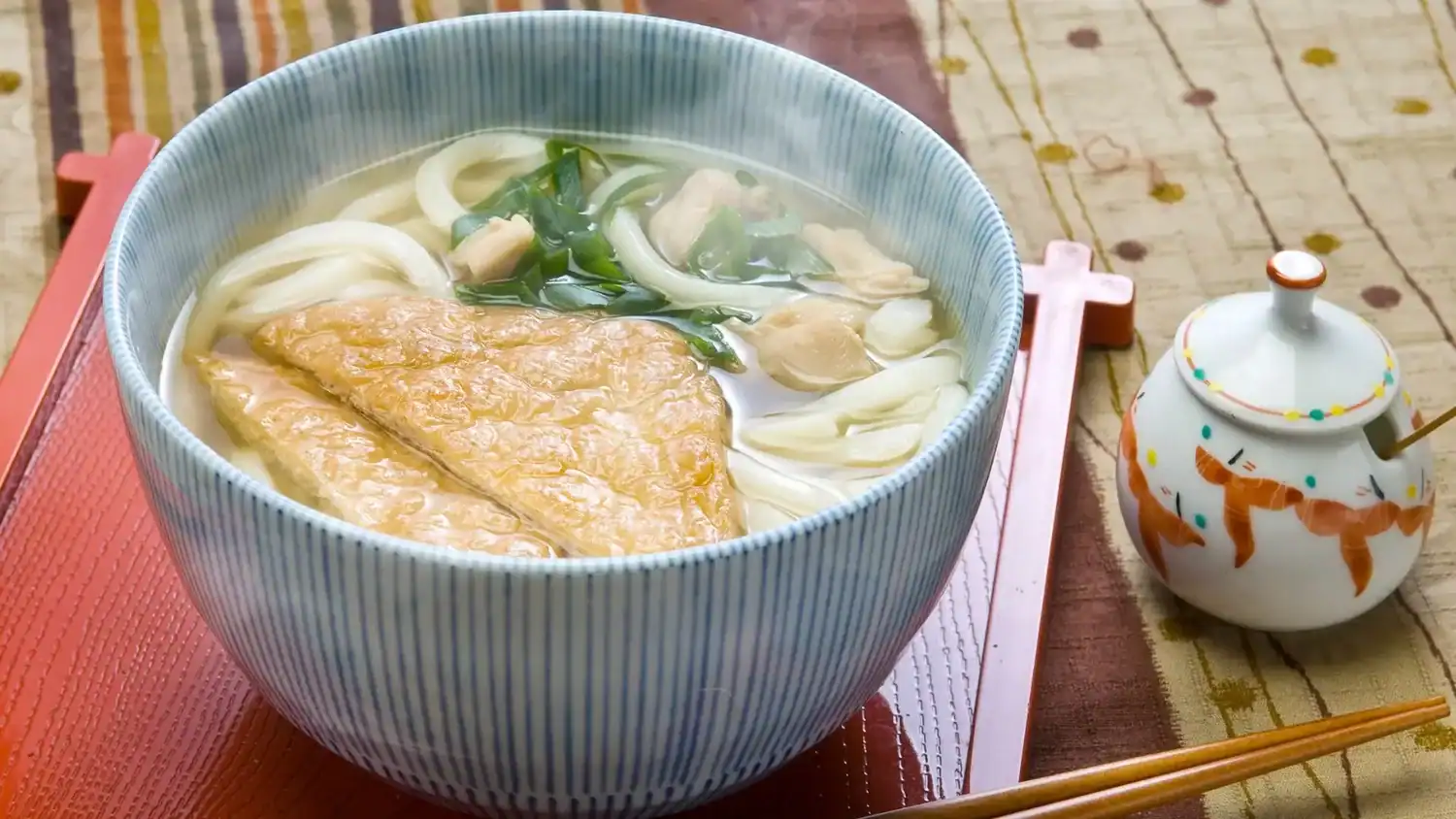
Udon feels thick and comforting. Soba tastes lighter and more refined. Udon warms you with chewy noodles and a clean broth. Soba gives a subtle flavor, especially when served cold and dipped in a simple sauce.
Where to find it:
• Kagawa for Sanuki udon
• Tokyo at soba shops inside train stations
Sanuki Udon Ueharaya served one of the best bowls I tried. The noodles had a bounce that made each bite satisfying, tender yet chewy.
The broth stayed flavorful without feeling heavy. The eggplant tasted silky and soaked up the broth nicely. The squid stayed tender and full of umami. The shop looked simple, but the food showed real care.
When I first slurped the noodles, I understood why locals do it without thinking. The sound felt awkward at first, then the flavor opened up.
The noodles tasted richer, and the warmth hit stronger. It turned into a habit in a single bowl.
Quick Tip: For udon, soft vs. firm noodles may be an option; firm holds up better for slower eaters.
Japanese Street Foods You Must Try
6. Takoyaki
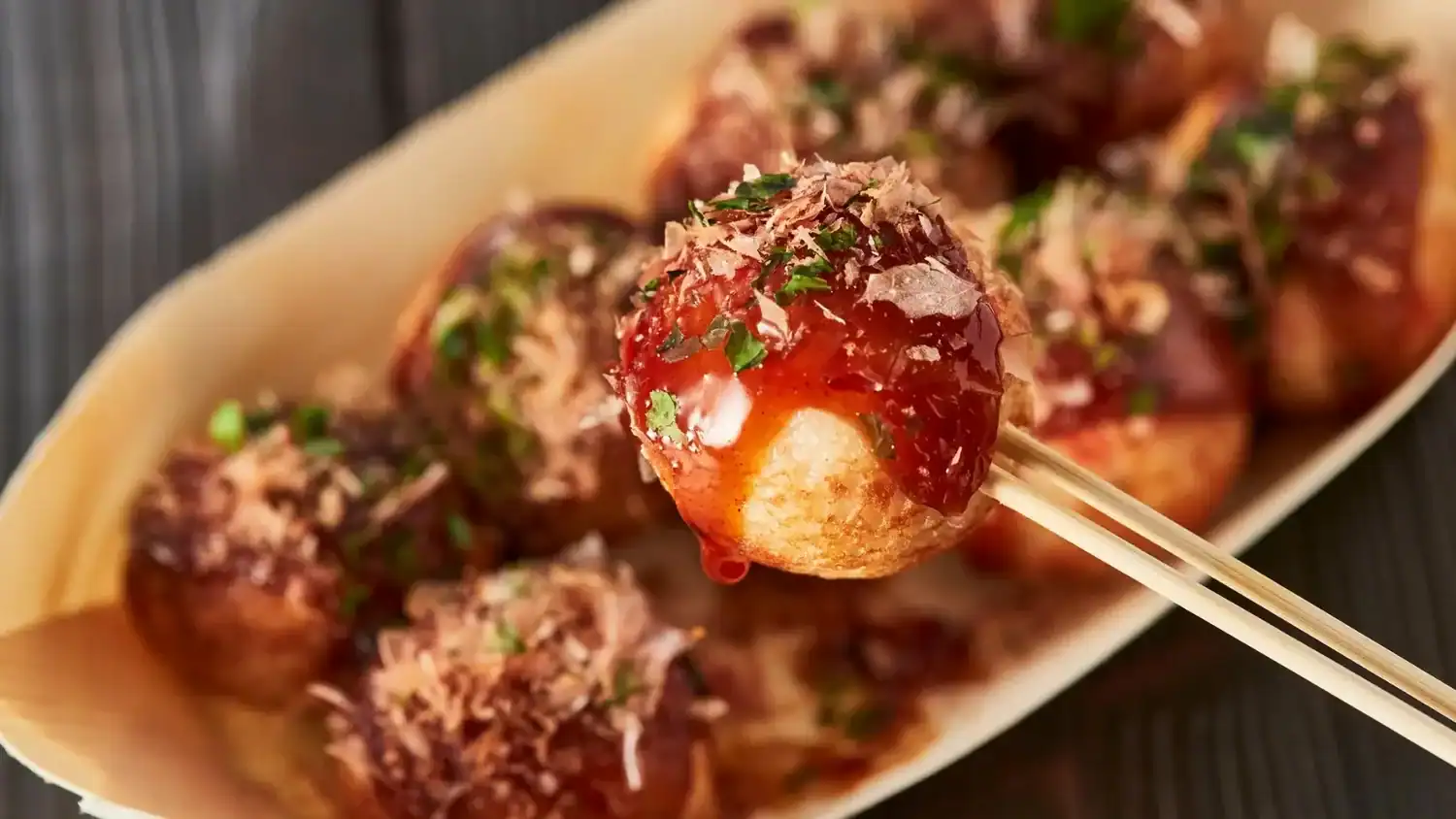
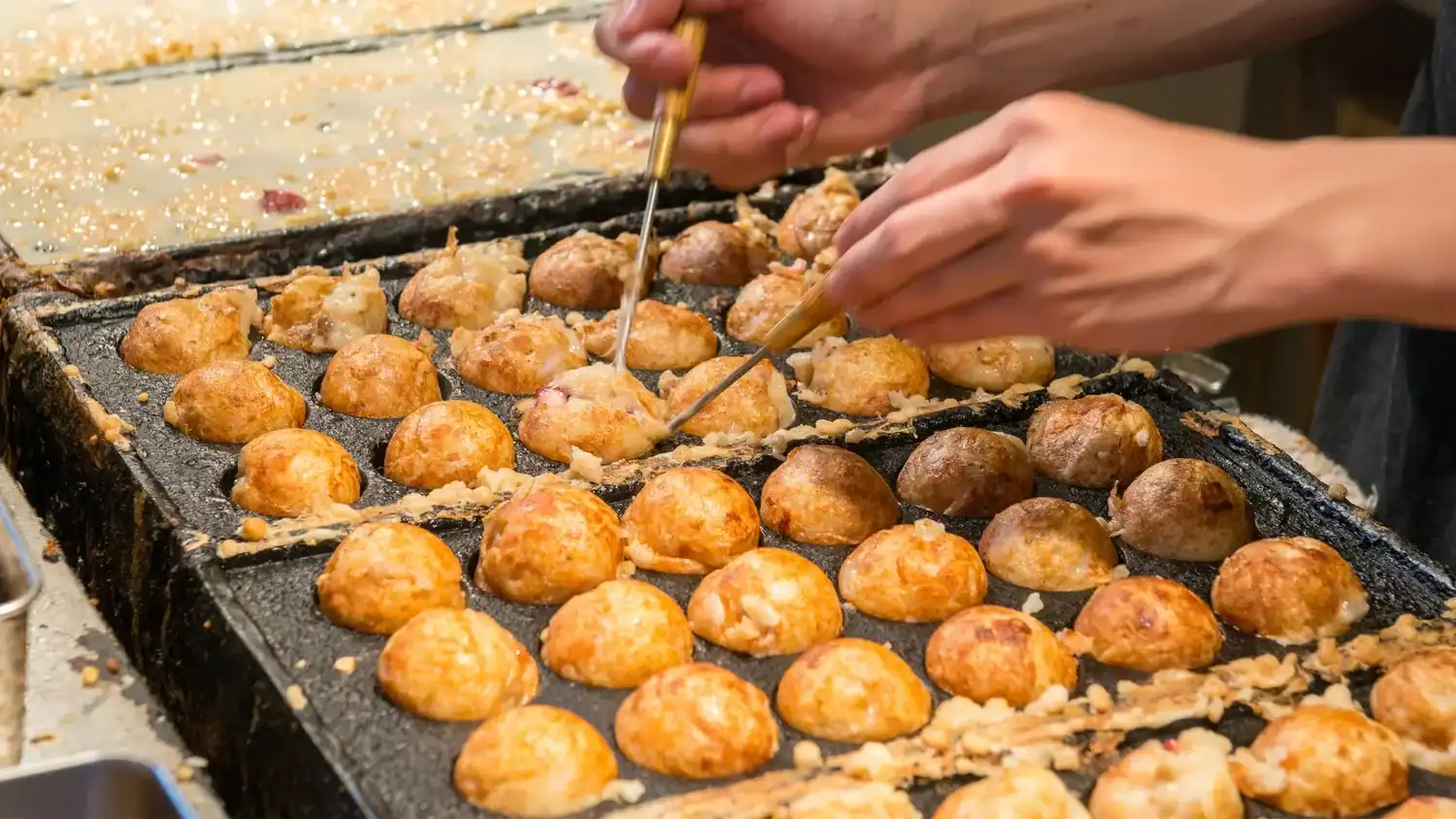
Takoyaki comes as small, gooey octopus balls with a crisp shell and a hot, soft center. It stands out as one of the must-try snacks among the 22 Japanese foods to try in Japan.
Where to find it:
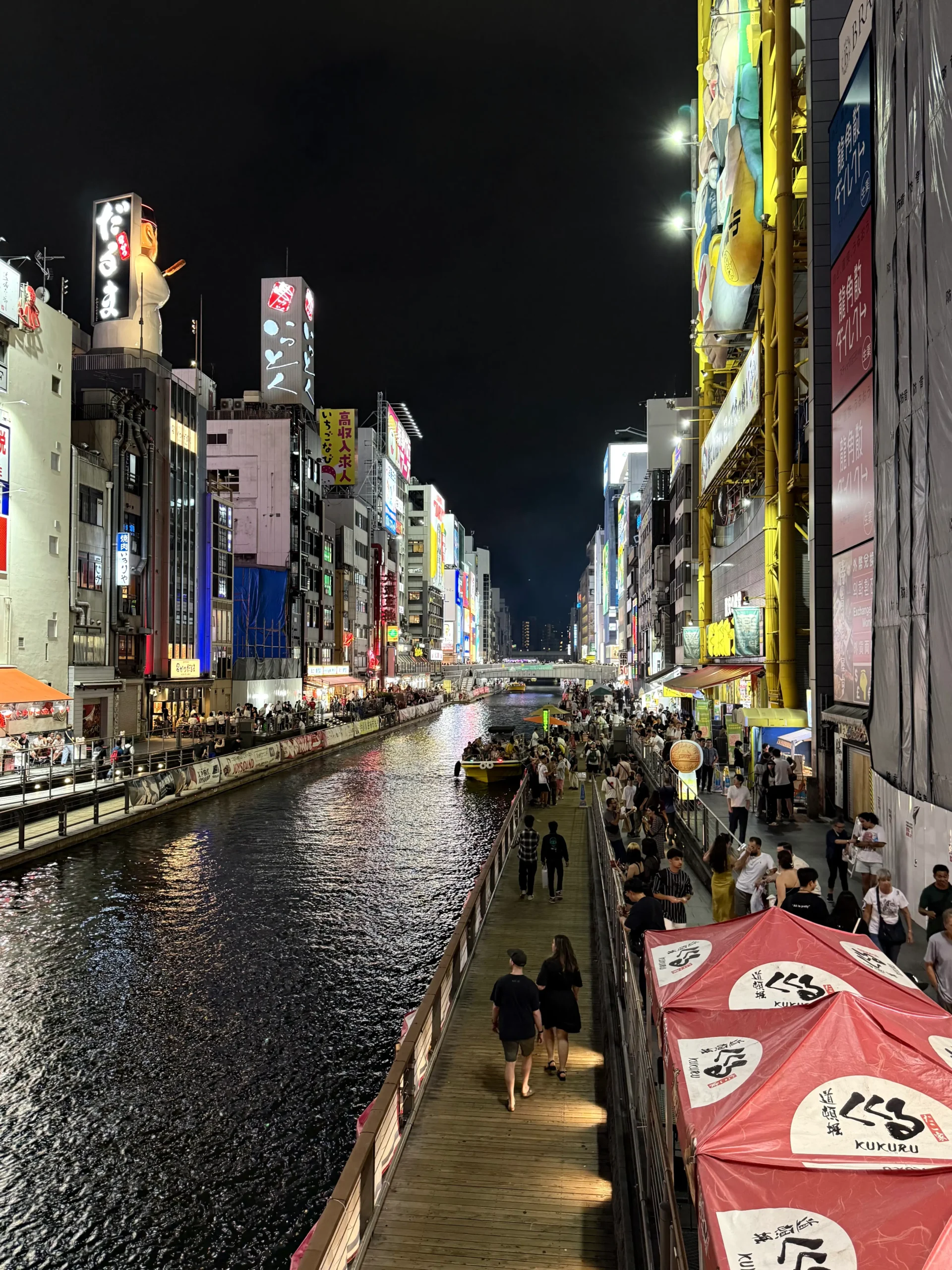
• Osaka’s Dotonbori
• Dotonbori Riverside Grill Wonder
I grabbed a plate fresh off the grill and took a bite too soon. The steam rushed out, the center burned my tongue, and I realized why locals let it cool first.
Once the heat settled, the batter tasted savory, the octopus felt tender, and the sauce with bonito flakes tied everything together. I finished every piece, just a little more carefully after that first bite.
Osaka has endless street food spots, and joining a walking food tour through Klook or Viator helps you avoid tourist traps and find the best stalls.
Quick Tip: Octopus texture is chewy but mild; if you’re unsure, choose a half-order first.
7. Okonomiyaki
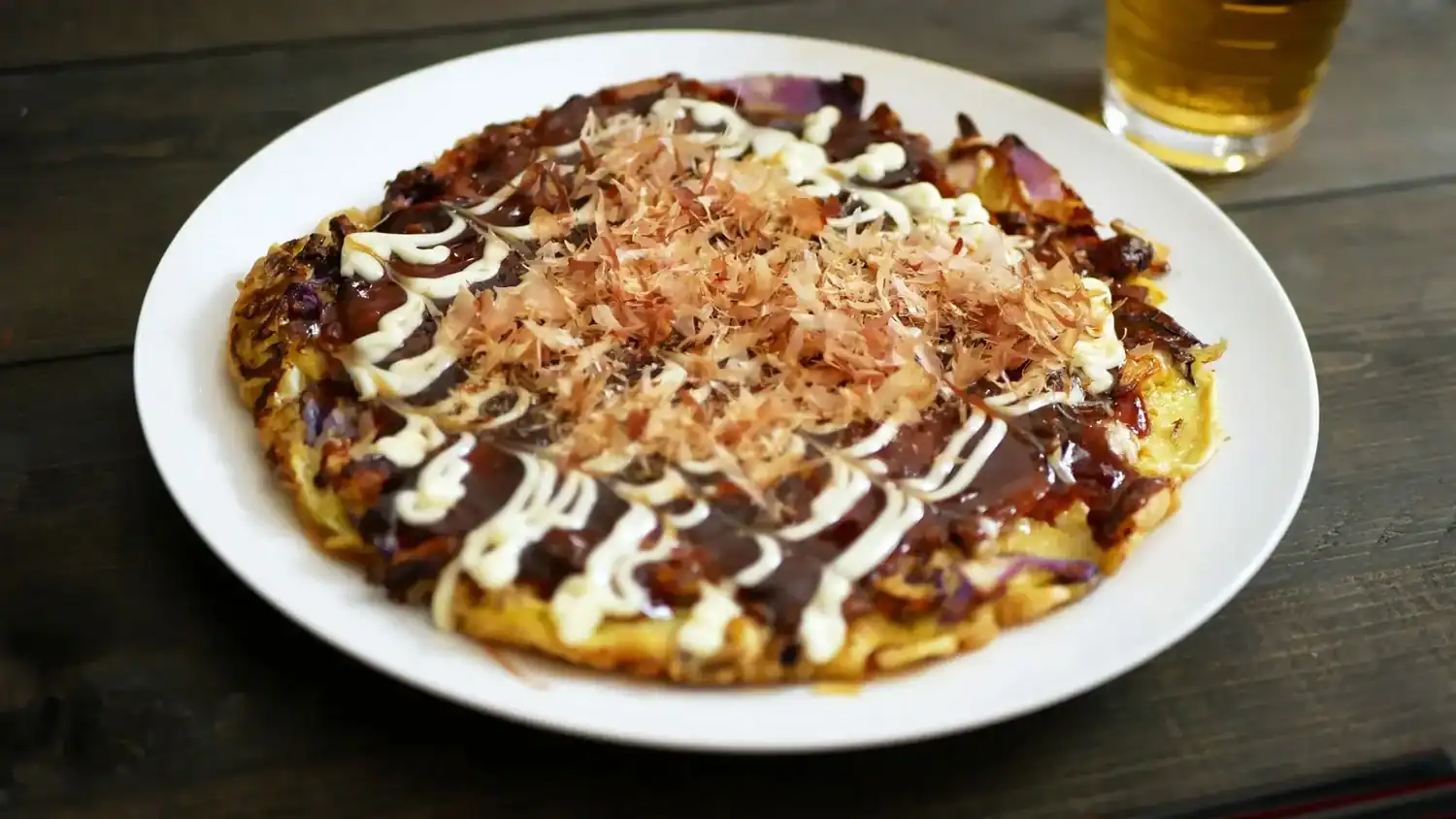
Okonomiyaki tastes rich and savory, cooked on a hot griddle and served straight from the pan. Osaka makes it like a thick pancake with batter, cabbage, and toppings mixed. Hiroshima builds it in layers with noodles and egg, giving a heavier bite and a crisp bottom.
Where to find it:
• Osaka at small local teppanyaki shops
• Hiroshima at Okonomi-mura food stalls
I tried both, and Osaka won for me. The mixed batter felt softer and more balanced, with every bite carrying the same flavor.
Hiroshima tasted bold and filling, but I kept coming back to the Osaka style for its smoother texture and cleaner taste.
Quick Tip: In Osaka, many shops cook it for you; in Hiroshima, it’s usually cooked entirely by the chef.
8. Yakitori
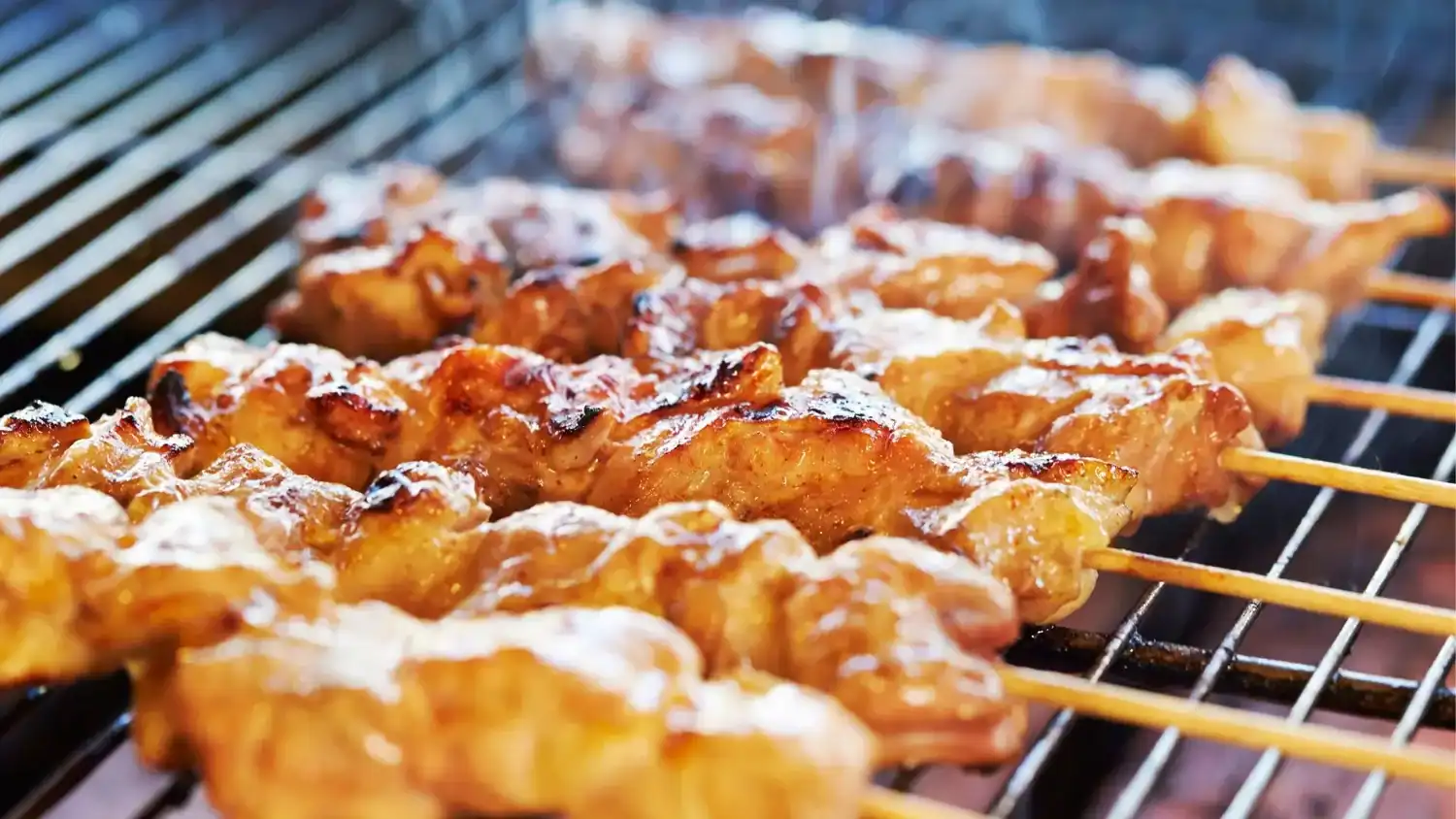
Yakitori comes as charcoal-grilled skewers, each cut giving a different texture. You get thigh for a juicy bite, skin for crisp fat, liver for a deeper taste, and heart for a tender snap. Seasoning stays simple with salt or a light glaze so the smoke and meat stand out.
Where to find it:
• Tokyo’s Omoide Yokocho
• Bars around Golden Gai
One place showed scallops and pizza on the menu, and the photos looked tempting from the street. Both dishes tasted plain, so we should have stayed with the skewers.
The drinks were priced well and served in big glasses. Staff suggested what to pair with the food, and the recommendations worked.
There was a 440 yen table charge that we only noticed after sitting down. Still, it felt like a relaxed spot to rest after walking through Shinjuku.
Quick Tip: Don’t be afraid to try “mystery cuts”, organs are common and often delicious.
9. Taiyaki

Taiyaki is a warm fish-shaped pastry with a crisp shell and a soft filling. You often see it near temples and market streets, making it an easy snack to grab while exploring.
The flavor depends on the filling, and the texture matters as much as the sweetness.
Where to find it:
• Asakusa
• Kyoto streets near shrines and markets
I bought one late in the evening, close to closing time. The red bean filling tasted generous and smooth, but the shell had lost some of its crisp bite.
The sweetness felt mild, almost toned down, which made the whole pastry feel a bit average. It taught me that taiyaki is best when it is fresh off the griddle, still hot, and firm enough to crack slightly when you bite into it.
Quick Tip: Fresh taiyaki has a crisp shell; if it’s soft, it’s been sitting awhile.
Regional Japanese Dishes Worth Traveling For
10. Kyoto Kaiseki
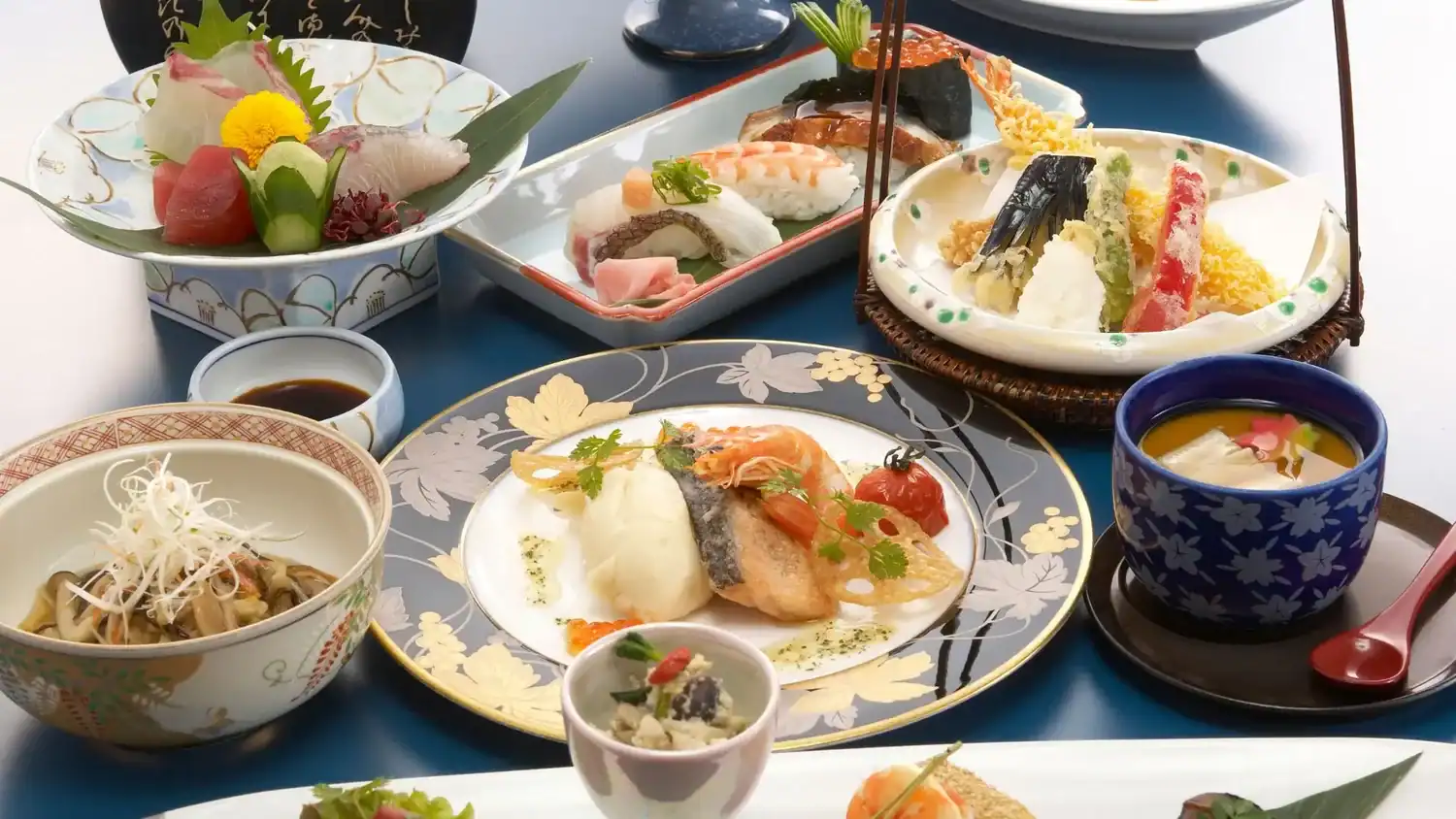
Kaiseki in Kyoto feels calm and deliberate, served in small courses that focus on seasonal ingredients and quiet flavors. Each dish comes with careful presentation, and nothing tries to overpower anything else on the table.
Where to find it:
• Kaiseki Reservation at Hanasaki Manjiro
• Traditional ryokans in Kyoto
We tried a kaiseki set that cost ¥22,000 per person. The highlight on the menu was live Ise lobster, but the part that stayed with me was the series of small dishes served throughout the meal.
Each one was prepared differently, seasoned lightly, and arranged with intention. Nothing felt rushed or flashy. The meal represented Kyoto well through its restraint, traditional flavors, and slow pace.
It is a great choice if you want to experience kaiseki the way locals expect it to be served.
Quick Tip: Expect seasonal ingredients you may not recognize. You’re not expected to finish every last item.
11. Hokkaido Seafood
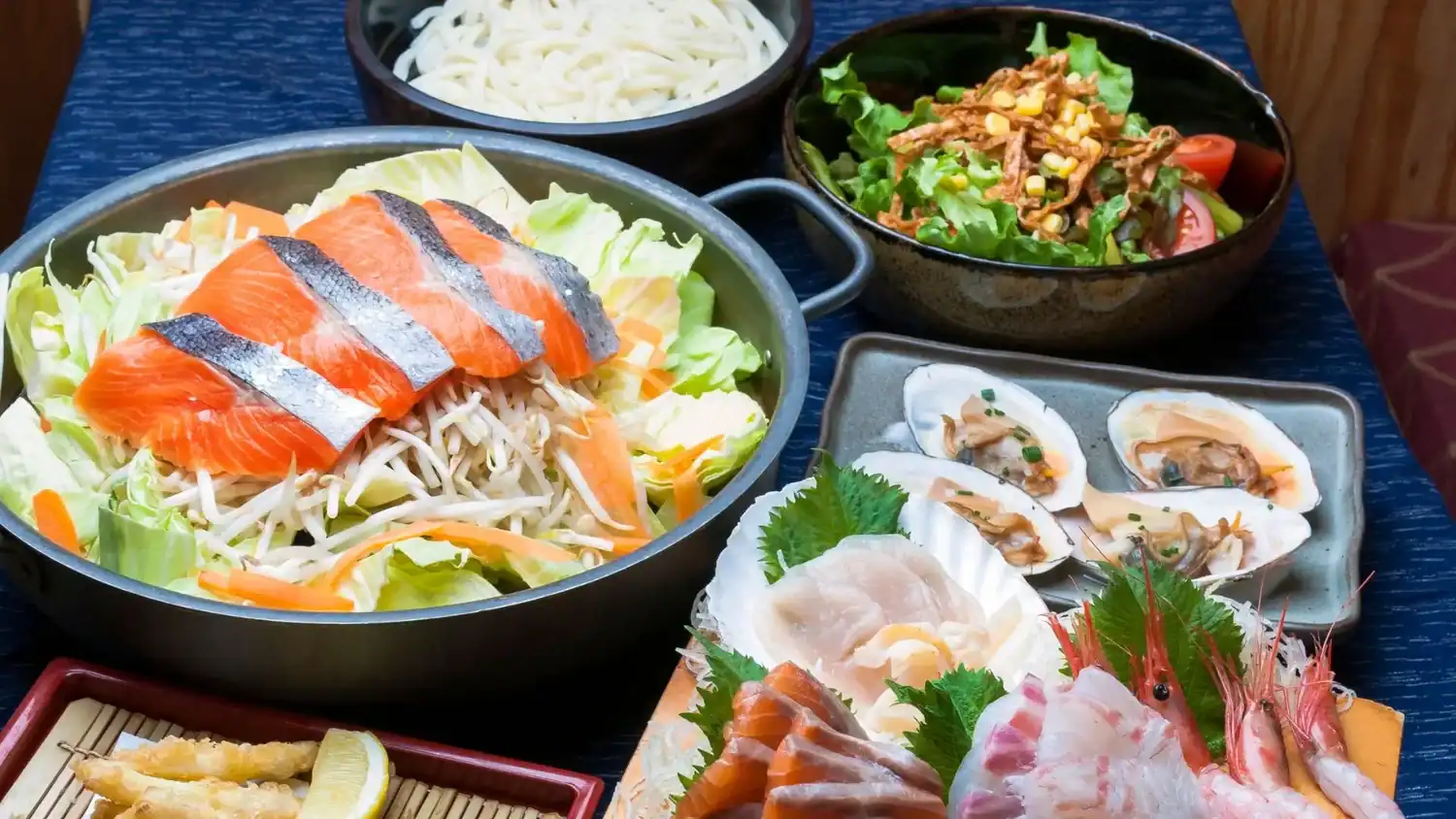
Hokkaido serves seafood bowls loaded with uni, ikura, crab, and scallops. The taste feels cold and clean, with a rich flavor that never feels heavy. Each ingredient stands on its own, and you notice the difference in every bite.
Where to find it:
• Sapporo, Nijo Market
• Hakodate Morning Market
Seafood in other parts of Japan tasted good, but Hokkaido felt clearer and sweeter. The scallops tasted soft and sweet without any briny aftertaste. The crab tasted fuller, and the uni stayed creamy without bitterness. It felt like eating the ocean in its simplest form, without needing extra seasoning.
If you want someone to guide you through the best stalls and help you choose the freshest bowls, you can join a local market tour in Hokkaido
Quick Tip: Bowls are often customizable; you can choose 2–3 toppings if you don’t want a full seafood pile.
12. Hiroshima-Style Okonomiyaki
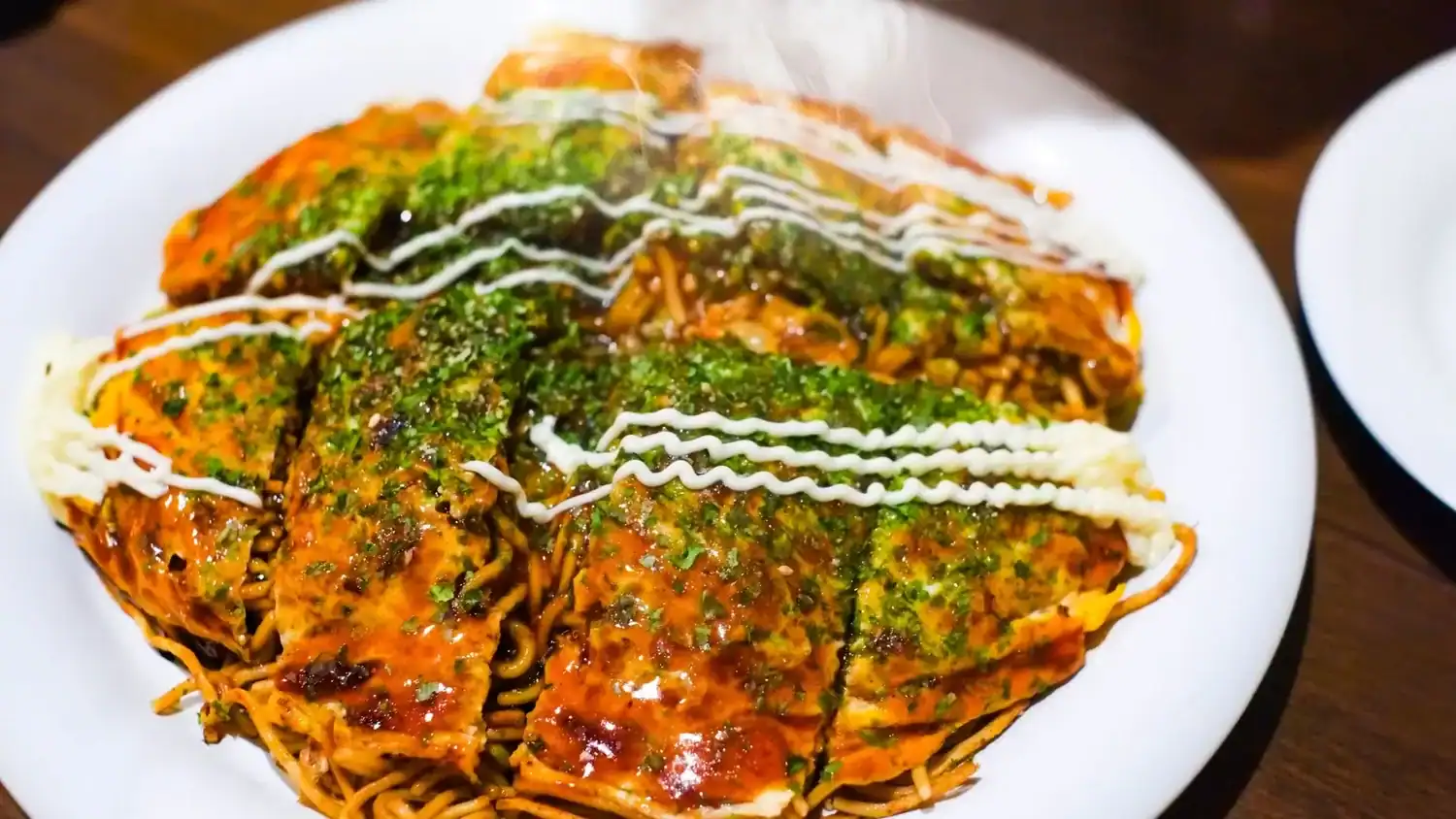
Hiroshima stacks its okonomiyaki instead of mixing everything. The layers include cabbage, noodles, batter, pork, and egg cooked flat on a large griddle. The bottom becomes crisp, and the noodles give it a heavier bite.
Where to find it:
• Okonomimura
• Mitchan Sohonten
• Okonomiyaki Junior
My first meal in Hiroshima was in a small shop with only a few seats. The owner cooked our okonomiyaki in front of us, slow and patient, and the flavor matched the care he put into it. He served kimchi with beef on the side, which tasted rich and unexpected.
We ordered drinks, tried sake, and he even had a little notebook with messages in different languages. He thanked us in our own language before we left.
That quiet gesture made the meal feel personal. It was simple cooking, good flavors, and a kind chef behind the counter.
Quick Tip: Noodles can be soba or udon; soba gives a lighter bite.
13. Hōtō Noodles (Mt. Fuji’s Local Dish)
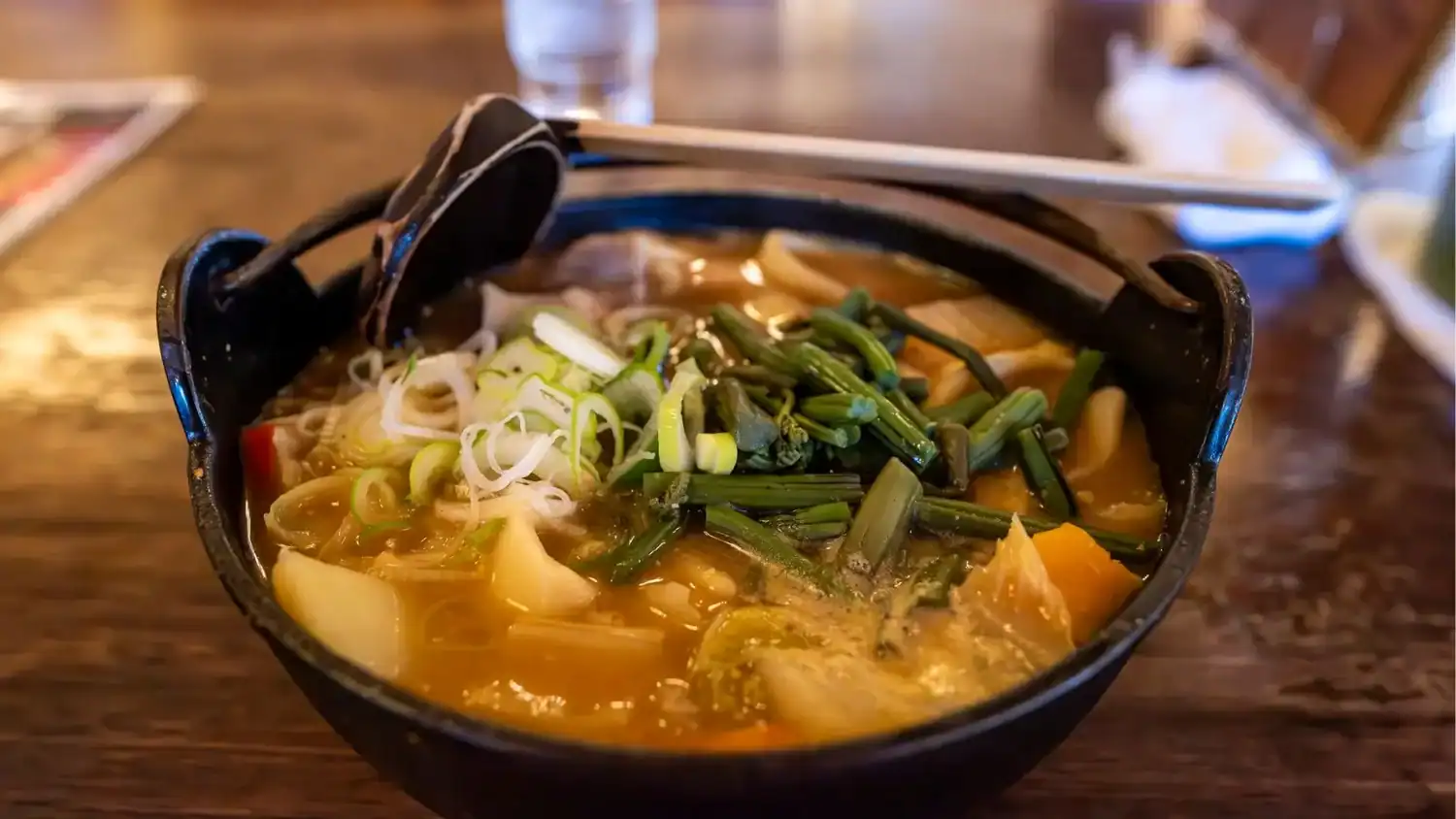
Hōtō is a thick noodle soup with pumpkin and vegetables in a warm miso broth. The noodles feel chewy, and the heat builds as you eat, making it one of the most comforting dishes around Mt. Fuji.
Where to find it:
• Hōtō Fudō Kawaguchiko North Main Shop
I ate a bowl after walking near the base of Mt. Fuji. My hands were cold, and the wind felt sharp, then the hot broth warmed me instantly. The pumpkin softened and left a sweet edge in the soup. The timing made the meal unforgettable.
Hōtō Fudō serves big portions in a heavy iron pot placed over a metal stand. The broth tastes rich, the noodles stay thick and chewy, and the vegetables come from nearby farms. The interior feels rustic, while the building outside looks modern and rounded, shaped to resemble rising steam from a hot pot. It is an odd mix, but it works.
When we visited, the restaurant was quiet, yet the staff moved fast, calling short commands to one another and running between tables. Orders came out quickly, and payment at the exit kept everything smooth. The pace felt professional without losing warmth.
Their hōtō uses local miso and fresh vegetables, cooked with care and consistency. If you visit Kawaguchiko, this is the dish to try and the place to try it.
Quick Tip: The pot stays hot for a long time; stir frequently so vegetables cook evenly.
14. Okinawan Cuisine
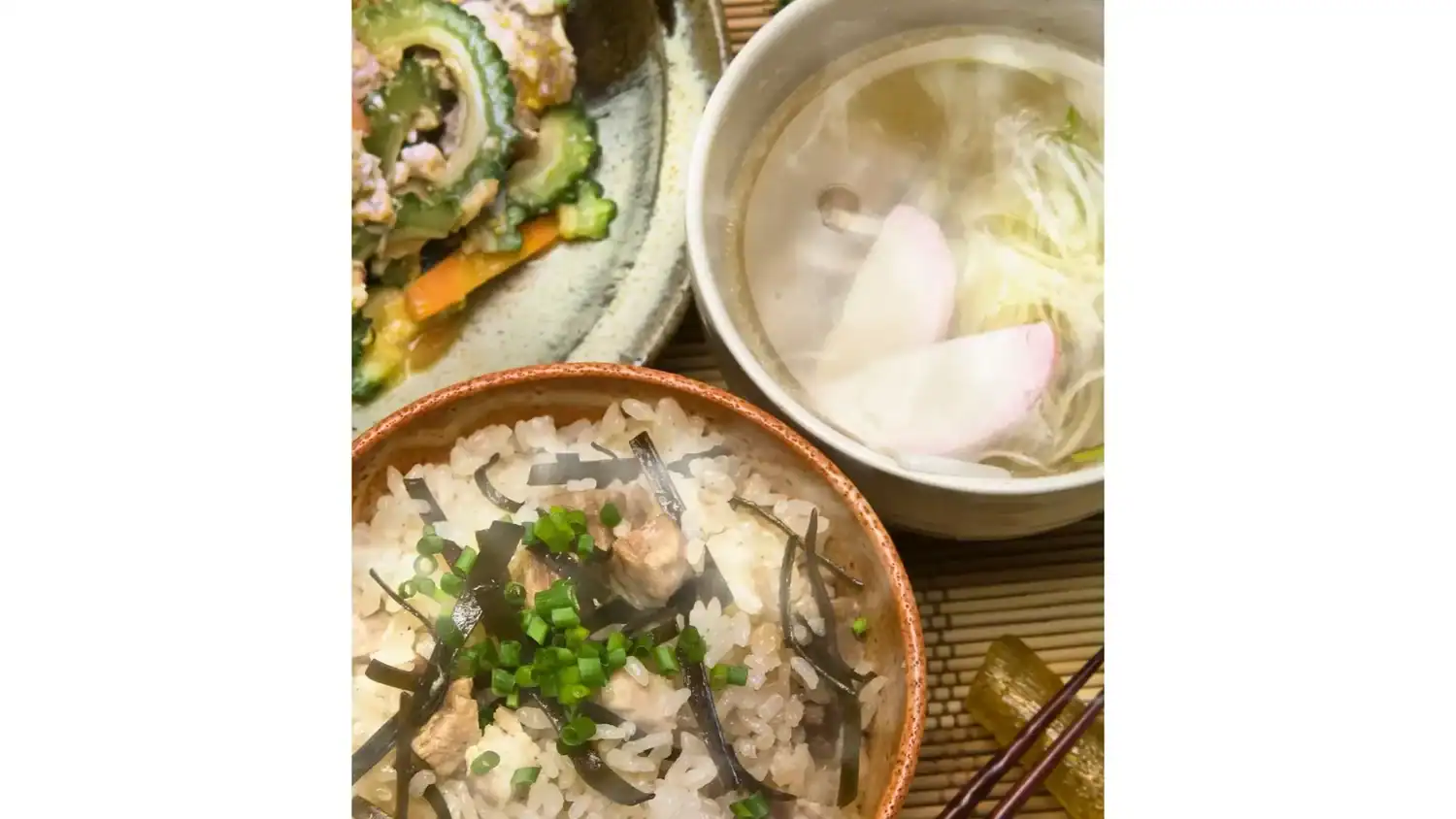
Okinawa’s food tastes different from the rest of Japan. You get tropical flavors, local vegetables, pork dishes, and even American influences like taco rice. The mix feels simple but unexpected.
Where to find it:
• Naha’s Kokusai-dori
• Makishi Public Market
The first bite of goya champuru surprised me. The bitter melon tasted sharp, almost too strong on its own, but it balanced well once mixed with egg and pork.
The bitterness never disappeared; it just made the dish taste fuller. Taco rice was the opposite: light, salty, and familiar. The contrast made Okinawan food feel straightforward and bold, without trying to please everyone.
Quick Tip: Ask what vegetables are local; Okinawa uses produce you won’t find on the mainland.
Konbini Snacks & Easy Eats to Try
15. Onigiri
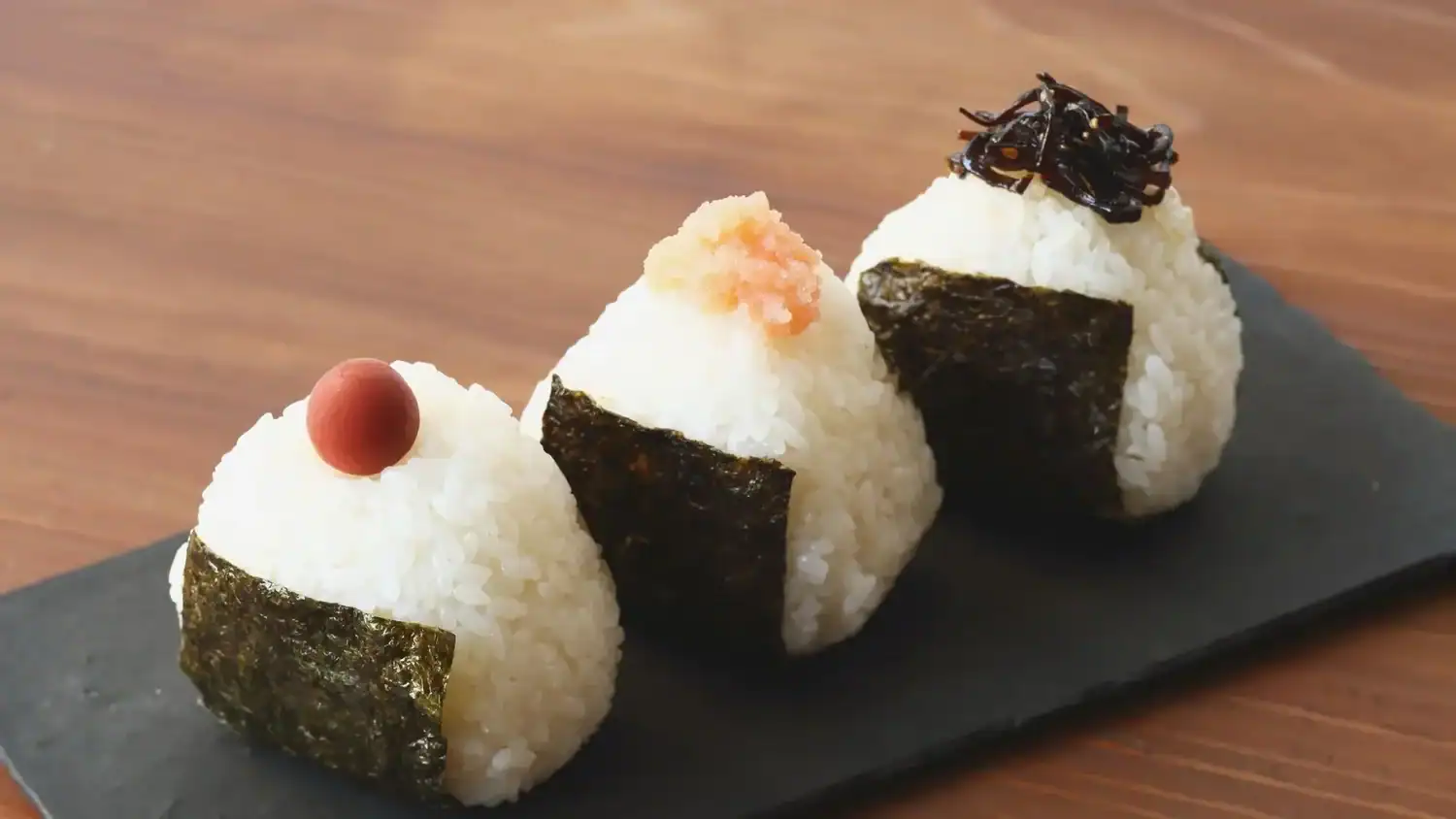
Onigiri looks simple, but the balance of warm rice, seasoned filling, and crisp seaweed can feel more satisfying than a full meal. Tuna mayo tastes creamy, salmon feels salty and rich, and ume gives a sharp bite that wakes you up.
Where to find it:
• 7-Eleven
• FamilyMart
• Lawson
A konbini onigiri once saved me after a long train ride with no restaurants open. I grabbed a tuna mayo without thinking, sat on a quiet bench, and took a bite. It was warm from being tucked in my bag, the seaweed stayed crisp, and it felt like real food, not a quick snack. It kept me going until I found dinner hours later.
Quick Tip:
If you don’t read Japanese, choose by color:
red = spicy
pink = salmon
blue = tuna mayo
16. Japanese Sandwiches
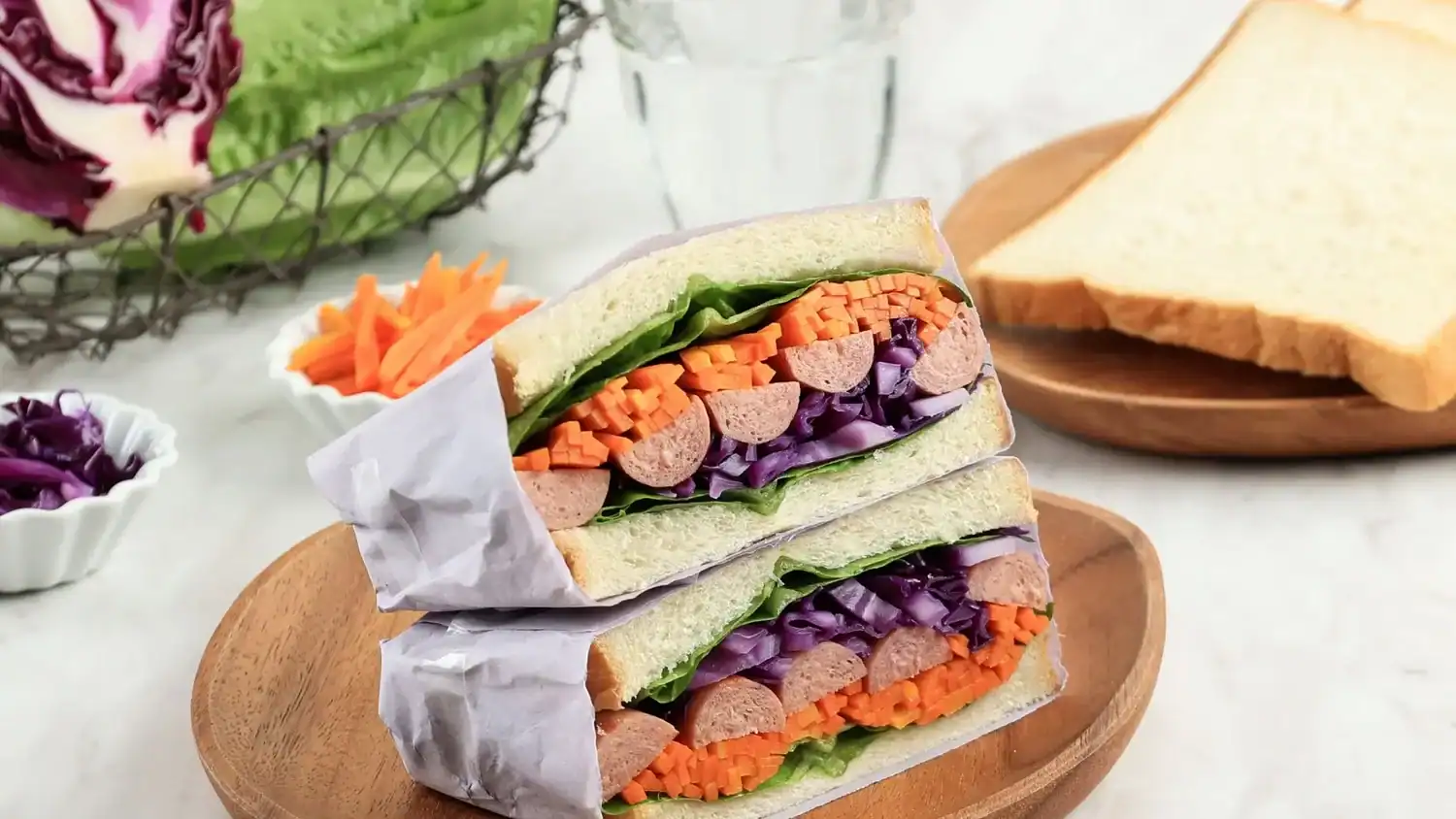
Japanese sandwiches look small and neat, but they pack clear flavors. Katsu sando gives a crunchy, juicy pork cutlet inside soft milk bread. Fruit sando comes with fresh cream and chilled fruit slices, sweet without being heavy. Both feel simple and direct.
Where to find it:
• Konbinis
• Local bakeries
The most unexpected sandwich I tried was an egg salad sando from a konbini. It looked plain, but the bread stayed soft, and the filling tasted creamy with a clean egg flavor, not the heavy taste I expected. It became one of the sandwiches I kept buying during the trip.
Quick Tip: Egg salad is a safe starter if you’re overwhelmed by choices.
17. Unique KitKats and Snacks
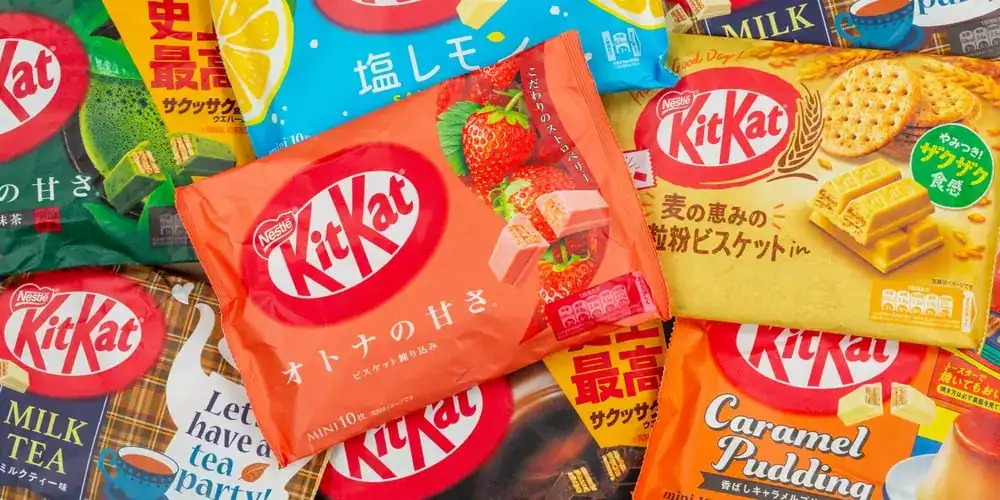
Japan takes snacks seriously, especially KitKats in limited flavors. You get matcha, strawberry, sake, and even wasabi. The flavors stay clear instead of artificial, and the textures range from smooth chocolate to light wafer crunch.
Where to find it:
• Don Quijote
• Airport souvenir shops
The flavor that shocked me most was wasabi. I expected something harsh, almost like eating spice, but it tasted clean and slightly sharp without burning. It ended sweet, not hot. I bought it as a joke and ended up finishing the whole pack.
Quick Tip: Matcha is the safest choice; wasabi is surprisingly mild.
Japanese Desserts You Can’t Miss
18. Mochi and Daifuku
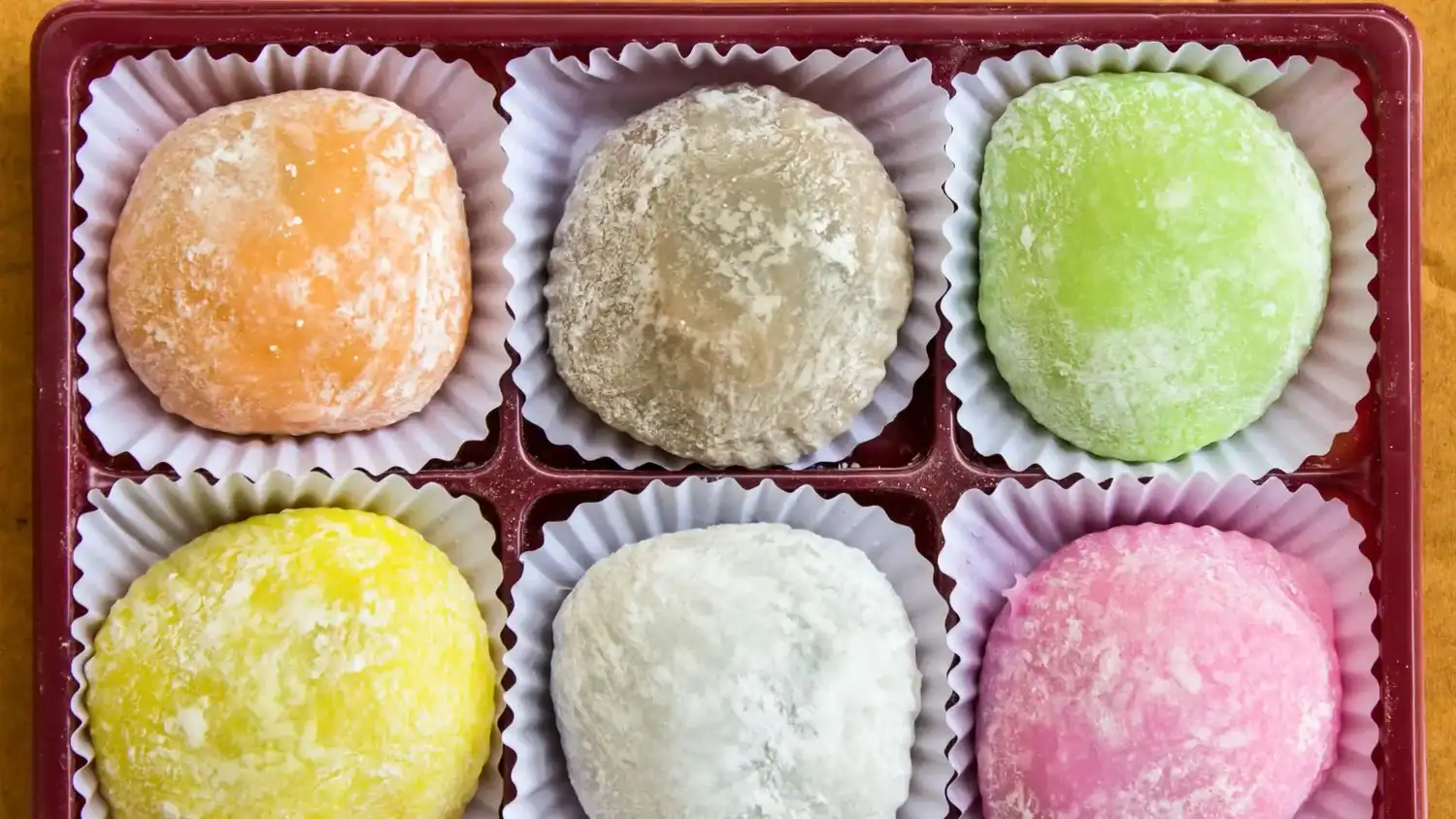
Mochi and daifuku taste soft, chewy, and lightly sweet. Packaged ones are convenient, but fresh mochi has a pillowy texture that feels warm and alive, especially when it is hand-pounded right in front of you.
Where to find it:
• Nara
• Kyoto’s Nishiki Market
I tried fresh mochi in Nara while a crowd watched it being pounded at high speed. The vendor handed it over still warm, dusted with light kinako powder. It melted as I bit into it, soft enough to disappear without chewing much. The flavor was faint and clean, not sugary. It tasted simple but memorable, the kind of treat that only makes sense when it is fresh.
Quick Tip: Matcha is the safest choice; wasabi is surprisingly mild.
19. Matcha Desserts
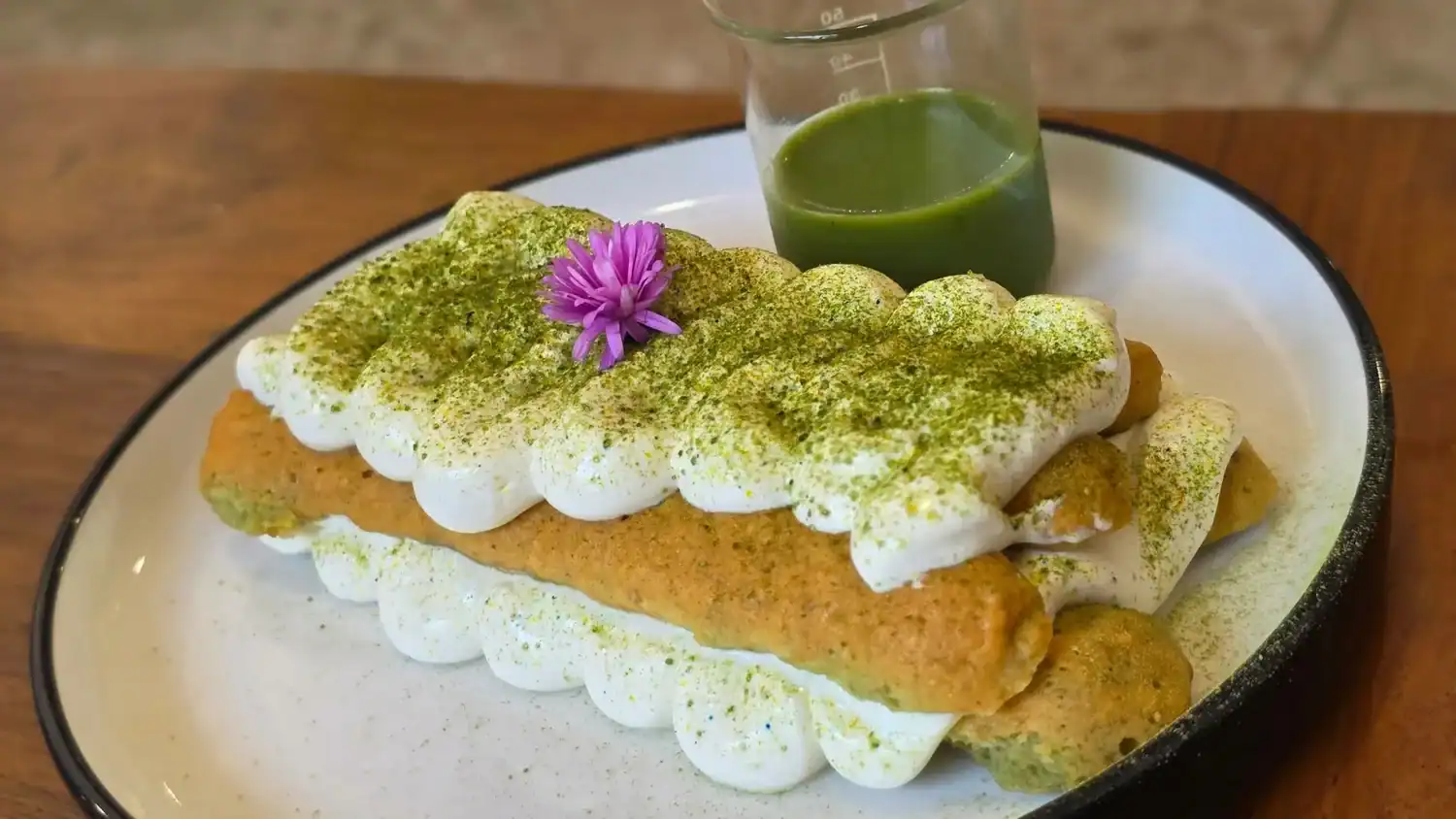
Matcha desserts taste deeper than regular green tea flavoring. The bitterness mixes with sweetness, creating a clean taste that cuts through cream or ice. You find it in parfaits, cakes, ice cream, and soft serve, each showing a different side of matcha.
Where to find it:
• Uji, Kyoto
My first real matcha wasn’t a drink, it was ice cream in Uji. It looked simple, almost dull in color, but the flavor was strong and earthy, not sugary. The bitterness stayed clear, then faded into a quiet sweetness. I stopped eating for a moment to taste it properly. It made every other matcha dessert I had before feel like a weak imitation.
Quick Tip: If you don’t like bitter flavors, pair matcha with something creamy.
20. Japanese Cheesecake
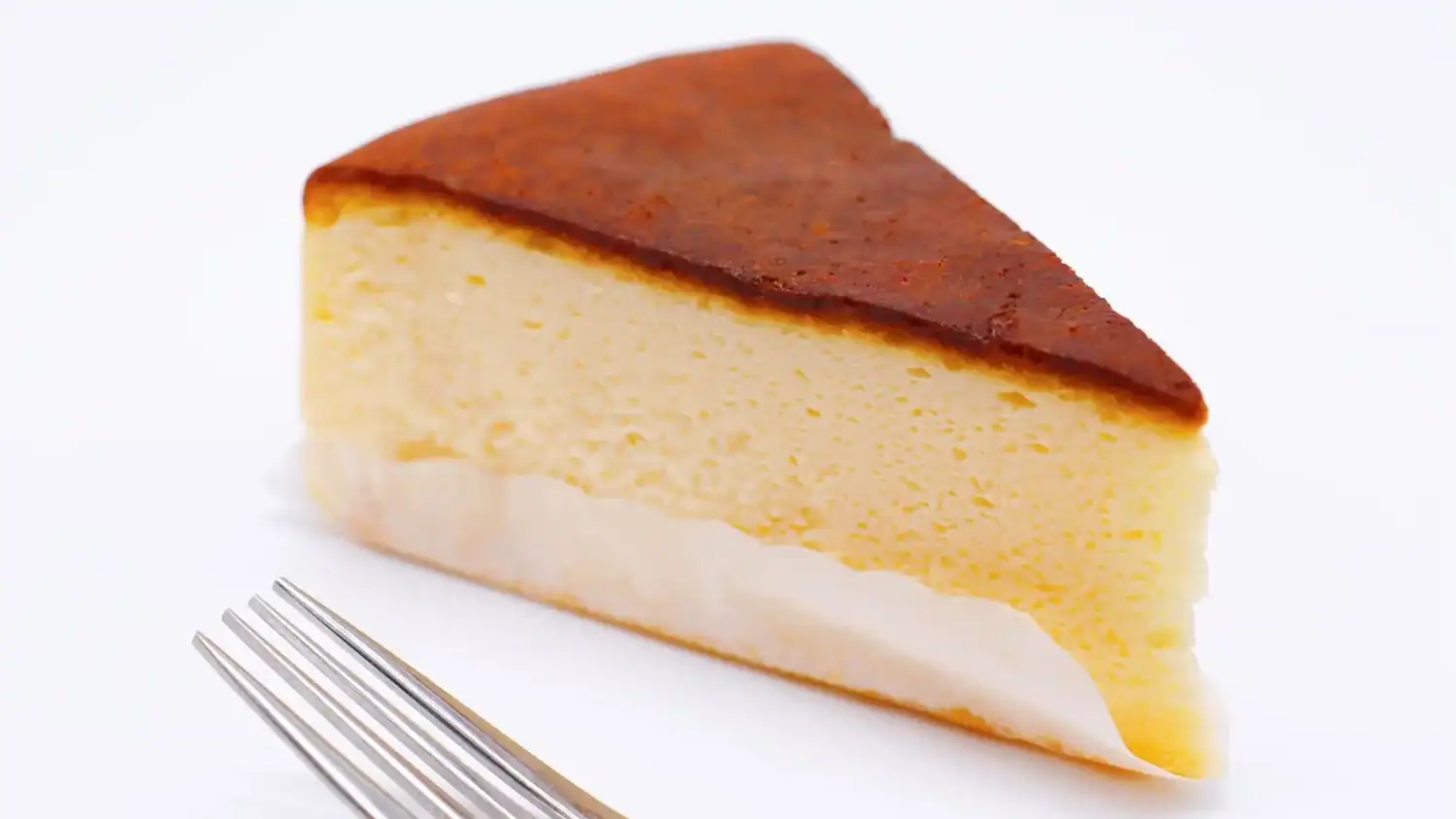
Japanese cheesecake comes in two main styles. The fluffy version feels light and airy, almost like a sweet sponge, while the baked version is richer and creamier without being heavy. Both stay mild in flavor compared to Western cheesecakes.
Where to find it:
• Rikuro’s in Osaka
I tried Rikuro’s after seeing the long line wrap around the shop, and it lived up to the hype. The cake came out warm, soft, and jiggling slightly on the plate.
The sweetness was gentle, and the texture melted more than it chewed. It tasted simple, but that simplicity is what made it memorable. I finished a slice faster than I expected and understood immediately why people line up for it.
Quick Tip: The fluffy version is best eaten same-day.
Drinks to Try in Japan
21. Matcha and Japanese Teas
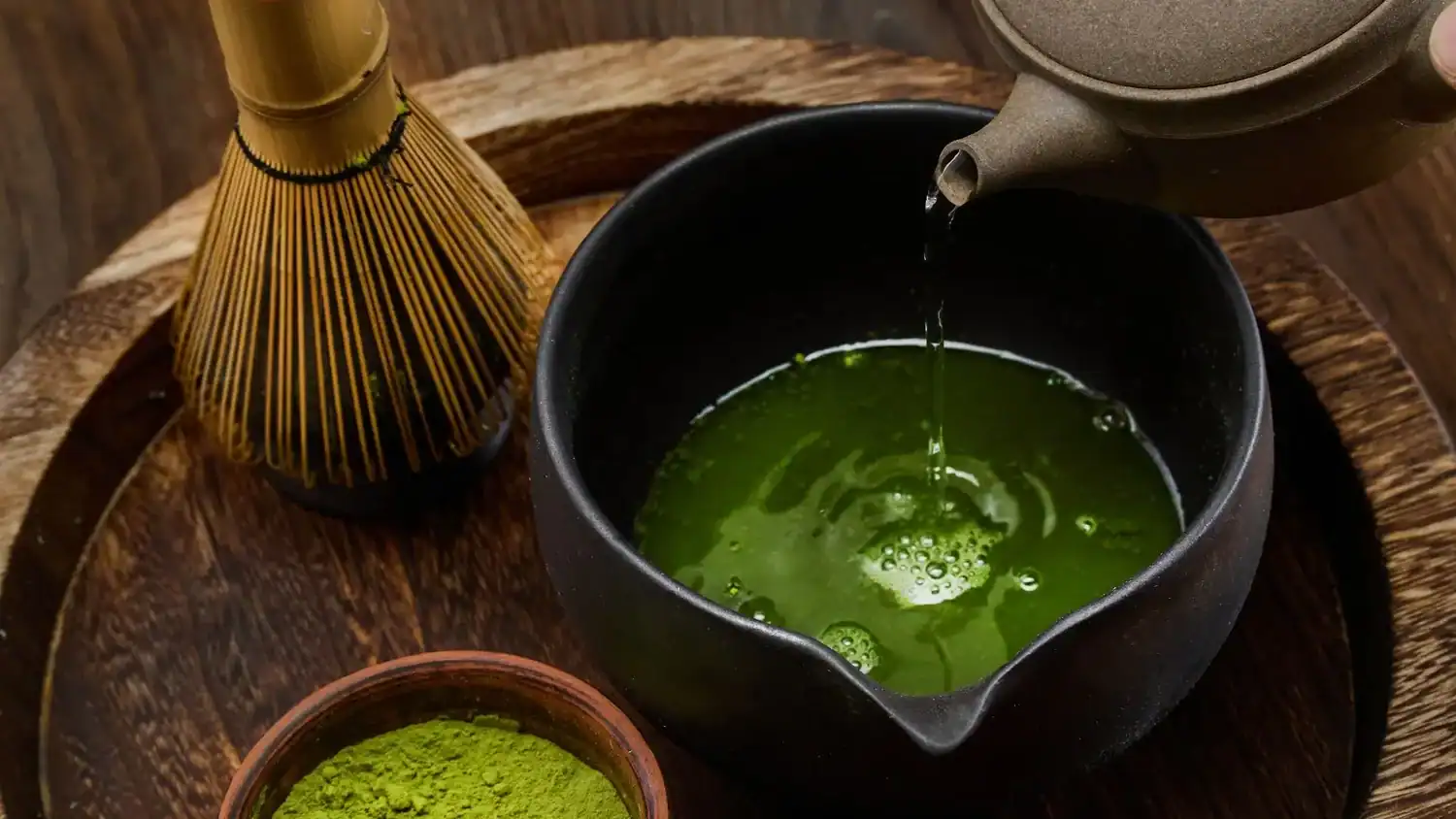
Matcha is only one part of Japan’s tea culture. Sencha tastes clean and grassy, hojicha feels roasted and warm, and genmaicha mixes tea with toasted rice for a nutty aroma. Each has its own balance of flavor and bitterness.
Where to find it:
• Kyoto tea houses
• Uji
I joined a short tea ceremony in Kyoto and learned how slow the process really is. The host whisked the tea until it turned smooth, then served it without any sugar or snacks to hide the flavor.
The bitterness felt clear instead of sharp, and the warmth lingered longer than expected. It made me appreciate how much attention goes into one cup.
Quick Tip: At tea ceremonies, don’t drink until the host gestures or finishes preparing your cup.
22. Sake and Japanese Whisky
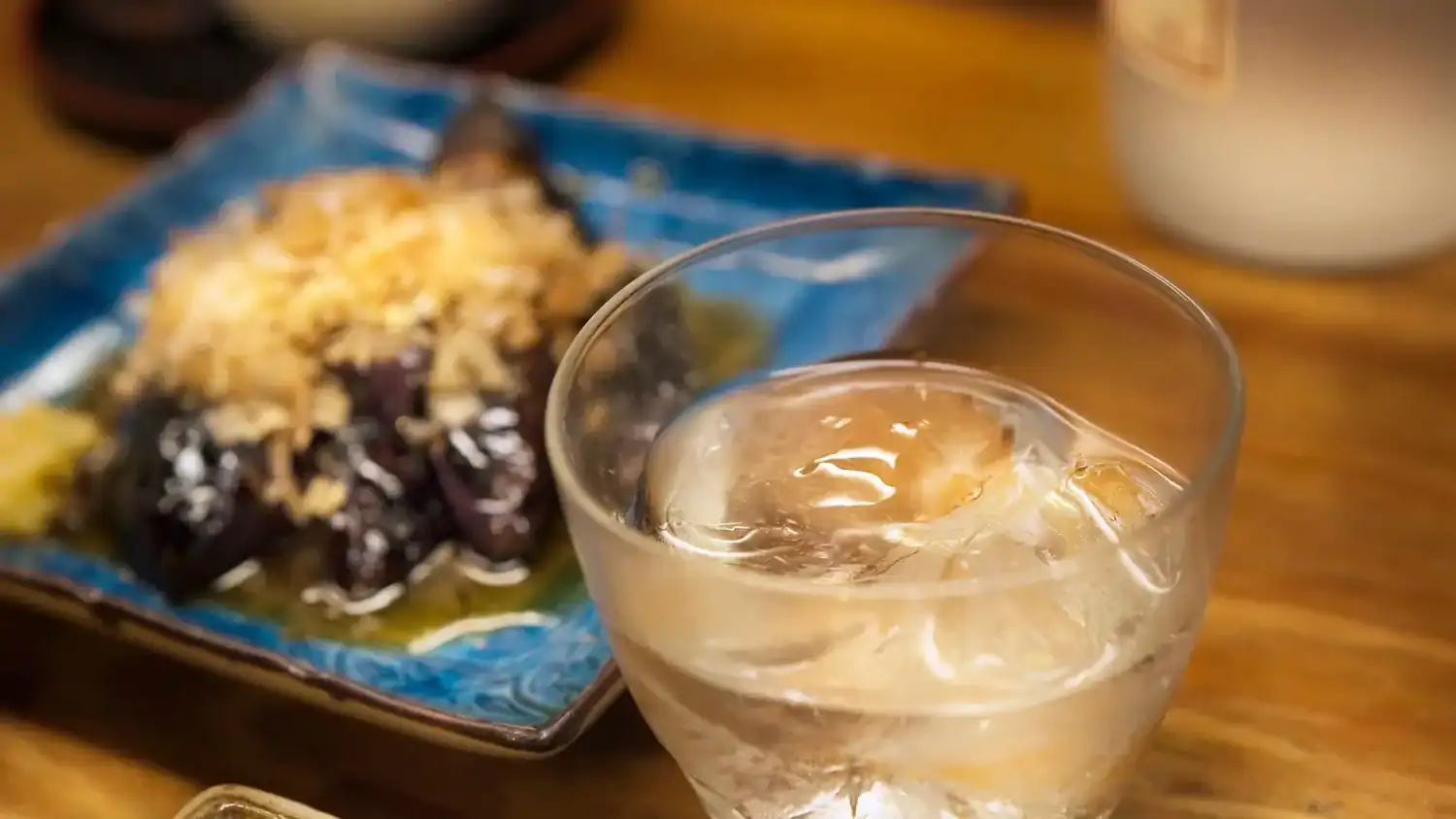
Sake and whisky in Japan offer different flavors depending on how they are brewed or aged. Sake can be crisp, fruity, or dry, while Japanese whisky is often smooth with light smoke and a gentle finish. Both taste better when served the way the shop recommends.
Where to find it:
• Local izakayas
• Nikka distilleries
• Tokyo whisky bars
I tasted sake flights at an izakaya, and the difference between dry and cloudy sake surprised me. The cloudy version felt creamier, with a slight sweetness. The dry one tasted crisp, almost like a light wine. Japanese whisky felt cleaner, with smoke so subtle you only noticed it after the sip.
Quick Tip: Don’t mix sake types in one cup; finish before pouring a new sample.
Planning Your Food Adventures in Japan
Japan serves food with care, and the experience becomes richer when you eat the way locals do. One thing I’ve learned through travel is that slow and authentic experiences often occur away from the popular places you constantly see online.
If you step outside the busy spots, talk to people, and ask where they eat, you often end up in small places you would never find on social media. Locals rarely point you to trendy locations; they point you to the places they actually visit.
Regional dishes are worth traveling for because flavors change from city to city. Hokkaido seafood tastes colder and sweeter, Kyoto kaiseki feels calm and refined, and Osaka street food hits fast and bold.
These differences come from local ingredients and cooking traditions shaped over time. Food etiquette is simple: slurp your noodles, finish what you order, and let someone else pour your drink if you are eating with others.
You can enjoy street food and fine dining on the same day. Eat soba at a station, snack at a market, and book a special dinner later. Good food in Japan isn’t about price, it’s about care.
Read More About Japan
- I Tried the Best Sushi Making Class in Tokyo
- The Best eSIM for Japan That Actually Worked for Me
- 10 Best Day Trips from Tokyo (That Are Actually Worth It)
- Is the Tokyo Metro Pass Worth It?
- 15 Best Kawaguchiko Hotels with Mt. Fuji Views
- 14 Of The Best Cooking Classes In Tokyo For Tourists
- 14 Cooking Classes in Kyoto You’ll Love
- 10 Fun and Authentic Cooking Classes in Osaka
- 15 Non-Touristy Things to Do in Kyoto for an Authentic Experience
- Do I Need Travel Insurance for Japan?
- The 2 Day Tokyo Itinerary You Won’t Feel Rushed
- Japan Road Trip Itinerary: Epic 8-Day Route Guide
- Simple Japanese Phrases for Travelers I Actually Used
- How to Plan the Perfect Mt. Fuji Itinerary
- 2 Day Kyoto Itinerary That Will Make You Fall in Love With Japan
- Best and Worst Time to Visit Japan: First-Timer’s Guide