I Tried the Best Sushi Making Class in Tokyo

Thinking about booking a sushi-making class in Tokyo, but not sure if it’s worth it?
Let me walk you through the exact experience we had: what surprised us, what we loved, and what to know before you go.
For Matthias’s birthday, I wanted to do something memorable. While planning our Japan trip, I stumbled upon a sushi-making class in Tokyo and knew it was the perfect surprise. We’re both obsessed with Japanese food, so I knew we would both love the experience.
We’ve taken over 5 cooking classes around the world — from hot pots in Hong Kong to curries in Chiang Mai — so we were curious how Japan would compare. Spoiler: It turned into one of the most joyful and surprising highlights of our entire trip.
From shaping nigiri to laughing over our lopsided hand rolls, we left with full stomachs and unforgettable memories. I’ll break down everything you need to know: the class we chose, what it cost, how it felt, and why it’s more than just a “tourist thing.”

Why Do a Sushi Making Class in Tokyo?
When I think of Japan, I think of food and culture. And when I think of food, sushi always comes first. It’s actually my favorite Japanese food!
Sushi isn’t just Japan’s most famous dish. It’s part of its identity, a reflection of patience, respect, and precision. Taking a sushi-making class allows you to see that dedication up close. Years of tradition come alive in every slice of fish.
During the class, you’ll see how much care goes into every detail. You learn how details like the freshness of fish or the amount of rice affect the whole taste of the sushi.
It’s also one of the easiest cultural experiences to enjoy, even if you don’t speak Japanese.
If you love learning by doing, this sushi-making class in Tokyo turns your trip from sightseeing into a cultural engagement. You can book the same class through GetYourGuide. It was one of the best decisions of our trip!

Sushi Garyu: Best Sushi Making Class in Tokyo
There are several sushi-making classes in Tokyo, but we chose a small, hands-on workshop that included both maki and nigiri. Because it only takes 1.5 hours and is located near the Tokyo Skytree, it easily fits into a day of sightseeing.
I expected a beginner-level class with simple instructions. What I didn’t expect was how personal the experience felt.
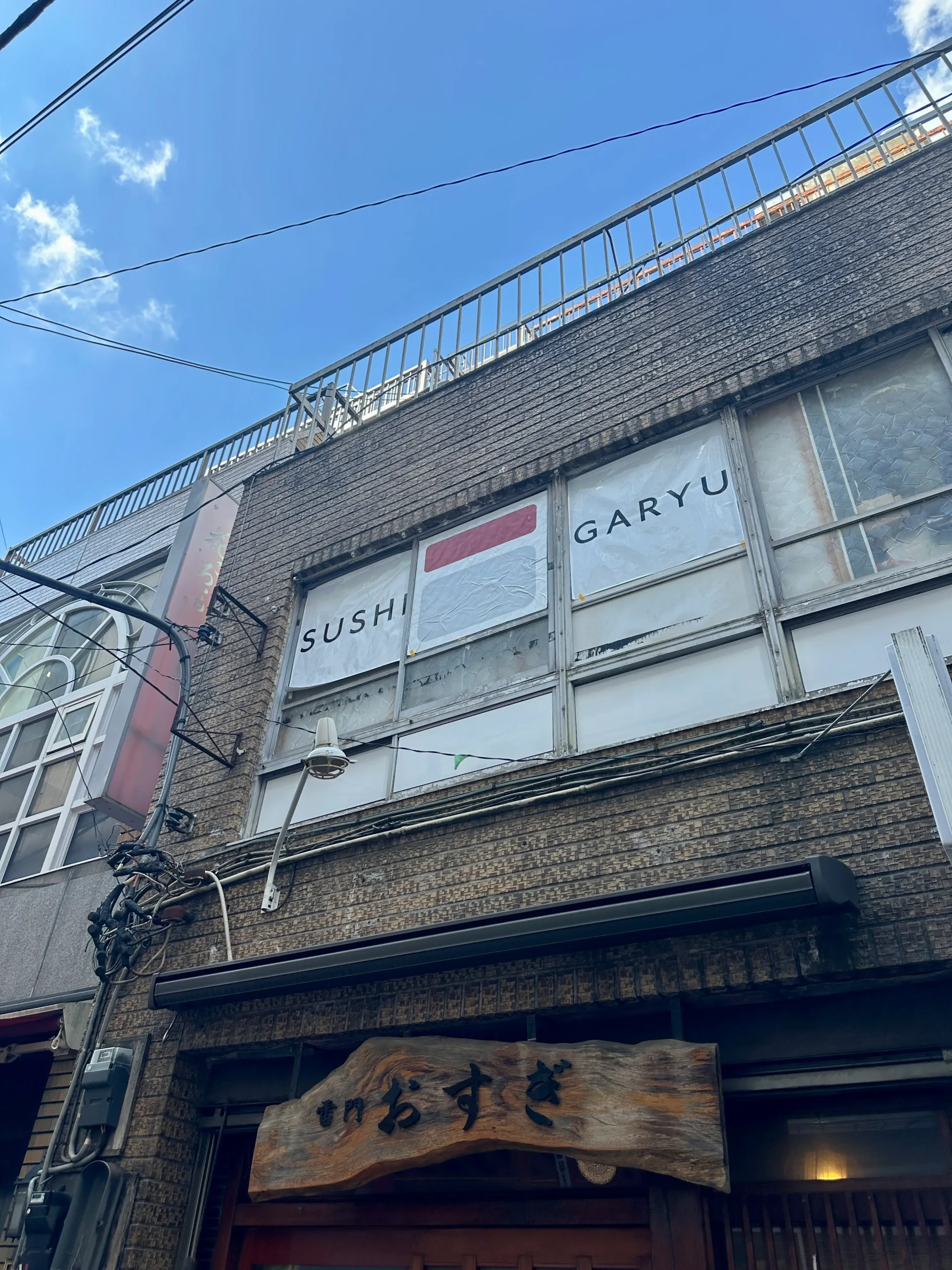
The class was held in Asakusa, one of Tokyo’s most traditional neighborhoods. It’s a cozy cooking studio rather than a busy restaurant.
There were only a few of us in the group, including a couple who were on a honeymoon. When we started, the chef prepared a kagami-biraki ceremony for them, where they struck the lid of the wooden sake barrel. And inside are candies for everyone!
This is not a usual part of the sushi-making class, so it was a nice cultural surprise that made the session feel even special.
If you’re worried about language, don’t be. The chef spoke clear English and explained every step patiently. They even assigned one chef to our table because we were four, which is a very thoughtful bonus.
Booking The Sushi Class in Tokyo
We booked our sushi-making class through GetYourGuide, and I highly recommend securing your spot in advance, especially if you’re traveling with a group.
We actually had our eye on a combo sushi and ramen class first, but we waited too long. By the time we were ready to book, it was full.
If this class is something you want to include in your Tokyo itinerary, don’t wait. Classes are small and often sell out weeks ahead. You can also choose a refundable option (for a small extra fee) if your plans aren’t final yet.
Wearing Traditional Chef Jackets
Before our class, we got to choose our Japanese happi coats. These are traditional chef jackets that made us really feel like real sushi apprentices. It instantly set the mood for what was about to be a special experience.

Our Experience at Sushi Garyu Sushi Making Class
The class began with a warm welcome and a quick rundown of what we’d be making. Then, the chef walked us through each ingredient laid out in front of us.
Since we were a group of four, we shared one table. But each of us had our own setup: a cutting board, a bowl of perfectly seasoned rice, and a personal tray filled with fresh fish, crisp cucumber, sweet tamago (Japanese omelet), and vibrant crab sticks.
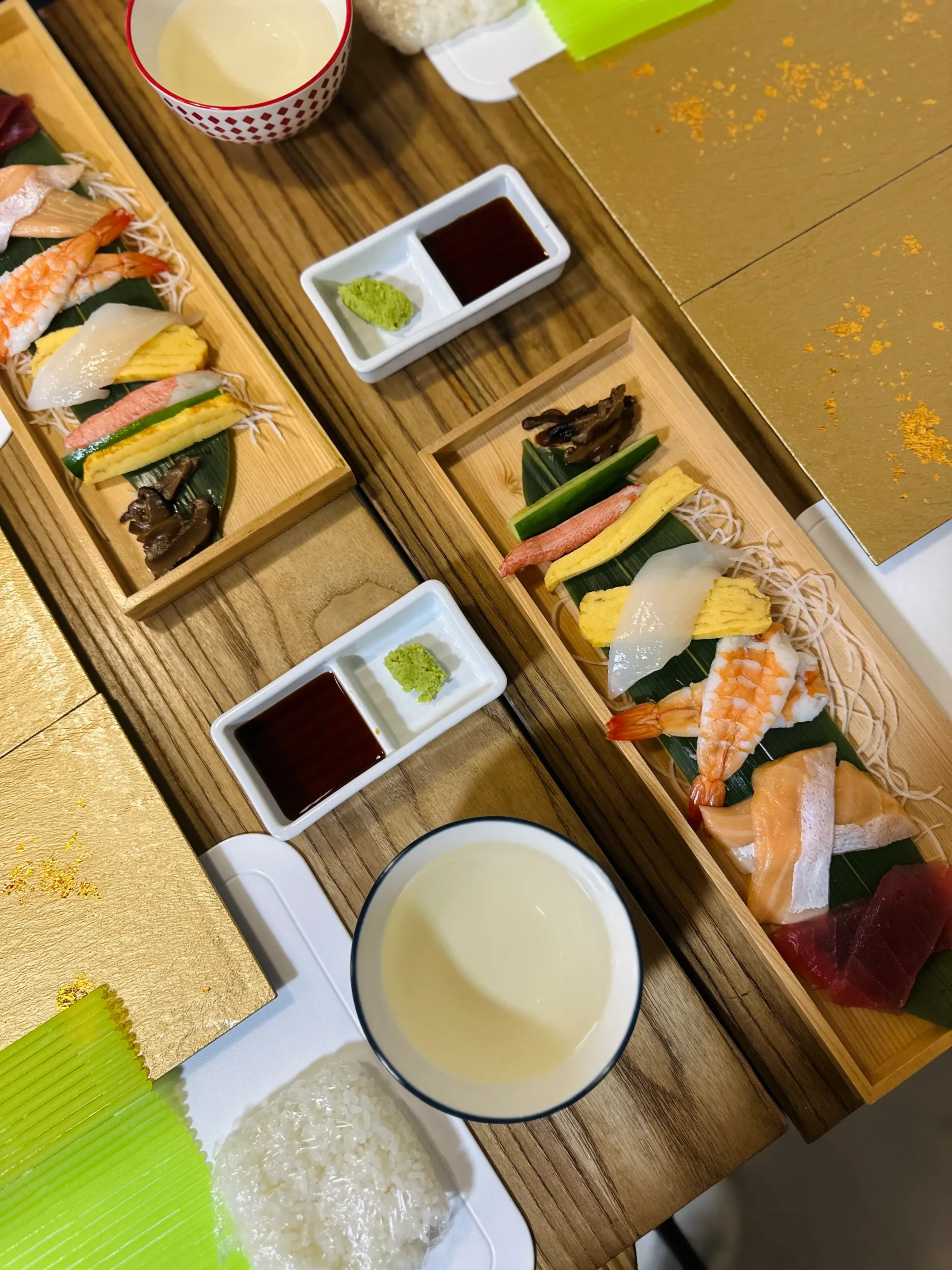
It was clear from the start that this wasn’t going to be a passive “watch and taste” experience. I also love that the place felt calm, friendly, and intimate.
Our chef also shared a lesson that surprised me: great sushi doesn’t start with the fish — it starts with the rice.
Before we could shape even a single roll, we learned how to dip our hands in vinegar water (called tezu) to keep the rice from sticking. And not just once, you have to do this every single time before touching the rice.
It seemed so simple at first, but that repetitive ritual made me realize that making sushi isn’t just about technique.
It’s about patience, precision, and respecting each ingredient. That tiny bowl of tezu taught me more about Japanese culinary philosophy than any restaurant ever could.
Rolling Our Sushi
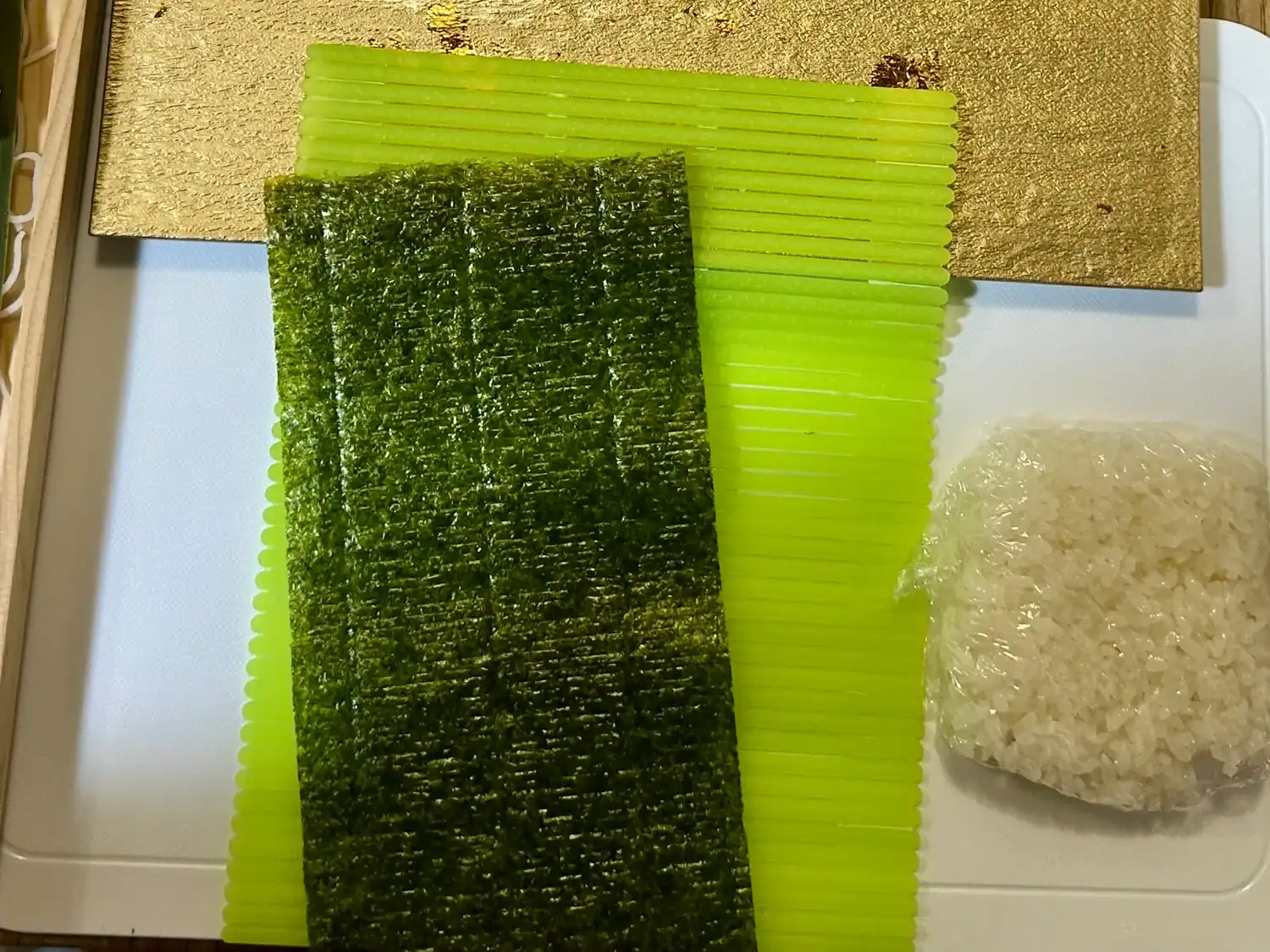
Instead of using bamboo mats, we used flexible plastic ones — apparently much easier for beginners.
We learned to make both maki (rolled sushi) and nigiri (hand-pressed sushi), and each had its own technique
Maki
For the maki, we placed a sheet of seaweed (nori) shiny side down and spread a thin layer of rice — about a handful, just enough to cover two-thirds of the sheet.
The chef reminded us not to put a lot of rice and not to press the rice too hard. Just gentle spreading.
Then, he instructed us to put the toppings: cucumber, sweet tamago (Japanese omelet), and crab stick. All carefully lined up just off-center. After that, we rolled it all up, trying to stick it all together while carefully removing the mat.
I was a little nervous, but to my surprise, I rolled my first sushi pretty well. So well, in fact, that the chef asked if I’d taken a class before. I hadn’t, and that little compliment made my day.
Nigiri
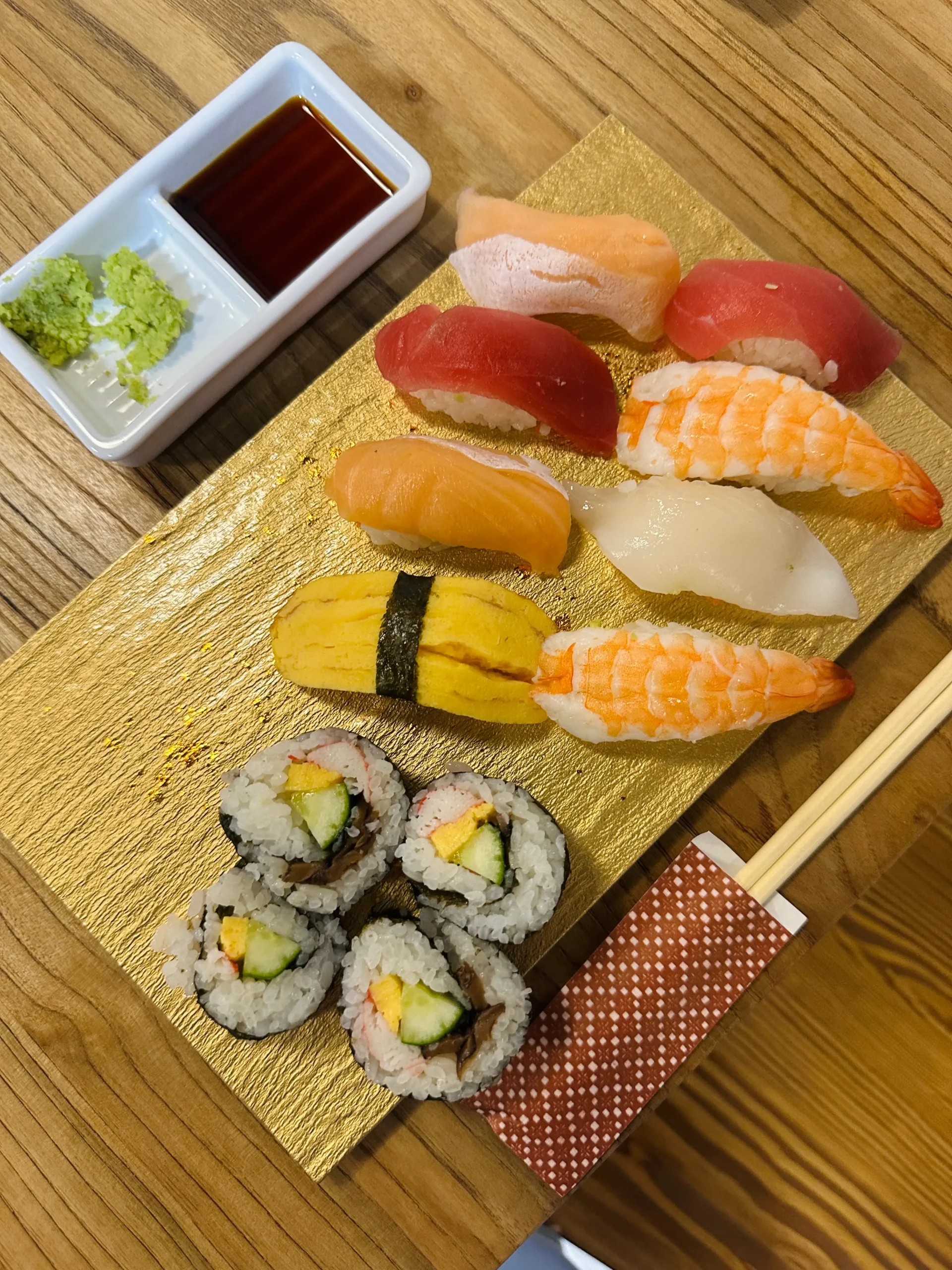
Nigiri was a different kind of challenge. We scooped a small amount of rice, shaped it into an oval using slightly wet hands, and gently pressed a slice of tuna, salmon, shrimp, or omelet on top.
It sounds simple, but keeping the shape tight and elegant was harder than it looked. Our instructor even gave us a secret of pressing a small hole at the bottom for that professional “full” look!
As we rolled our final pieces, one unfamiliar white topping caught our attention. It looked like a squid but didn’t have the usual fishy smell or chewy texture.
We asked the chef, who laughed and said, “Yes, it’s squid — fresh squid.”
That moment really stuck with me. It reminded me that freshness isn’t just a nice bonus in sushi. It’s everything. The taste, the texture, the entire experience shift when the ingredients are this high quality.
That’s one of the biggest reasons this class is so worth it. For around $35, we didn’t just learn a skill. We got to work with ingredients that would’ve cost the same (or more) at a restaurant, but without the hands-on experience.
Want to eat like a local while in Japan? Check out my [Restaurant Etiquette in Japan] guide before you go.
Our Sushi Chefs
Our group was assigned one professional sushi chef with over ten years of training in both sushi school and restaurants. Another chef supported the rest of the class, but we got to work closely with our own dedicated instructor, which made the experience feel even more personal.
At one point, he shared a story from his training days: in sushi school, they were timed. They were expected to make three pieces of sushi per minute. No pressure, right?
Meanwhile, I couldn’t even finish one in a minute — and we all had a good laugh about it. Thankfully, this class was all about learning and having fun, not perfection.
Tasting Our Sushi Creations
After all the rolling, shaping, and giggling, I couldn’t wait to taste the sushi we’d made.
Making sushi is easier than it looks once you get the hang of it. Mine actually turned out better than I expected!
But the best part? Eating it.
The flavors were incredible — clean, balanced, and unbelievably fresh. Of course, high-quality ingredients make a huge difference. But I also appreciated it more knowing I made it myself.
There’s something deeply satisfying about creating your own food, especially when it tastes this good.
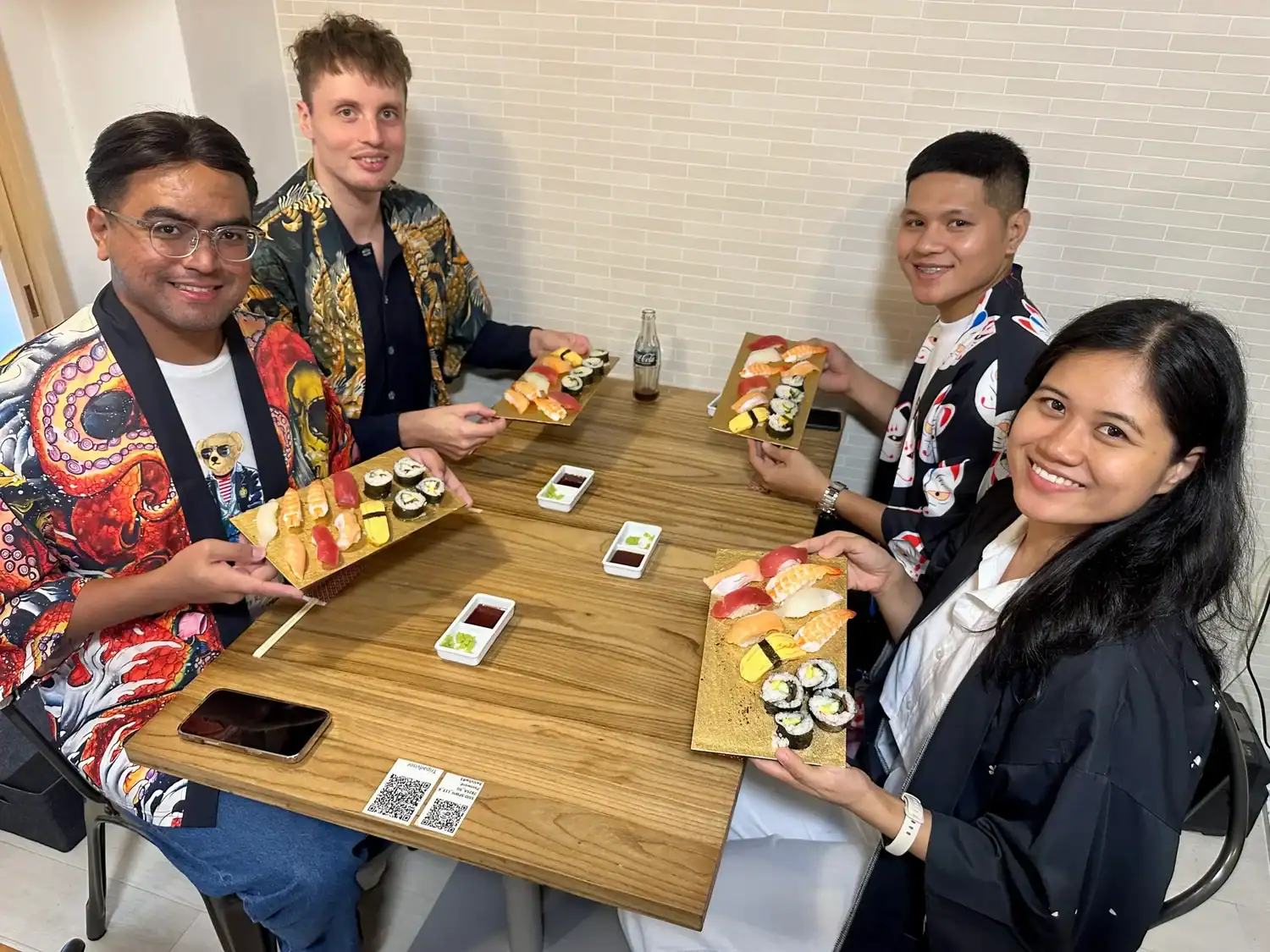
What made the whole experience even more meaningful was what I learned along the way. Sushi isn’t just about flavor. It’s about patience, precision, and attention to detail. That realization gave me a whole new level of respect for sushi chefs around the world.
Curious how homemade sushi stacks up to store-bought? Read my post on [Japanese Convenience Store Food]. Or if you’re craving something more refined, explore [Kaiseki in Kyoto] for a truly elevated culinary experience.
Sushi Garyu Location and How To Get There
The studio was located in Asakusa, just a five-minute walk from Asakusa Metro Station. It’s super easy to find and perfect location if you’re exploring Tokyo’s historic side.
One thing I love about Tokyo is how efficient the train system is. If you’re planning to hop between neighborhoods, my guide on Is the Tokyo Metro Pass Worth It? breaks down exactly when it saves you money (and when it doesn’t).
To stay connected while navigating, I also recommend getting a Japan eSIM. It’s fast, affordable, and saves you the stress of constantly hunting for Wi-Fi. Here’s my experience using an eSIM in Japan.
Sushi Making Class in Tokyo Price
The class cost around $35 per person, which included everything: high-quality ingredients, expert instruction, and even a traditional happi coat to wear during the session.
For Tokyo, this felt like an incredible deal. A sushi lunch at a decent restaurant could cost just as much, but here, you get to make the sushi yourself and walk away with a new skill (and some great memories).
Booking was super easy through GetYourGuide. You can also specify dietary restrictions when booking. The class can accommodate vegetarian, vegan, and gluten-free options. Just make sure to inform them in advance.
Planning your trip finances? Don’t miss my [Japan Travel Budget Calculator] or my guide on [How Much to Save for a Trip to Japan] to build a realistic travel plan.
Is It Worth the Price?
Absolutely! Here’s a quick comparison:
|
Experience |
What You Get |
Price (per person) |
|---|---|---|
|
4 hand-rolled maki, 8 nigiri, with chef guidance and happi coat |
~$40 |
|
|
Sushi Restaurant Dinner |
10–12 pieces served |
~$25–$50 |
|
Conveyor Belt Sushi |
8–12 pieces |
~$12–$25 |
|
Convenience Store Sushi |
Grab-and-go meal |
~$4–$8 |
You’re not just paying for food. You’re paying for a cultural memory, hands-on learning, and a new skill to take home.
Who This Class Is Best For
This sushi-making class is perfect for anyone looking to add meaningful, memorable experiences to their Japan trip. Whether you’re traveling solo or with loved ones, it’s a feel-good activity that goes beyond the typical tour.
Here’s who will love it most:
- Couples: It’s romantic, hands-on, and makes for a great shared memory.
- Families: Kid-friendly and interactive. Kids love rolling their own sushi (and wearing the happi coats!).
- Solo travelers: It’s easy to join and a fun way to meet new people.
- Foodies: You’ll gain a deeper understanding of sushi-making techniques and ingredient quality.
- Cultural travelers: You’ll experience Japan’s values of patience, precision,| and respect up close.
The class is beginner-friendly and taught in English, and you can also message them in advance if you have any allergies. It’s also a great indoor option on a rainy day or after a morning visit to Asakusa or Senso-ji Temple.
Quick Tip: If you’re sensitive to the smell or taste of seafood, consider a ramen cooking class instead. While the studio is clean and odor-free, fresh seafood is used.
Pro Tip: If you still want to join this sushi-making class, but you prefer a vegan, vegetarian, or gluten-free option, you can simply mention your preference when booking. The team will be happy to accommodate and will make sure you have ingredients that suit your needs.
Planning a full day around this class? Check out my guides to the [Best Things to Do in Tokyo] or discover [Hidden Gems in Tokyo] to add to your itinerary.
Is the Sushi Making Class in Tokyo Worth It?
Absolutely!
What started as a birthday surprise for Matthias turned into one of our favorite memories from Japan. We didn’t just learn how to make sushi. We learned to respect it.
The precision, the patience, the mindfulness behind every step gave me a whole new appreciation for the craft (and for the chefs who make it look effortless).
Would I do it again? In a heartbeat. In fact, next time I’d love to try a longer or more advanced class.
It’s affordable, hands-on, beginner-friendly, and deeply meaningful. If you love Japanese food or just want to try something new, this sushi-making class in Tokyo is absolutely worth it.
FAQs: Sushi Making Classes Tokyo
How long is the class?
This sushi-making class runs for 1.5 hours. It’s long enough to learn both maki and nigiri, and short enough to fit into a sightseeing day.
Is Sushi Making Class in Tokyo beginner-friendly?
Yes. Plastic rolling mats make it easier for first-timers, and the chef walks you through each step clearly.
Do this class offer vegetarian, vegan, or gluten-free options?
Yes, they can accommodate dietary preferences. Just let them know your dietary needs when booking.
Is the class in English?
Yes. Our instructors spoke fluent English and explained each step patiently.
Can kids join?
Yes. Kids under 4 are free. They will be sharing with an adult. Children over 4 are charged the regular rate and get their own setup.
When should I book?
Book at least 2–3 weeks in advance. Group sizes are small, and popular time slots fill up fast.