7 Best Things to Do in Uji That Made Me Slow Down

Though Kyoto delivered on everything I’d imagined, it felt busy. The place that finally made me slow down was a small city just an hour away: Uji.
Uji is often known as the matcha capital of Japan, and while that’s true, it’s not why the city left such an impression on me.
Compared to Kyoto, it felt quieter, more compact, and easier to experience without rushing. It was the first place on our trip where I stopped trying to see everything and actually felt present.
We only had one day, so our group naturally split up. My partner and I spent the morning learning Zen practices with a monk, while my brother and friend explored Byōdō-in and took a hands-on matcha-making class.
When we met back up later to check shops and share stories. We all felt the same thing: Uji had pulled us out of rush mode.
That’s why I don’t think the best way to experience Uji is by trying to see everything. It’s by choosing what genuinely interests you and letting the day unfold at its own pace. These are the seven things to do in Uji that made our visit feel unhurried, intentional, and genuinely worth the stop.
This post contains affiliate links. If you book through them, I may earn a small commission — at no extra cost to you. I appreciate your support! Read our full disclosure.

1. Learn Zen Practices With a Monk
I was a little hesitant to start this list with something that wasn’t matcha and something that sounded “spiritual,” but I don’t want you to miss the best thing I did in Japan.
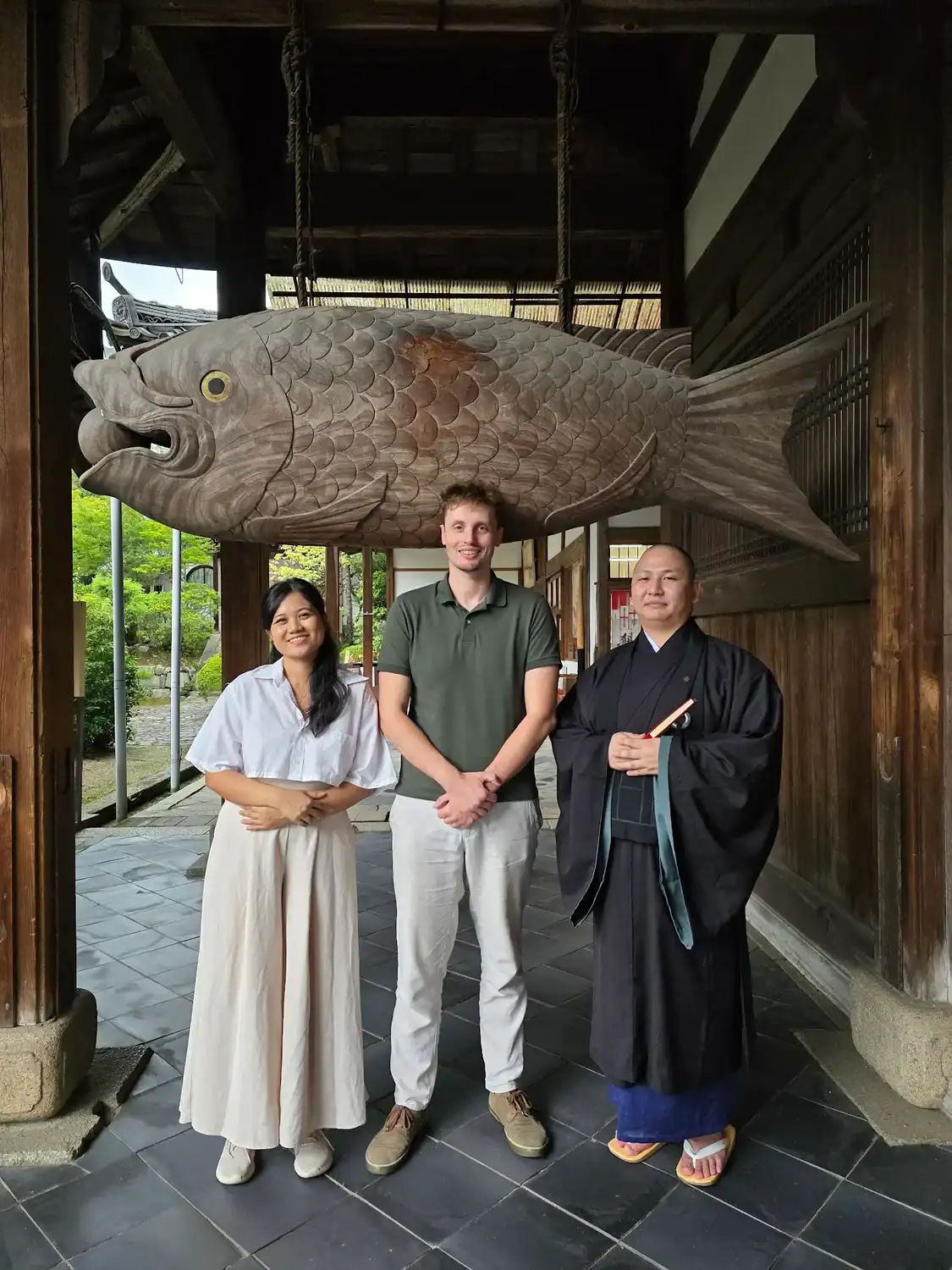
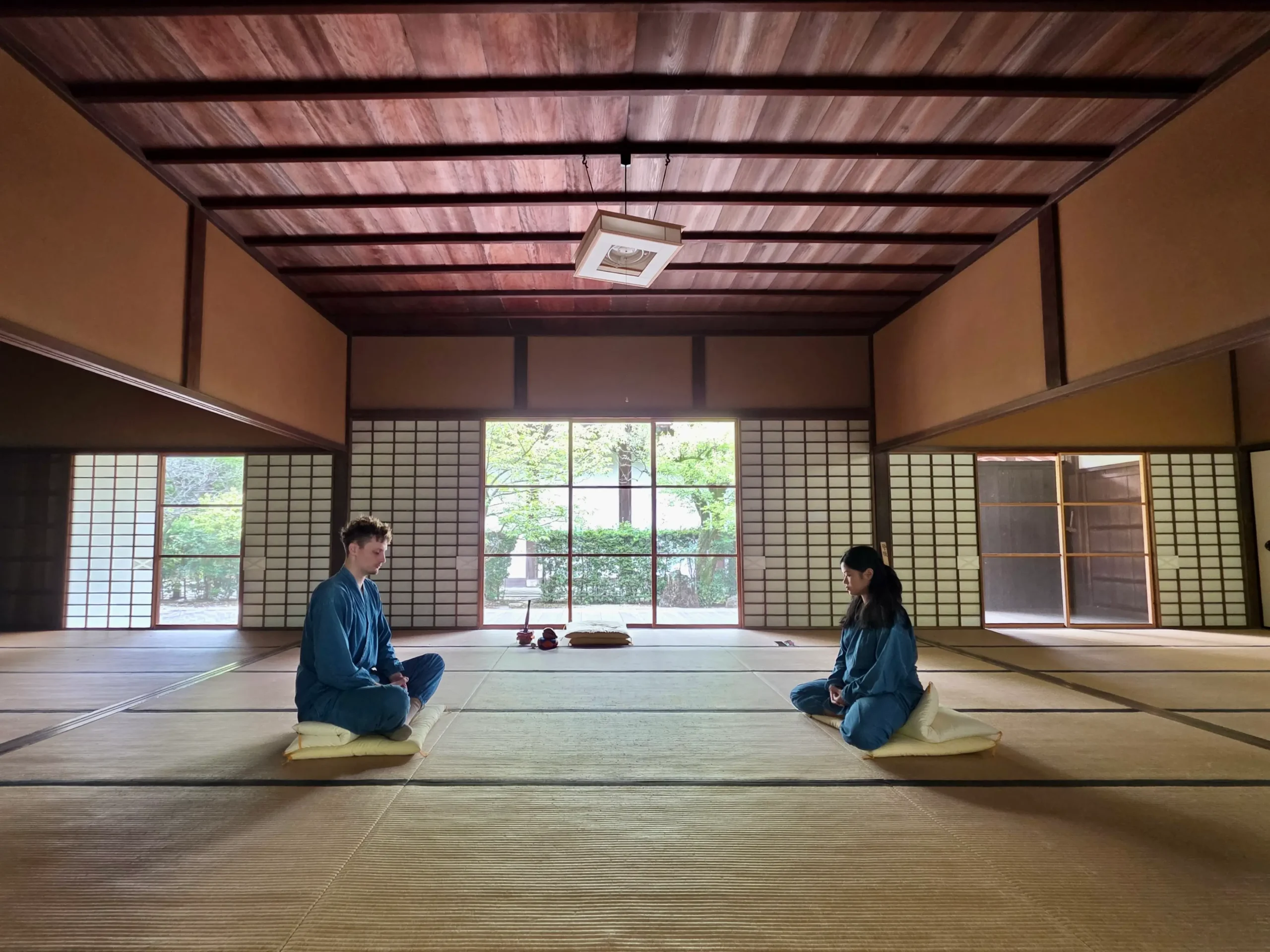
For half a day, I learned about zazen from a monk at Manpuku-ji. A monk and an interpreter welcomed us and explained the temple’s history.
I was amazed to learn that the Chinese monk who founded the temple was the one who introduced zazen meditation to Japan, along with the idea that everyday acts, including eating, are part of spiritual practice.
He also introduced shared meals at a time when people in Japan typically ate alone, as well as planting tea, and yes, that was when matcha started.
After the introduction, we changed into robes and practiced zazen meditation for 30 minutes. Even though I’ve meditated for years, this felt very different.
We meditated with our eyes open, and soon my legs, feet, and back started to hurt. But after sticking with it, the discomfort faded and I felt fully present.
What surprised me most is that my partner, who doesn’t regularly meditate, felt the same way. He later told me this was also the highlight of our trip.
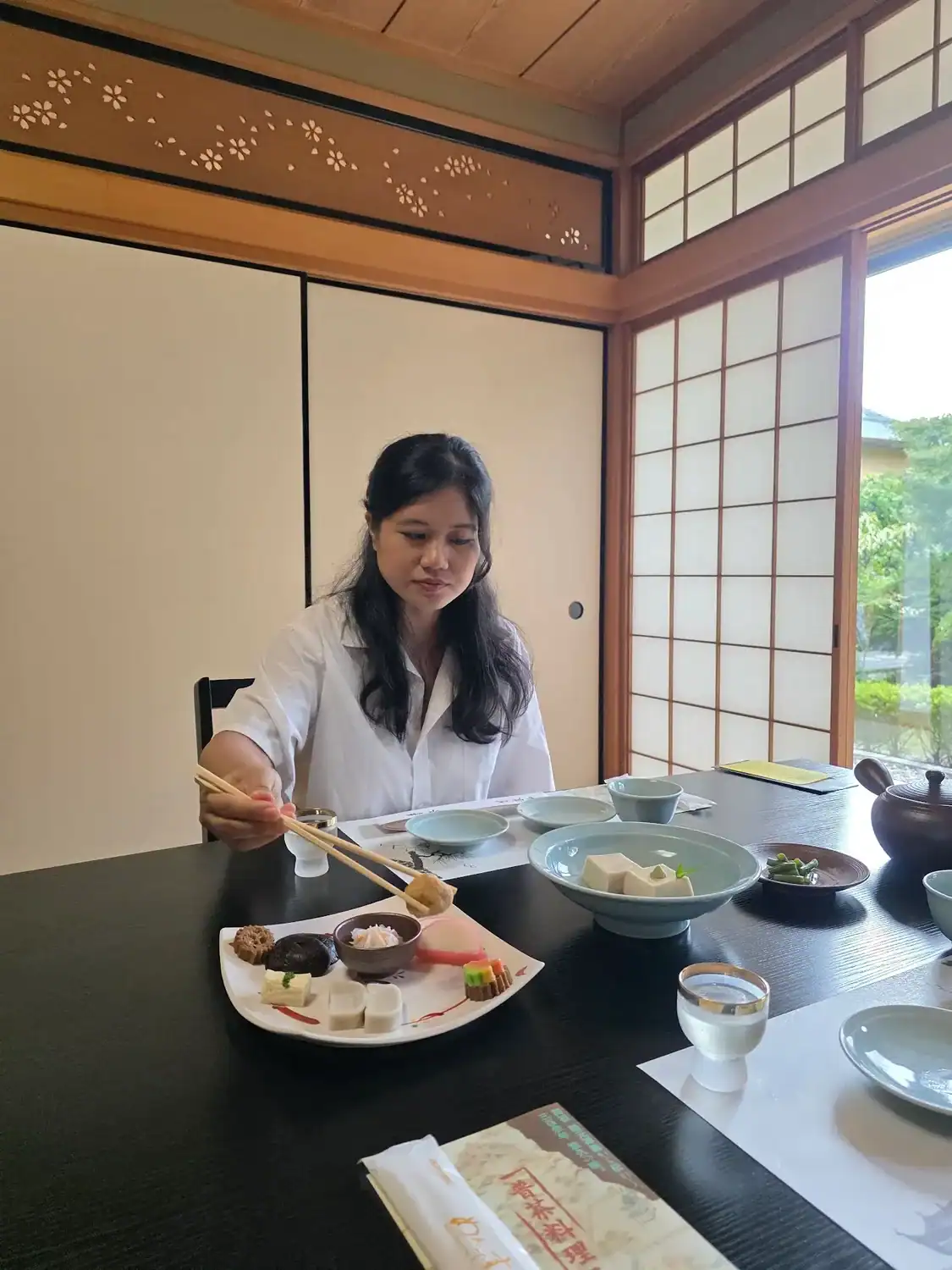
After meditation, we were served a shōjin ryōri vegetarian lunch prepared by the monk. It felt similar to kaiseki: seasonal, thoughtful, and beautifully presented. We even enjoyed a peach juice harvested at the temple the previous May.
While this experience is perfect if you’re interested in mindfulness, you don’t need any prior background to appreciate it. You just need a willingness to slow down—something Uji makes surprisingly easy.
2. Visit Byōdō-in Without Treating It Like a Quick Stop
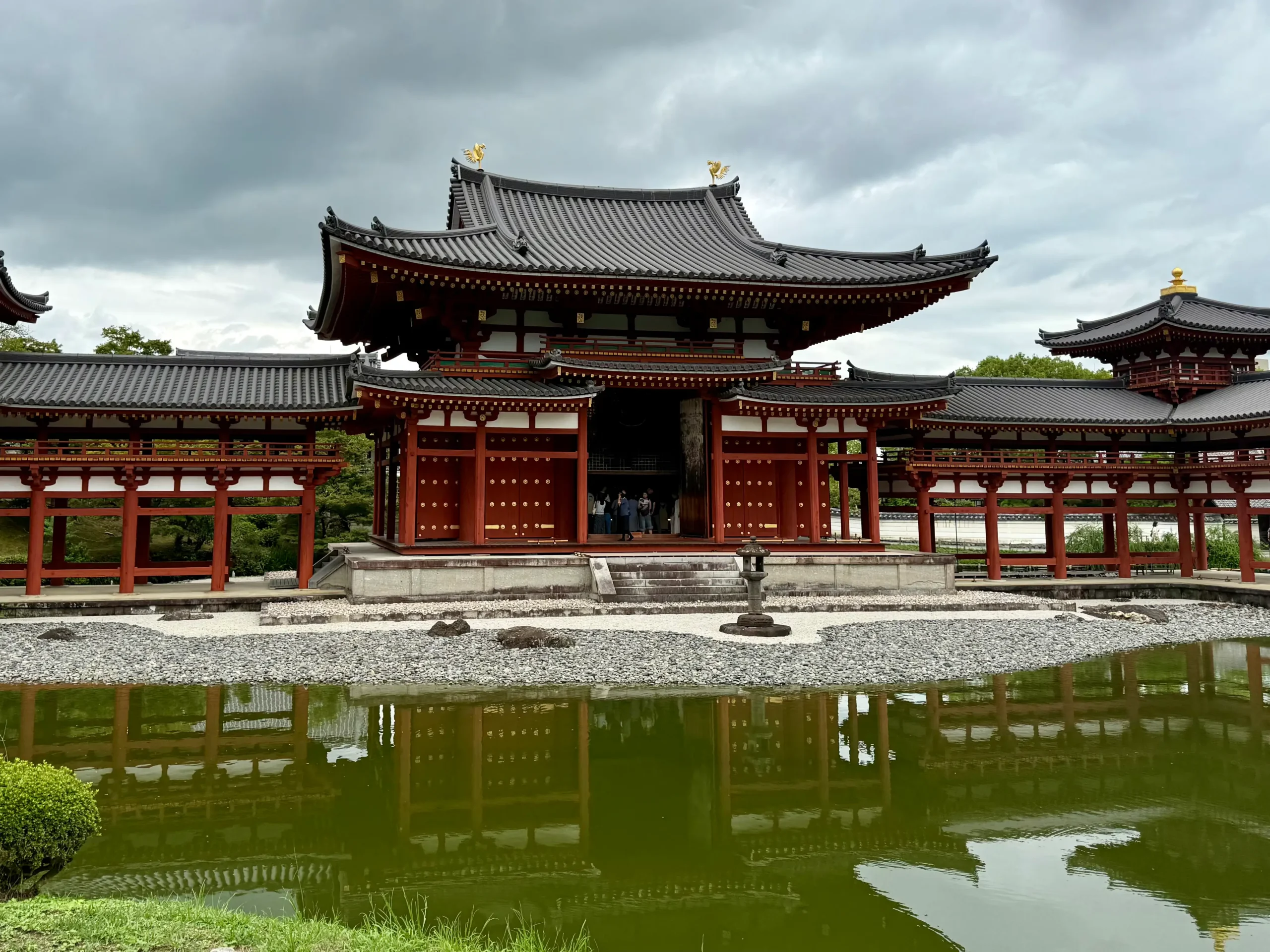
While we stayed in the quiet grounds of Manpuku-ji Temple, my brother and my friend walked to Byōdō-inTemple. It is the temple you keep seeing when you search for the most beautiful temples in Japan. Photos do not exaggerate it.
Byōdō-in is a UNESCO World Heritage Site. You see it on the ¥10 coin. The Phoenix Hall sits over a mirror-like pond. The balance feels precise. Every angle looks intentional.
Here is how the visit works. Entry to the temple grounds costs around 600 yen. Adults pay this to walk the gardens and see the Phoenix Hall from outside. Entry to the Phoenix Hall interior costs an extra 300 yen. Spots are limited and timed.
My brother chose to stay outside. He walked the paths, circled the pond, and watched the reflections change with the light. This part takes about 30 to 40 minutes. It costs the base admission only. He felt satisfied with the scale and symmetry without going in.
My friend Merald went inside the Phoenix Hall. He saw the Amida Buddha statue up close. He saw the painted walls, the woodwork, and the quiet that settles when the doors close.
His visit inside lasted about 15 minutes. He said the space feels intimate and focused. It adds meaning, not spectacle.
Pro Tip: Enter the Phoenix Hall if you have at least 90 minutes. That gives you time for the grounds, the museum, and the interior without rushing. Skip the interior if you are short on time or crowds stress you. Just focus on exterior.
For context, go with a local. This guided walk in Uji ties this temple to the town. You’ll learn why Uji matters for matcha. You cross the suspension bridges. You connect the rituals, the river, and the architecture into one story.
3. Walk Along the Uji River

After visiting the temples, my brother and my friend walked along the Uji River. It sits right between major stops, which makes it easy to slip in without planning your day around it. You naturally pass it when moving between Byōdō-in, nearby shrines, and tea shops.
This walk is also included this local tour. The tour combines temples, a tea ceremony, and the river walk into one continuous flow. It works well if you want context without rushing.
You cross simple bridges that connect both sides of town. They are not landmarks on their own. They help you understand how compact Uji is. Everything sits close together.
The walk is around 10 to 20 minutes depending on your pace. Take your time and enjoy Uji’s rhythm.
Even better, if you have time (I wish we had!), stay for at least one night in Uji. Here are the best hotels in Uji.
4. Make Matcha Yourself
When we met later that day, my brother could not stop talking about this experience. If I had skipped the zazen class or had one extra day, this would be the first thing I would book!
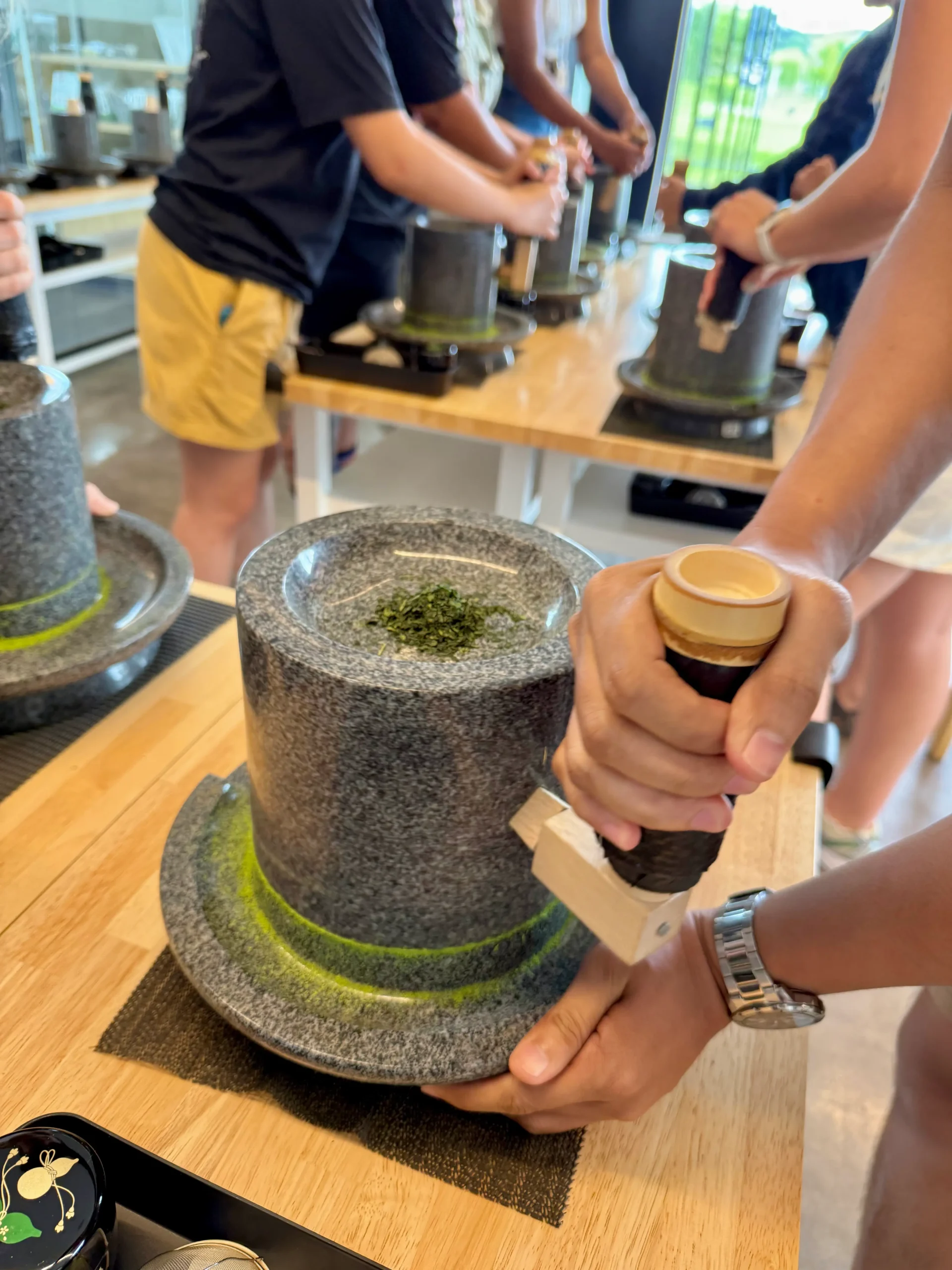
Making matcha is nothing like ordering it at a café. You are part of the process from start to finish. You leave understanding why good matcha tastes the way it does.
What impressed my brother was the focus it demanded. You take time. You pay attention. Small changes make a clear difference. My brother did not even like matcha before this. After the class, he ordered it repeatedly during the rest of our trip.
He shared one tip I still use. Whisk longer if you want less bitterness. I tested this at home. I took my time. The matcha turned smoother and naturally creamy. No milk needed.
The experience takes place at the Kyoto Tea Museum in Uji. You start by learning about the tea leaves. You choose them yourself. You grind the leaves into powder. Then you whisk your own bowl and taste the result. You immediately understand the difference between prepared matcha and matcha you make with care.
Pro Tip: If matcha is part of why you came to Uji, this experience is an easy yes. Book it in advance because it easy gets full.
5. Drink Matcha Slowly
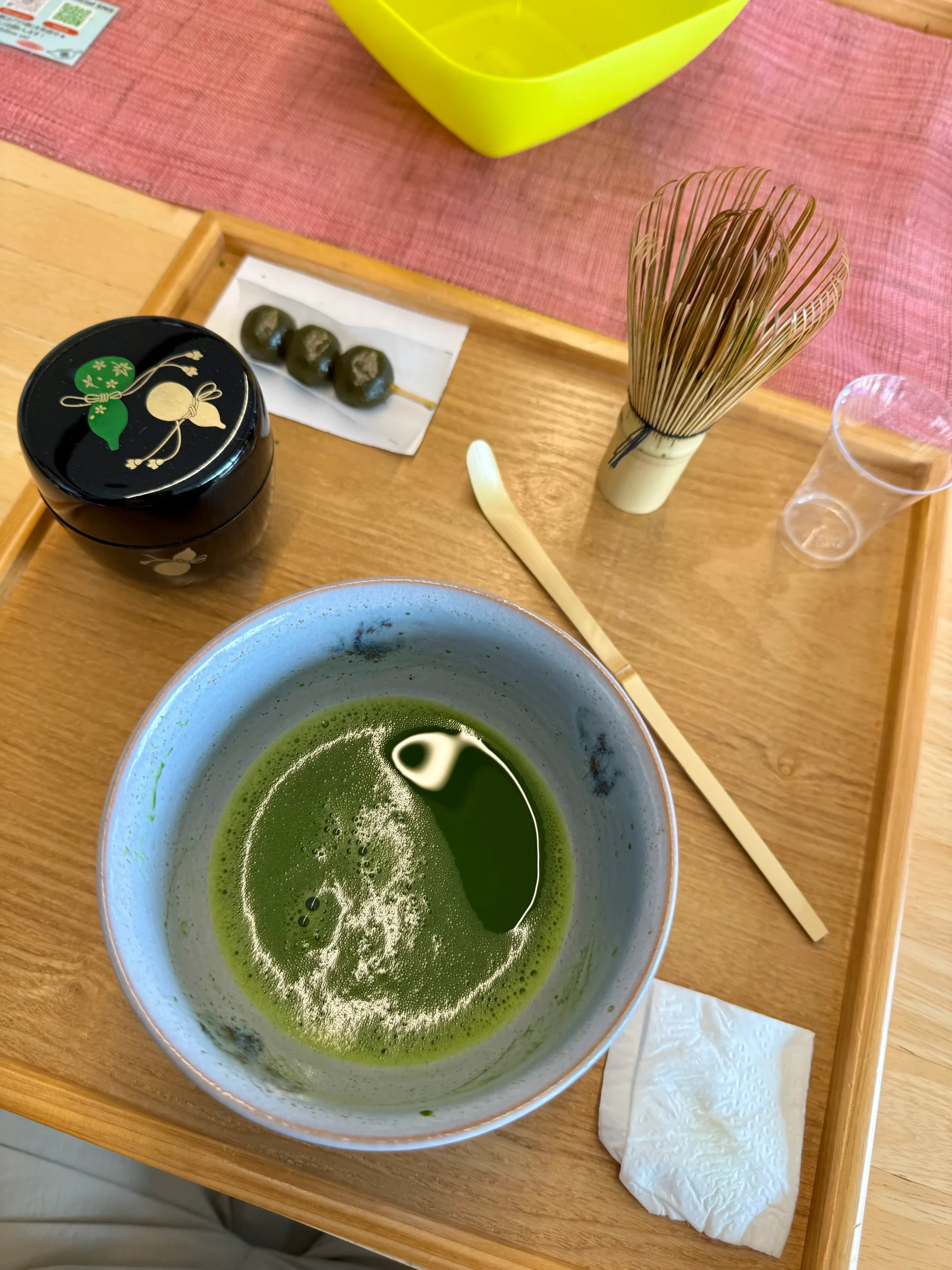
Now, it’s finally time to taste the matcha. If you come all the way to Uji, do not rush the matcha. Sit down and drink it where it comes from. Let the cup be the experience.
What made this moment special was not chasing the best matcha. It was the context. Earlier that day, I learned about tea history at a Zen temple. My brother had just made matcha himself. When we finally sat down to drink it, the flavor made sense. It felt grounded and intentional.
Uji matcha is consistently high quality. That is not the problem. The mistake is treating it like a checklist item. Resist comparing shops. Stop checking the time. Do not multitask. Take small sips. Let the texture and finish register. That is when matcha shows its depth.
Where to try Uji matcha? Tsuen Tea House near Uji Bridge, one of the oldest tea houses in Japan and it has a simple and calm setting.
Nakamura Tokichi is a strong option if you want a refined tea set that stays focused on the quality of the matcha. Itohkyuemon works well for a more casual stop, with reliable matcha and well-made sweets that pair easily with it.
If you want the traditional experience, join a short matcha ceremony or tasting. These sessions guide you through drinking with attention. They work well after visiting temples or the river.
6. Browse Traditional Tea Shops
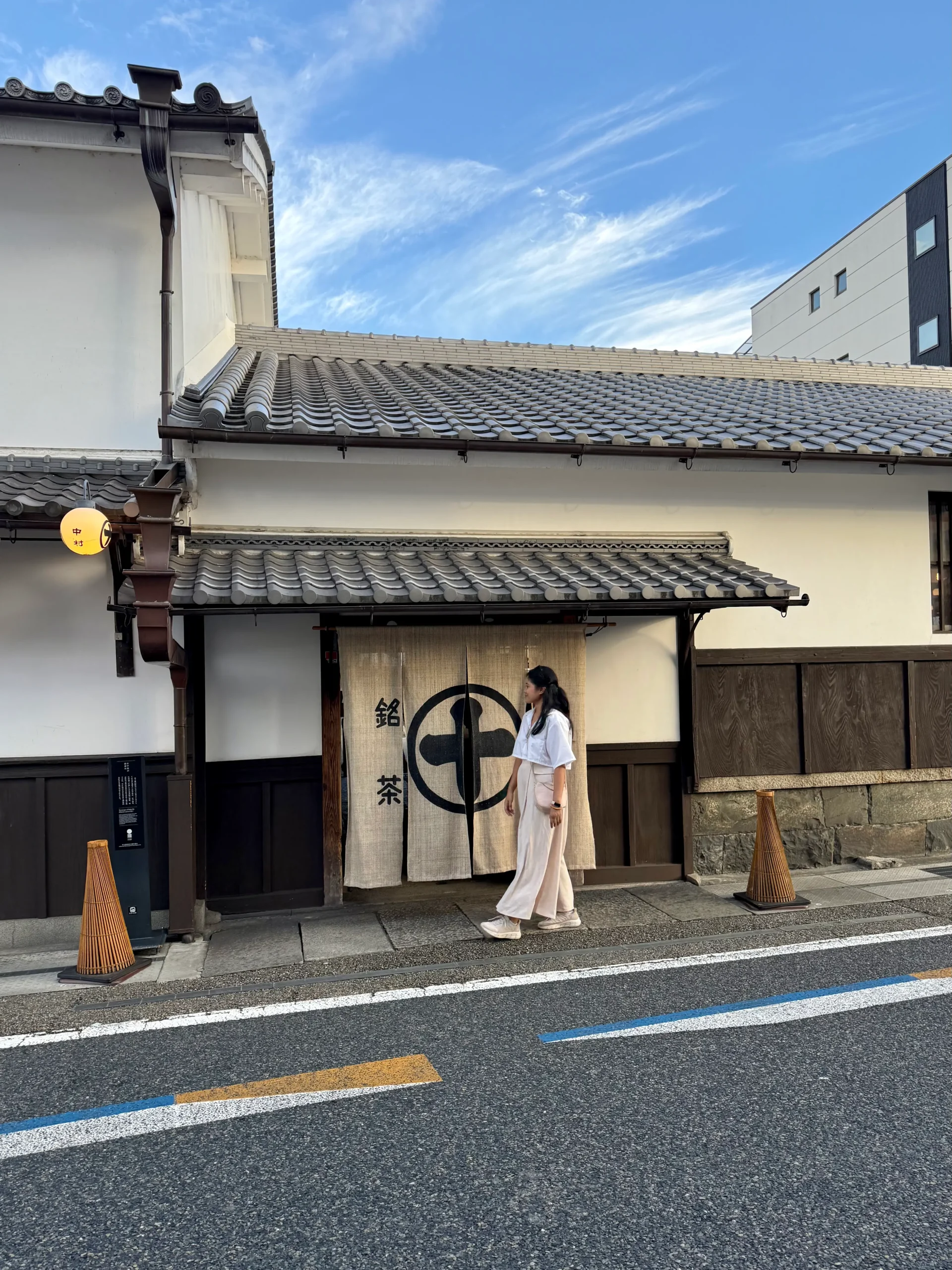
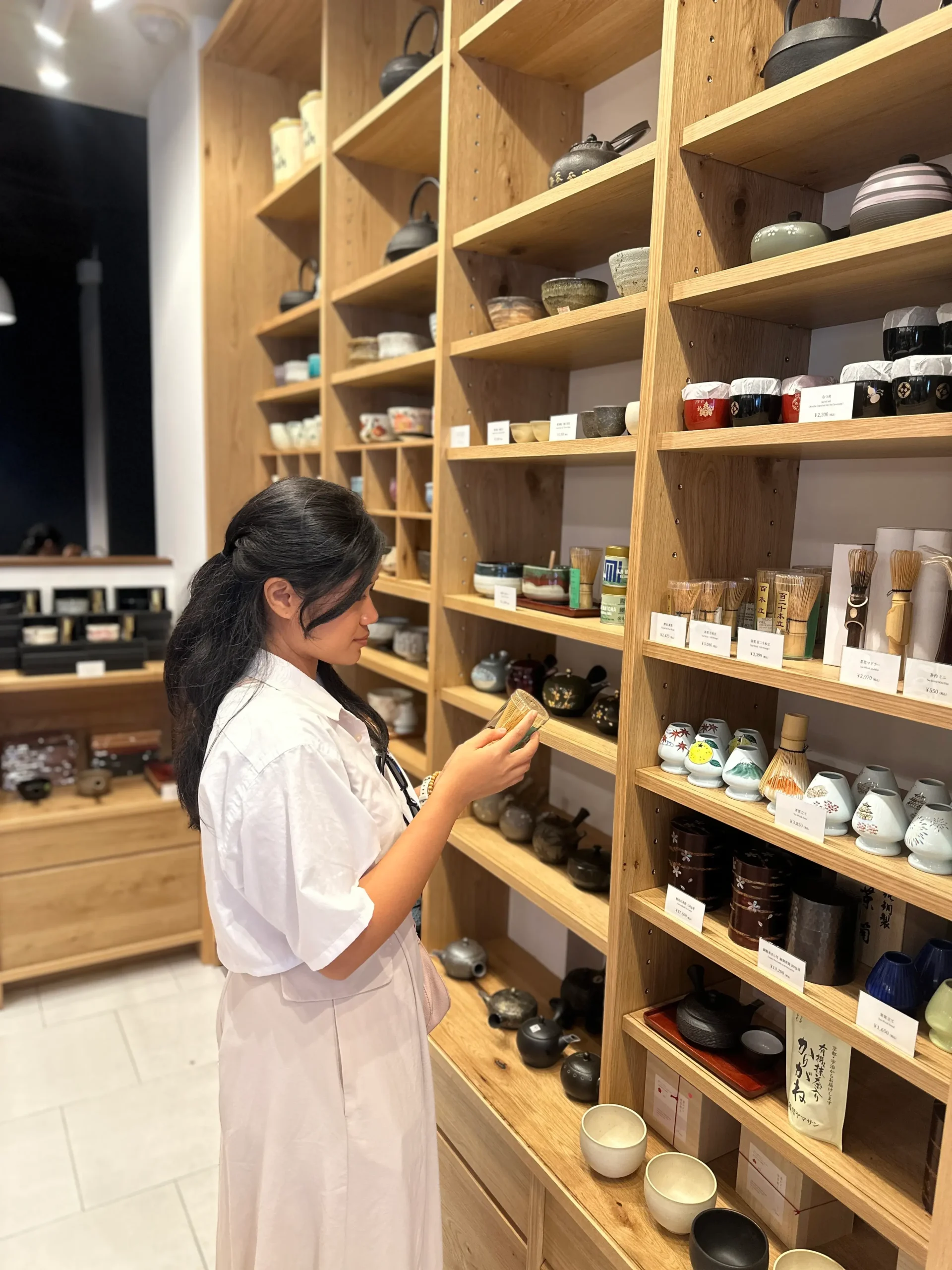
Before we met again, my brother and Merald had already browsed several tea shops. They both agreed that Yamasan stood out for variety and fair pricing. That sums up shopping in Uji. Calm, informative, and unpressured.
I personally think you do not need to buy anything. Shops display different grades of matcha, ceramic bowls, bamboo whisks, and everyday tea tools. Products are usually organized by use and grade, so you learn just by looking.
Staff are used to questions. You can ask about bitterness, umami, or how to make matcha at home. Many shops offer small tastings. You compare flavors instead of being pushed to buy.
What stood out to me was how relaxed it felt. No hovering. No sales pressure. That makes it easier to understand what you are buying. If you like matcha, this is the best place to buy it.
I initially planned to buy matcha later at Don Quijote. After seeing both, I am glad I did not. Supermarket matcha often includes sugar or fillers. Even those labeled Uji were more expensive and clearly lower quality. In Uji, you pay for the leaf, not the packaging.
Most shops carry multiple matcha grades. Usucha works well for daily drinking. Koicha is thicker, less bitter, and higher in umami. Staff often explain which powders suit beginners, ceremonies, or water only preparation. You will also see local green teas like sencha, gyokuro, and hojicha.
You’ll also find quality bamboo whisk, scoop, and bowls here. I bought a bamboo whisk and Tamakazura matcha, known for its deep umami and natural sweetness. It cost more, but the quality made sense once I understood the grading.
Pro Tip: From our experience, Yamasan offers the fairest pricing. Tsuen is best for history and classic tools. Nakamura Tokichi is reliable for quality and clear labeling.
Browsing these shops is not about finding the cheapest matcha. It is about understanding what you are buying and choosing something you will actually use.
7. Try Matcha Snacks
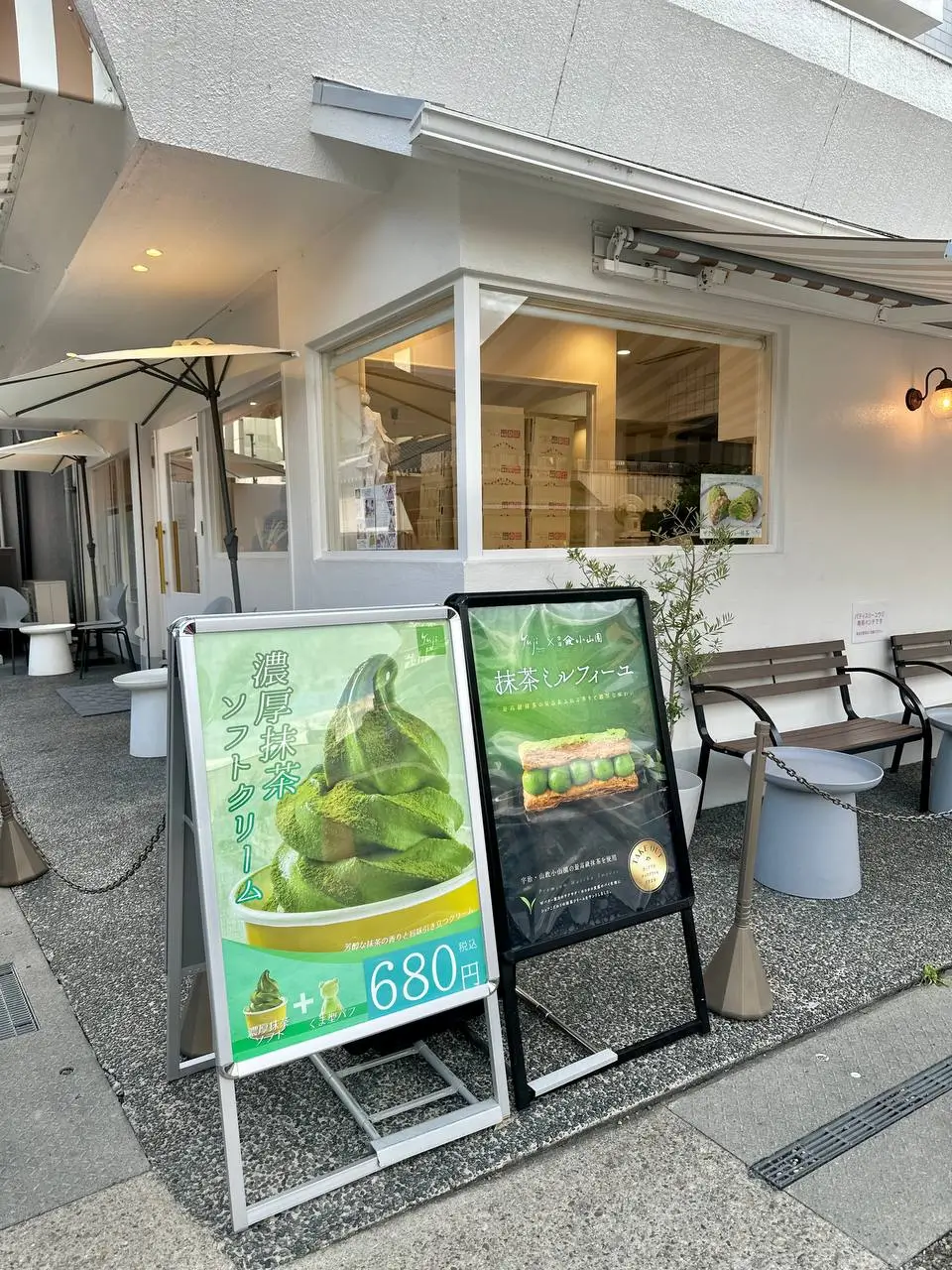
By this point, you have already tasted matcha properly. If you still want more, end the day with one small snack. This is where restraint matters.
Uji has no shortage of matcha desserts. Nakamura Tokichi is known for its Maruto Parfait and matcha jelly. Itohkyuemon offers matcha udon alongside classic sweets.
Masuda Tea Shop is popular for rich matcha soft serve. Shimizuya leans more playful, with photo friendly desserts like matcha tiramisu.
You will also see newer concepts like Matcha Republic and small patisseries experimenting with modern flavors.
The mistake is trying everything. Matcha fatigue is real. Strong flavors blur together quickly and you lose appreciation.
If you want to sample more than one, share. Order different items and taste side by side. It slows the pace and gives you a reason to sit and talk about your day.
Another approach works even better. Pick a snack you already love and look for a matcha version. For me, it was ice cream. For my brother, it was dorayaki. One thoughtful choice beats five rushed ones.
In Uji, less really is more.
Why Uji Is Worth Slowing Down For
Uji isn’t the kind of place where you try to do everything. It’s a place that rewards choosing a few things and giving them your full attention.
Whether you spend your time in quiet temples, learning something hands-on, wandering without a plan, or simply sitting with a cup of matcha, Uji makes it easy to slow down without feeling like you’re missing out.
What stood out to me most is that we all experienced Uji differently, yet came away with the same feeling. Nothing felt rushed. Nothing felt performative. The town naturally created space to pause, reflect, and be present in a way that’s harder to find in busier parts of Japan.
If you’re visiting Kyoto and craving something a little calmer, Uji is an easy and meaningful detour. And if you’re looking for more places around Kyoto that feel thoughtful rather than crowded, I’ve put together a guide to non-touristy things to do in Kyoto that focus on slower, more intentional experiences beyond the usual highlights.
Useful Travel Guides for Planning Your Japan Trip
- 15 Non-Touristy Things to Do in Kyoto for an Authentic Experience
- 2 Day Kyoto Itinerary That Will Make You Fall in Love With Japan
- 22 Japanese Foods to Try in Japan and Where to Find Them
- 14 Cooking Classes in Kyoto You’ll Love
- Best Street Food in Tokyo and Where To Find It?
- Simple Japanese Phrases for Travelers I Actually Used
- Best and Worst Time to Visit Japan: First-Timer’s Guide
- 10 Best Day Trips from Tokyo (That Are Actually Worth It)
- The 2 Day Tokyo Itinerary You Won’t Feel Rushed
- 9 Best Things to Do in Osaka (And What I’d Skip Next Time)