8 Tokyo Hidden Gems For Travelers Who Hate Crowds

Tokyo is incredible, which is exactly why it can start to feel exhausting. I love this city, and even after multiple trips, I keep coming back. But once you’ve navigated packed trains, the Shibuya Crossing, and crowded streets for a few days, the constant motion can wear you down.
That’s why this list focuses on Tokyo hidden gems that are genuinely worth your time. These places aren’t here just because they’re lesser known, but because they reveal a quieter, more local side of the city that rewards slowing down.
You’ll find places like a traditional garden tucked behind museum walls, temples that stay completely quiet despite sitting beside a famous movie spot, and neighborhoods where everyday life unfolds far from Tokyo’s busiest hubs.
If you love Tokyo but hate crowds, these are the places where the city finally feels breathable and where slowing down becomes the point, not the compromise.
This post contains affiliate links. If you book through them, I may earn a small commission—at no extra cost to you. I appreciate your support! Read our full disclosure.

1. Suga Shrine
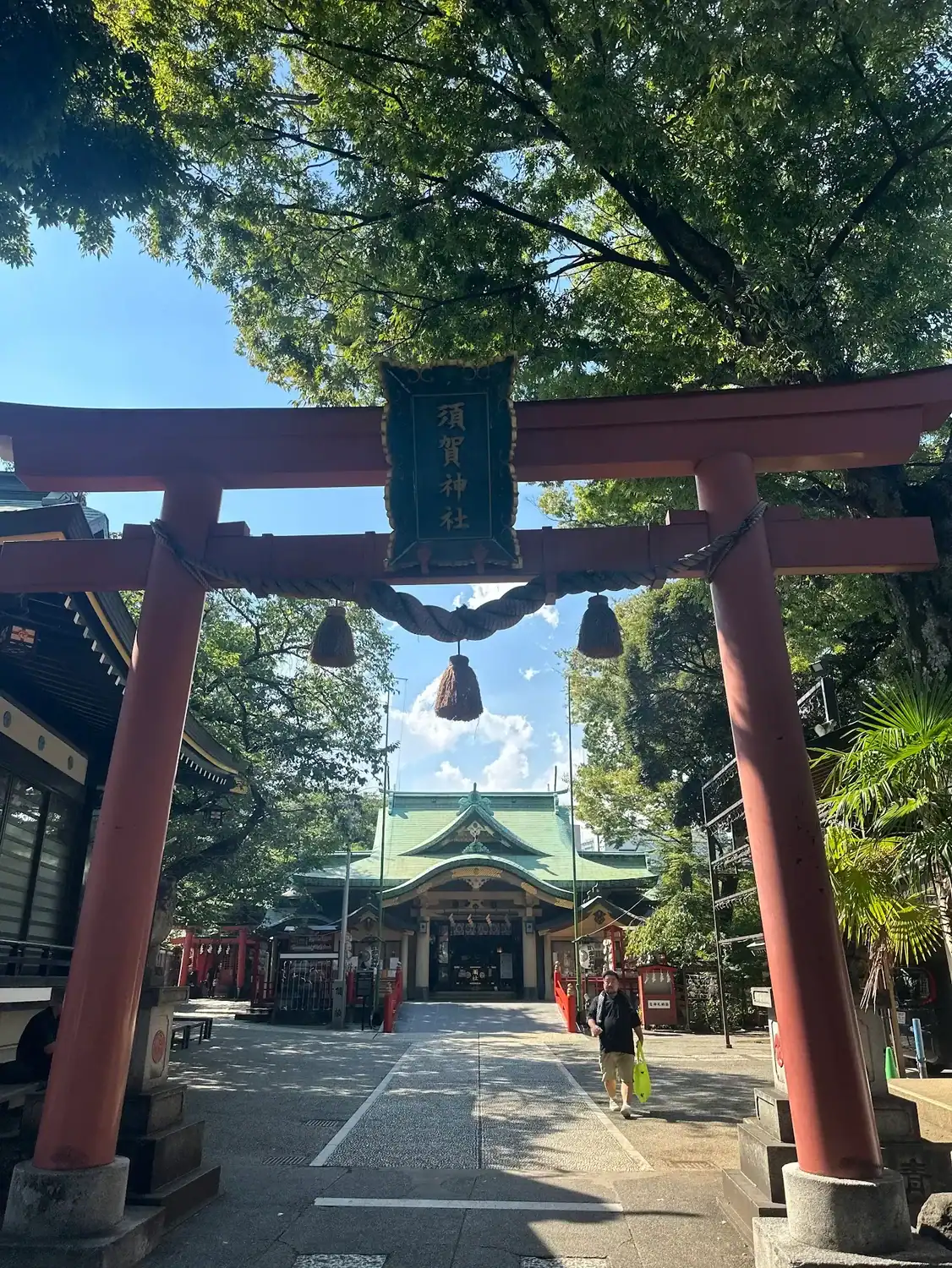
I accidentally discovered Suga Shrine when my brother, who’s a manga fan, wanted to visit the staircase that appeared in the anime “Your Name“.
While the stairway itself can get busy with people stopping for photos, most visitors pass straight through without noticing the quiet neighborhood shrine just beyond it.
Once you step away from the stairs, the atmosphere changes completely. Locals come here to pray, make coin offerings, tie paper fortunes (omikuji), and leave wooden plaques (ema).
There’s no sense of spectacle, just everyday routines unfolding quietly. Even the walk to the shrine feels grounding, taking you through a residential area with greenery, fewer cars, and a slower pace.
I felt calm here almost immediately. This is the kind of place that feels meaningful not because it’s impressive, but because it’s lived in. It offers a glimpse into daily Tokyo life rather than a curated attraction.
Pro Tip: I’d recommend visiting in the morning or late afternoon, mainly to avoid the heat. Take your time, observe the rhythm of the neighborhood, and remember to be respectful. Avoid taking photos or videos of people without their consent.
2. Kiyosumi Garden

Kiyosumi Garden feels like a pause button. It sits in a quiet residential area, far from major sightseeing routes, which is why it stays calm even on weekends.
The layout invites awareness. Stone paths curve around a large pond. Stepping stones force you to watch your footing. Benches face water instead of landmarks.
Compared to gardens like Shinjuku Gyoen or Rikugien, this garden has no wide lawns packed with picnics or single highlight. You move, stop, and sit without feeling watched or hurried. There’s enough space but not overwhelming, and that balance is what makes it soothing.
Visit on a weekday morning if you can. Late afternoon also works, especially outside peak cherry blossom season. Plan to spend at least an hour. Rushing through defeats the point. Loop slowly, pause by the pond, then loop again.
This garden is best for quiet walks and visual detail. If you like noticing textures, reflections, and small shifts in light, you will appreciate it.
Pro Tip: There is a small entry fee, usually under 200 yen. The garden is easy to reach from Kiyosumi-Shirakawa Station. You can easily pair it with a calm café stop.
3. Nezu Museum Garden
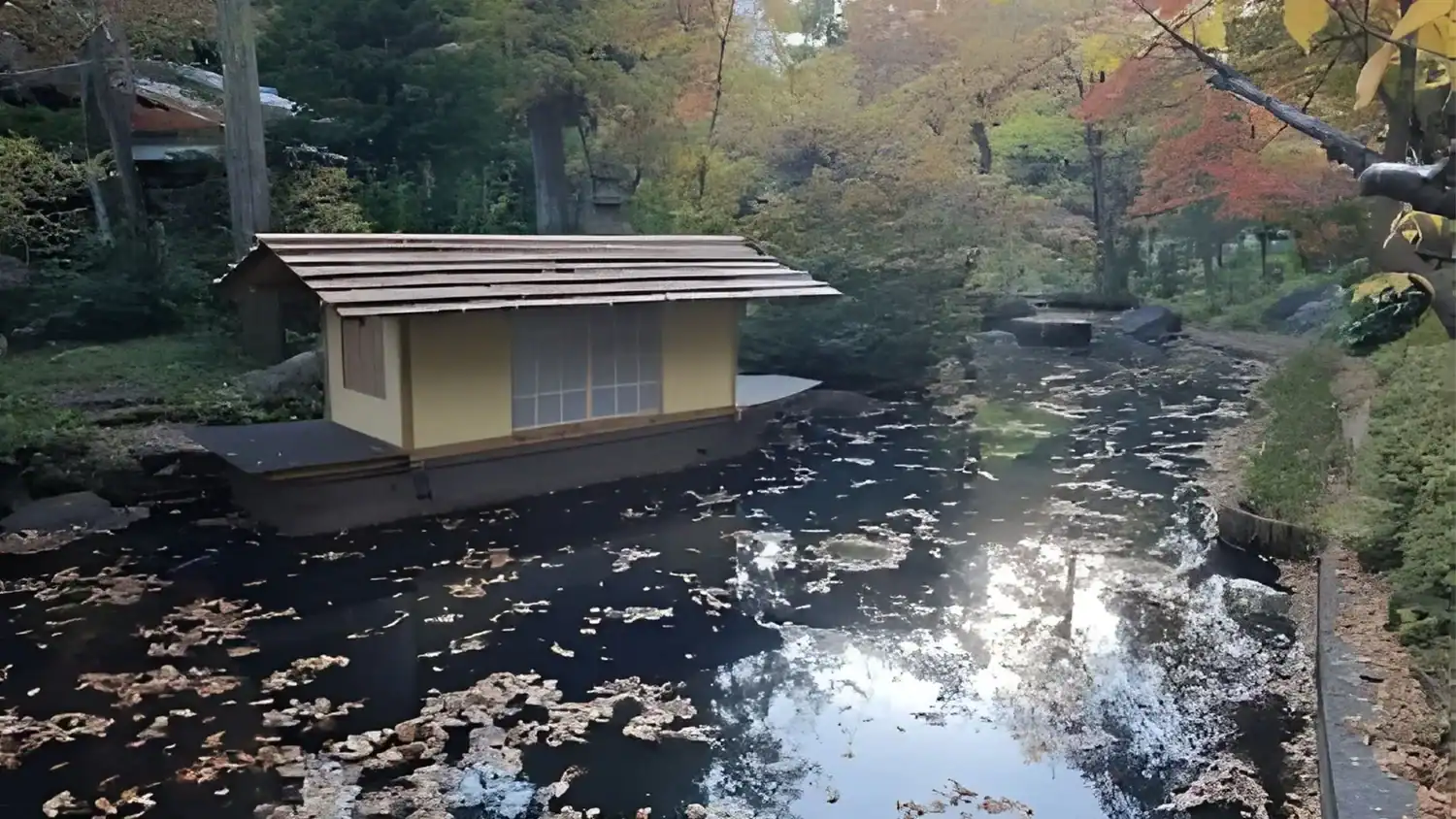
Nezu Museum is known for its collection, but the garden is the real reason to go. Once you pass the entrance, city noise fades quickly. The transition feels intentional. Gravel paths replace concrete. You’ll be surrounded by bamboos and cool air.
The garden still feels hidden because many visitors rush inside for exhibitions. Fewer people walks the full outdoor loop, and that restraint keeps it calm even on busy days. You are never far from the city, but yet, it feels distant.
The best time to visit is right when it opens or in the last two hours before closing. During the midday, everyone is inside the museum so there’s almost no crowd in the garden.
Walk the garden slowly. Follow the main path down, pause at the pond, then take the side trails back up. Sit when you see a bench. Feel the garden reveals itself in layers.
Pro Tip: Admission covers both the museum and garden. If you are short on time, it is still worth entering just for the outdoor walk. Give yourself at least 45 minutes outside.
4. Kagurazaka Backstreets
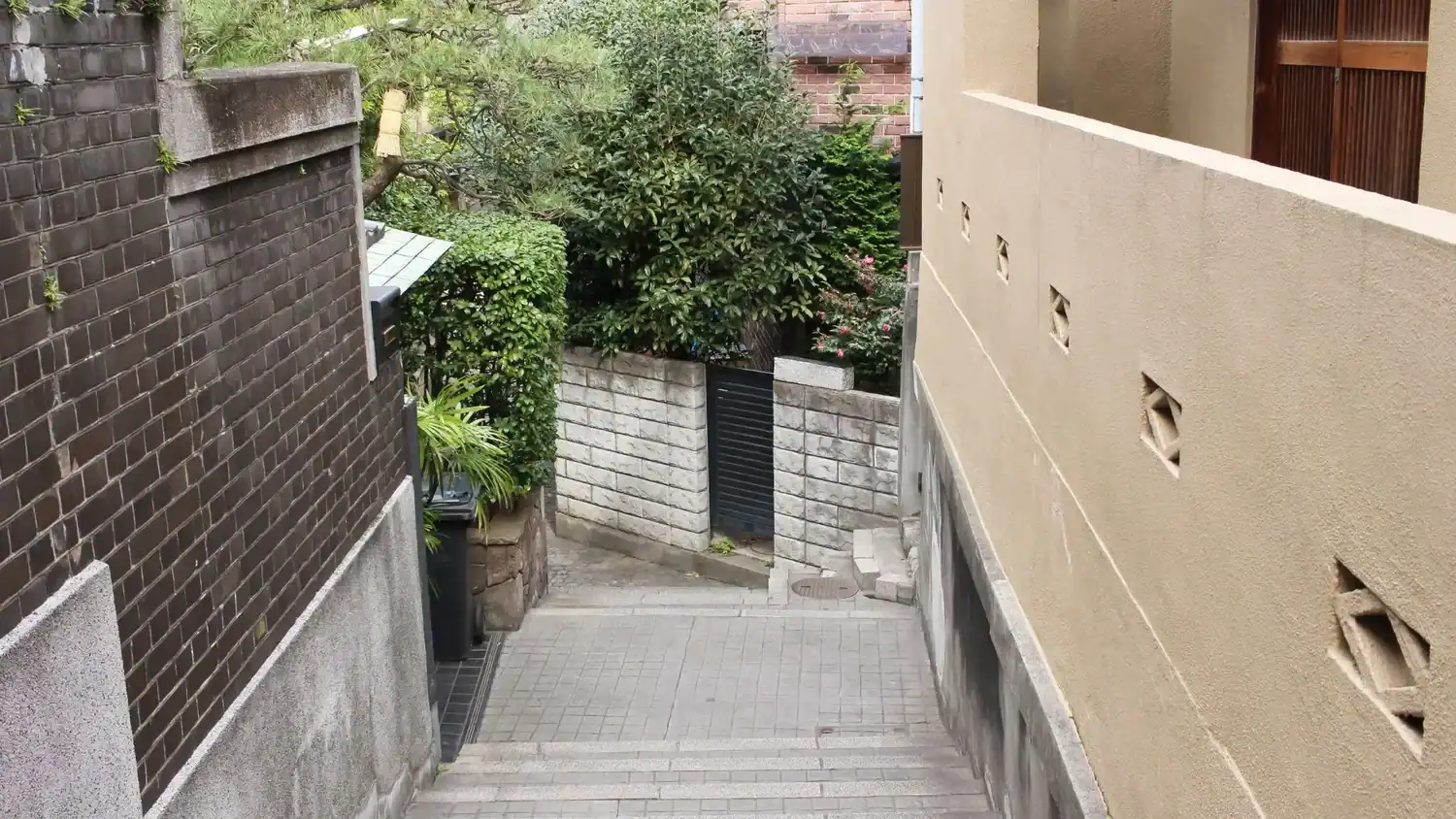
Kagurazaka is not about the main road. The charm lives in the backstreets. Step away from the slope near the station and you enter a maze of narrow lanes, stone steps, and wooden doors. This area once housed geisha districts, and the quiet elegance still lingers.
Wandering here feels different from trendier neighborhoods. There is no pressure to consume and no obvious route. Instead, you notice details: a handwritten menu, a broom resting by a doorway, locals moving doing their everyday lives.
Early evening is ideal. Shops start to glow, but the streets stay calm. Mornings also work if you want near silence. Wander without a map and let slopes and side paths guide you. Getting slightly lost is part of the appeal of Kagurazaka.
Pro: Wear comfortable shoes. The steps and uneven paths are part of the experience, but be careful.
If Kagurazaka sounds like your kind of place, this small-group walking tour is the easiest way to experience its backstreets without missing the details you’d otherwise walk past.
5. Shibamata
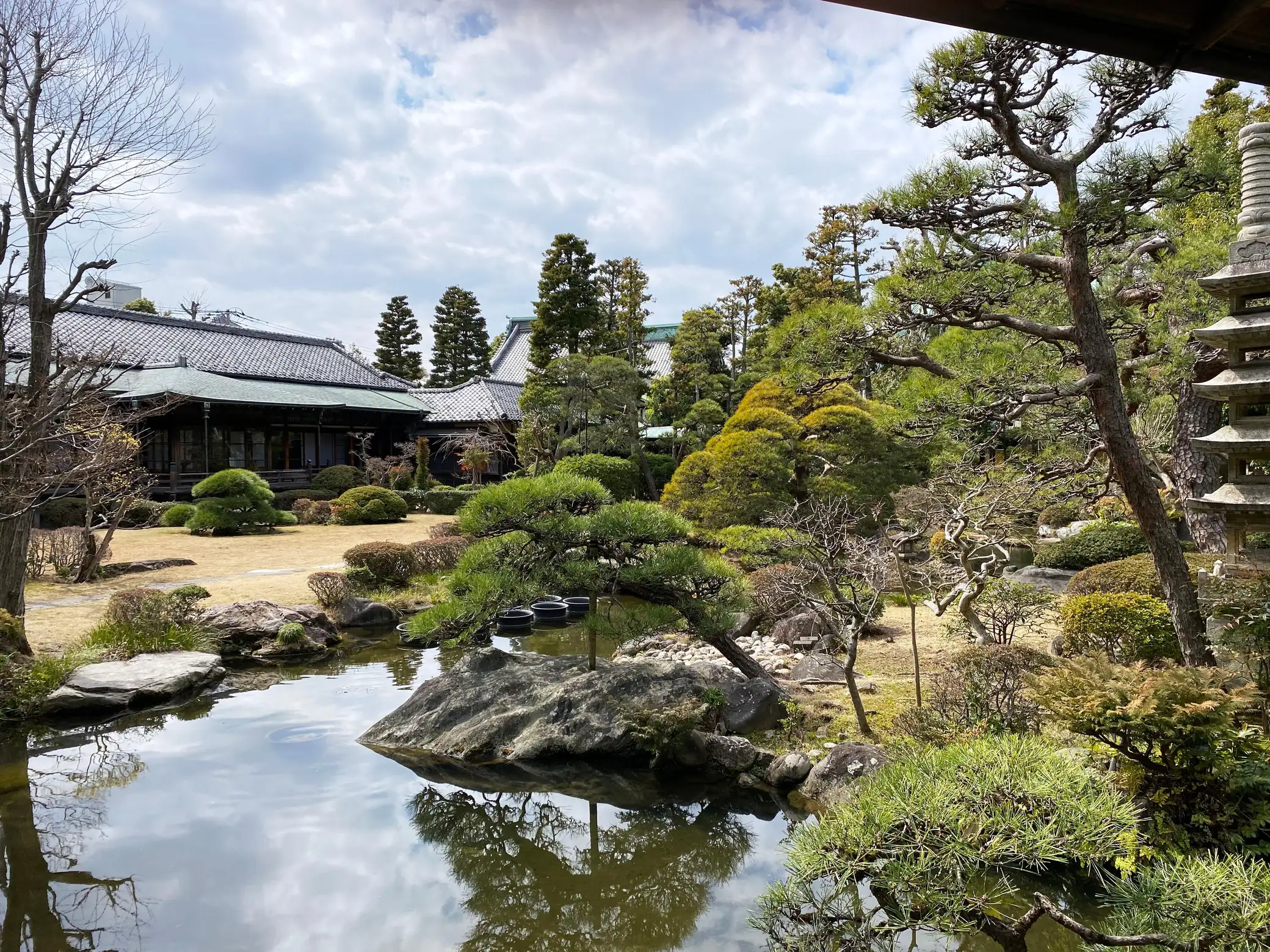
Shibamata feels like leaving Tokyo without actually leaving it. Streets are low-rise, there’s no crowd is thin, and shops sell traditional sweets alongside everyday goods. The mood is nostalgic without feeling staged.
You can witness everyday life here. Locals shopping, eating, and chatting. The temple grounds are not crowded. You are not pushed through. You are welcomed to stay.
The travel time is worth it because the contrast is sharp. After dense neighborhoods, Shibamata feels open and human-scaled. Visit in the late morning or early afternoon. The area wakes gently and never spikes into chaos.
Plan to stay two to three hours. Walk the main street, visit the temple, and sit by the river if weather allows. It works best as a half-day, not a rushed stop.
This destination suits travelers who value place over novelty. If you enjoy towns that feel genuinely lived in, this will resonate.
Pro Tip: Treat this as a half-day experience. Pairing it with another far-flung stop can dilute what makes it special.
6. Daikanyama
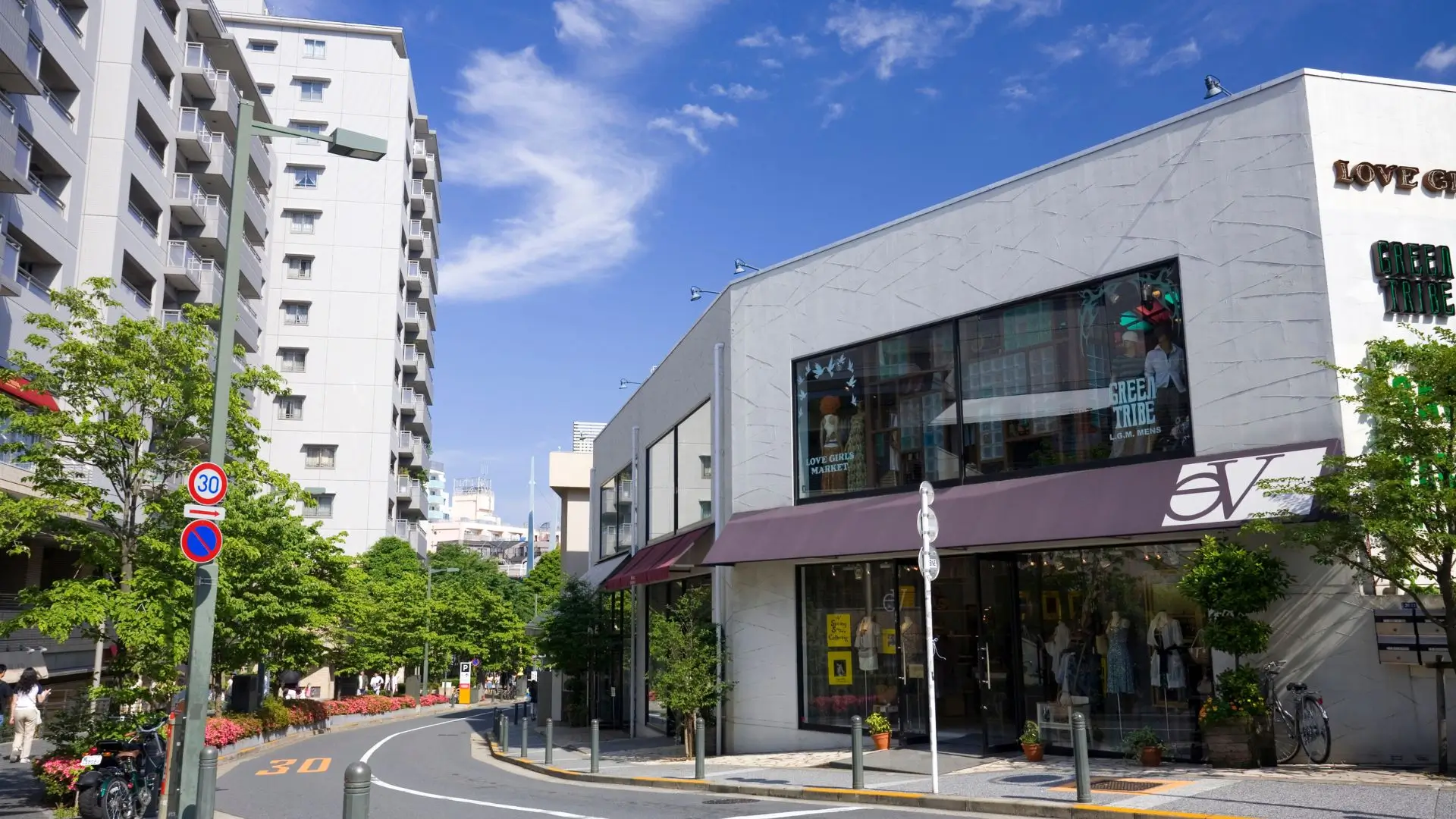
Daikanyama is a neighborhood that resets your senses. Streets are wide, buildings are low, and the design feels intentional without being loud.
Some streets get busy, especially around major bookstores and cafés. Step a few blocks away and the atmosphere shifts. Walking is the main activity rather than shopping.
Browse only if something pulls you in. Sit at a café and watch the neighborhood move at its own speed.
Late morning on a weekday is the best time to visit. You can easily spend 30 minutes or several hours here.
Pro Tip: This place works best as a quick stop between busier destinations or as a spot to linger when you’re in the mood to slow down and take things easy.
Explore Tokyo neighborhoods on a private tour with a driver. Travelers can visit Daikanyama and many other destinations in a single day. This approach allows them to choose their stops, enjoy local destinations, avoid crowds, and design their own routes.
7. Koenji
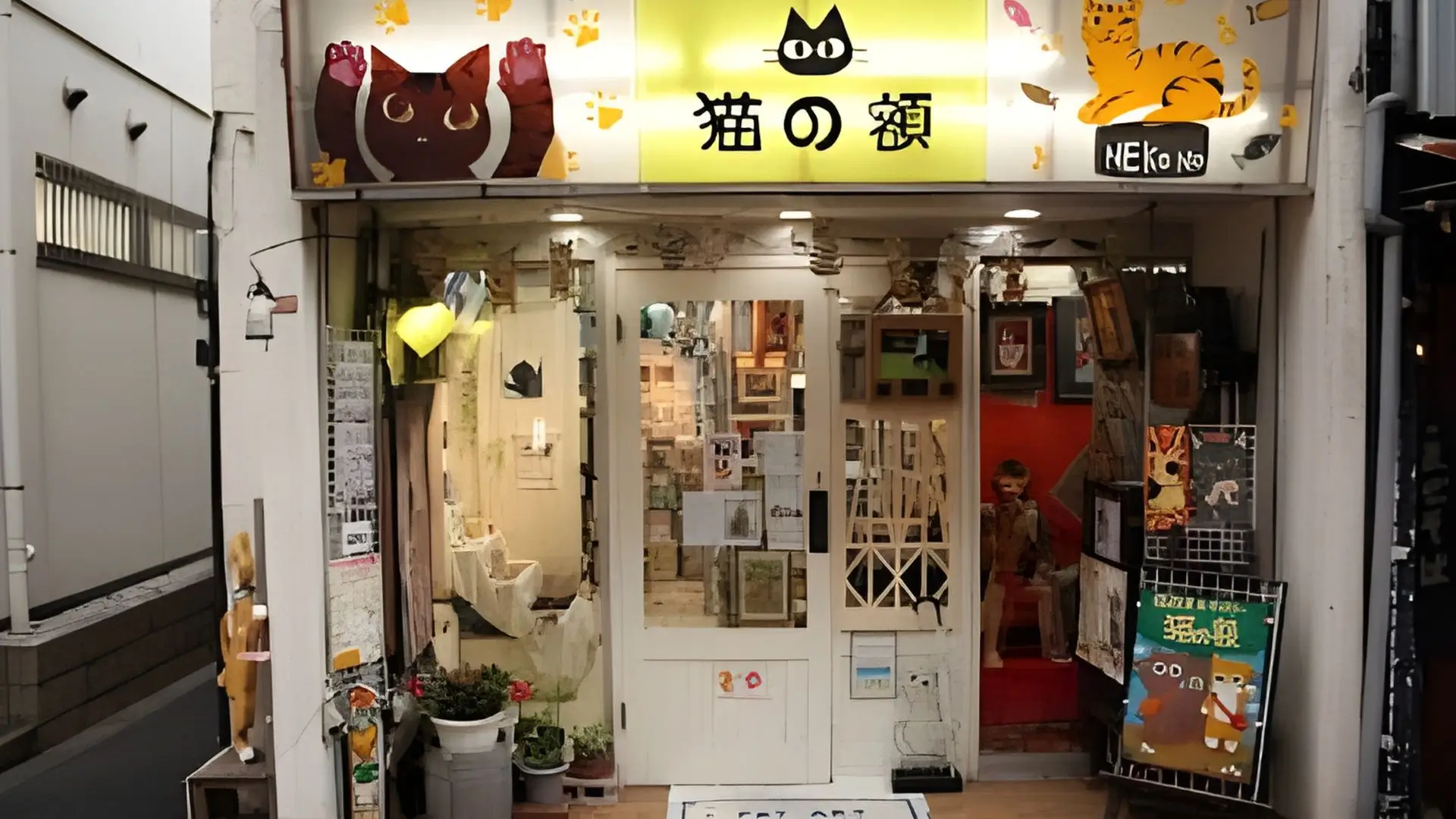
Koenji is everyday Tokyo with personality.
Vintage shops, small bars, record stores, and homes exist side by side. People are not performing for visitors. They are simply living. That honesty makes the area refreshing.
Visit in the afternoon into early evening. Weekdays stay relaxed, while weekends bring energy without tour buses. Wander without a plan. Turn corners. Follow sound or light.
Imperfection is part of the appeal. If you are looking for polished aesthetics, this may not click. If you like places with character, it will. This neighborhood suits curious travelers who value local rhythm over highlights.
Pro Tip: Don’t come expecting big landmarks or must-see sights. It’s really more about the atmosphere. Just being there and seeing what the vibe brings.
8. Akabane Ichibangai
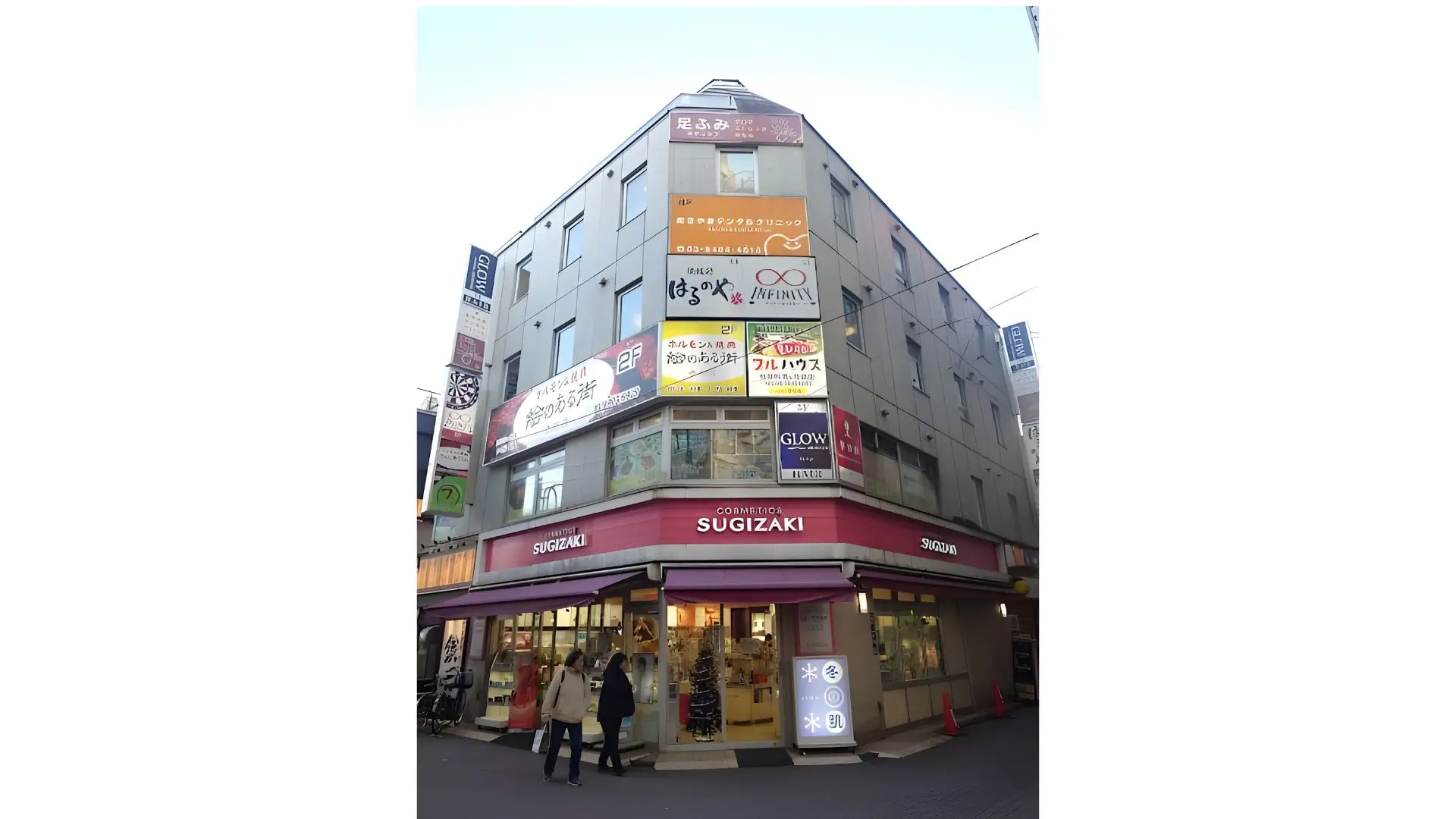
Akabane Ichibangai is a working neighborhood’s after-hours release valve. Salary workers loosen their ties, friends meet without planning weeks ahead, and the atmosphere feels lived-in rather than performed.
Timing matters more here than almost anywhere else. Arrive between 4:00 and 5:00 p.m. to watch the shift from daytime routine to evening social life.
At this hour, places are opening, groups are still small, and movement is manageable. After 6:00 p.m., the street fills quickly. Sound levels rise, personal space disappears, and the experience becomes far more intense.
Walk the street, observe, and pick one spot — or none at all. You do not need to stay long for it to work.
Akabane Ichibangai works best as a contained experience. Think of it as observing a cross-section of local nightlife rather than participating fully.
If loud environments spike your stress immediately or unpredictability feels overwhelming, this street will not improve with time.
Pro Tip: Plan for 30–45 minutes total. Arrive early, walk deliberately, and leave before the density peaks.
Tips for Avoiding Crowds in Tokyo
- Timing matters more than place. Start early and step away before peak hours settle in. Even Tokyo’s most famous areas feel gentler when you arrive ahead or after of the rush.
- Choose residential neighborhoods over landmarks, and walk where daily life unfolds. Streets built for tours and photo stops tend to drain energy the fastest.
- Wander instead of overplanning. Looser plans leave room to pivot when a place feels crowded or heavy. Trust your pace, and let curiosity—not obligation—set the direction.
- Just as important is knowing when to leave. Lingering too long is often what turns a good moment into an overwhelming one.
- Set one calm anchor each day—a garden, a neighborhood walk, or a quiet café—and let everything else orbit around it. Tokyo feels lighter when you move with its rhythm instead of against it.
Many people struggle with Japan not because of where they go, but when they go. Knowing the best (or the worst) time to visit Japan can shape your entire experience.
A Slower, Quieter Way to Experience Tokyo
Tokyo rewards slowing down.
Once you step away from the busiest streets, the city reveals quieter neighborhoods, everyday rituals, and moments that feel far more personal than any checklist of attractions.
These hidden gems aren’t about seeing more. They’re about experiencing Tokyo in a way that feels breathable, grounded, and genuinely memorable.
If this slower side of Tokyo resonates with you, but you still want to make sure you don’t miss the experiences that truly define the city, I’ve put together the best things to do in Tokyo that complements this one perfectly.
Together, these two posts will help you experience Tokyo on your own terms — without feeling rushed, overwhelmed, or stuck in crowds.
Guides for Planning a Thoughtful Trip to Japan
- 15 Best Things to Do in Tokyo That Are Actually Worth It
- The 2-Day Tokyo Itinerary: You Won’t Feel Rushed
- 10 Best Day Trips from Tokyo (That Are Actually Worth It)
- 7 Best Things to Do in Uji That Made Me Slow Down
- 15 Non-Touristy Things to Do in Kyoto for an Authentic Experience
- Best and Worst Time to Visit Japan: First-Timer’s Guide
- Simple Japanese Phrases for Travelers I Actually Used
- How to Plan the Perfect Mt. Fuji Itinerary
- Japan Road Trip Itinerary: Epic 8-Day Route Guide
- Do I Need Travel Insurance for Japan?