
Where to Stay in Kyoto: Honest Neighborhood Guide

When I was planning our trip to Japan, I was torn on where to stay in Kyoto.
We were coming from a ryokan in Kawaguchiko, at the foot of Mt. Fuji—tatami floors, futon beds, and the quiet of a lake—and I wanted whatever came next to carry at least some of that feeling.
But Kyoto was the part of this trip I had been most looking forward to, and I knew I’d be on my feet most of the day. I needed something that could do both.
Every guide I read pointed to the same two answers: Gion or Higashiyama. Stay close to the famous streets. Don’t stay too far.
I’ve been traveling for 13 years, and one thing holds across almost every destination: go one step outside the tourist center, and everything gets quieter, more local, and noticeably cheaper. So I looked a little further south instead.
I was right!
We found a room with tatami mats and futon-style beds inside what looked, from the outside, like a completely ordinary city hotel — two stops from Kyoto Station, close to Fushimi Inari, and a fraction of what we would have paid in Gion. It was one of my favorite places; we stayed the entire trip.
This guide covers where to stay in Kyoto across four neighborhoods—including the one that rarely appears in any guide you’ve read.
This post contains affiliate links. If you book through them, I may earn a small commission — at no extra cost to you. I appreciate your support! Read our full disclosure.
How to Choose Where to Stay in Kyoto (Before You Book Anything)
Every time I traveled, I wanted to make sure that wherever I went, I researched the place (although having unexpected happenings is inevitable). I equipped myself to ensure that we would avoid unnecessary hassles before and during the actual travel—at the end of the day, we want to enjoy the place, and being prepared is the first step to achieving that.
In this section, I listed four major considerations that I made when choosing where to stay in Kyoto that helped us navigate the place, plus a lesson I learned so that you can avoid it.
Knowing who Kyoto is for
Knowing who Kyoto is for matters before you even book a hotel. Japan feels both massive and surprisingly small at the same time. Massive because there are endless places to explore. Small because the most popular areas can feel crowded very quickly.
Some travelers come for the fast-paced city experience and packed itineraries. Others want slower mornings, quiet temple walks, and neighborhoods that feel lived-in, and for me, that is what Kyoto is for.
If it is your first time and your goal is to understand the community’s culture and feel a sense of depth, then this is the best city for you.
Pro Tip Kyoto works well as a base, especially if you plan to visit Uji and Fushimi Inari. It’s also a great option for families or groups who want the feeling of staying in a ryokan without the higher prices and traditional setup.
Trade-offs you need to know
It is also important to mention that every area in Kyoto asks you to trade one thing for another.
- Gion is where you’ll find the Kyoto vibe most people picture, but it comes with higher prices and lots of people.
- Kyoto Station is the easiest spot to get around the city, especially if you’re planning to explore multiple cities in Japan. However, it might not capture the traditional Kyoto feel that many visitors are hoping for.
- Arashiyama is a great choice if you’re looking for a quieter start to your day, with amazing riverside walks and a more relaxed atmosphere. Just keep in mind that you’ll be a bit out of the way from the main attractions.
- Southern Kyoto strikes a balance; amongst the other areas, this is a more budget-friendly option, a feel that feels more like home, and it’s perfect for those who want to visit Fushimi Inari and Uji.
3. How transportation and parking look
We initially rented a car when we traveled in Japan. (If you want to know how the process looks, you can check the guide here.)
After our vacation, I realized that Kyoto is very manageable without a car. The city has a very reliable bus network and train connections through the JR and Kintetsu lines, so most travelers can move around easily using public transportation alone.
If you decide to bring or rent a vehicle, expect that the traffic is heavy, particularly to the tourist spots. Parking around Gion and Higashiyama is limited and expensive.
Pro Tip For travelers who are on a road trip, you will have a much easier experience staying on the southern or western side of Kyoto, where parking is more available.
During our stay in Southern Kyoto, we were able to park at the hotel when we first arrived. But after coming back from our kaiseki dinner later that evening, the hotel lot was already full.
We’re just thankful we still found a nearby paid parking lot, so it still worked out fine. It was a good takeaway that even outside central Kyoto, parking can fill up quickly at night.
4. Common mistake
One common mistake many travelers make is booking Gion simply because it is the most photographed neighborhood in Kyoto.
What people often do not realize is that the best version of Gion exists during very specific hours. Hence, it is either you will wake up super early in the morning before the crowds arrive or late in the evening once the streets quiet down again.
If your itinerary keeps you out all day and exhausted by night, you may end up paying premium prices without actually experiencing the quieter side that makes Gion feel special in the first place.
Quick Guide: Which neighborhood does your travel style fit?
|
Traveler Type |
Best Area |
Why |
|---|---|---|
|
Atmosphere over everything |
Gion / Higashiyama |
Iconic streetscape |
|
Convenience; multiple-city itinerary |
Kyoto Station area |
Almost every connection starts here |
|
Slow Travel |
Arashiyama |
Quieter mornings, forest feel |
|
Family / group / road trip |
Southern Kyoto |
Affordable, local feel |
You’ll notice this guide does not cover central Kyoto around Nishiki Market and downtown Kawaramachi. This guide’s focus is on travel outside the sightseeing, although the areas mentioned are also convenient, they don’t fit with this goal.
Plus, I also did not personally stay there during this trip, so I wanted to focus on places I could speak about more honestly and specifically.
Gion and Higashiyama: The Atmospheric Core
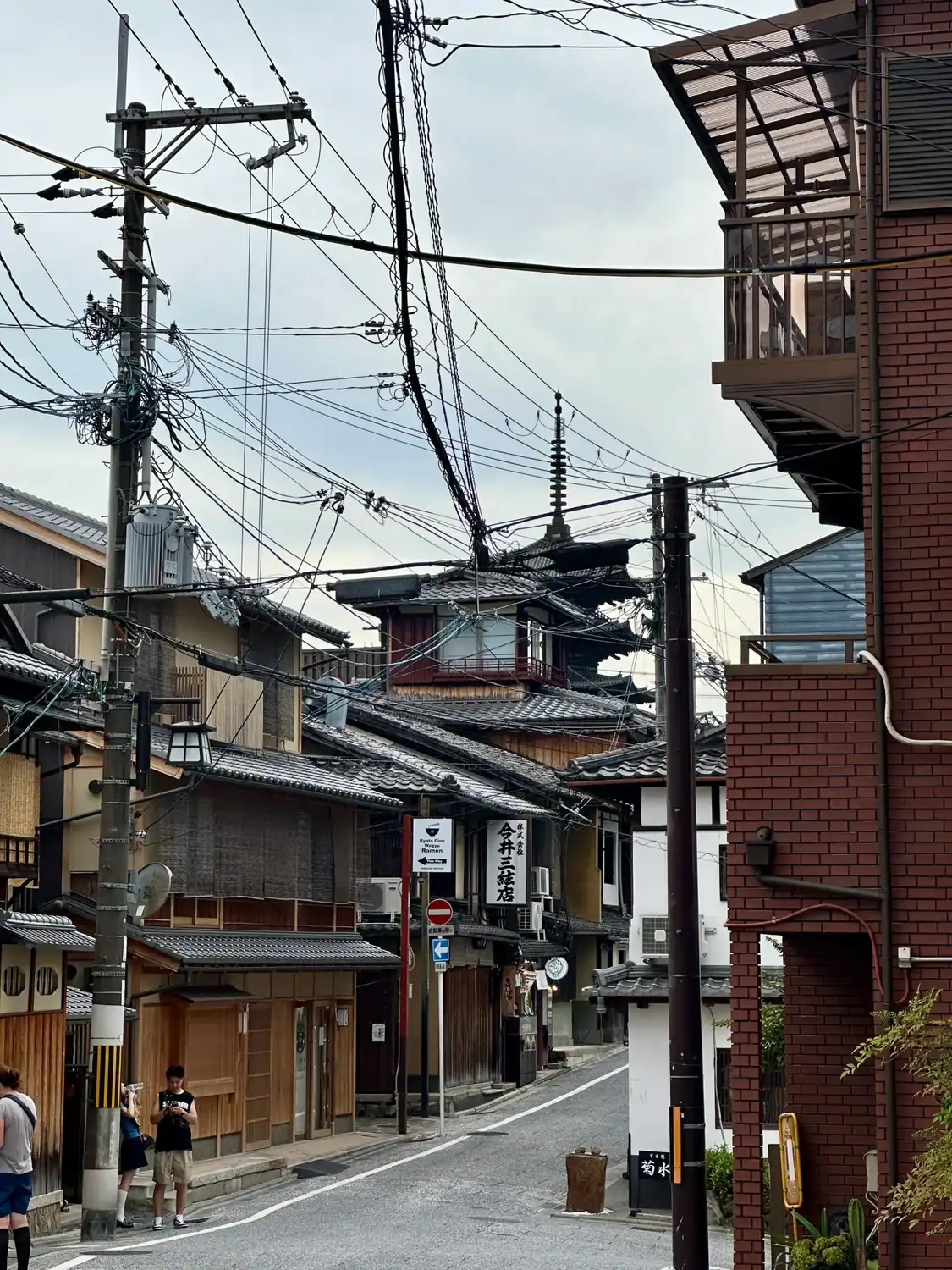
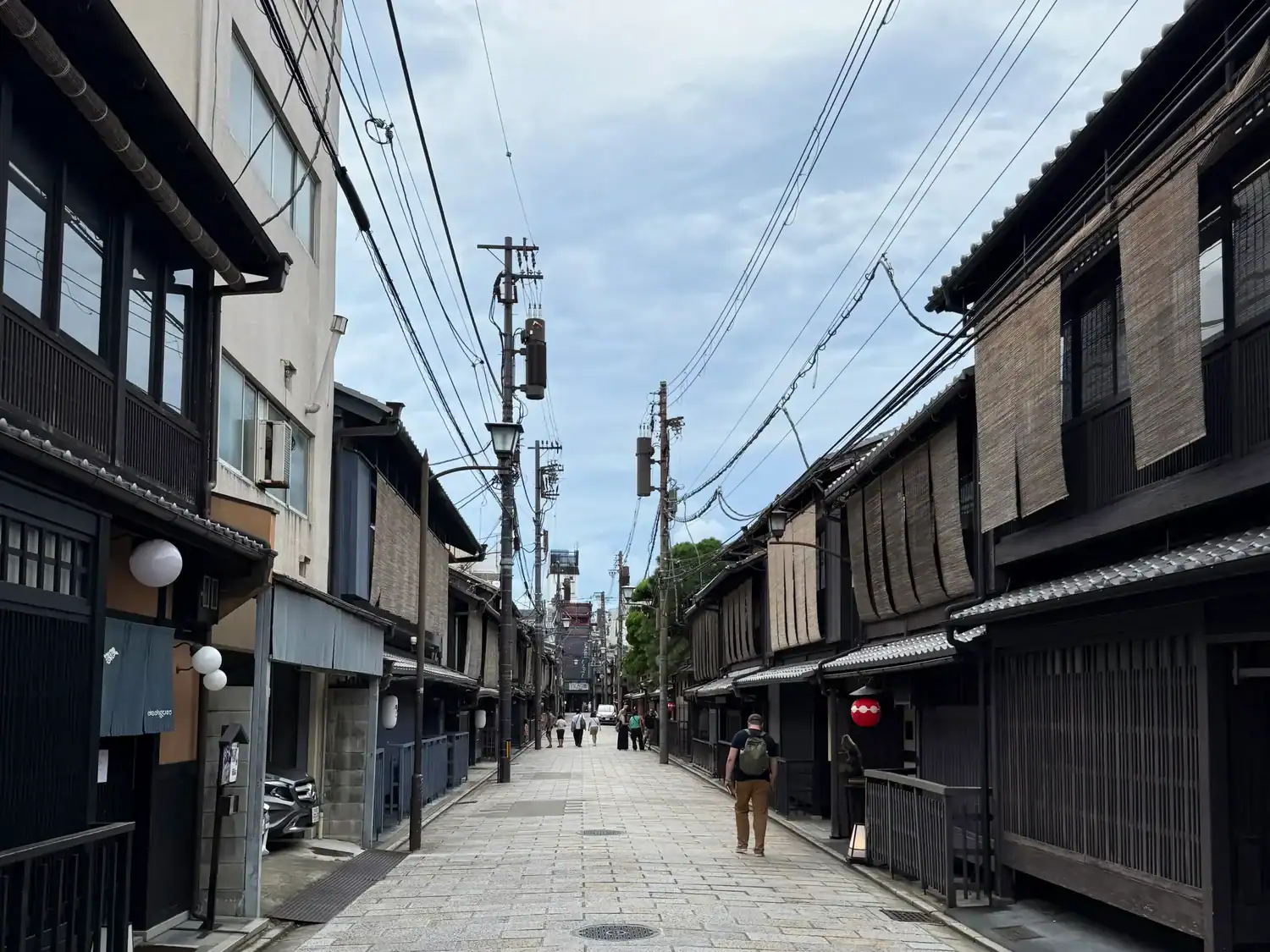
Gion and Higashiyama are the Kyoto scenes that pop into our minds before we even set foot in Japan. Picture stone-paved streets, wooden machiya houses, lantern-lit alleys, and serene temples tucked away in narrow lanes. This is the Kyoto that graces almost every travel photo.
Kyoto’s most captivating moments depend on your arrival time. If you arrive early in the morning, you’ll find the city in its most authentic state, peaceful and serene, before the crowds arrive.
Or if you arrive late at night, you’ll witness the city as it winds down, with fewer people around. Hence, staying here will allow you to capture the best moments.
When we explored Gion during the day, it was already bustling, especially around the main streets. But even with the crowds, I still saw why people love staying here. Walking between Gion, Kennin-ji, and Yasaka Pagoda felt like a seamless route.
One more thing that I loved about Gion is that the place feels like a place that is constantly being watched; it felt always alive. The atmosphere says it all.
So, if you are a type of traveler who wants to slow down and value the vibe of the place, this might be the best place for you.
Best For
- Early risers
- Photographers
- Slow morning walkers
- Travelers prioritizing atmosphere over convenience
What It Asks of You
Gion rewards people who are willing to wake up early or stay out later into the evening. The quieter hours are what justify the higher prices here.
During most of the day, you are sharing the same streets and viewpoints with everyone else visiting Kyoto.
Honest Limitations
- Premium hotel prices
- Heavy daytime crowds
- Limited parking
- Less separation from the tourist experience
Walking Feel
Walking around this part of Kyoto feels very traditional. You’ll see small wooden houses, quiet side streets, stone paths, and little shops that make the area feel very different from busy modern cities like Tokyo or Osaka. Around Hanamikoji and Ninenzaka, it honestly feels like you’re walking through old Japan.
You can easily walk between places like Kennin-ji Temple and Yasaka Shrine, and the streets connecting them are part of the experience too.
How to Get Here
If you have a JR Pass, you can take the JR train to Kyoto Station, then transfer to the JR Nara Line and get off at Tofukuji Station. From there, transfer to the Keihan Line and ride to Gion-Shijō Station.
Hotels Picked For You
If you’ve decided to stay in Kyoto District, here’s a list of great hotels with excellent locations and reasonable prices:
Kyoto Gion Hotel | price: 165 USD – 184 USD
Location: Kyoto, Kyoto, Higashiyama-ku Kiyomotocho 354-6, Japan
★ 8.2/10 Rating (Very Good) with Booking.com
Kyoto Granbell Hotel | price: 252 USD – 307 USD
Location: Kyoto, Kyoto, Higashiyama-ku Yamatocho 27, Japan
★ 8.9/10 Rating (Excellent) with Booking.com
Hotel The Celestine Kyoto Gion | price: 318 USD – 344 USD | This hotel holds a prestigious Michelin One-Star distinction
Location: Kyoto, Kyoto, Higashiyama-ku Komatsucho 572, Japan
★ 9.2/10 Rating (Wonderful) with Booking.com
Around Kyoto Station: The Convenient Entry Point
Kyoto Station feels very different from the traditional side of Kyoto that most people imagine. Instead of quiet streets and old wooden buildings, this area is more modern, busy, and focused on convenience.
You’ll see large shopping malls, office buildings, hotels, restaurants, and one of the biggest train stations in Japan.
A lot of people choose to stay here because it makes traveling around Japan much easier. The Shinkansen, local JR trains, airport buses, and other train lines all connect here, so getting to places like Tokyo, Osaka, or Nara is very convenient.
If it’s your first time in Japan and you plan to visit multiple cities, staying near Kyoto Station can save you a lot of time and energy.
Pro Tip Staying near Kyoto Station makes things much easier if you have early train rides, late arrivals, or a packed Japan itinerary. The area is also more convenient when traveling with luggage since the streets are flatter, wider, and easier to navigate compared to Kyoto’s older neighborhoods.
The main thing to know is that this area does not really give the classic “old Kyoto” vibe. Most famous temples, traditional streets, and cultural spots are still a bus ride, train ride, or longer walk away.
Best For
- Multi-city Japan itineraries
- Business travelers
- Late arrivals and early departures
- Travelers prioritizing convenience over atmosphere
What It Asks of You
For me, Kyoto Station feels more like a practical hub than a place to get lost in emotions. It’s designed to get people around the city quickly, so if you’re looking to soak up the traditional Kyoto vibe at your own pace, it might not be the best spot.
Honest Limitations
- Minimal traditional atmosphere
- Less neighborhood character
- Main sightseeing districts require commuting
Walking Feel
The area around Kyoto Station is spacious, modern, and easy to navigate on foot. If you really want to explore the city from here, Google Maps will honestly become your best friend.
Sidewalks are wide, transit access is excellent, and getting around with luggage feels much easier compared to older parts of Kyoto. Just keep in mind that traditional areas like Gion and Arashiyama are farther than they first seem, so you’ll probably rely on trains and buses quite often during your stay.
How to Get Here
You can hop on the Shinkansen (bullet train) from major cities in Japan, take regional JR or private trains, or even ride the Kyoto Municipal Subway.
Hotels Picked For You
If you’ve decided to stay around in Kyoto Station, here’s a list of great hotels with excellent locations and reasonable prices:
ibis Styles Kyoto Station | price: 99 USD – 124 USD
Location: Kyoto, Kyoto, Minami-ku Kamitonodacho Higashikujo 47, Japan
★ 8.0/10 Rating (Very Good) with Booking.com
Hotel Keihan Kyoto Ekiminami | price: 145 USD – 229 USD
Location: Kyoto, Kyoto, Minami-ku Higashikujo Muromachi 55, Japan
★ 8.8/10 Rating (Excellent) with Booking.com
Miyako City Kintetsu Kyoto Station | price: 154 USD – 510 USD
Location: Kyoto, Kyoto, Shimogyo-ku Higashishiokoji Kamadonocho 1-9, Japan
★ 8.6/10 Rating (Excellent) with Booking.com
Arashiyama: The Quieter Western Side
Arashiyama feels very different from the busy parts of Kyoto. Instead of crowded streets and city buildings, this is more of a slower atmosphere, but unlike Gion, you’ll find rivers, mountain views, and quiet neighborhoods. For me, I can say that this is the side of Kyoto that feels the most peaceful.
Most people visit Arashiyama as a day trip, but staying overnight gives you a completely different experience.
Early mornings around the bamboo grove, Togetsukyo Bridge, and riverside paths feel calm and almost empty before tour groups arrive.
This area is perfect for nature lovers and couples who enjoy walking. It’s quieter than the bustling central Kyoto, making it a popular destination for those seeking calmness.
The main thing to know is that Arashiyama is farther from popular areas like Gion and Kyoto Station. You’ll spend more time on trains if you plan to move around the city all day.
Because of that, this area works better for people who want to stay local and enjoy the neighborhood itself instead of rushing between attractions.
Best For
- Slow travelers
- Nature-focused trips
- Couples wanting quieter mornings
- Travelers prioritizing atmosphere over convenience
What It Asks of You
You need to accept longer travel times into central Kyoto. Arashiyama rewards travelers who slow down and stay present within the neighborhood itself instead of constantly commuting across the city.
Honest Limitations
- Further from central Kyoto attractions
- Smaller hotel selection
- Longer eastbound transit times
- Less practical for tight itineraries
Walking Feel
Arashiyama is mostly flat and super walkable! The area around the Oi River, Tenryu-ji, and the bamboo grove feels cooler, greener, and quieter than central Kyoto.
The bamboo forest is just a short walk from the main streets, but the atmosphere really changes when you get closer to the riverside and forest paths.
How to Get Here
It takes about 15 to 20 minutes from central Kyoto. You can either hop on the JR Sagano Line straight to Saga-Arashiyama Station, or take the beautiful Hankyu Railway to Arashiyama Station.
Hotels Picked For You
If you’ve decided to stay around in Arashiyama, here’s a list of great hotels with excellent locations and reasonable prices:
Yado Arashiyama (13 years old or older only)| price: 129 USD – 205 USD
Location: Kyoto, Kyoto, Nishikyo-ku Arashiyama Nakaoshitacho 45-2, Japan
★ 9.2/10 Rating (Excellent) with Booking.com
The GrandWest Arashiyama | price: 147 USD – 176 USD
Location: Kyoto, Kyoto, Nishikyo-ku Arashiyama Kamikaidocho 48, Japan
★ 9.2/10 Rating (Wonderful) with Booking.com
Homm Stay Nagi Arashiyama Kyoto By Banyan Group | price: 176 USD – 225 USD
Location: Kyoto, Kyoto, Ukyoku Sagatenryuji Wakamiya17-4, Japan
★ 9.3/10 Rating (Wonderful) with Booking.com
Southern Kyoto: The Affordable Local Side

Southern Kyoto was a real surprise for us on our Japan trip!
Compared to areas like Gion or Arashiyama, although this is part of the city, the ambiance is quieter, it is more residential, yes, but it felt more connected to the everyday life of the locals.
Instead of traditional tourist streets and packed temple areas, you’ll find neighborhood restaurants, convenience stores, apartment buildings, and calmer streets with fewer visitors around. It may not look like the “movie version” of Kyoto, but it feels very real and lived in.
One of the best things about staying here is the location. Fushimi Inari is nearby, Uji is an easy train ride south, and the Kintetsu Line connects you back to Kyoto Station in just a few stops. It still feels convenient without dealing with the crowds of central Kyoto.
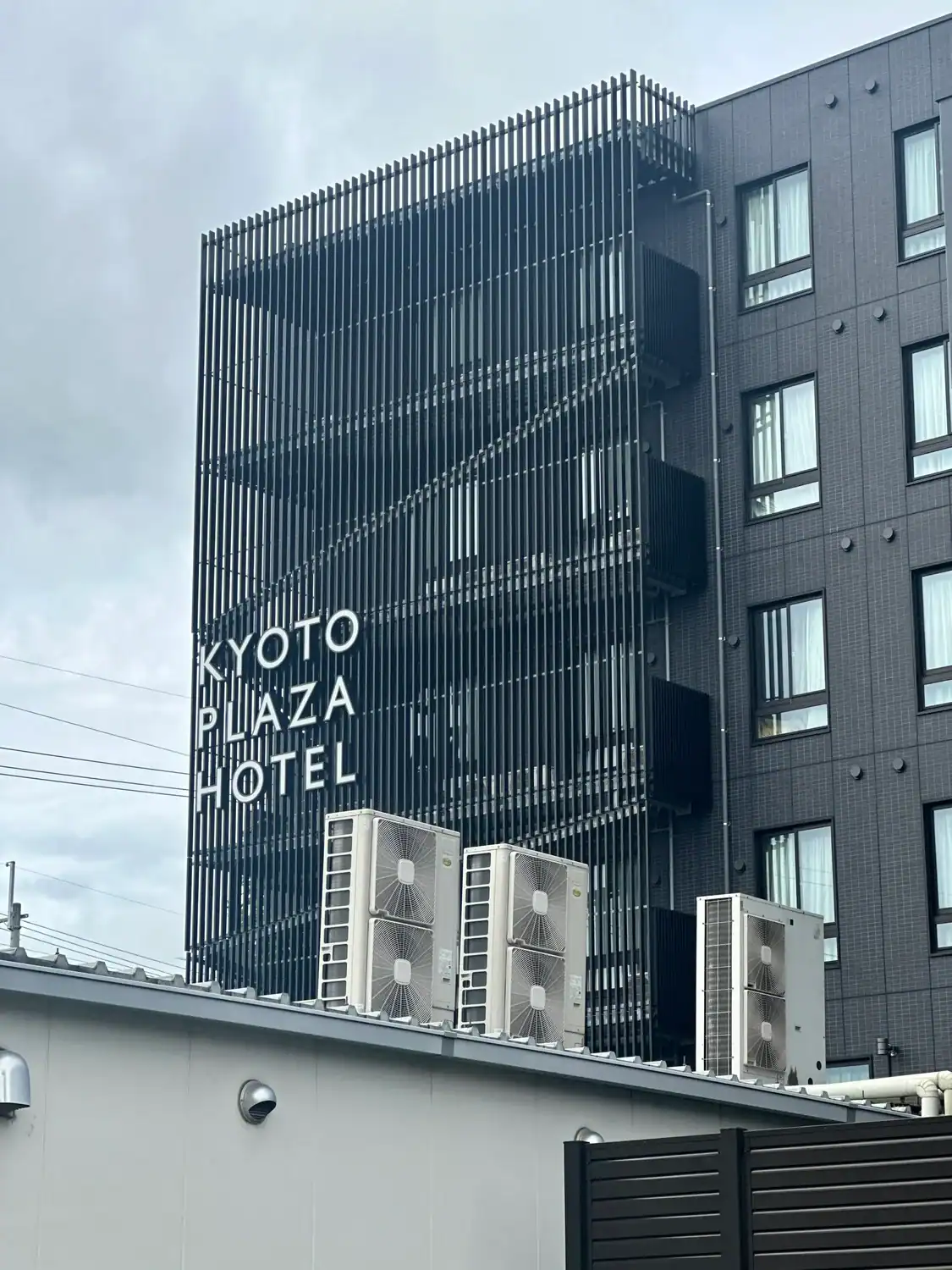
We stayed at Kyoto Plaza Hotel Kintetsu Jujo in a Japanese-style room, and honestly, it became one of the most memorable stays from our trip.
From the outside, the hotel looked modern and simple. But inside the room were tatami floors, futon beds, and that quiet Japanese atmosphere that feels hard to explain until you experience it yourself.
It reminded me a lot of staying in a ryokan, just in a more affordable and practical way. For four people, we paid around $100 total during our stay, which made it feel like great value for the experience.
This area works especially well for families, groups, road trippers, and travelers planning to visit places like Fushimi Inari or Uji without staying in the middle of tourist crowds. Next stop Osaka? See where to stay in Osaka.
Best For
- Families and groups
- Travelers visiting Fushimi Inari or Uji
- Road trips and travelers with cars
- People wanting a quieter, more local stay
- Budget-conscious travelers looking for larger rooms
What It Asks of You
Southern Kyoto is less focused on sightseeing atmosphere and more on convenience and local living. You’ll spend more time using trains if you plan to constantly visit central Kyoto attractions like Gion or Arashiyama.
Honest Limitations
- Farther from Kyoto’s traditional districts
- Less of the classic “old Kyoto” atmosphere
- Fewer tourist-focused hotels nearby
- More commuting if your itinerary is centered around eastern Kyoto
Walking Feel
Southern Kyoto feels flatter, quieter, and more residential compared to central Kyoto. Walking around here feels more like experiencing normal daily life in Japan instead of moving between tourist attractions.
You’ll pass convenience stores, small restaurants, apartment streets, and local neighborhoods rather than preserved historical streets. It’s simple, calm, and easy to navigate, especially if you prefer quieter surroundings after a long day exploring Kyoto.
How to Get Here
From Kyoto Station, you can take the Kintetsu Line south toward Jujo Station and nearby areas in just a few stops. The area also gives easy access to Fushimi Inari and Uji through local train connections.
Hotels Picked For You
If you’ve decided to stay around in Southern Kyoto, here’s a list of great hotels with excellent locations and reasonable prices:
Kyoto Plaza Hotel Kintetsu Jujo | price: 62 USD – 74 USD
Location: 28 Nikshikujou Zaouchou, Minami-ku, Minami, Kyoto, Japan, 601-8414
★ 7.8/10 Rating (Very Good) with Agoda
Miyako Hotel Kyoto Hachijo | price: 93 USD – 165 USD
Location: Kyoto, Kyoto, Minami-ku Nishikujo-In-machi 17, Japan
★ 8.6/10 Rating (Excellent) with Booking.com
Hotel Vischio Kyoto by Granvia | price: 162 USD – 323 USD
Location: Kyoto, Kyoto, Minami-ku Higashi Kujo Kamitonoda-cho 44-1, Japan
★ 9.0/10 Rating (Wonderful) with Booking.com
The Side of Kyoto That Doesn’t Ask You to Perform for It
Kyoto started making sense to me the moment we opened the door to that tatami room in Southern Kyoto. Outside was a normal city hotel. Inside felt super quiet; the vibe is completely different from the version of Kyoto moving through the tourist streets all day.
I think that’s what choosing where to stay here really does. It decides which version of Kyoto you get to come home to. If you want to stay longer, volunteering in Japan is another way to do it. Probably my favorite way.
If you manage to go this far, you must be interested in Tokyo, and that’s great! It’s also best to read the 15 Non-Touristy Things to Do in Kyoto for an Authentic Experience guide to learn more about Kyoto that can help you prepare for the trip.
KEEP PLANNING
Plan your whole Japan trip like this
Liked how I curated the day trips? My Japan guides work the same way: slowly, honestly, and from two trips’ worth of mistakes.
