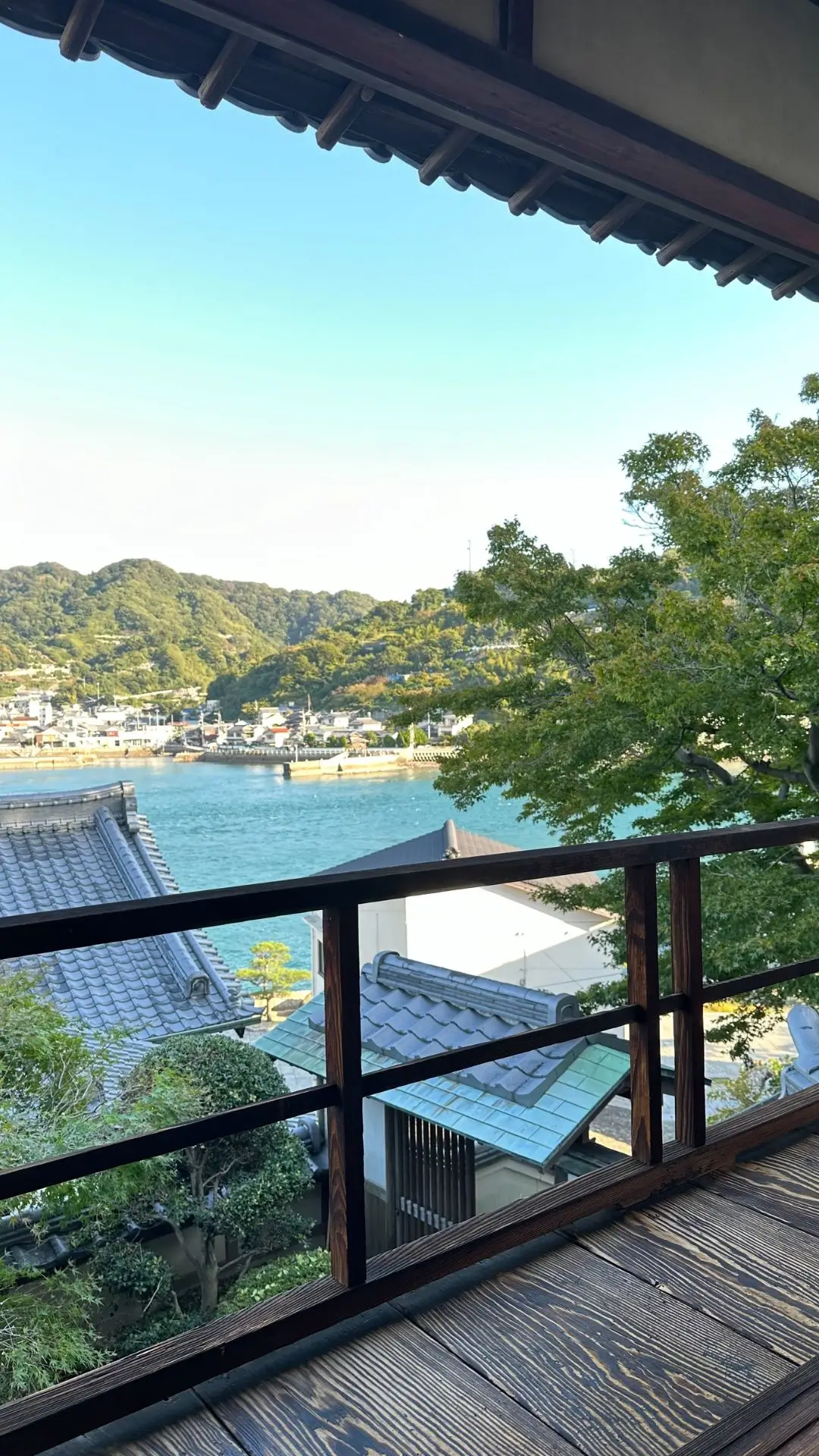
Where to Stay in Tokyo for the First Time (Best Areas + Mistakes to Avoid)

The first time I stayed in Tokyo, I didn’t choose my accommodation at all. It was a student exchange, so everything was chosen for me. The second time, I did — and that’s when I learned how much it matters.
We were only in Tokyo for two nights, so I booked the cheapest place I could find near a metro station. That was my first mistake, and one I see many first-time Tokyo visitors make.
I chose Shinjuku because almost everything I read recommended either Shibuya or Shinjuku. At night, the noise and crowds made it hard to rest.
When we finally spent time in Asakusa, it clicked. The area felt calmer, easier, and far more enjoyable for a first trip. I immediately wished we’d stayed there instead.
After traveling for 13+ years, I’ve learned how much where you stay can shape your entire experience — especially in a city as overwhelming as Tokyo.
That’s why I created this guide. If this is your first time in Tokyo and you don’t want to feel overstimulated or exhausted every night, this post breaks down where to stay based on how you want your trip to feel.
I’ll cover the pros and cons of each area and share accommodation options for different budgets, including why Asakusa suits calmer first trips, while Shinjuku and Shibuya are better for late nights and shopping.

Asakusa – The Best Area for a Calm First Tokyo Experience
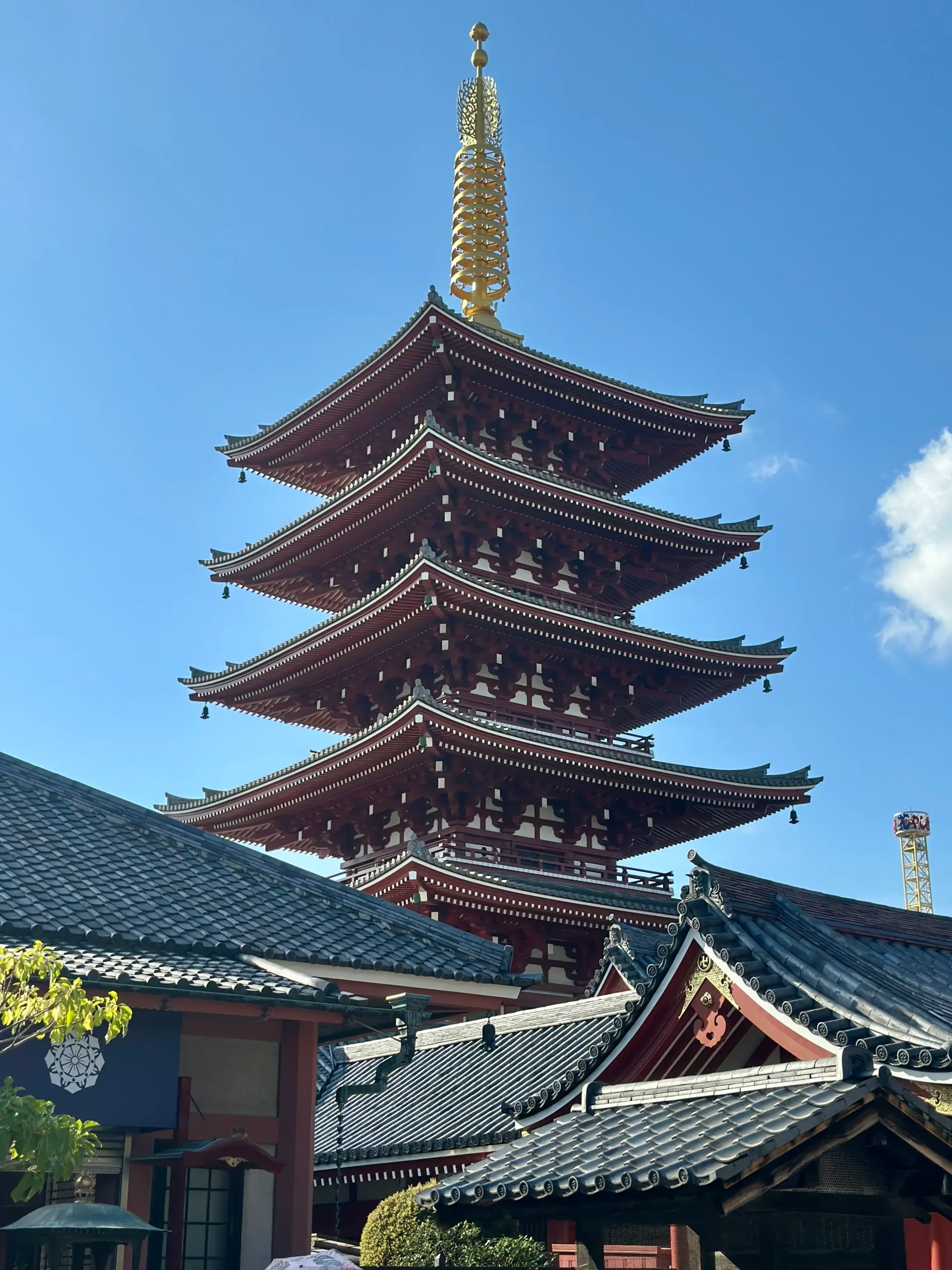
Asakusa is my favorite neighborhood in Tokyo. It has the temples, traditional buildings, and great restaurants you expect, but in a way that feels nostalgic and manageable rather than overwhelming.
The pace is slower, the streets are easier to navigate, and it never feels like you’re fighting crowds just to get from point A to point B.
What really sold me on Asakusa was how much we could do on foot. We walked to spots like Sensō-ji, Tokyo Skytree, and even a sushi-making class we’d booked nearby without ever needing to deal with massive stations or complicated transfers.
This is the kind of area where you can enjoy slow mornings and calm evenings without feeling drained at the end of the day.
You can explore locally on foot and still reach other parts of Tokyo easily, which makes it an ideal home base for a first visit.
It’s the kind of place where you can enjoy Tokyo without feeling like you have to “keep up” with it — which is exactly what most first-time visitors need. The next time I return to Tokyo, I’ll only stay here.
Who Asakusa Is Best For
- First-time visitors who feel overwhelmed easily
- Travelers who value better sleep after full sightseeing days
- Parents or older travelers who want simpler navigation
Downsides of Asakusa
- Nightlife is limited compared to areas like Shinjuku or Shibuya
- Evenings are quieter, with fewer late-night dining and bar options
Where to Stay in Asakusa
Best Budget:
hotel MONday Asakusa
Best Mid-Range:
Asakusa Tobu Hotel
Best Luxury:
Mimaru Tokyo Asakusa Station
Pro tip: If Asakusa’s calm appeals to you but you want quicker JR Line access, Ueno is a practical alternative nearby, particularly if you’re arriving from Narita or planning day trips. Landabout Tokyo is a great place to stay in Ueno if transportation convenience is your top priority.
Shinjuku – Best for Convenience, Nightlife and Food
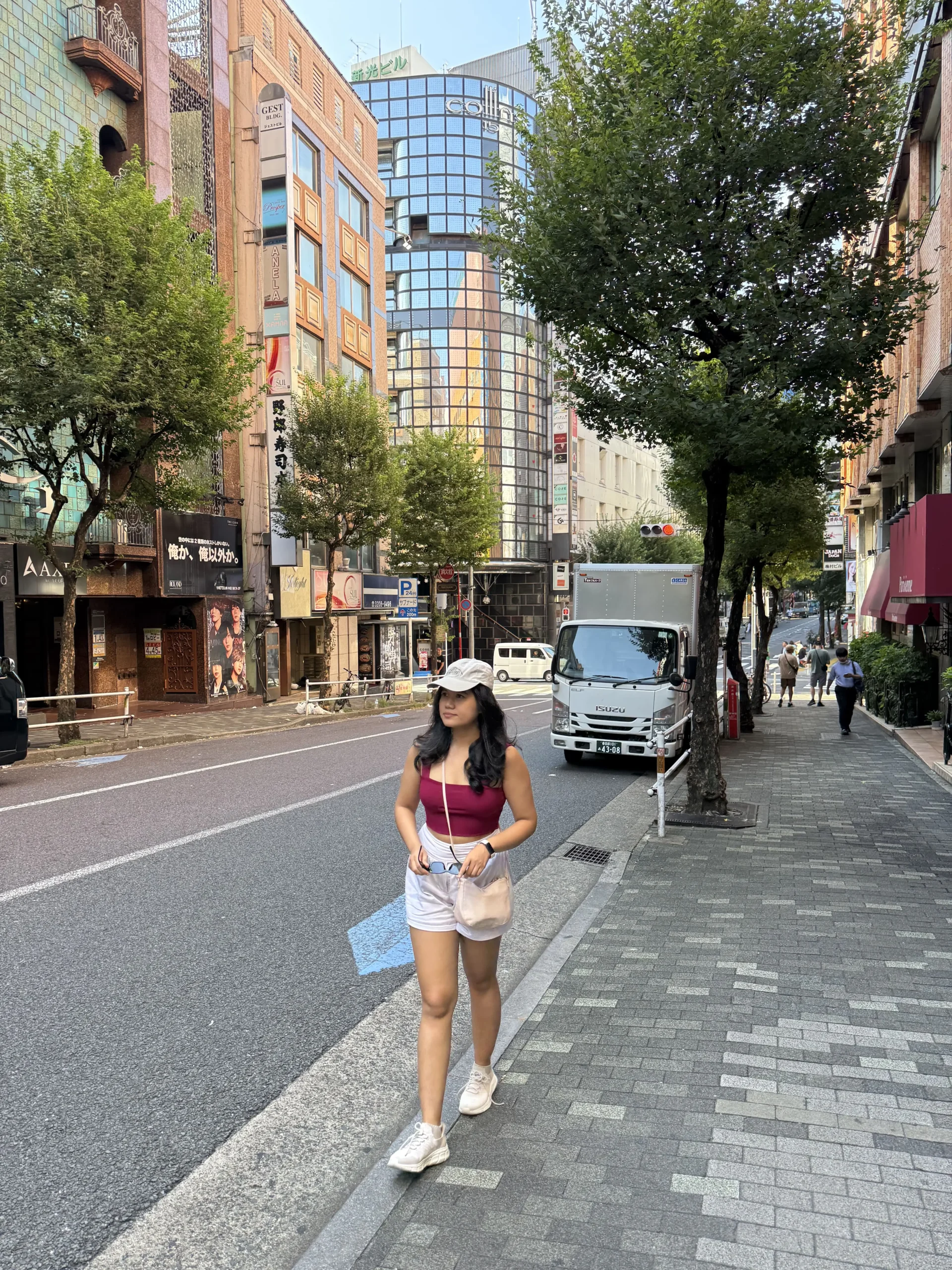
Shinjuku is one of the most convenient places to stay in Tokyo and it’s easy to see why so many first-time visitors end up here.
When we stayed in Shinjuku, I loved how everything was right there: major train stations, convenience stores on every corner, and endless options for food at all hours of the day.
From a practical standpoint, Shinjuku makes getting around Tokyo incredibly easy. Multiple train lines run through the area, so you can reach almost anywhere in the city without complicated transfers.
If you’re the kind of traveler who wants to stay out late, grab food at odd hours, or pack a lot into each day, that convenience is hard to beat.
That said, Shinjuku definitely has a different energy than Asakusa. At night, the crowds get heavier and the noise level goes up. I personally found it a bit overwhelming after a full day of sightseeing
But if you love vibrant city energy, nightlife, and the feeling that Tokyo never really sleeps, Shinjuku is an exciting place to stay.
Who Shinjuku Is Best For
- Travelers who love nightlife and a lively city atmosphere
- First-time visitors who want maximum convenience and easy transportation
- Short-stay travelers who want to be close to everything
Downsides of Shinjuku
- Crowded and noisy in the evenings
- Large stations can feel overwhelming at first
- Less relaxing after long sightseeing days
Where to Stay in Shinjuku
Best Budget:
Daiwa Roynet Hotel Nishi-Shinjuku Premier
Best Mid-Range:
Hotel Sunroute Plaza Shinjuku
Best Luxury:
Park Hyatt Tokyo
Shibuya – Best for Trendy, Youthful Energy and Shopping

Shibuya is often the image people have in mind before they even arrive. If Shinjuku feels busy and functional, Shibuya feels youthful, trendy, and constantly in motion.
Staying in Shibuya puts you right in the middle of Tokyo’s fashion, pop culture, and shopping scene. The area is also packed with clothing stores, cafés, department stores, and casual restaurants.
Transportation here is also very convenient, with multiple train lines running through Shibuya Station. Once you get used to the crowd, Shibuya works well as a base for exploring other parts of the city.
Compared to Shinjuku, Shibuya feels more focused on daytime buzz and trend-driven experiences rather than late-night nightlife.
If you enjoy a fast-paced, modern city atmosphere and don’t mind crowds, Shibuya can be a fun place to stay on a first trip.
Who Shibuya Is Best For
- Travelers who love shopping, fashion, and pop culture
- First-time travelers who want a lively, modern Tokyo experience
- People who enjoy busy neighborhoods during the day
- Travelers who plan to spend lots of time exploring on foot
Downsides of Shibuya
- Very crowded, especially during the day
- Large stations can be confusing for first-time visitors
- Can feel tiring if you prefer slower mornings or quiet evenings
If calm, rest, and simplicity are priorities, Shibuya may feel like too much.
Where to Stay in Shibuya
Best Budget:
sequence MIYASHITA PA
Best Mid-Range:
lyf Shibuya Tokyo
Best Luxury:
Cerulean Tower Tokyo Hotel
Tokyo Station Area – Best for Easy Transport

The Tokyo Station area sits right in the heart of central Tokyo, on the eastern edge of the Marunouchi district.
It’s one of the city’s main transportation hubs and a key gateway for travelers arriving from the airport or continuing on to other parts of Japan.
Staying near Tokyo Station makes getting around incredibly straightforward. You’ll have direct access to multiple JR lines, the Shinkansen, and easy connections to both Narita and Haneda airports.
If this is your first time in Tokyo and the train system feels intimidating, this area removes a lot of the guesswork.
While Tokyo Station itself is busy, the surrounding streets feel noticeably calmer than areas like Shinjuku or Shibuya.
The neighborhood has a clean, polished feel, with wide sidewalks, modern office buildings, and a quieter atmosphere — especially in the evenings.
This part of Tokyo works best as a practical home base rather than a nightlife destination. If your goal is to minimize stress, move efficiently, and keep logistics simple, staying near Tokyo Station makes a lot of sense.
Who the Tokyo Station Area Is Best For
The Tokyo Station area is a good fit if you’re:
- First-time visitors nervous about transportation
- Travelers arriving late or leaving early
- People planning day trips or onward travel by Shinkansen
- Short-stay travelers who value efficiency over atmosphere
Downsides of the Tokyo Station Area
- Limited nightlife and evening buzz
- More business-focused, especially on weekends
- Less character compared to Asakusa or Shibuya
If you want Tokyo to feel lively right outside your hotel, this area may feel a bit too quiet.
Where to Stay Near Tokyo Station
Best Budget:
Hotel Mystays Premier Hamamatsucho
Best Mid-Range:
Hotel Metropolitan Tokyo Marunouchi
Best Luxury:
The Tokyo Station Hotel
Areas First-Time Visitors Should Usually Avoid
Far-Out Residential Neighborhoods
These areas often look quiet, local, and affordable, which can be tempting. The downside is that they’re usually far from major train lines.
Expect longer commutes, more transfers, and less flexibility if you’re tired or jet-lagged. For a first trip, that extra effort is really tiring.
Hotels with Poor JR Line Access
A hotel can be close to a station and still be inconvenient. Staying far from JR lines often means slower routes, extra transfers, and more time spent figuring out transportation instead of enjoying the city.
We stayed far from JR Line Access but near the metro when we stayed for 2 nights in Tokyo. One night, we had to stop several times because we can’t walk anymore.
Choosing a Hotel Solely Because It’s Cheap
It’s easy to assume you’ll only be in your hotel to sleep, but in Tokyo, location matters more than price. Cheaper hotels in poorly connected areas can lead to exhaustion and wasted time, especially after long sightseeing days.
A slightly higher nightly rate in a better location often makes the entire trip more enjoyable.
Underestimating How Big Stations Are
Major stations like Shinjuku Station and Shibuya Station are massive and can feel overwhelming at first. Staying somewhere that requires navigating these hubs multiple times a day can be mentally draining for first-time visitors.
Assuming Taxis Will Make Everything Easier
While taxis exist, they’re expensive, slower in traffic, and not practical for daily sightseeing. We once got lost looking for a tour meeting point and considered taking a taxi, only to find it would take just as long as walking.
Tokyo is designed around trains, and choosing a hotel with easy access to public transportation will save you both time and energy.
Quick Picks: Where to Stay Based on Your Travel Style
- First-time solo traveler: Asakusa — calm, walkable, and less overwhelming
- Couple on their first Japan trip: Asakusa for a relaxed pace or Shibuya for shopping
- Family with kids: Asakusa — simpler navigation and quieter evenings
- Short stay (2–3 nights): Tokyo Station area for easy arrivals and departures
- Longer stay (5+ nights): Shinjuku for convenience and transport access
- Nervous first-time traveler: Asakusa — slower pace and easier days
- Confident, high-energy traveler: Shinjuku or Shibuya
There’s No Perfect Area. Only the Right One for You
Tokyo is exciting but where you stay can completely shape how it feels. There’s no single best neighborhood for everyone, only the one that matches your energy level, travel style, and priorities.
If this is your first time in Tokyo, choosing an area that makes getting around easier and evenings more restful can make a bigger difference than staying somewhere trendy on paper. Once you’ve picked the area that fits you best, focus on booking a well-reviewed hotel near good transportation — and trust that you’ve made a solid choice.