
Traditional Festivals in Japan You Can Still Experience Today

Japan has thousands of festivals. Yet most travelers only hear about cherry blossoms or summer fireworks. That disconnect causes confusion fast.
You arrive expecting one or two major events and quickly realize that traditional festivals in Japan are woven into everyday life, with nearly every town, shrine, and neighborhood following its own calendar.
This guide focuses specifically on traditional festivals in Japan with deep historical, religious, and seasonal roots.
These are matsuri tied to Shinto shrines, Buddhist observances, harvest cycles, purification rituals, and community protection. It does not cover pop culture events, anime conventions, or modern light shows designed primarily for tourism.
The first matsuri I experienced was unplanned. I was walking through a quiet residential street when taiko drums started echoing between buildings.
Neighbors stepped outside. Food stalls appeared within minutes. There were no signs, no announcements, and no sense that this was meant for visitors. It simply unfolded, with or without me.
That moment changed how I understood traditional festivals in Japan.
In this guide, you’ll learn what these festivals actually celebrate, which ones matter most by tradition, and most importantly for travelers, which traditional festivals in Japan are worth planning a trip around versus those best experienced if you happen to be nearby.
If you want to understand Japan beyond seasonal photo moments, this is a great start.
This post contains affiliate links. If you book through them, I may earn a small commission — at no extra cost to you. I appreciate your support! Read our full disclosure.

What Makes a Festival Traditional in Japan?
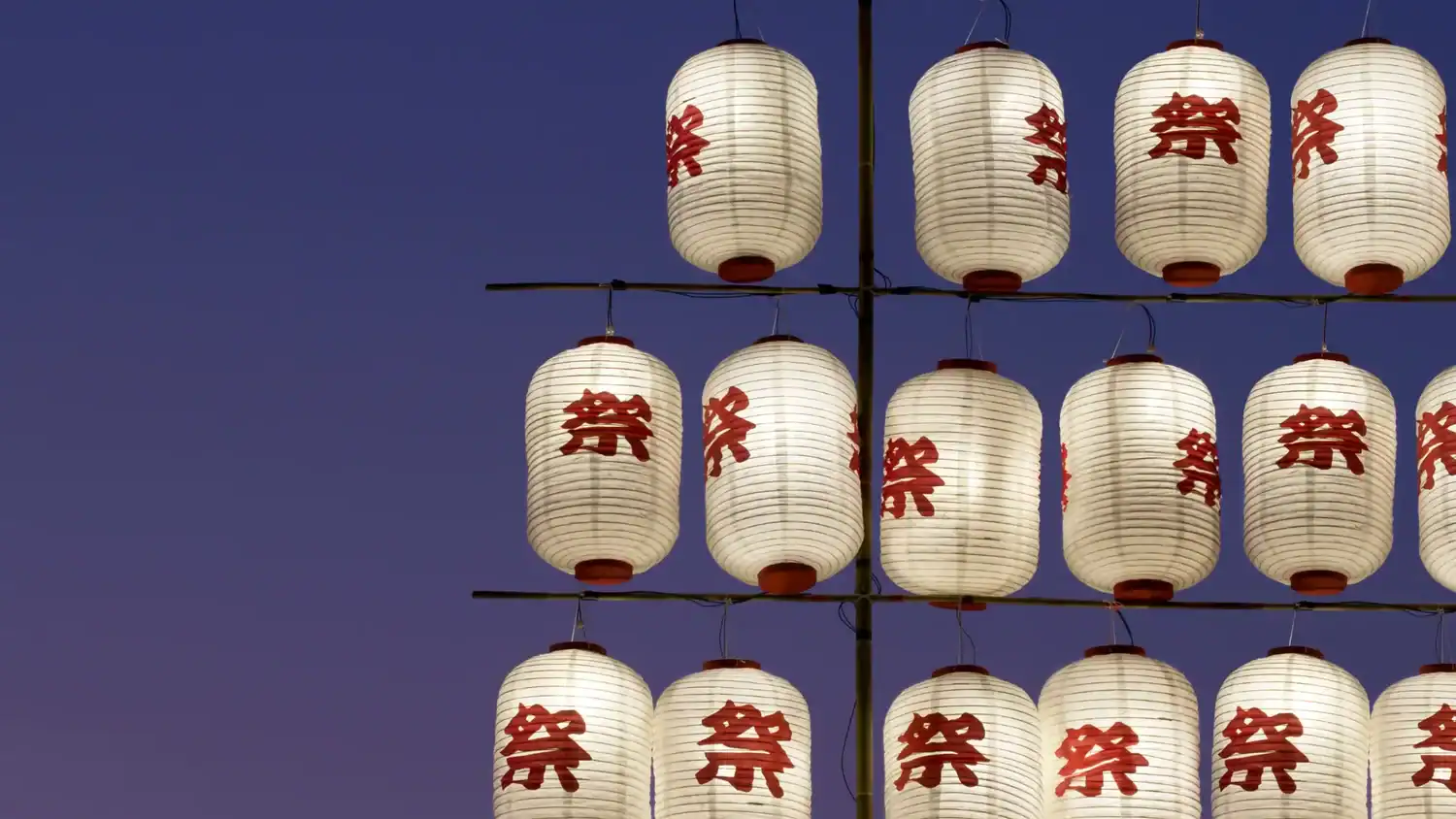
Traditional festivals in Japan usually grow out of Shinto or Buddhist beliefs, but they do not feel like religious ceremonies in the way many visitors expect.
They feel lived in. Shinto festivals are often about purification, protection, and staying in balance with the natural world. Buddhist festivals tend to revolve around remembrance, spirits, and the quiet understanding that life moves in cycles.
Timing plays a bigger role than most travelers realize. Many traditional festivals follow planting seasons, harvests, weather patterns, or periods of spiritual cleansing.
Their dates make sense locally, even if they feel unpredictable from the outside. That is why some festivals seem deeply rooted while others appear suddenly, without explanation or fanfare.
What surprised me most was how little of it felt performative. These are community festivals. Neighbors organize them. Families show up every year, often stepping into roles they have watched since childhood. Visitors are welcome, but they are not the reason the festival exists.
At first glance, many festivals look similar. You might see portable shrines, drums, dancers, and rows of food stalls. But the meaning behind them shifts from place to place.
The same ritual can ask for protection in one town, give thanks for a harvest in another, or honor the dead somewhere else entirely.
I understood this during a small neighborhood festival in Tokyo. There were no English signs and no clusters of people filming. Everyone seemed to know exactly where to stand and when to move.
Standing quietly at the edge, it became clear that I was not watching a cultural display. I was watching something that would continue, whether I was there or not.
Watching how locals interacted during festivals made me more aware of how much meaning is carried in small gestures and simple words. Learning a few practical phrases helped me feel less intrusive and more present, something I wrote about in [Simple Japanese Phrases for Travelers I Actually Used].
Major Traditional Festivals in Japan You Should Know About
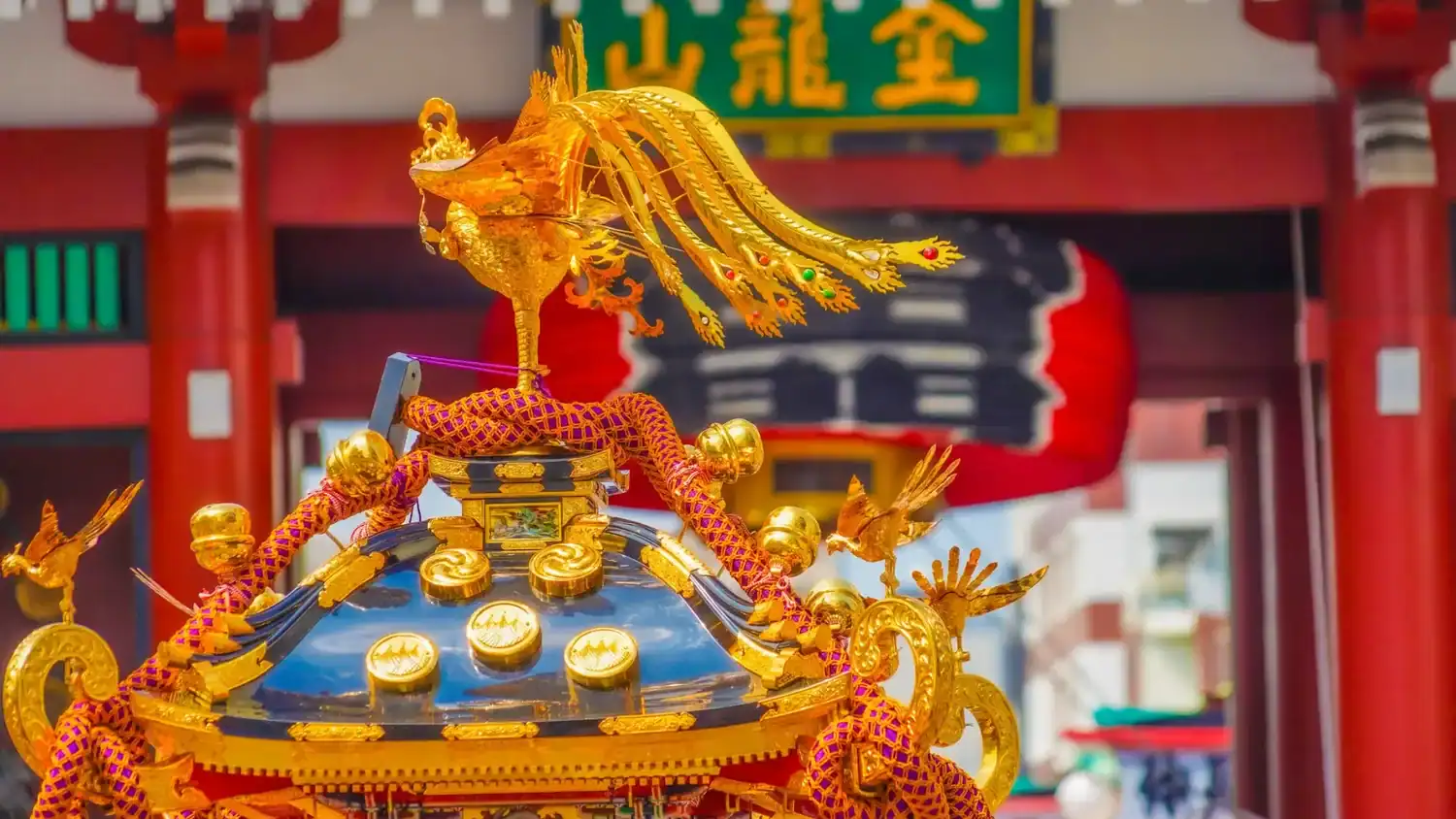
Gion Matsuri in Kyoto
Gion Matsuri began over a thousand years ago to appease gods during a plague. It remains one of the most important festivals in Japan. Its massive floats represent protection and purification. Each one belongs to a neighborhood and follows strict traditions.
Visitors often misunderstand it as a single parade. In reality, it runs for the entire month of July. The famous processions happen on specific days. The quieter rituals matter just as much to locals.
During larger festivals like Gion Matsuri, guided neighborhood walks can add helpful context without interrupting the experience. Small group cultural tours are usually the least intrusive way to do this.
Awa Odori in Tokushima
Awa Odori centers on dance. That matters because movement plays a key role in many traditional festivals in Japan. Dancers perform repetitive steps meant to unite participants and spectators. Anyone can join. That is the point.
You can watch, but participation changes the experience. Even hesitant visitors often get pulled in within minutes.
Nebuta Matsuri in Aomori
Nebuta Matsuri uses giant illuminated floats to tell stories from history and mythology. Photos never capture the scale. The floats move. Drums shake the ground. Chants surround you from all sides.
This festival proves why famous festivals in Japan feel different in person. The physical presence matters more than visuals. For those visiting outside the main festival dates, there are winter events in Aomori that showcase Nebuta craftsmanship and atmosphere in a quieter setting.
Kanda Matsuri in Tokyo
Kanda Matsuri shows how traditional festivals adapt to urban life. It honors prosperity and protection in a modern setting. Unlike Kyoto festivals, it feels louder and faster. Office workers join shrine processions between shifts. Neighborhood pride replaces rural intimacy.
One Tokyo festival completely challenged my expectations. I expected something restrained. Instead, it was energetic and chaotic in the best way.
Walking through areas like Asakusa helped me understand how these traditions fit into everyday Tokyo, especially around historic temples that still anchor the neighborhood, something I noticed more clearly on a small walking tour through Sensoji and its surrounding streets.
Getting around efficiently on crowded days mattered more than I expected, something I break down more in [Is the Tokyo Metro Pass Worth It?], though it also changed how I paid attention to the city itself.
Seasonal Traditional Festivals in Japan
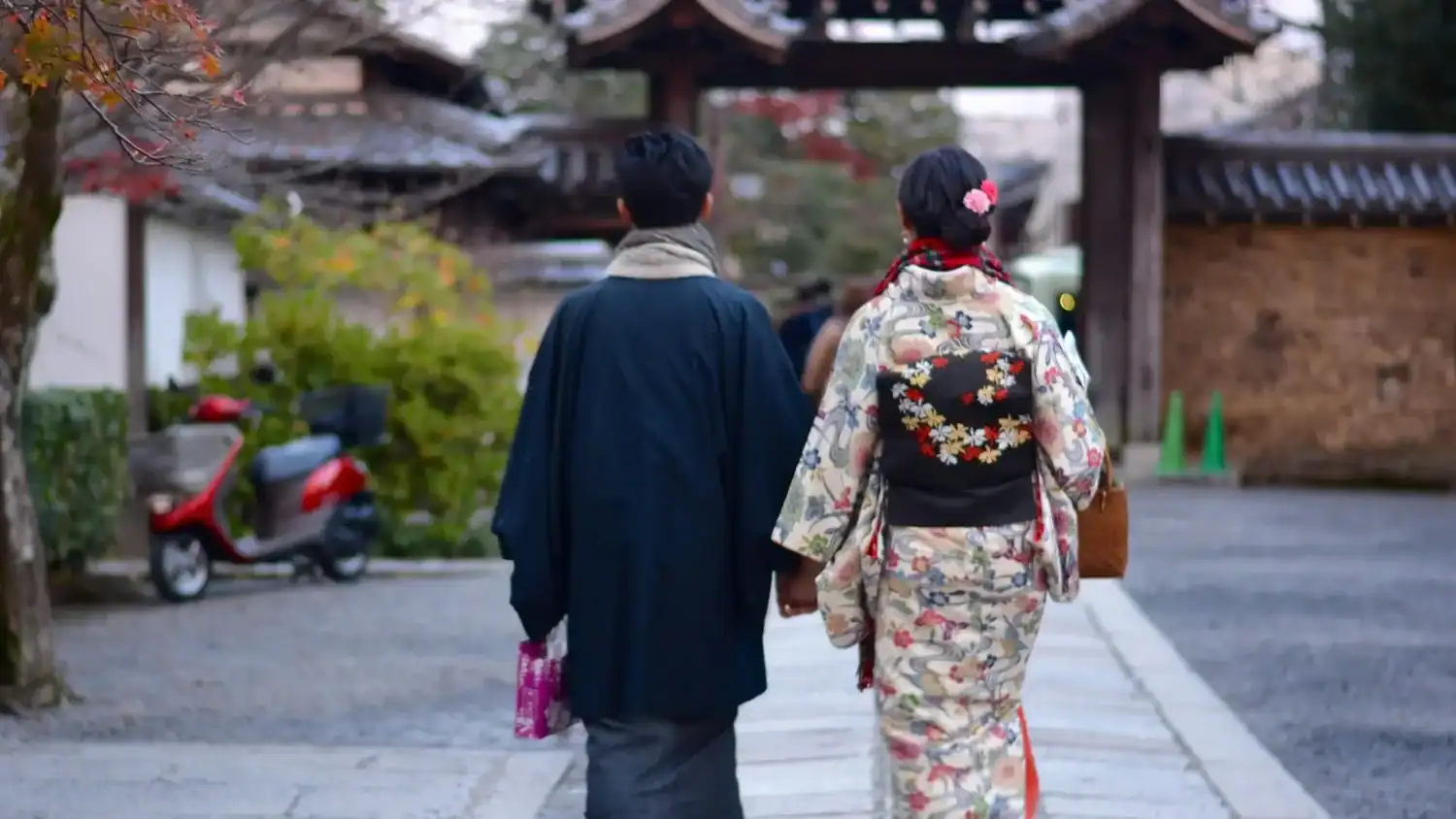
Spring Festivals
Spring festivals focus on renewal, planting, and protection. Shrines pray for good harvests and safe seasons. These differ from cherry blossom viewing. Hanami is social. Spring matsuri are spiritual and communal.
Summer Matsuri
Summer is peak season for traditional festivals in Japan. Heat drives night events. Fireworks, drums, and dances dominate. The energy feels high because participation peaks. School holidays and long days make it easier for entire towns to join.
Autumn Harvest Festivals
Autumn festivals express gratitude. Crops are celebrated. Offerings are made. These are often smaller and more local. You experience them best outside major cities.
Winter Festivals
Winter has fewer festivals, but symbolism runs deep. Snow, purification, and endurance shape the rituals. Cold weather strips events down to their meaning. Participation feels deliberate.
One winter festival surprised me with its quiet intensity. No crowds. No stalls. Just ritual and silence.
Religious Meaning Behind Japanese Festivals
The religious side of Japanese festivals did not register for me right away. At first, it looked overwhelming. Drums, chanting, people shouting directions I could not understand. It took time, and standing still, to realize how intentional everything was.
I noticed it most when the mikoshi came through. The portable shrine was carried close, swaying as people moved together beneath it. Someone explained later that the deity was inside, but no one needed to say it out loud.
The way people adjusted their grip, the way voices shifted as it passed, made it clear this was not symbolic. It was treated as present.
Purification ritual
s felt quieter, almost easy to miss. A quick rinse of hands. Salt scattered without ceremony. Small gestures repeated again and again. Nothing dramatic, just a steady sense of resetting. I realized these festivals were not about removing something bad, but about making space for what comes next.
What surprised me most was how much it mattered to simply be there, even without participating. I stayed at the edge, unsure where to stand, copying what others did.
When people bowed, I bowed. When the street went quiet, I stopped moving. No one acknowledged me, but no one needed to. Being attentive felt like enough.
Locals did not seem bothered by tourists, but they noticed behavior. Cameras lowered when the mood shifted. Conversations softened. I remember laughing with someone just moments before a procession approached, then feeling the sound leave my voice as it passed.
Everyone adjusted without discussion. In that moment, the festival stopped feeling like a celebration and started feeling unmistakably spiritual.
That was when I understood that belief was not being explained to me. It was being practiced. You do not have to know the rituals to respect them. You just have to notice when the atmosphere changes and let yourself follow it.
Are Traditional Festivals in Japan Tourist Friendly?
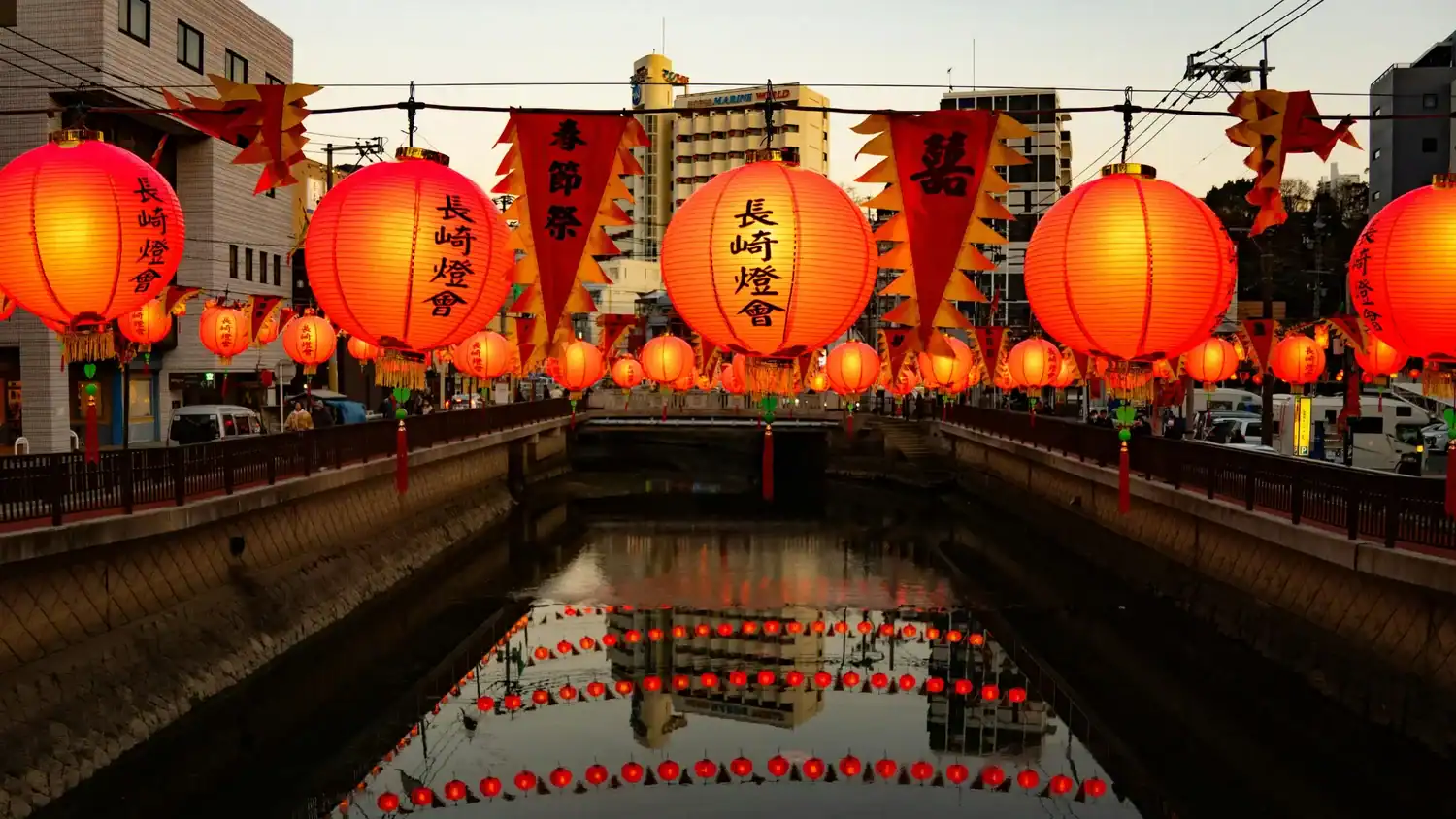
Some festivals actively welcome visitors. Awa Odori encourages participation. Large city festivals expect outsiders. Others require quiet observation. Small shrine festivals prioritize local worship over spectacle.
Language barriers exist, but behavior matters more. Follow the crowd. Watch before acting. Photography etiquette matters. Avoid blocking rituals. Do not photograph prayers up close.
There was a time I felt unsure if I belonged. I learned that stepping back showed more respect than trying to fit in fast.
How to Experience a Traditional Japanese Festival Respectfully
Some festivals welcome visitors openly. Awa Odori encourages participation, and large city festivals are used to outsiders joining the flow. Others feel quieter. Small shrine festivals tend to focus on local worship rather than spectacle, and visitors are expected to observe more than engage.
Language barriers exist, but behavior matters far more than words. Watching first, following the crowd, and moving at the same pace goes a long way. Photography requires care. Lower your camera when others do. Give prayers and rituals space.
There was a moment when I felt unsure if I belonged. I learned that stepping back, rather than trying to blend in quickly, showed more respect than anything else.
Which Traditional Festivals in Japan Are Worth Planning a Trip Around?
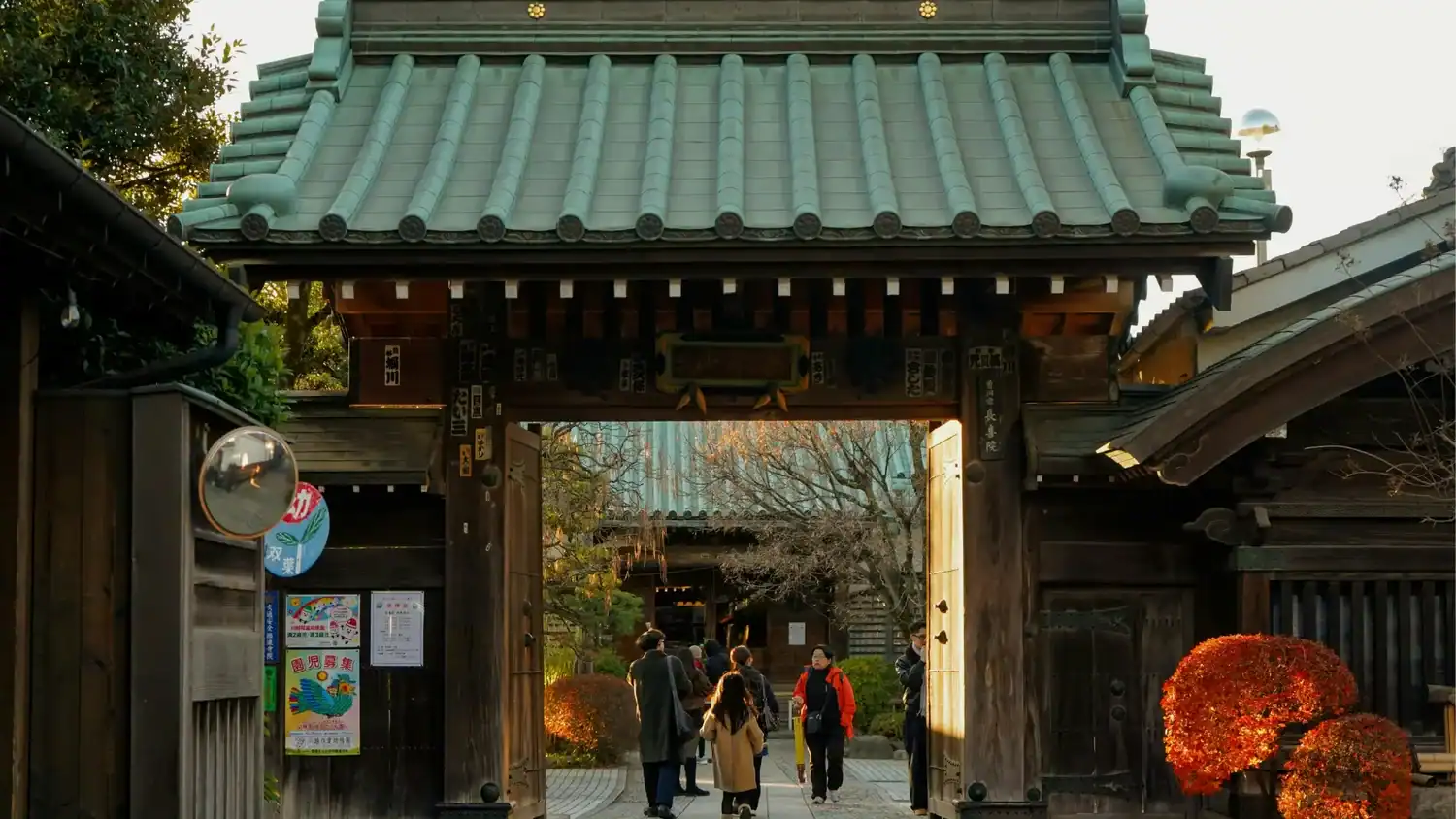
Plan trips around major festivals like Gion Matsuri, Nebuta Matsuri, and Awa Odori. Dates matter. Accommodations sell out early. Smaller festivals work better as bonus experiences. They add depth without controlling your itinerary.
Timing requires trade offs. Fixed dates limit flexibility. Casual discovery offers surprise. I would plan for Nebuta Matsuri again without hesitation. I would not rearrange a trip for a tiny local festival, but I would gladly attend if nearby.
For major festivals, choosing where you stay matters almost as much as when you go. I usually compare availability and neighborhood options on Booking.com and Agoda early, especially for cities like Kyoto and Aomori.
Once I started planning around seasons instead of squeezing everything into a checklist, my trips felt noticeably calmer. That shift shaped how I structured my time in major cities, especially Tokyo, which I explain more in [The 2 Day Tokyo Itinerary You Won’t Feel Rushed].
You can use my discount code in Agoda GLADISAGODA for 5% discount for your stays
How Traditional Festivals Can Change How You See Japan
Traditional festivals in Japan have a way of slowing you down and pulling you into everyday life. Instead of focusing on places, you start watching people.
You notice how neighbors work together, who takes charge without being asked, who supports from the sidelines, and who simply shows up because they always have.
They add a different kind of depth to both first trips and return visits. A small shrine festival, even one you stumble upon by accident, can reveal local values more clearly than a museum ever could.
Nothing is labeled or explained. You understand by observing, by standing still, by being present.
If you let them, these festivals can gently change how you travel. They encourage you to think in seasons, to pay attention to timing, and to move with the rhythm of daily life rather than against it.
Festival food was often my first introduction to those rhythms. What started as snacks from temporary stalls slowly turned into a broader curiosity about everyday meals across Japan, something I explored more intentionally over time in [22 Japanese Foods to Try in Japan and Where to Find Them] It was another reminder that culture is rarely confined to one moment or place.
Each festival offers a quiet invitation into how Japan lives when it is not performing for visitors, but simply being itself.
If You’re Planning a Trip to Japan
- I Tried the Best Sushi Making Class in Tokyo
- The Best eSIM for Japan That Actually Worked for Me
- 10 Best Day Trips from Tokyo (That Are Actually Worth It)
- Is the Tokyo Metro Pass Worth It?
- 15 Best Kawaguchiko Hotels with Mt. Fuji Views
- 14 Of The Best Cooking Classes In Tokyo For Tourists
- 14 Cooking Classes in Kyoto You’ll Love
- 10 Fun and Authentic Cooking Classes in Osaka
- 15 Non-Touristy Things to Do in Kyoto for an Authentic Experience
- Do I Need Travel Insurance for Japan?
- The 2 Day Tokyo Itinerary You Won’t Feel Rushed
- Japan Road Trip Itinerary: Epic 8-Day Route Guide
- Simple Japanese Phrases for Travelers I Actually Used
- How to Plan the Perfect Mt. Fuji Itinerary
- 2 Day Kyoto Itinerary That Will Make You Fall in Love With Japan
- Best and Worst Time to Visit Japan: First-Timer’s Guide
- 22 Japanese Foods to Try in Japan and Where to Find Them
- Restaurant Etiquette in Japan for Your Next Trip
- Best Street Food in Tokyo and Where To Find It?
