How to Rent a Car in Japan as a Tourist (From Someone Who’s Done It)

We debated for a full week whether renting a car in Japan was a terrible idea or the smartest decision we’d make on our first trip, especially while figuring out how to rent a car in Japan as first time visitors.
For our 8 day itinerary, we mapped everything out, priced individual Shinkansen tickets, and went back and forth constantly. In the end, the numbers and the logistics led us toward renting a car. We were glad we did.
If you are planning your first trip and researching how to rent a car in Japan, you might be wondering if driving will simplify things or just add stress. We had the same concerns. For our route, renting a car was cheaper than multiple bullet trains and gave us access to places that would have been frustrating by public transportation alone.
We were still anxious about the details. Getting the correct international driving permit or license translation, adjusting to left hand driving, and understanding traffic rules all felt overwhelming at first.
This guide breaks down exactly what we learned about how to rent a car in Japan as a tourist. It covers the required paperwork, navigation tools like map codes, parking realities, and the common mistakes that cause the most stress.
This post contains affiliate links. If you book through them, I may earn a small commission—at no extra cost to you. I appreciate your support! Read our full disclosure.

Can Tourists Rent a Car in Japan? (Requirements Checklist)
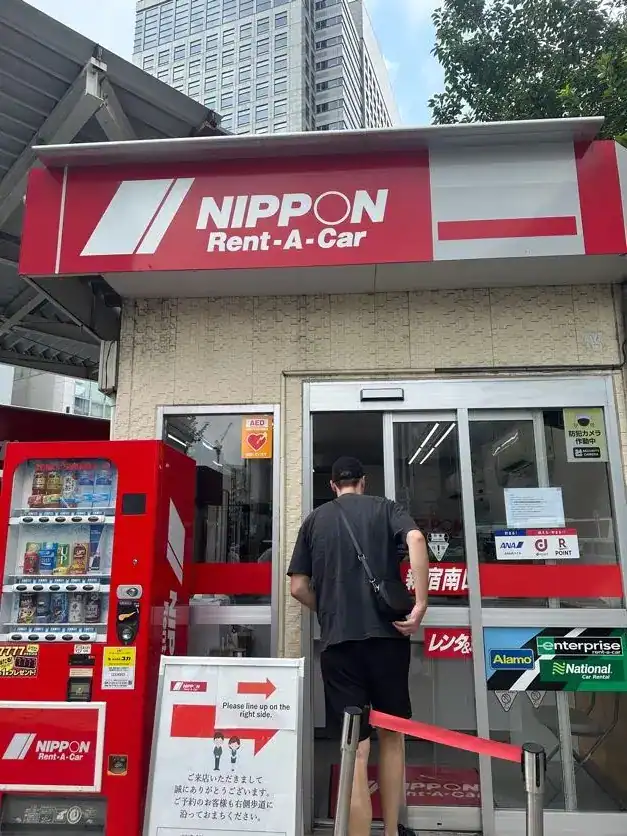
Yes. Tourists can rent a car in Japan. The rules are strict and enforced. If you miss one item, the rental counter will refuse the booking.
What You Need to Rent a Car in Japan as a Tourist
You must bring all of the following. NO exceptions.
• A valid driver’s license from your home country.
• Either an International Driving Permit or an official Japanese license translation.
• A passport.
• A credit card in the driver’s name.
• You must be at least 18 years old.
International Driving Permit vs. Japanese Translation
If your license is from the US, Canada, Australia, New Zealand, or most European countries, you need an International Driving Permit issued under the 1949 Geneva Convention.
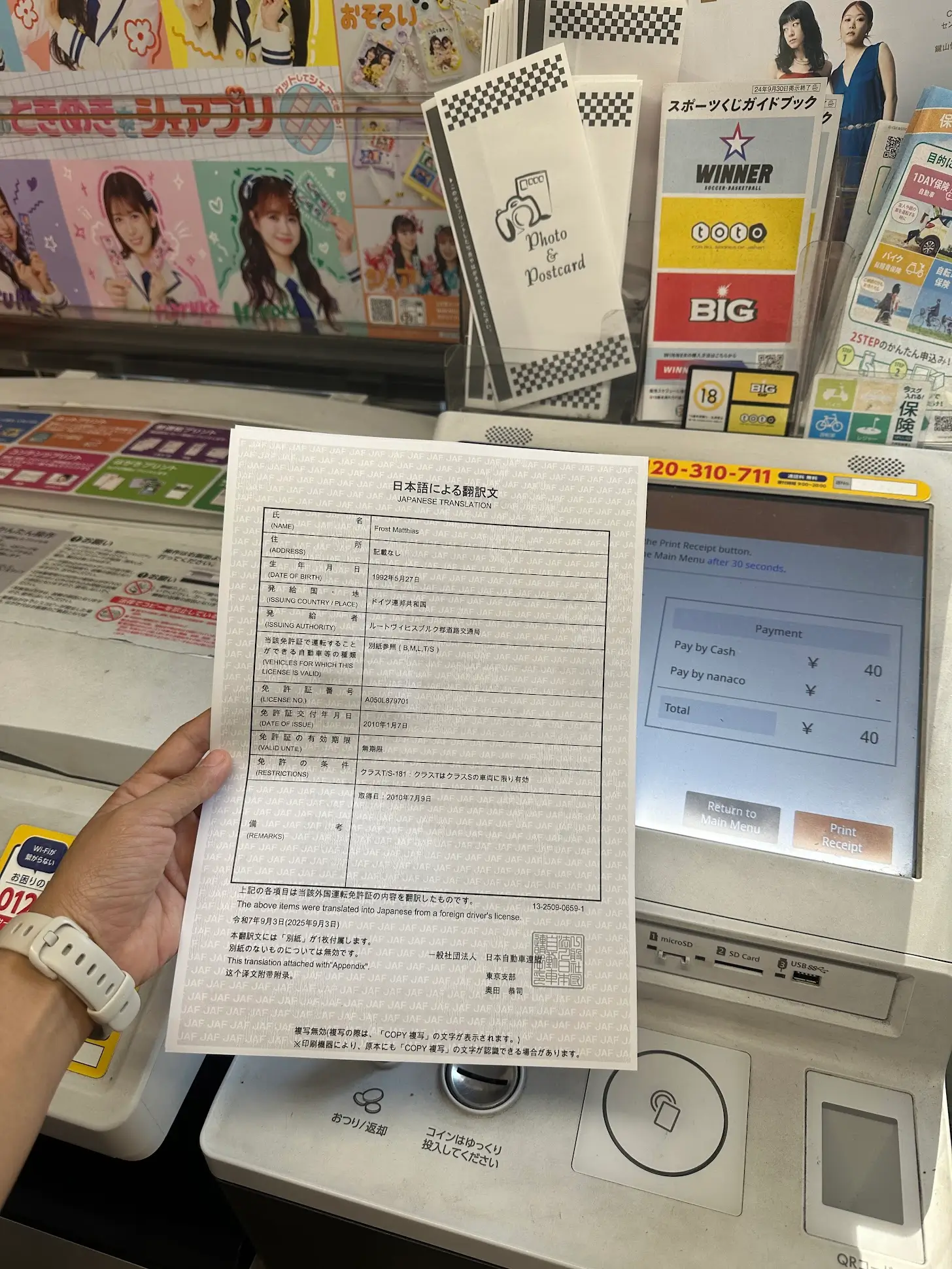
If your license is from Switzerland, Germany, France, Belgium, or Taiwan, an IDP will not work. You need an official Japanese license translation instead. The Japan Automobile Federation provides these translations.
Rental staff will check the convention year carefully. An IDP issued under the 1968 convention is not accepted. Some rental companies also charge a young driver fee if you are under 25. This depends on the company. All documents must be original and valid. Digital copies are not accepted.
Our Experience
We obtained our International Driving Permit from our local automobile association before the trip. The process took about 20 minutes and cost very little. Without it, the rental company would have refused to release the car.
We watched other tourists argue at the counter after assuming their home license was enough. It is not. Prepare this in advance. Rental staff will not bend the rules.
Before You Drive: What Tourists Need to Know About Driving in Japan
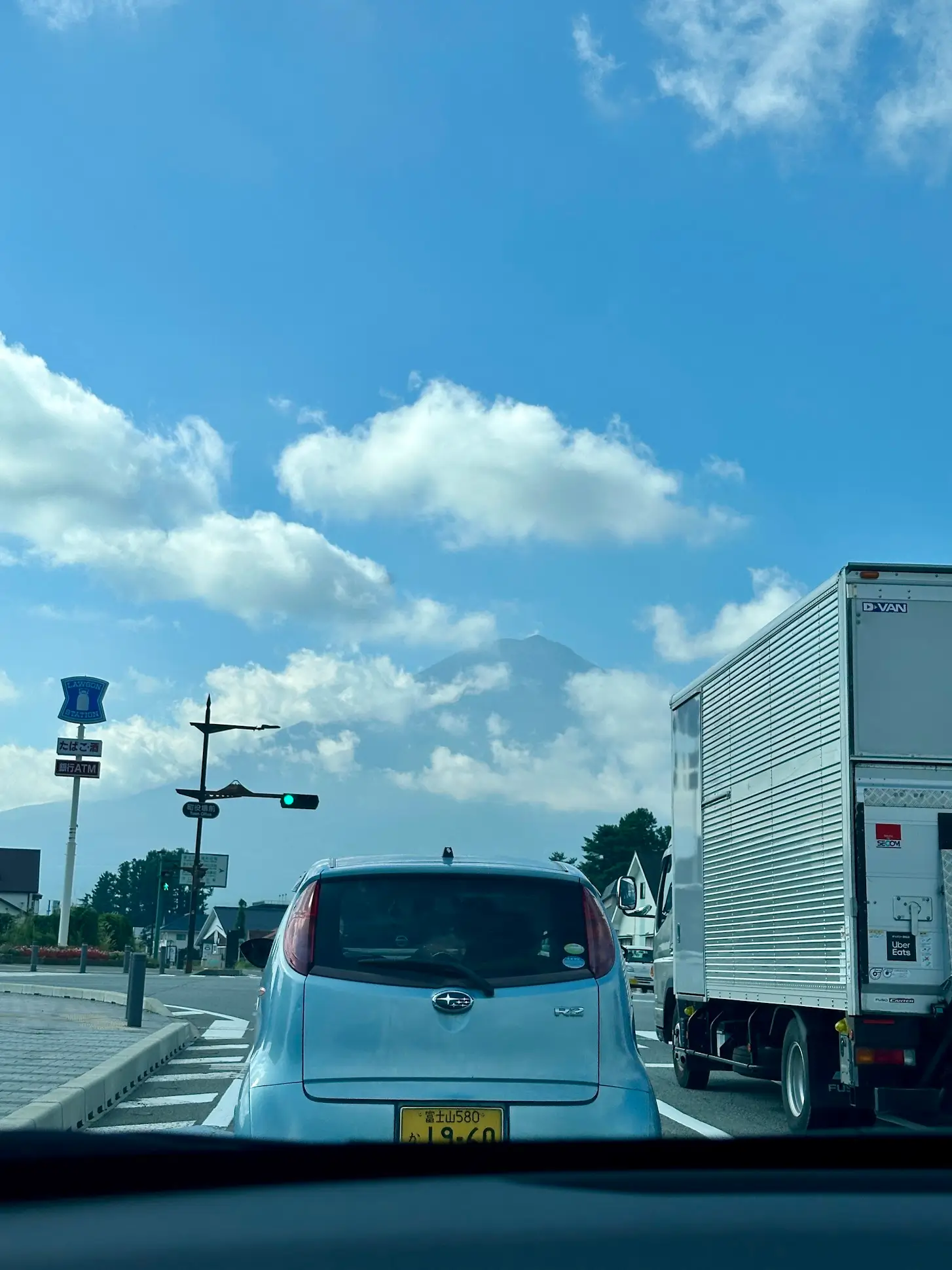
Left-Hand Driving in Japan (What It’s Actually Like)
Left-hand driving is honestly nerve-racking at first. Anyone who says otherwise is lying. The first five to ten minutes feel slow and tense. Every turn takes effort. Your muscle memory fights you at every intersection.
One adjustment helped immediately. Always line up behind another car at lights and turns. It keeps you in the correct lane without thinking.
After about an hour, it started to feel normal. By day two, it felt automatic. Japanese roads are orderly, signage is clear, and drivers are predictable. That lowers stress quickly.
Road Signs, Driving Codes, and Speed Rules
Most major road signs include English. Rural areas rely more on symbols. Speed limits are conservative. Highways often have speed limits of 80 to 100 km per hour. City roads can be as low as 30 to 40.
Enforcement feels strict but calm. Cameras and police focus on consistency, not intimidation.
Important Note: You have to come to a complete stop at stop signs. Even a slow roll does not count. They take this seriously.
Navigation in Japan: Google Maps vs. Map Codes
Google Maps works well in Japan. It handles highways, toll roads, and traffic accurately. The caveat is addressed. Japanese addresses do not always translate cleanly.
Map codes solve this. A map code is a numeric location code used by car navigation systems. Many attractions, parking lots, and hotels list their map code online.
We used Google Maps most of the time. We switched to map codes when driving to rural spots or parking areas. Codes were faster and more reliable in those cases. Navigation felt manageable once we understood this.
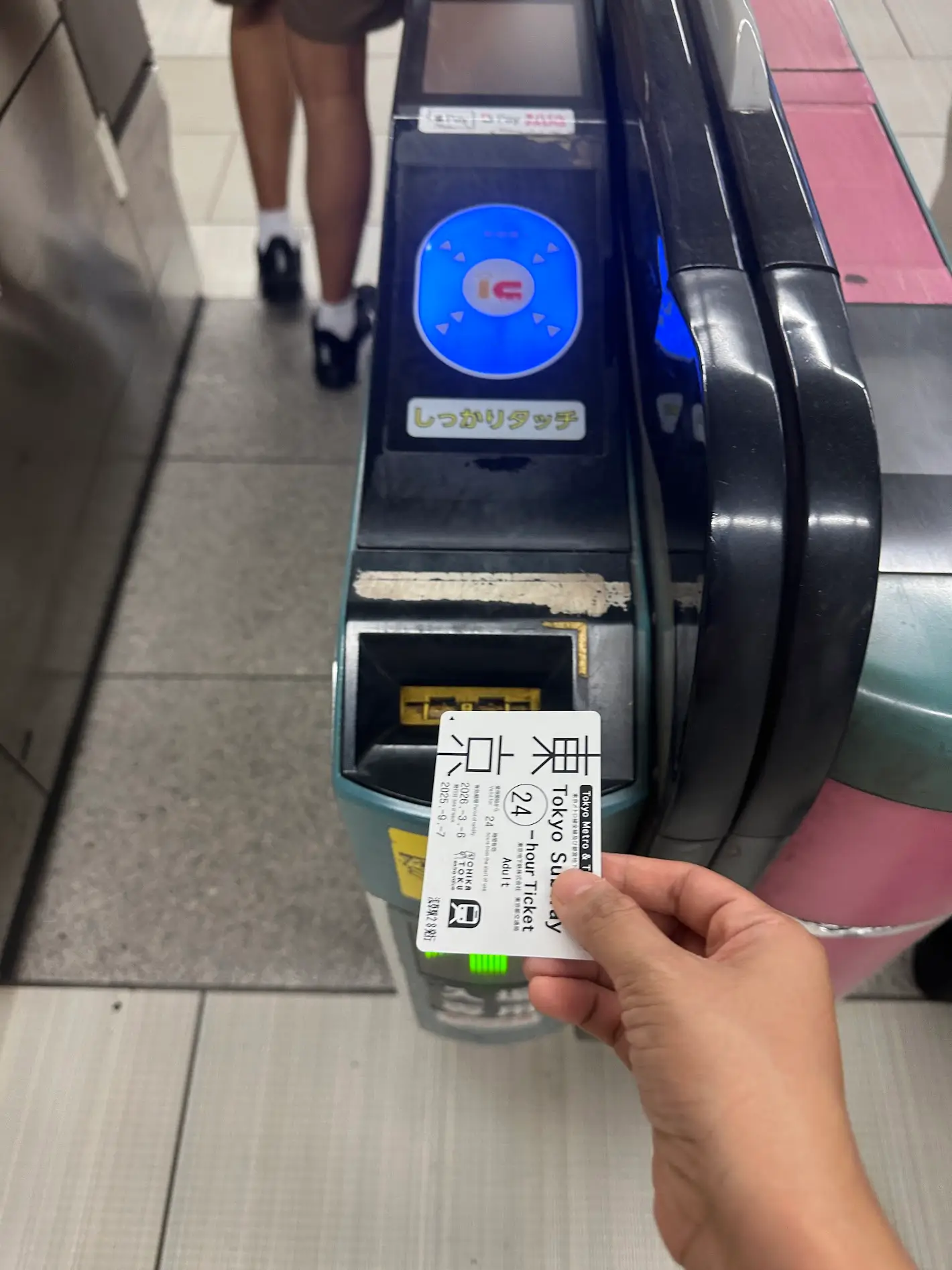
If you’re mostly staying in Tokyo, a car will slow you down. This is why I still relied heavily on trains and passes during our city days, and why I broke down whether the Tokyo Metro Pass is worth it separately.
Step by Step: How to Rent a Car in Japan as a Tourist
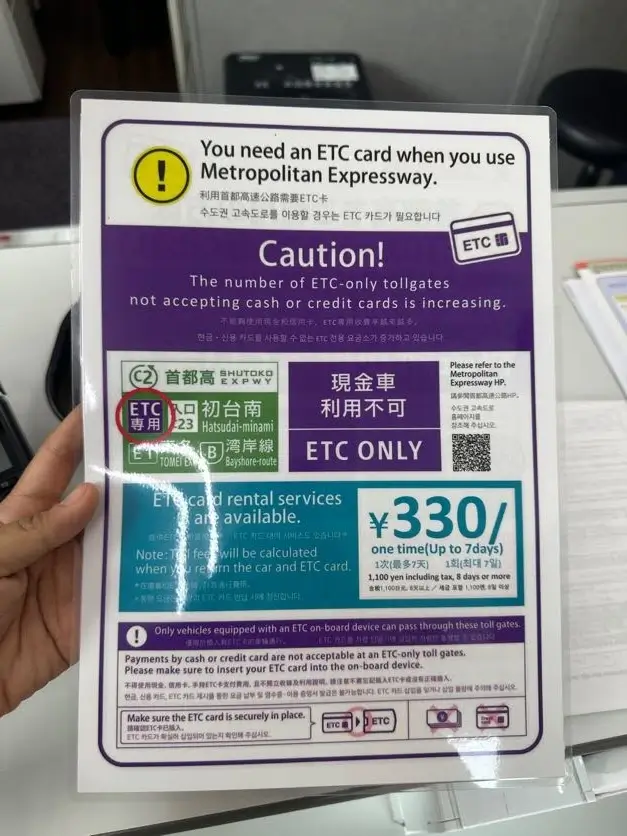
Step 1: Decide If Renting a Car Is Worth It for Your Trip
Renting a car makes sense if you plan to visit rural areas, coastal routes, or multiple regions outside major cities. It also helps if you travel with luggage or want full schedule control.
It usually does not make sense if you are staying only in Tokyo, Osaka, or Kyoto. Trains are hard to beat there. For our route, we were moving between areas with limited train connections, and having a car saved us both time and money.
Step 2: Booking the Car (What Tourists Should Look For)
Use English-friendly platforms. We booked through Discover Cars and compared multiple agencies. It simplified insurance and terms.
Choose pickup locations carefully. Airports and major train stations are easiest. Smaller city offices can close early.
Pro Tip: Prioritized automatic transmission, clear insurance terms, and unlimited mileage. We ignored brand loyalty and car size upgrades.
Automatic vs. Manual Transmissions
Manual cars are common in Japan. Automatics exist but cost more.
We chose an automatic. The extra cost felt worth it with left-hand driving. Fewer things to think about made the drive calmer.
Step 3: Picking Up the Car (What They Actually Check)
At pickup, they checked everything.
• International Driving Permit
• Home country license
• Passport
• Credit card
• Insurance selection
Pickup took about 20 minutes. Staff explained the car features and toll card slot.
One surprise was how thorough the inspection was. They photographed the car before and after. This protects both sides.
Step 4: Insurance Options (What Tourists Should Get)
Basic insurance is required, but it usually comes with a high deductible. That means even a small mistake can still cost you a lot.
You can add optional coverage to lower or remove that risk. If you are visiting Japan, full coverage just makes life easier. It takes away the stress if you scrape a bumper or misjudge a tight parking spot.
We went with full coverage, and it was worth every extra yen for the peace of mind.
You should also think about travel insurance if you plan to drive. Once you are on the road, coverage matters more for medical care, accidents, and rental car issues. I explained whether travel insurance is worth it if you want to dig deeper.
How Much Does It Cost to Rent a Car in Japan?
So how much does it actually cost to rent a car in Japan as a tourist? Honestly, it is usually less scary than people expect.
We booked through Discover Cars because it made comparing prices easy and showed the real total before checkout.
What Prices Usually Look Like
Most Japan car rental prices fall into a pretty clear range.
- Small or compact cars usually run around 6,000 to 10,000 JPY per day (about 40 to 67 USD).
- Compact SUVs are closer to 8,000 to 14,000 JPY per day (about 53 to 93 USD).
- Bigger cars and vans cost more, especially during busy seasons.
That is just the base price. A few things can push it up or down.
What Affects the Cost?
- Automatic cars cost more than manual ones, and they sell out fast. Most tourists need automatic.
- Season matters. Spring and autumn are the most expensive times.
- Pick-up location matters too. Airports and central cities usually cost more.
- Longer rentals often lower the daily rate.
Extra Costs to Plan For
The daily rate is not the full picture.
- Insurance adds to the cost, especially if you choose full coverage, which we recommend.
- Tolls are not cheap on expressways, so budget for them.
- Gas is reasonable, but you return the car full.
- Parking is rarely free in cities, and some hotels charge for it.
What We Actually Paid
In our case, renting a car in Japan worked out cheaper than individual Shinkansen tickets for our route.
We rented a compact SUV, a Toyota Raize, for five days and paid exactly 48,884 JPY (about 325 USD) for the rental. That breaks down to just under 9,800 JPY per day (around 65 USD).
We also had a refundable security deposit of 98,884 JPY blocked on the credit card at pickup. That money was released after the trip with no issues.
Once we compared this to the cost of multiple bullet train tickets plus local transport, renting a car made more sense for us. We saved money and had way more flexibility along the way.
Check the cheapest price for the car that suits you using these platforms:
Gas Stations in Japan (Easier Than You Expect)
Gas stations come in full service and self-service. Full-service attendants handle everything. They often guide tourists with gestures and simple English.
Payment methods include cash and credit cards. Most accept cards.
Our first refuel felt intimidating. An attendant stepped in immediately and did it for us. After that, it felt routine.
Parking in Japan as a Tourist
Paid parking is the norm. Free parking exists in rural areas and at some attractions.
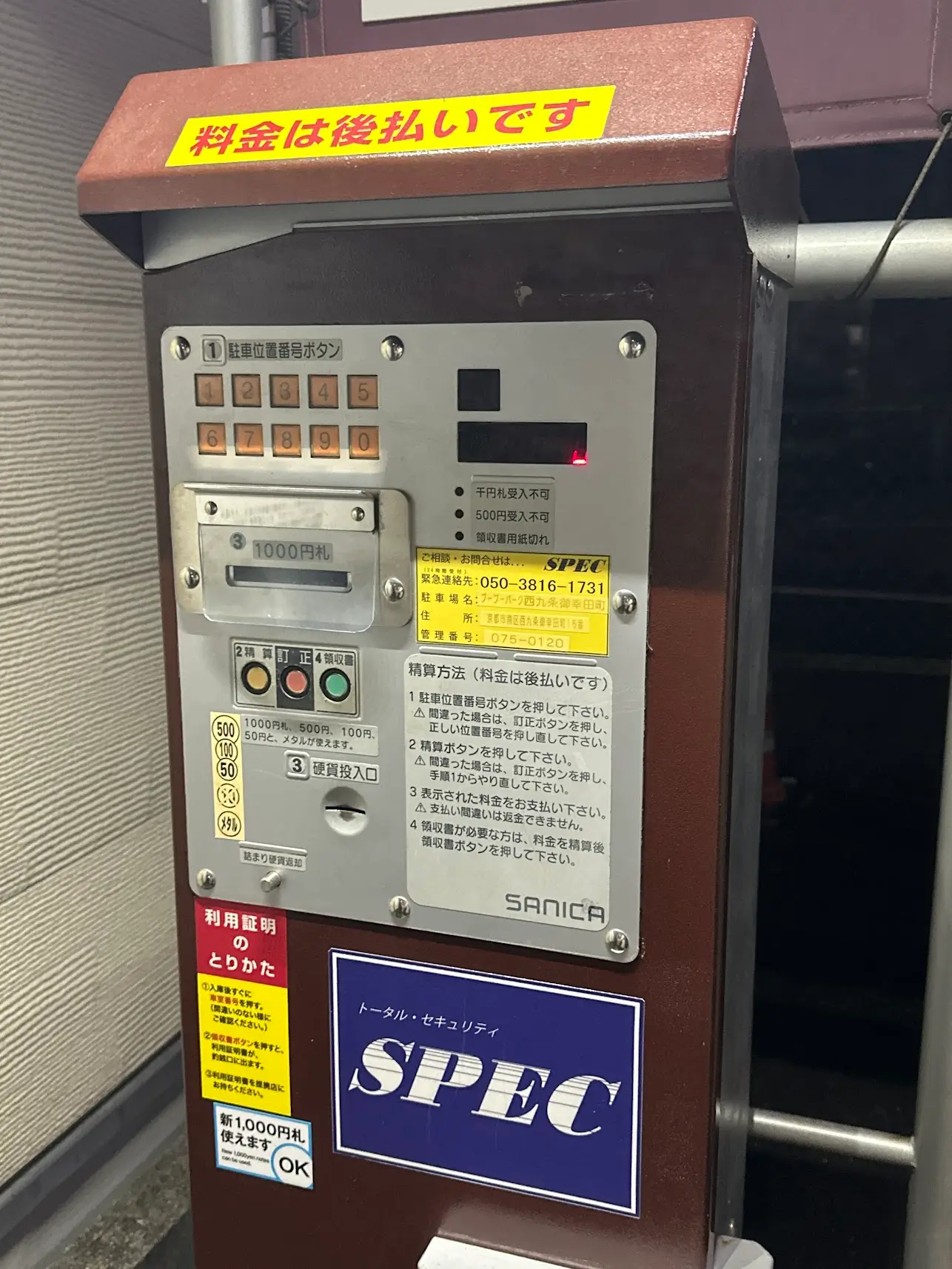
Parking machines look confusing but follow a pattern. You park, note your space number, and pay at a machine before leaving.
Urban parking costs more and fills fast. Rural parking is cheaper and easier.
Our first parking experience took five minutes of staring at the machine. It worked fine.
One tip. Take a photo of your space number. It saves time later.
Weather, Seasons, and Driving Conditions in Japan
Weather matters. Snow regions require winter tires. Some rentals include them automatically in winter. Heavy rain and fog appear in mountainous areas. Visibility drops fast.
We drove in mild conditions. Weather did not affect our trip much, but we avoided night driving in rural mountains.
This was the same trip where I realized how much prep matters in Japan. I break down everything I would pack and what I would skip in this Japan packing list, especially the small things people forget.
Common Tourist Mistakes When Renting a Car in Japan
• Getting the wrong International Driving Permit. Only the 1949 convention is accepted.
• Forgetting left-hand driving at turns. This feels awkward at first, but it fades quickly.
• Underestimating highway toll costs. They add up faster than expected.
• Assuming all cars are automatic. Many rentals are manual unless you choose carefully.
• Ignoring weather conditions in mountain regions, especially rain, fog, or sudden temperature drops.
We would absolutely rent a car again for routes outside major cities. The freedom to stop when we wanted and reach places trains do not made the trip better.
We would budget more intentionally for tolls and parking. The costs were manageable, but planning for them upfront would have removed a few small surprises.
If this is your first time driving in Japan, it is normal to feel nervous. We felt the same way. Japanese roads are well organized, signage is clear, and drivers are predictable. Once you get through the first hour, it becomes much easier. Preparation removes most of the stress.
Is Renting a Car in Japan Worth It for Tourists?
This really comes down to how you plan to travel.
Rent a car if you want flexibility, plan to visit rural areas or smaller towns, or are moving between regions where trains are limited. It also makes sense if you are traveling with luggage or comparing costs against multiple long distance train rides.
Skip the car if your trip stays mostly in Tokyo, Osaka, or Kyoto. Public transportation in these cities is fast, cheap, and easier than driving.
For us, renting a car was worth it. It gave us freedom to move at our own pace, ended up cheaper for our route, and made the trip feel less rushed once we got comfortable behind the wheel.
If you want to see how we planned our driving route and stops, you can check our Japan road trip itinerary here.
Planning Japan Without the Guesswork
• Japan Road Trip Itinerary: Epic 8-Day Route Guide
• Best and Worst Time to Visit Japan: First-Timer’s Guide
• Do I Need Travel Insurance for Japan?
• How to Plan the Perfect Mt. Fuji Itinerary
• Best Kawaguchiko Hotels with Mt. Fuji Views
• Japan Packing List: What I’d Pack Again (and What I Wouldn’t)
• Simple Japanese Phrases for Travelers I Actually Used
• 10 Best Day Trips from Tokyo (That Are Actually Worth It)
• Is the Tokyo Metro Pass Worth It?
• 15 Best Things to Do in Tokyo That Are Actually Worth It