9 Volunteer Opportunities in Japan for Travelers Who Want Local Life

My first experience living with locals in Japan was through a student exchange in Aomori.
I lived with a local family, helped harvest apples, made mochi, and shared daily meals and quiet moments despite the language barrier. We didn’t need much English — daily life did the talking.
Since then, I’ve volunteered in five different countries and it’s shaped how I travel more than anything else.
Volunteer opportunities — especially work exchanges — are one of the few ways travelers actually step into daily life: shared spaces, repeated routines, and becoming part of a place rather than passing through it.
If you’re looking for volunteer opportunities in Japan that prioritize cultural exchange over short-term charity, this is for you.
You’ll find experiences like helping run a small guesthouse in Tokyo, living in a traditional home in Kyoto, or farming near Mount Fuji. All rooted in living alongside people who actually call Japan home.
This post contains affiliate links. If you book through them, I may earn a small commission—at no extra cost to you. I appreciate your support! Read our full disclosure.
Get 10 dollars off your first Worldpackers experience. Use code GLADIS when you sign up.
What Living Locally in Japan Really Means
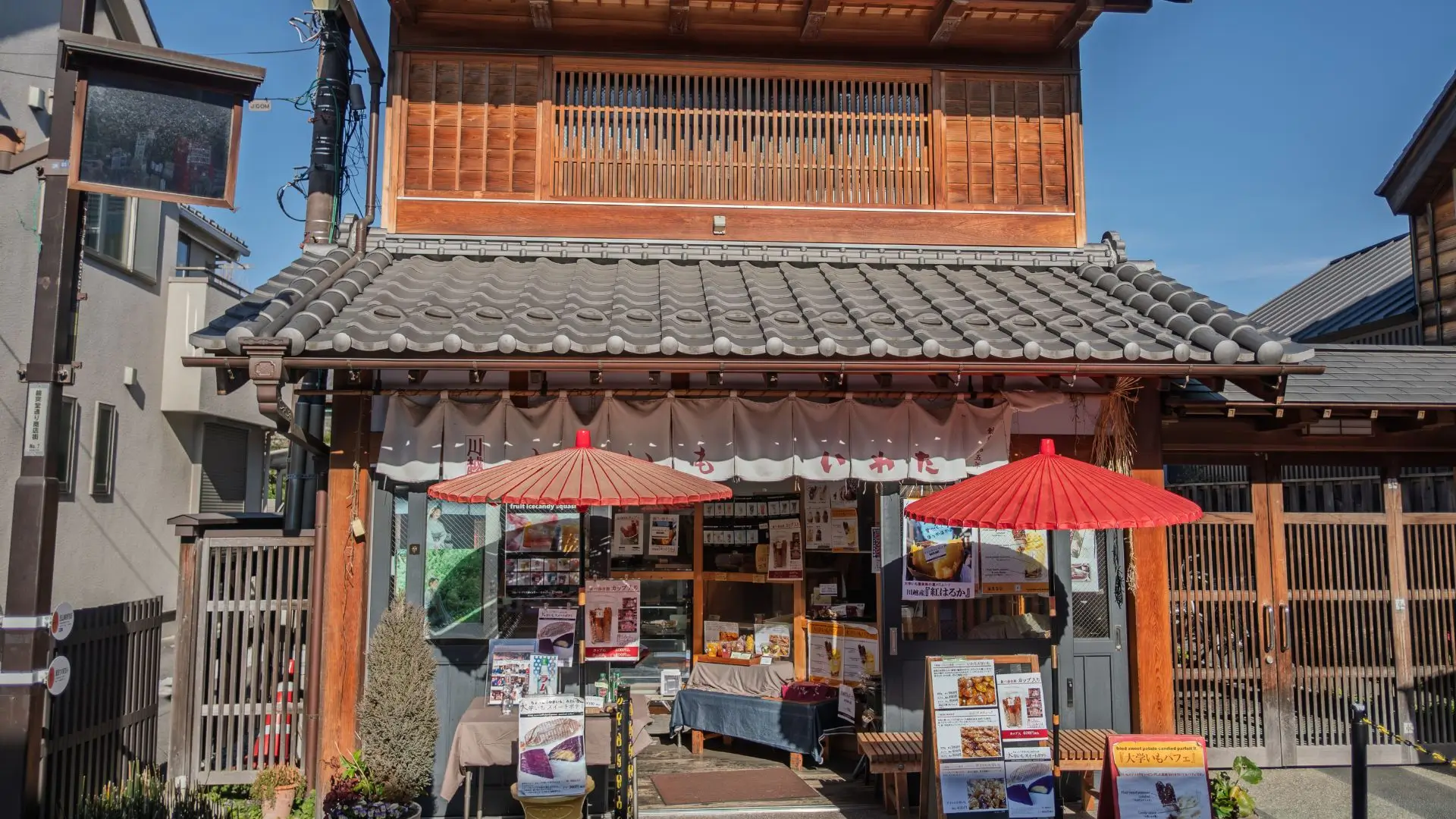
Living locally in Japan is not about doing more. It is about staying put long enough for daily life to repeat.
You live where you work. Often in the same building or on the same land. There is no commute buffer between your role and your private life.
You wake up in the place you contribute to. This changes how responsible you feel. You notice small things like noise, timing, and shared spaces because you are part of them.
Shared meals and routines matter more than activities. Cooking rice. Washing dishes together. Opening a guesthouse at the same hour every morning. These moments build familiarity faster than sightseeing. You learn how people actually live, not how they present their culture to visitors.
Most of these experiences happen in smaller towns, residential neighborhoods, or tight communities. You might still be in a major city, but not in tourist zones. Grocery stores are local. Neighbors recognize you. The pace feels human.
Cultural learning comes from repetition. You take out the trash the right way because you do it every day. You learn politeness through timing and tone, not explanations. You start to understand rules that are never written down.
This looks very different from volunteering abroad in many other countries. In Japan, hosts rarely want big emotional displays or constant enthusiasm. They value consistency, reliability, and awareness of others. Being useful quietly matters more than being visible.
When done well, volunteer opportunities in Japan feel less like volunteering and more like temporarily stepping into someone else’s normal life.
If you are wondering how stays like this are possible, the How to Travel the World for Free by Volunteering Abroad guide explains how travelers use volunteering to travel long term without paying for accommodation.
1. Live in Tokyo While Running a Local Guesthouse
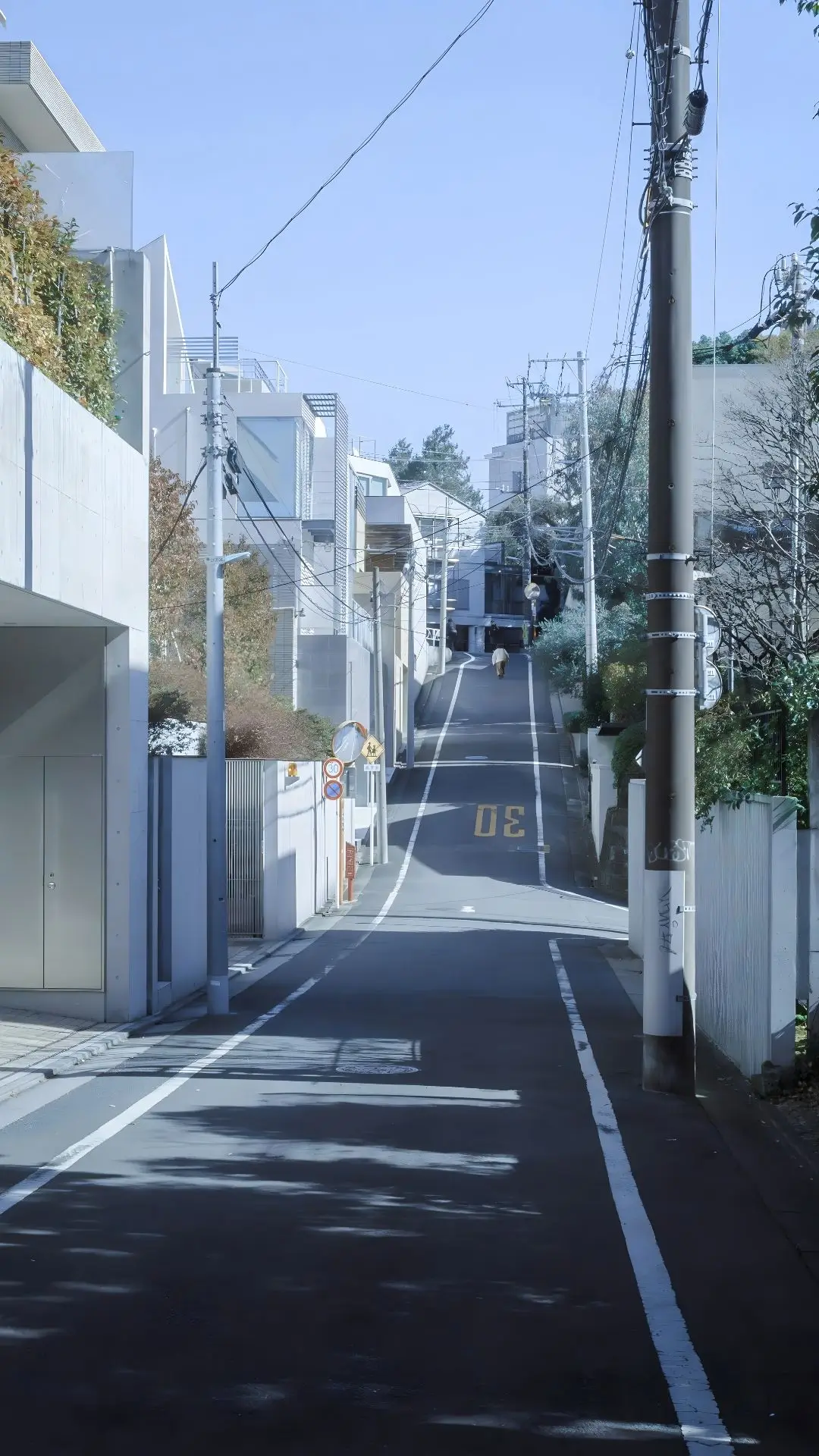
This work exchange places you inside a small guesthouse in a residential part of Tokyo. Your tasks usually include cleaning rooms, preparing common areas, assisting with guest check ins, and helping keep daily operations running smoothly. In return, you live on site, which removes accommodation costs and places you directly inside a local neighborhood.
Reviews consistently mention how different this feels from staying in central Tokyo. Streets are quiet. Shops are neighborhood based. Mornings follow a rhythm. You open the space, tidy shared areas, greet guests, and repeat the same flow each day. Guest interaction is regular but calm, and many volunteers describe learning as much from observing daily city habits as from conversations.
What stands out is seeing how everyday life functions in a dense city. Trash schedules, shared walls, commuter timing, and unspoken rules become part of your routine. You are not moving between attractions. You are staying in one place long enough for patterns to form.
WHO THIS IS BEST FOR
This is best for first time work exchangers, solo travelers, and anyone who enjoys cities but wants structure, predictability, and a realistic view of Tokyo life.
WHAT YOU WILL APPRECIATE MOST
A steady schedule, clear communication with your host, and references that support future volunteer opportunities in Japan.
2. Stay in a Traditional Kyoto Home and Experience Daily Japanese Life

This work exchange places you inside a real household in Kyoto, not a guesthouse or hostel. Your tasks often include helping with light chores, organizing shared spaces, preparing simple meals, and supporting everyday routines alongside your hosts. You live under the same roof, which gives you insight into how a local family manages their day from morning to night.
Reviews highlight the depth of immersion. You follow household etiquette and seasonal rhythms like tatami care, meal preparation, and trash routines. Hosts often involve you in daily life with shared meals and conversations. You learn cultural norms the way locals live them, not how they are explained in a guidebook. There are no crowds or tourist pressure, just authentic day-to-day life.
WHO THIS IS BEST FOR
This is best for culture-focused travelers who want meaningful exposure to Japanese routines and values.
WHAT YOU WILL APPRECIATE MOST
Hands-on learning of Japanese etiquette, shared family meals, quiet neighborhood walks, and steady, grounded routines.
3. Spend a Summer in the Mountains Helping at a Niseko Lodge
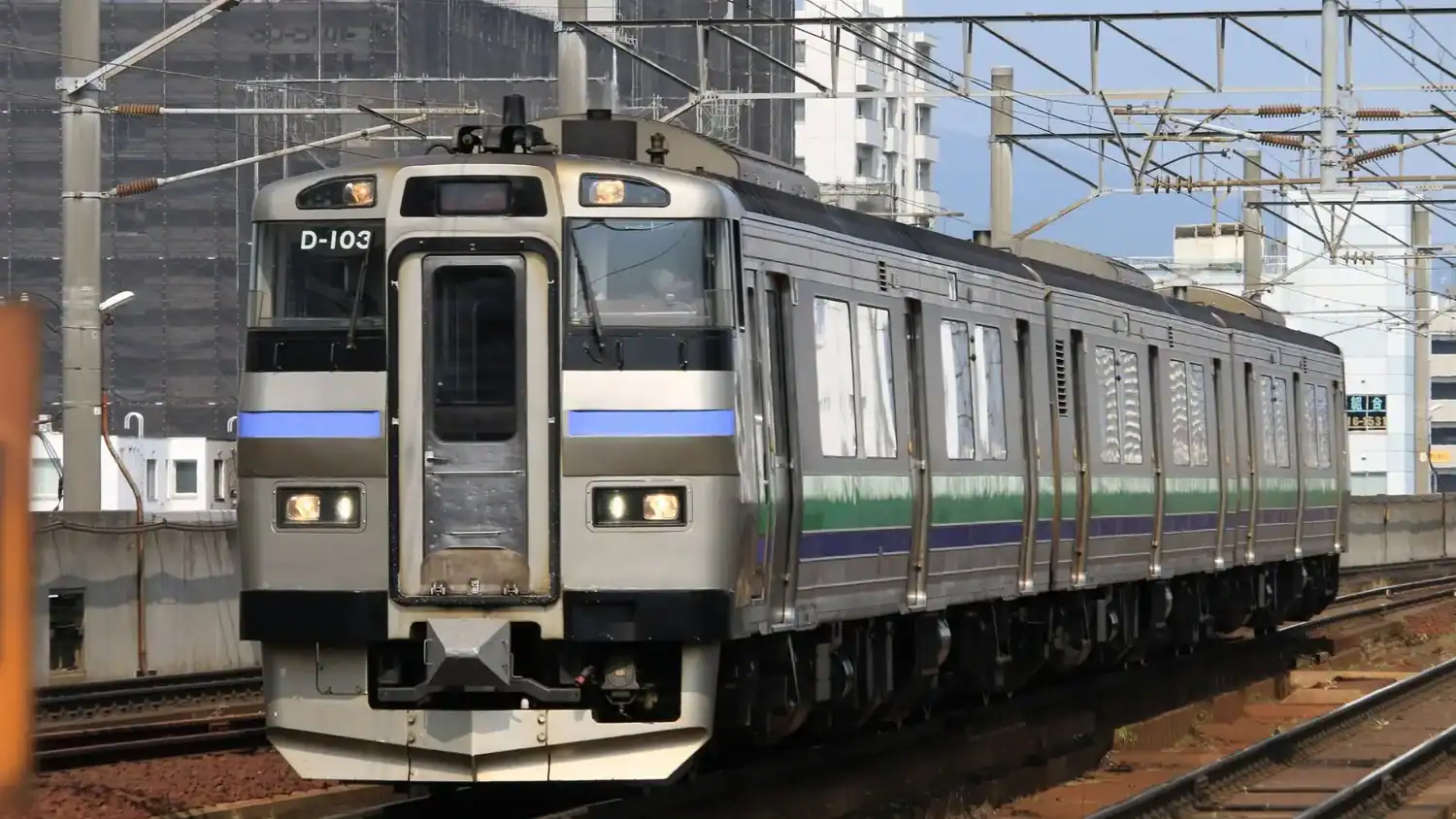
This work exchange is based at a small lodge in the mountains of Niseko. Tasks usually include cleaning rooms, helping with guests, preparing shared spaces, and supporting daily lodge operations. You live on site, which makes work and downtime part of the same rhythm.
Reviews describe a strong sense of shared team life. Days follow the season. Weather shapes schedules. Mornings start early. Afternoons slow down. Evenings often include shared meals or quiet rest. Volunteers mention forming close bonds with other staff because you live, work, and rest in the same place.
Nature plays a constant role. Trails, forests, and open skies surround the lodge. You are not sightseeing between shifts. You are immersed in the environment. Small community living means familiar faces, predictable routines, and fewer distractions.
WHO THIS IS BEST FOR
Nature lovers who enjoy structure, teamwork, and letting the landscape shape their days.
WHAT YOU WILL APPRECIATE MOST
A direct access to the mountains, shared meals, regular time outdoors, and a noticeable shift away from city life.
4. Teach English Through Games at a Small-Town Kids Camp in Nara
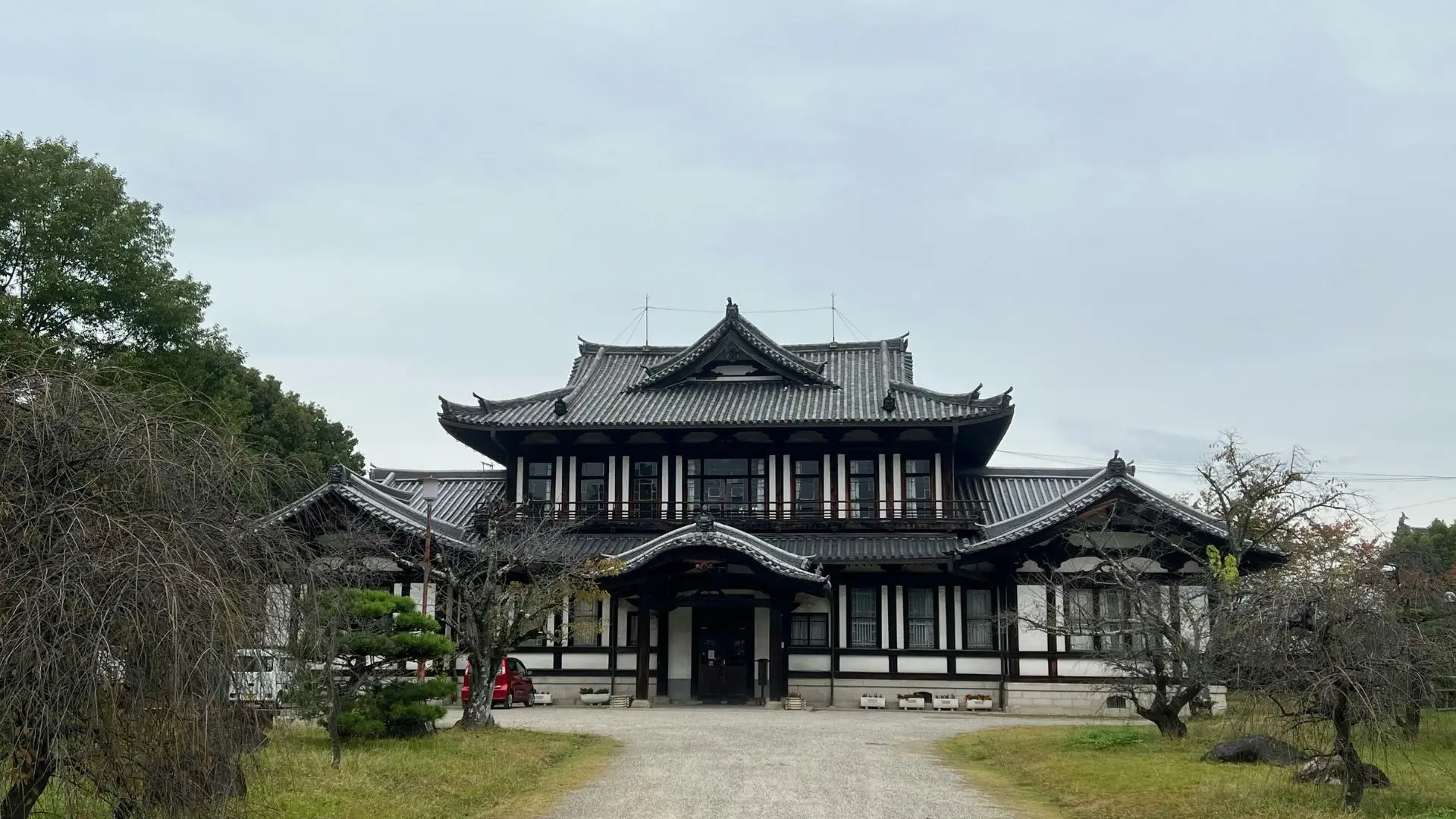
This work exchange is based at a small kids camp near Nara. Your main task is supporting informal English learning through games, songs, and simple activities. You stay locally, often with host families or close to the camp, which places you inside a quiet town rather than a tourist area.
Reviews describe days built around play. English is introduced through movement, storytelling, and group games instead of lessons. Volunteers talk about shared meals, walking to nearby shops, and being invited into community events. Many mention how quickly they felt recognized and trusted. You are not treated as a short term helper. You are welcomed as part of the daily flow.
Life here feels personal. Children remember your name. Neighbors greet you. Progress happens slowly and naturally through repetition and presence.
WHO THIS IS BEST FOR
Patient, community minded travelers who enjoy working with kids and value connection over structure.
WHAT YOU WILL APPRECIATE MOST
Home cooked meals, strong community support, cultural exchange through daily life, and a gentle pace that makes long stays feel sustainable.
5. Farm by Day and Host Travelers Near Mount Fuji
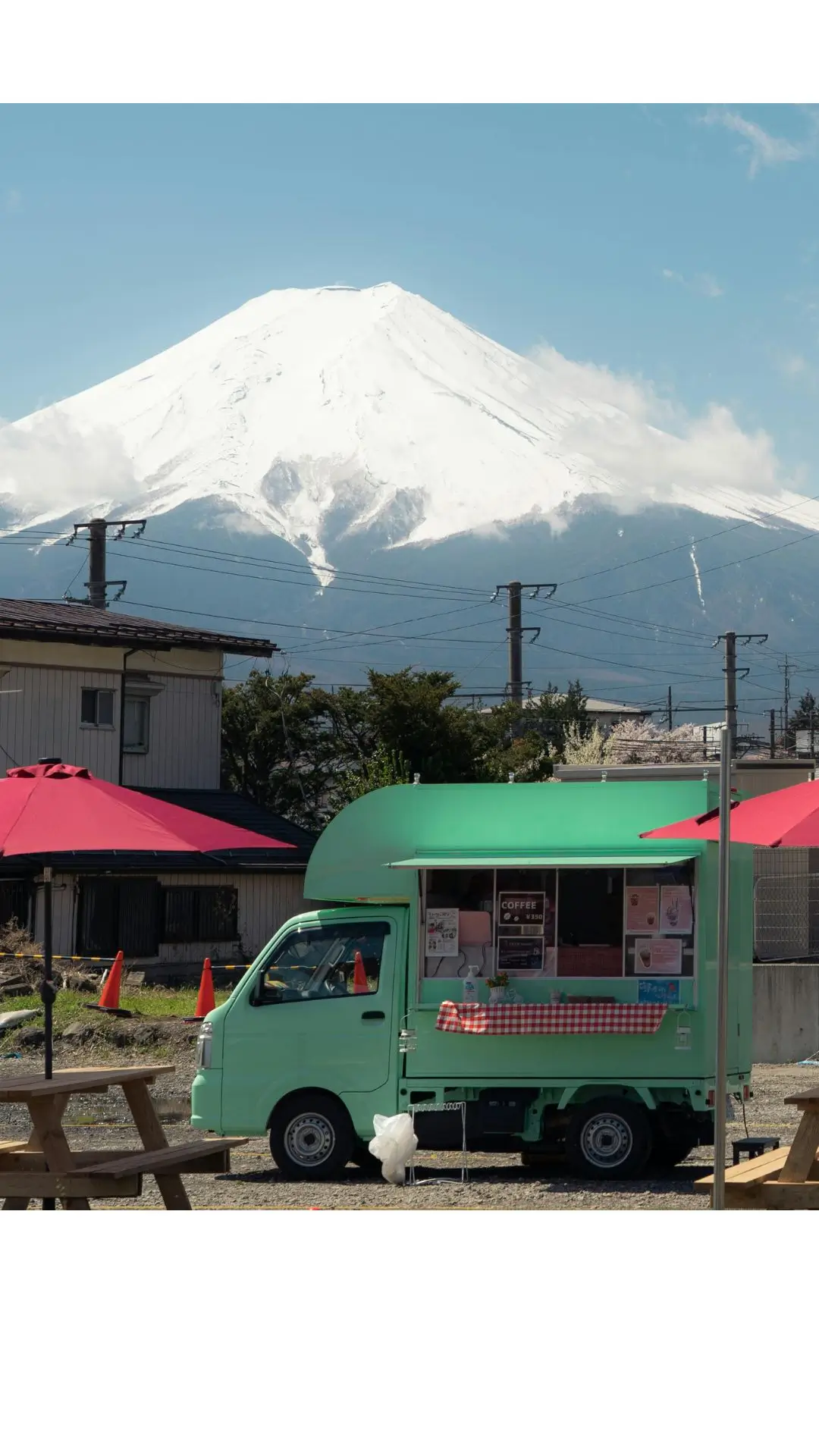
This work exchange combines hands on farm work with helping host travelers near Mount Fuji. Tasks usually include planting, harvesting, cleaning farm areas, and supporting guest check ins or shared spaces. You live close to where you work, which creates a clear daily rhythm tied to daylight and weather.
Reviews often mention how physical the days feel. Mornings start early. Farm work sets the pace. Hosting happens around arrival times rather than schedules. Volunteers describe simple routines like shared meals, quiet evenings, and early nights. You see Mount Fuji often, but it becomes part of the background rather than a highlight.
What stands out is the contrast. Tourists arrive briefly for photos and leave. You stay. You learn how rural households function near one of Japan’s most visited landmarks. Life feels grounded and repetitive in a good way.
WHO THIS IS BEST FOR
Hands on travelers and countryside curious visitors who enjoy physical work and steady routines.
WHAT YOU WILL APPRECIATE MOST
Fresh produce, outdoor living, minimal expenses, and a rare chance to experience rural Japan without moving constantly.
6. Slow Down on a Japanese Island While Helping at a Cozy Guesthouse
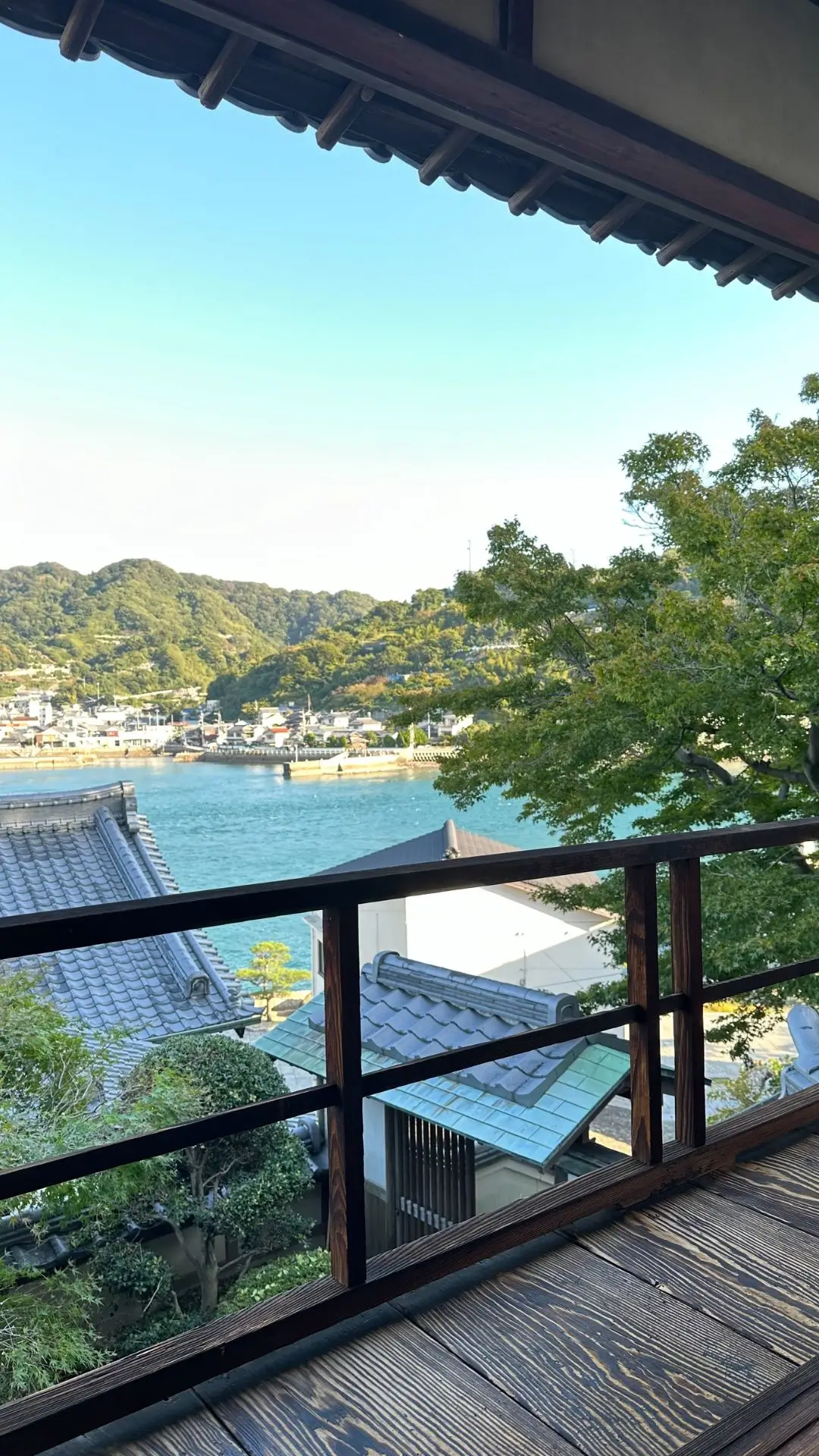
This work exchange takes place at a small guesthouse on a Japanese island. Tasks usually include cleaning rooms, gardening, preparing shared spaces, and helping guests settle in. You live close to the guesthouse, which means work blends naturally into daily life.
Reviews describe a slower pace shaped by repetition. Days feel similar. Mornings are quiet. Afternoons involve simple tasks and conversations. Evenings slow down early. Volunteers often mention chatting with locals during errands and becoming a familiar face rather than a passing visitor.
Community matters here. People notice if you show up. Small gestures carry weight. Over time, routines turn into relationships. The island stops feeling like a destination and starts feeling like home.
WHO THIS IS BEST FOR
Travelers craving quiet, routine, and deeper connections over constant movement.
WHAT YOU WILL APPRECIATE MOST
Ocean views, fresh air, low expenses, mental reset through consistency, and the rare chance to experience everyday island life in Japan.
7. Experience Everyday Countryside Life in Rural Shikoku
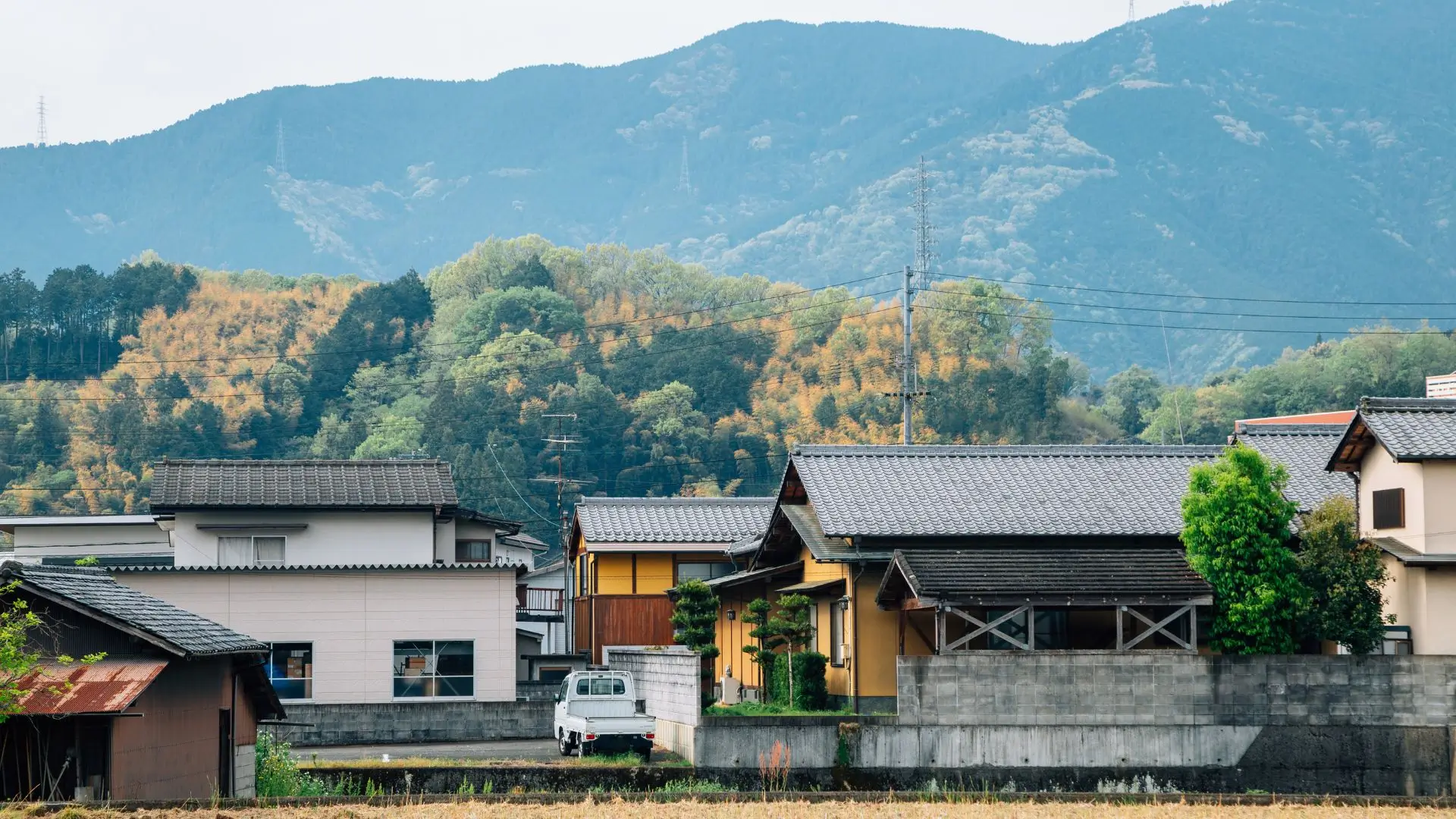
This work exchange places you in a rural community in Shikoku, far from major travel routes. Tasks usually include gardening, light carpentry, property maintenance, and helping with local events. You live close to your hosts, which makes daily life shared and predictable.
Reviews describe slow days that feel useful. Mornings start calmly. Work happens in short, practical bursts. Afternoons often involve learning by watching rather than being instructed. Volunteers mention attending small local gatherings, helping neighbors, and settling into routines that feel natural over time.
What stands out is how non performative the experience feels. There is no schedule built for visitors. You adapt to how things are done. Rural Japan reveals itself through repetition, quiet work, and presence rather than explanation.
WHO THIS IS BEST FOR
Long term travelers and anyone burned out on cities who wants calm, purpose, and consistency.
WHAT YOU WILL APPRECIATE MOST
Flexible pacing, hands on skill learning, low daily expenses, and rare access to everyday rural life most travelers never see.
8. Learn Beekeeping From a Local Farmer in Tokushima
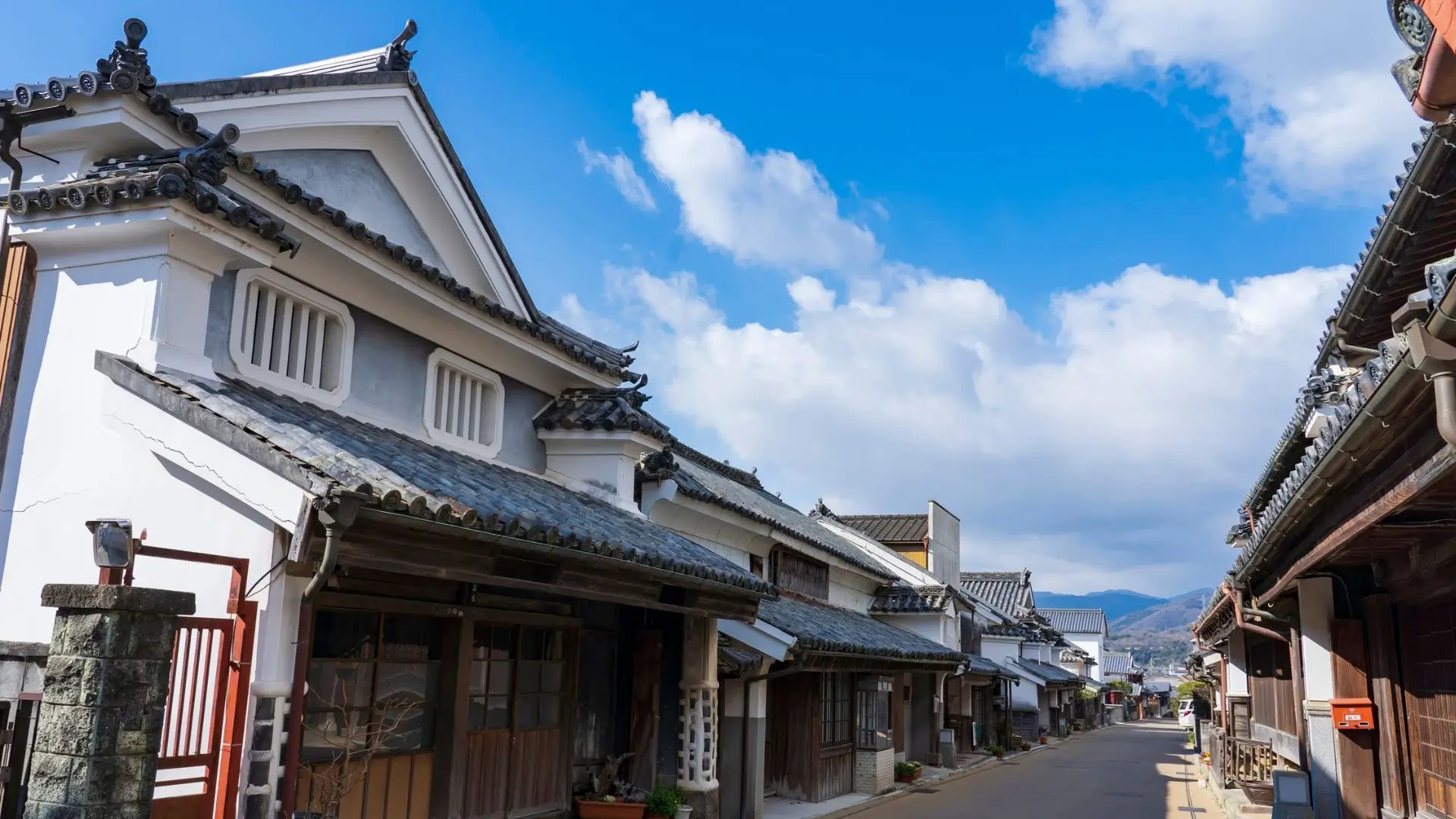
This work exchange centers on beekeeping with a local farmer in Tokushima. Tasks include caring for hives, harvesting honey, maintaining equipment, and supporting general farm work. You live close to the work, which ties your days directly to weather and season.
Reviews describe physically demanding but rewarding days. Work happens outdoors. Timing matters. Some days are slow and observational. Others require focus and stamina. Volunteers mention learning by doing and by watching, with knowledge passed down through practice rather than explanation.
What makes this experience stand out is learning a real livelihood. This is not a demonstration. You support an active farm and see how a traditional trade fits into daily rural life.
WHO THIS IS BEST FOR
Curious, resilient travelers who want a memorable skill based experience and do not mind physical work.
WHAT YOU WILL APPRECIATE MOST
Hands on training, outdoor living, seasonal food, and a rare opportunity to learn a niche skill directly from a local.
9. Live Like a Local While House and Pet Sitting in Rural Japan
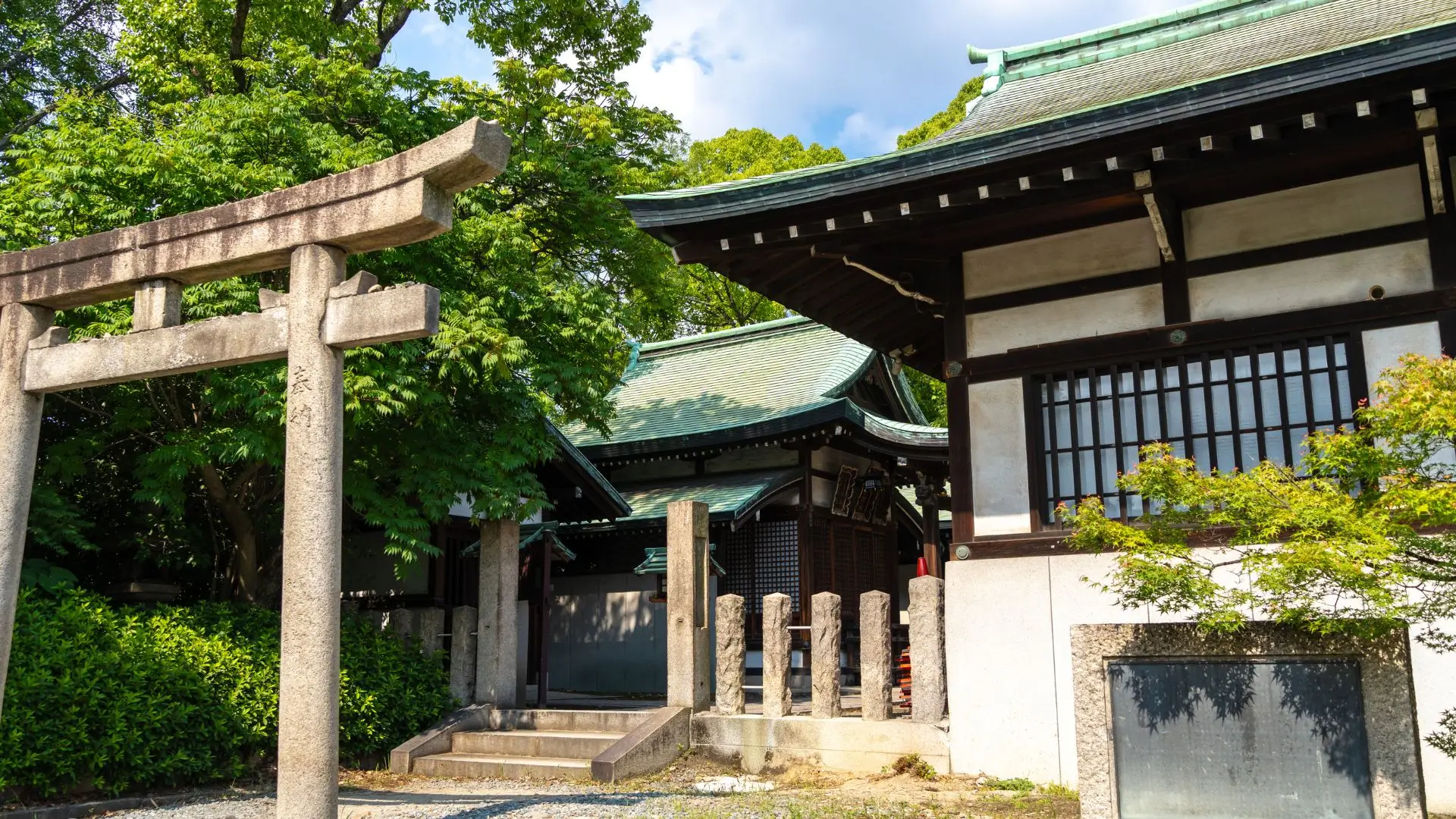
This experience involves house and pet sitting in a rural Japanese village. Tasks focus on daily household routines and caring for animals. There is no structured volunteer schedule. You manage the home as if it were your own.
Reviews often say this feels closest to normal life. You shop locally. You follow neighborhood rhythms. Days revolve around feeding animals, cleaning, cooking, and quiet time at home. Many volunteers describe feeling like a temporary resident rather than a helper.
There is little social pressure. Connection comes from repetition and familiarity. Neighbors notice you because you stay put.
WHO THIS IS BEST FOR
Slow travelers, animal lovers, and anyone seeking normalcy instead of constant stimulation.
WHAT YOU WILL APPRECIATE MOST
Privacy, calm routines, deeper rest, and full immersion into everyday rural life in Japan.
Is Work Exchange in Japan Ethical?
Work exchange is different from unpaid labor when done correctly. The exchange is balanced. You contribute time and effort. In return, you receive accommodation and often meals. This removes major daily costs and allows you to stay longer without financial strain.
Ethical work exchange in Japan focuses on integration. Hosts involve you in daily routines. You eat together. You share space. You are not treated as free staff filling a role locals should be paid for.
Accommodation and meals matter because they anchor you to the household or property. They create shared responsibility and mutual respect. Without this, the exchange becomes transactional.
Choose hosts who communicate clearly, limit working hours, and describe daily life beyond tasks. Reviews should mention meals, conversations, and routine, not just workload.
Red flags include vague expectations, long or changing hours, no interaction outside work, and roles that resemble full time jobs without balance.
When chosen carefully, work exchange in Japan supports cultural exchange and sustainable travel rather than exploitation.
Choosing a Work Exchange That Fits Your Life in Japan
Begin with how you like to live day to day. Not with a map. If you feel grounded by structure, city guesthouses or family homes tend to feel supportive. Days follow clear rhythms. Expectations stay steady.
If you recharge through quiet, rural villages or islands offer space to breathe. Time slows. Small moments start to matter more. If you enjoy using your body, farms and skill based roles feel satisfying. Work shapes the day. Rest feels earned.
Local life does not come from ticking off places. It comes from returning to the same routine. Opening the same door each morning. Shopping at the same store. Being greeted without explanation. This only happens when you stay long enough to belong.
The right work exchange rarely looks impressive on paper. It feels comfortable in practice. A role that matches your pace will always leave you fuller than one that looks exciting but wears you down.
Platforms like Worldpackers help you choose with intention. You can filter by workload, location, and host style so the experience fits how you actually travel.
If your goal is to experience everyday life in Japan, work exchange is often the most realistic path. Especially for travelers without long term visas.
Read More
- 15 Non-Touristy Things to Do in Kyoto for an Authentic Experience
- 2 Day Kyoto Itinerary That Will Make You Fall in Love With Japan
- 22 Japanese Foods to Try in Japan and Where to Find Them
- 14 Cooking Classes in Kyoto You’ll Love
- Best Street Food in Tokyo and Where To Find It?
- Simple Japanese Phrases for Travelers I Actually Used
- Best and Worst Time to Visit Japan: First-Timer’s Guide
- 10 Best Day Trips from Tokyo (That Are Actually Worth It)
- The 2 Day Tokyo Itinerary You Won’t Feel Rushed
- 9 Best Things to Do in Osaka (And What I’d Skip Next Time)