
Worldpackers vs Workaway: Which One is Best for You?

Torn between Worldpackers and Workaway? I use both work-exchange platforms, and I’ve learned firsthand how different they can be.
When I quit my job in 2024, I spent a full year volunteering across the United States, Europe, and the Middle East. Through Worldpackers and Workaway, I found work-exchange opportunities in hostels, homestays, farms, and even desert tents.
I saw my fair share of accepted (and rejected) applications. More than once, I questioned my safety and my plans. I was picked up at airports and welcomed into homes, before leaving with some of my happiest memories.
Along the way, I learned which platform tends to offer more responsive hosts and fairer prices.
If you’re new to volunteering and work exchange, don’t worry—I’ve got you covered. Here, I break down the pros and cons of using Worldpackers and Workaway so you can save time, money, and stress.

Disclosure: This page contains affiliate links at no extra cost to you. Learn more.
In a Nutshell: Worldpackers vs Workaway
At first glance, Worldpackers (WP) and Workaway (WA) are closer than most people expect, and most categories end in a tie.
But the table below only tells a small part of the story. Keep reading to find out how it really feels to use both platforms.
|
Category |
Worldpackers (WP) |
Workaway (WA) |
Winner |
|
1. Pricing & Value |
$59/year ($49/year if with discounts) |
US$69/year |
✅ WP |
|
2. Host Variety |
Curated, hostel-heavy and NGO-heavy |
Diverse range, including families, farms, and schools |
✅ WA |
|
3. Host Quality & Transparency |
Displays host’s statistics, detailed listings |
Host rating, reply rate and ID badge shown; free-form listings |
✅ WP |
|
4. Review System |
Two-way, mandatory after stays |
Two-way, checked by Workaway’s team, published together |
🔁 Tie |
|
5. Safety & Insurance |
“WP Safeguard” |
“Emergency Help” |
🔁 Tie |
|
6. Customer Support |
24/7 chat & multilingual |
24-hour support team, live chat for members |
✅ WP |
|
7. Education Resources |
“WP Academy” system, guides, onboarding |
Minimal tutorials |
✅ WP |
|
8. User Interface |
Mobile-friendly app, smart filters |
Updated UI, mobile-friendly app |
🔁 Tie |
|
9. Ease of Acceptance |
Reply metrics guide you and are beginner-friendly |
Shows reply rate and usual response time |
🔁 Tie |
|
10. Volunteer Tasks & Workload |
Clearly defined tasks and working hours (up to 32 hrs/week) |
Often vague and/or flexible workload (up to 25 hrs/week) |
🔁 Tie |
|
11. Opportunities to Earn |
Paid content gigs |
Some paid hosts |
🔁 Tie |
|
12. Travel Buddy & Community |
Strong social elements in volunteer opportunities |
In-app matching, independent |
🔁 Tie |
|
13. Geographic Reach |
Strong in LatAm, Southern Europe |
Strong in Europe, Asia, remote areas |
🔁 Tie |
|
14. Refund Policy |
Refund if no response from hosts within 7 days |
Refund if the user meets every criteria of the Host Response Guarantee policy |
✅ WP |
Why Use Work-Exchange Platforms in the First Place?
Let’s face it: Traveling is not cheap. From accommodations to food, the costs of travel have skyrocketed in the past few years.
The National Geographic points to inflation, labor shortages, and the COVID-19 pandemic as the main factors behind this problem.
To put this into perspective, travel writer Glen Nomad shared how he spent PHP134,678 ($2,300) for a 10-day trip across Los Angeles, New York, and Washington, D.C.
That amount included his discounted flights and CityPASS from a vacation package. Without those perks, the trip would have cost around PHP157,828 ($2,700).
In contrast, I spent five months traveling across the U.S. for about $6,000. If you disregard the airfare, then the total price would drop to $2,500.
During this period, I stayed with local hosts, working a few hours a day in exchange for free accommodation and meals. It wasn’t luxury travel, but it felt richer in every other sense of the word.
This setup is called a work exchange. As I mentioned in an earlier article, it is a form of traveling that values cultural immersion and shared experience.
It allows you to offer your skills, like cleaning, gardening, teaching English, and other kinds of labor. In return, your host provides you with lodging, meals, and a glimpse into their country’s daily life.
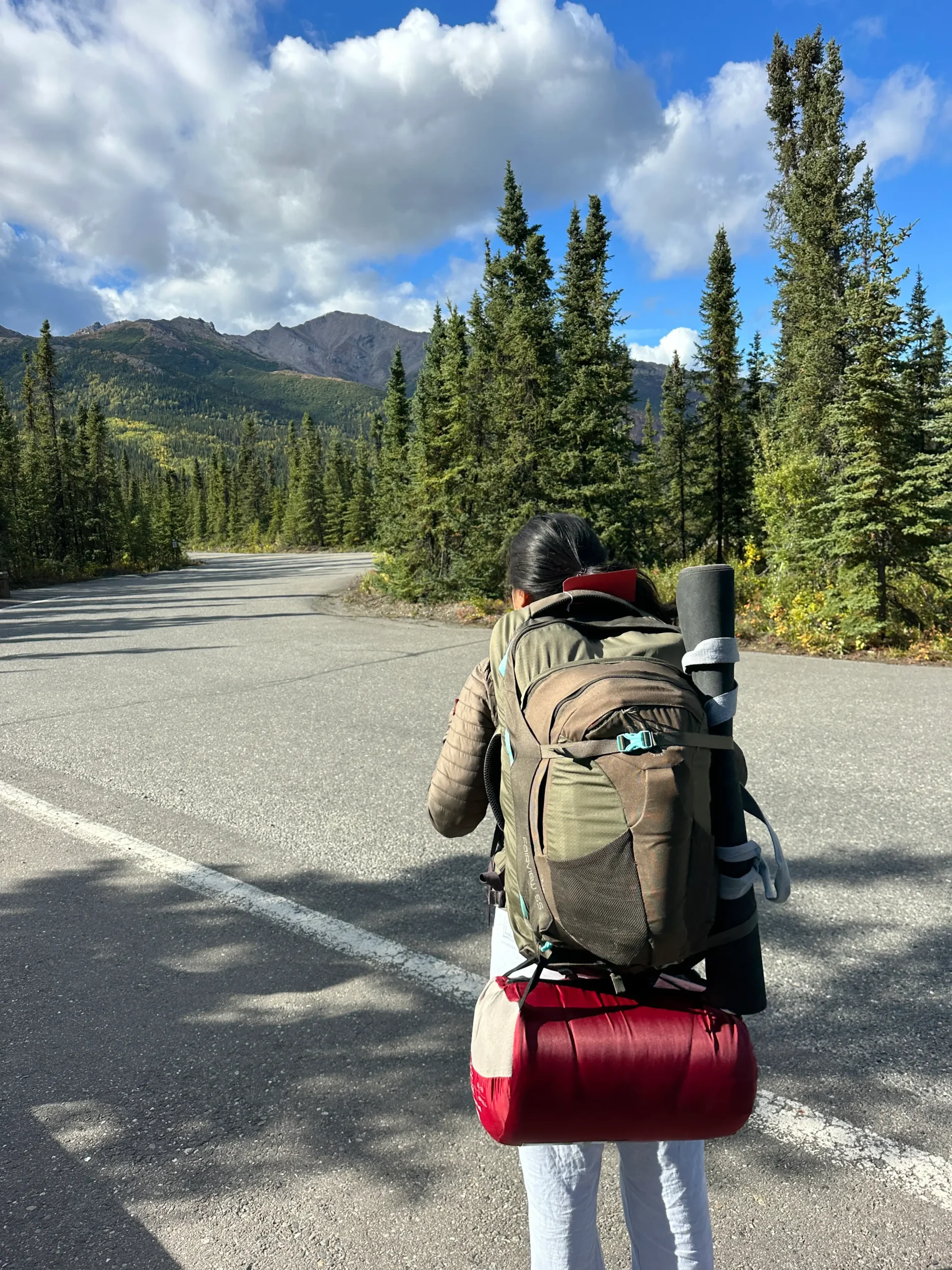
After learning about work exchanges, I decided to try them for myself.
I first joined Workaway due to its vast network. I sent out applications as early as June, hoping to find placements in the U.S. from August to October.
However, days went by without updates, making me feel uneasy about my situation.
I soon signed up for Worldpackers to increase my chances of securing my stay. In the end, both platforms helped me pursue meaningful volunteer opportunities.
Finding the Right Fit
From my experience, it’s clear that work exchanges can be deeply rewarding, but it takes patience and persistence to get the best one. Here’s what I wish I knew before my first Workaway experience.
So let’s look closer at how Worldpackers and Workaway compare when it comes to value, safety, and overall experience.
1. Pricing & Value
Today, Worldpackers costs US$59 a year and Workaway US$69. Worldpackers is the cheaper of the two, and it adds onboarding resources (WP Academy) and promo discounts.
Want to try Worldpackers for only $49? Use my link or code GLADIS to get $10 off your membership.
Going with Workaway instead? My invite link gets you $10 off your annual membership.
✅ Winner: Worldpackers
2. Host Variety
Workaway went live in 2002. Since then, it has established linkages and projects across farms, rural homesteads, schools, families, and eco-villages—the entire spectrum of work-exchange arrangements.
In my travels, I found unique Workaway gigs, including a yurt retreat in Alaska, a small desert farm in Arizona, and a rural teaching placement in Europe.

Meanwhile, the earliest version of Worldpackers was launched on February 4, 2014. The younger platform focuses more on creative, NGO-related, or hostel-based hosts, which is great for immersion but is less ideal for off-grid adventures.
✅ Winner: Workaway
Pro tip Before you commit to either platform, browse hosts in your desired destinations first. If there are ample opportunities that appeal to you, then subscribe.
3. Host Quality & Transparency
This is where Worldpackers really shines. The profile of each host displays key metrics like their reply rate, average response time, and verified reviews, so people know what to expect before sending an application.
The hosts must also specify the working hours, days off, accommodation type, meals, and amenities.
Workaway listings now show a host rating, reply rate, usual response time and an ID-verified badge. But hosts still have full freedom in how they write their listings.
Some describe everything clearly, while others might only write a few vague sentences. That means you often have to send follow-up messages to clarify details like schedules and sleeping arrangements.
For first-timers, I found Worldpackers easier to use than Workaway. It allowed me to filter volunteer opportunities and find the one that truly matches my preferences.
✅ Winner: Worldpackers
4. Review System
Worldpackers enforces a two-way review system with a 15-day deadline after each stay. Neither the volunteer nor the host can see the other’s feedback until both have submitted or the deadline expires, encouraging honesty.
Workaway now works in a similar way. Once one side leaves feedback, the other has 14 days to respond, and both reviews are published together after Workaway’s team has checked them. Reviews are still optional, though. I completed three Workaway stays and had to remind the hosts multiple times to write a review.
Although some complied, others never did. I also forgot and made mistakes.
So both platforms now keep reviews hidden until both sides have written theirs, which makes it easier to be honest.
🔁 Tie (It depends on your preferences.)
5. Safety & Insurance
Worldpackers offers a unique protective measure called “WP Safeguard.” If a host fails to honor what was agreed upon, the platform helps volunteers find another host nearby.
When relocation isn’t possible, Worldpackers covers accommodation costs in another hostel within the same city.
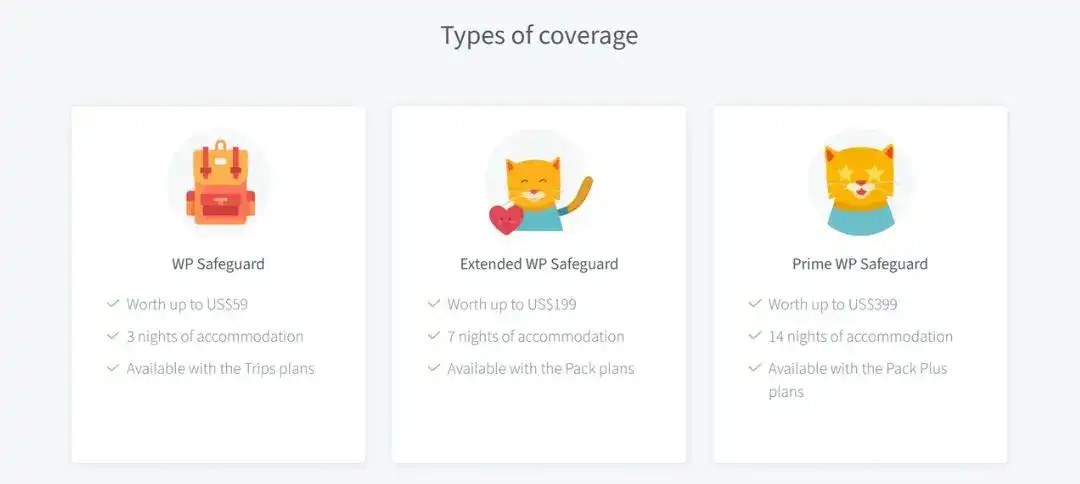
The amount of coverage depends on your membership level, starting from $59 for the Solo Trips, going up to $199 for the Solo Pack, and finally $399 for the Solo Pack Plus.
Workaway introduced its own system called Emergency Help, though it’s still relatively new. Assistance is only available for users who subscribed after December 6, 2022.
Volunteers must fill out an Emergency Help Application Form, keep receipts for alternative accommodation, and await approval before any assistance can be provided. Refunds of up to your membership fee (US$69 on the standard plan) are processed within 10 days once approved.
I can only vouch for the WP Safeguard, but both platforms’ systems look solid.
🔁 Tie (It depends on your preferences.)
Pro tip For your peace of mind, you can also sign up for travel insurance using SafetyWing.
My SafetyWing review has the pricing and what’s excluded.
6. Customer Support
Worldpackers fosters a strong sense of community, where newcomers can connect with seasoned travelers for advice. It also has a 24/7 multilingual chat and a robust Help Center.
Meanwhile, Workaway has a 24-hour support team you can reach through its help desk, or by live chat as a paid member.
Although I rarely needed help myself, I’ve read multiple forums where users praised Worldpackers for having better customer service.
✅ Winner: Worldpackers
7. Education Resources
It was my first time volunteering at a hostel when I joined Worldpackers. Fortunately, I had access to WP Academy and its guides to prepare me for that journey.

In contrast, Workaway users usually have to figure things out on their own.
That independence can appeal to experienced travelers or those who prefer learning by doing. But for newcomers, Worldpackers’ onboarding tools make a world of difference.
✅ Winner: Worldpackers
8. User Interface
If you ask me last year, Worldpackers has a smoother interface than Workaway.
Workaway, to its credit, has made big strides since then. You can now filter by last-minute hosts, host type, and availability. A map and analytics are also available for its users.
As of writing, you cannot go wrong with either platform in terms of user experience.
🔁 Tie (It depends on your preferences.)
9. Ease of Acceptance
Both platforms now show each host’s reply rate and how fast they usually respond, so you can skip hosts who rarely answer before you send a message.
Since communication can make or break travel plans, check those numbers on either platform before you apply.
🔁 Tie (It depends on your preferences.)
10. Volunteer Task & Workload
On Worldpackers, hosts are required to outline daily tasks, expected hours, days off, amenities, and inclusions.
The platform allows up to 32 hours of work per week, and many of its hostel placements usually permit only one day off per week.
Despite this strict schedule, I still managed to explore my surroundings by discussing my plans with my hosts early on. This helped minimize misunderstandings.

Meanwhile, Workaway tends to be more flexible.
Most hosts limit work exchanges to around 25 hours per week, which gives you more time to rest or explore. But listings are often vague or incomplete, so you’ll likely have to clarify expectations.
If you value structure, Worldpackers is the safer choice. If you prefer lighter workloads and more downtime, Workaway might suit you better.
🔁 Tie (It depends on your preferences.)
11. Opportunities to Earn
Workaway allows some hosts to pay volunteers as long as it is allowed by local regulations.
You can even filter for paid listings, but be mindful of the visa and taxes before accepting any form of compensation.
Because Worldpackers is primarily a skill-exchange platform, paid work is rare. However, you can apply to be a content creator for the platform.
🔁 Tie (It depends on your preferences as neither is a perfect job site.)
12. Travel Buddy & Community
Worldpackers builds its sense of community through shared experiences. Many of its placements are in hostels or NGO projects, where you naturally meet fellow volunteers.
The platform also offers guides on finding a travel buddy, though many users still turn to external forums like Reddit or Facebook groups for these connections.
Likewise, Workaway nurtures a tight-knit community. Because many hosts are families or based in remote areas, you often form deeper one-on-one relationships with locals.
Workaway also has a dedicated Travel Buddy feature where verified users can match with others heading to the same destinations—a nifty tool for solo travelers looking for company.
🔁 Tie (It depends on your preferences.)
Stay connected with your hosts and travel buddies through Airalo.
- Get 15% off new users with code .
- Get 10% off existing users and top ups with code .
13. Geographic Reach
Worldpackers performs best in Latin America, Southern and Mediterranean Europe, and places with vibrant hostel scenes.
As for Workaway, the platform has a strong presence in more countries than Worldpackers, especially in Asia, remote islands, and rural development zones.
For a city example, here is what volunteering in Paris looks like on both platforms.
If your heart is set on off-grid living, Workaway likely has more options.
🔁 Tie (It depends on your preferences.)
14. Refund Policies
One of the most reassuring features of Worldpackers is its refund policy. If no host replies within seven days, you can request a full refund.
Workaway recently made its own Host Response Guarantee. To qualify for this, you must contact at least ten hosts within 30 days of joining the platform. If no one responds, you can reach out to Workaway’s support team to claim a refund.
While It’s a step in the right direction, Workaway’s process feels more restrictive and time-bound. Worldpackers has a clearer safety net.
Want to take a look at actual listings? Here are the best volunteering opportunities in Bali.
✅ Winner: Worldpackers
The Final Verdict
On points, Worldpackers takes five of the 14 categories, Workaway takes one (Host Variety), and eight are ties.
Worldpackers is my pick for first-time volunteers and for hostels, where it’s easy to meet people as a solo traveler. Workaway is my pick for seasoned volunteers who want unique, remote and enriching stays. Both are my go-to platforms.

If this is your first work exchange, start with Worldpackers. If you’ve volunteered before and only buy one, let the trip decide. A farm, a family home or somewhere off-grid points to Workaway. A hostel where you’ll meet other travelers points to Worldpackers.
Whenever I have months of volunteering ahead, I get both memberships. And if neither seems right, there are alternatives worth exploring.
Ultimately, there is no perfect work-exchange platform. But the right one will open doors to new places, new people, and new versions of yourself.
